
Eastern Sigillata A (ESA)
Turkey/Eastern Mediterranean/Antioch region
late 2nd century BCE - 2nd century CE
Hellenistic, Roman
General Information
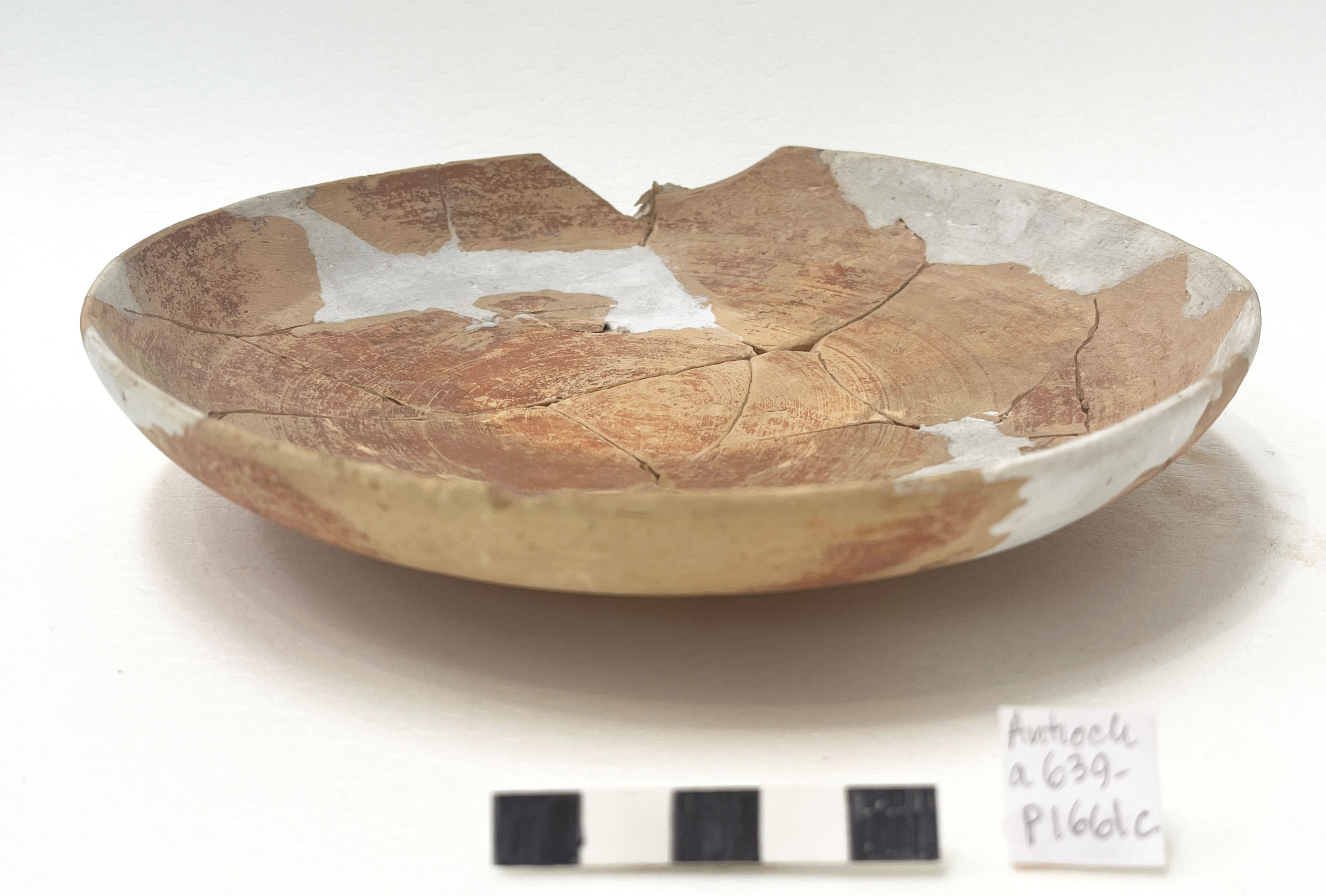
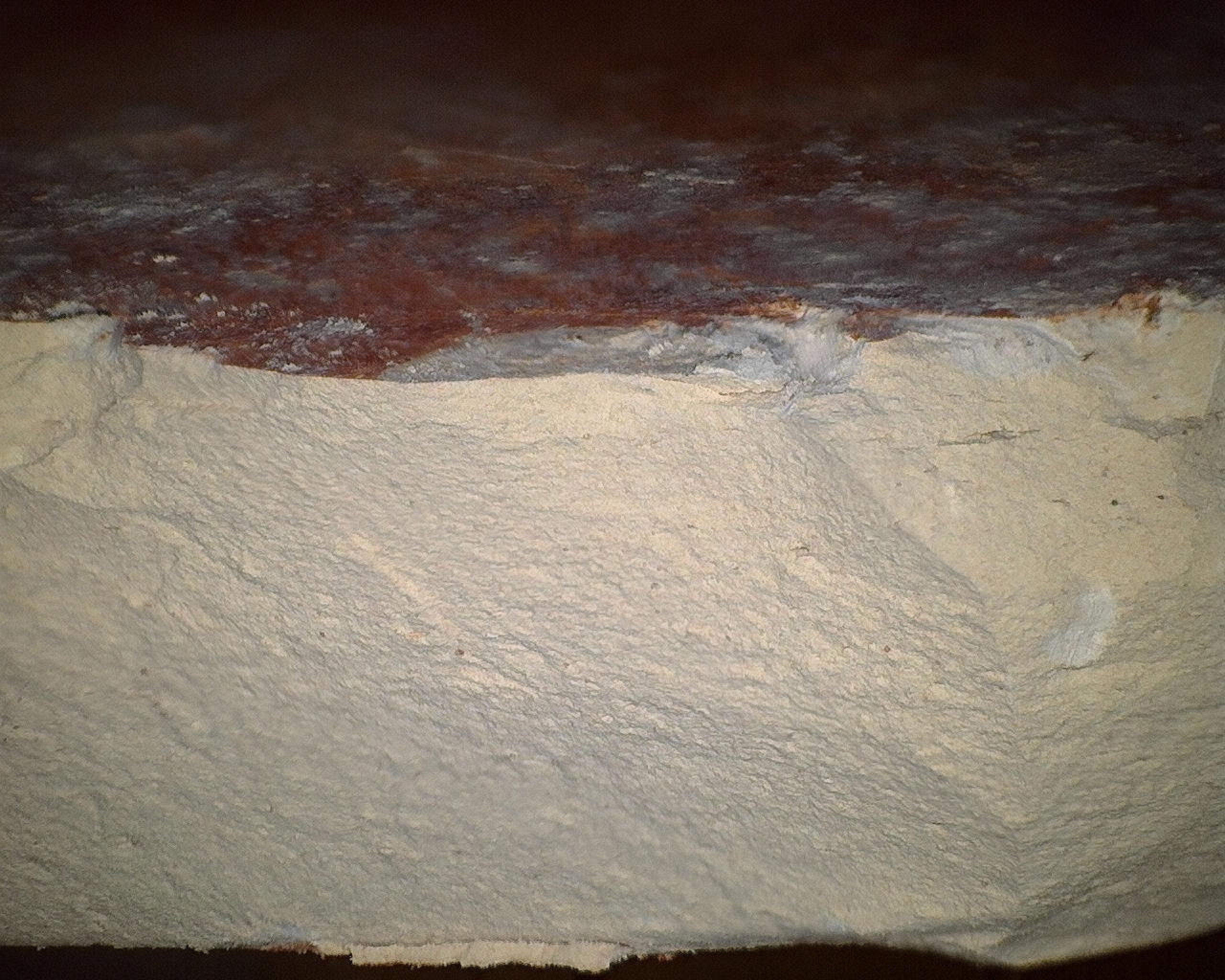
Eastern Sigillata A is a fine, red-slipped table ware first produced c. 140-135 BCE in the region of greater Antioch (modern Antakya), in the Hatay region of Turkey, the capital and heartland of the Seleucid empire (the discovery of very over-fired/misfired ESA vessels from Antioch itself offers circumstantial evidence for production in the near vicinity of the city; see photos below, in related images). ESA vessels were intended to satisfy a growing demand for elegant vessels for table service, drinking, and dining inspired by banquets given by royalty and elites.
ESA was not the first fine table ware made in this region. It is a further development of a ceramic industry established here at the start of the Seleucid era. It is the immediate successor to BSP, a black-slipped ware used to make a series of vessels for both individual and group service. BSP is itself a kind of successor to the first of the fine Hellenistic-era table wares produced in this same area: Cilician Hellenistic slipped fine ware. In both of these predecessor wares, potters produced standard small Hellenistic-era shapes such as incurved and everted rim bowls and small saucers. However in BSP and its successor ware, ESA, potters also began making large serving platters with offset rims and wide shallow dishes with upturned rim - vessels intended for elegant group service.
All three of these wares share the same petrographic clay profile, indicating a common geological and geographic origin. ESA is the ultimate product of a lively, innovative ceramic industry that thrived along the northernmost Levantine coast for four hundred years.
ESA vessels were popular from the very beginning of production, and became common throughout the eastern Mediterranean, the Levant, and the Aegean. In the 1st c. BCE they began appearing also in Italy, where they inspired Italian potters to turn away from the production of black-slipped table wares (Campana wares) to red-slipped vessels, but in different shapes inspired by metal work. The Italian products made their way east, and in turn inspired ESA potters to adapt their shapes to the new Roman styles. ESA potters also tweaked the color of the slip to make it a bit more brown, making it more similar to the slip color of Italian red-slipped (Sigillata) vessels.
ESA was the first mass-produced fine ware of the Hellenistic East. It precedes, and was an inspiration for, subsequent red-slipped productions, specifically ESB, an industry that began in the general region of Ephesus, Pergamene Sigillata/Eastern Sigillata C (ESC) and Cypriot Sigillata/Eastern Sigillata D (ESD). All of these wares carry the designation 'sigillata,' which is Latin for stamped - even though only some of the vessels produced were in fact stamped.
The first typology and chronology of ESA was published by John W. Hayes in 1985, and his categorization remains widely used.
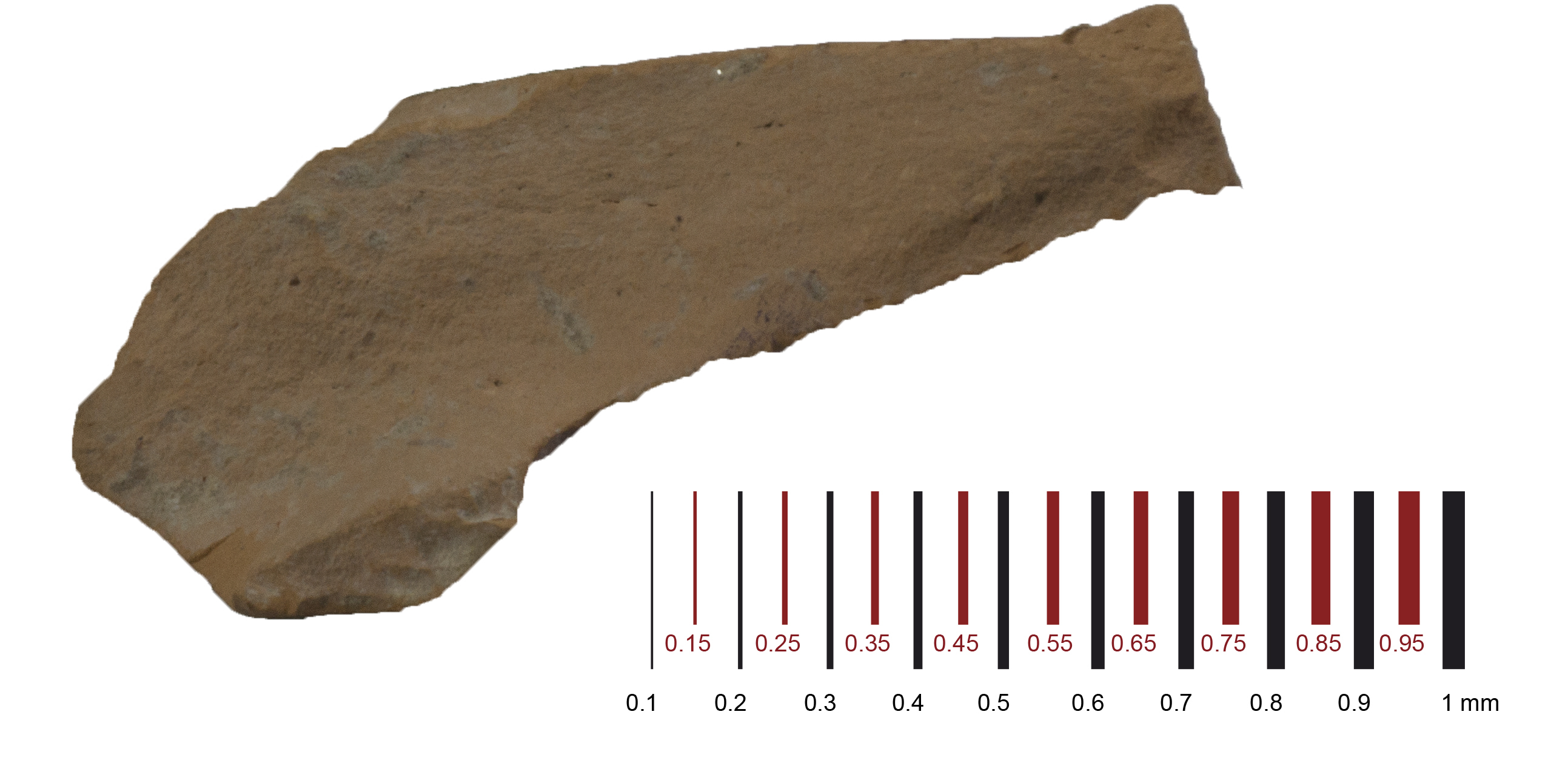
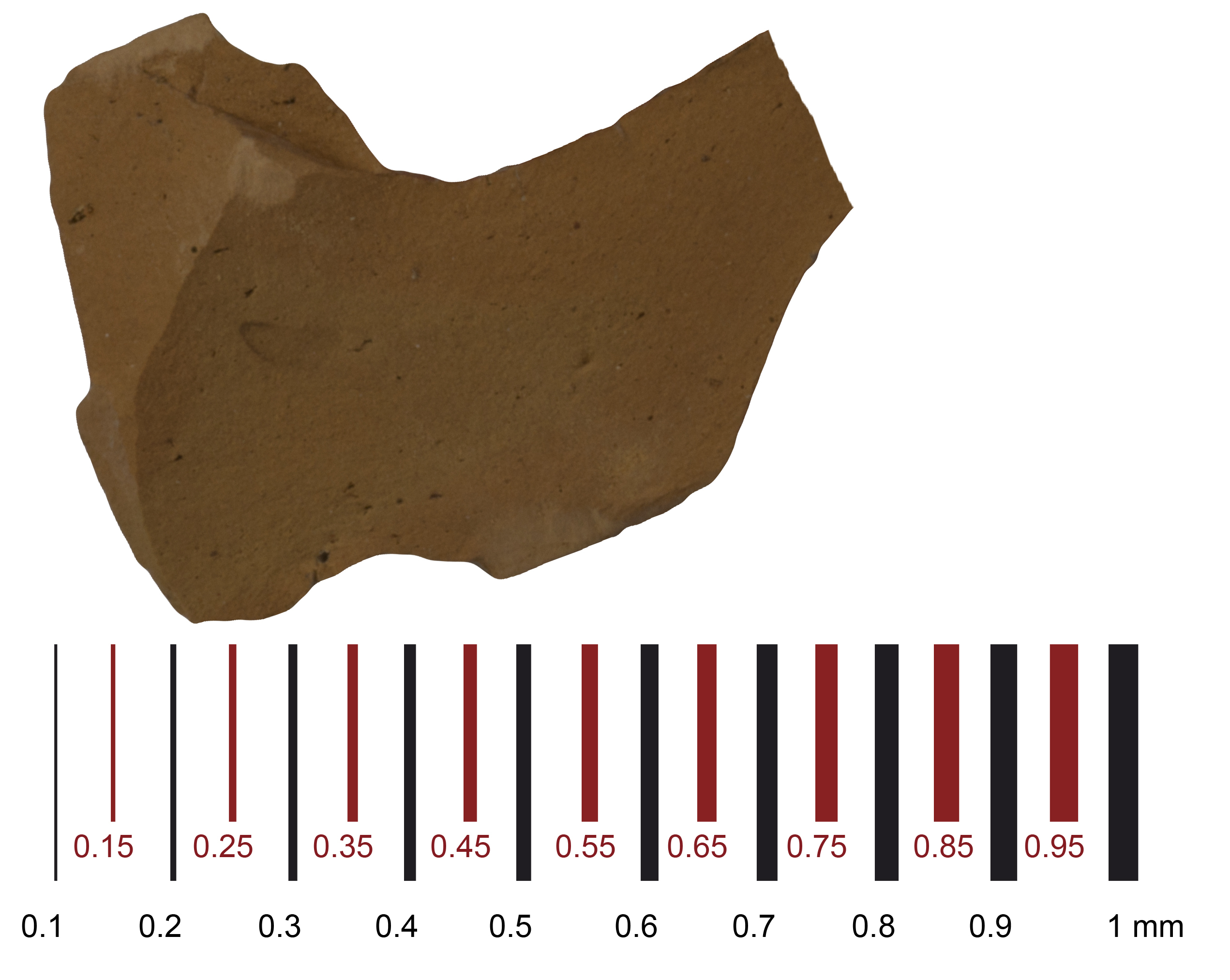
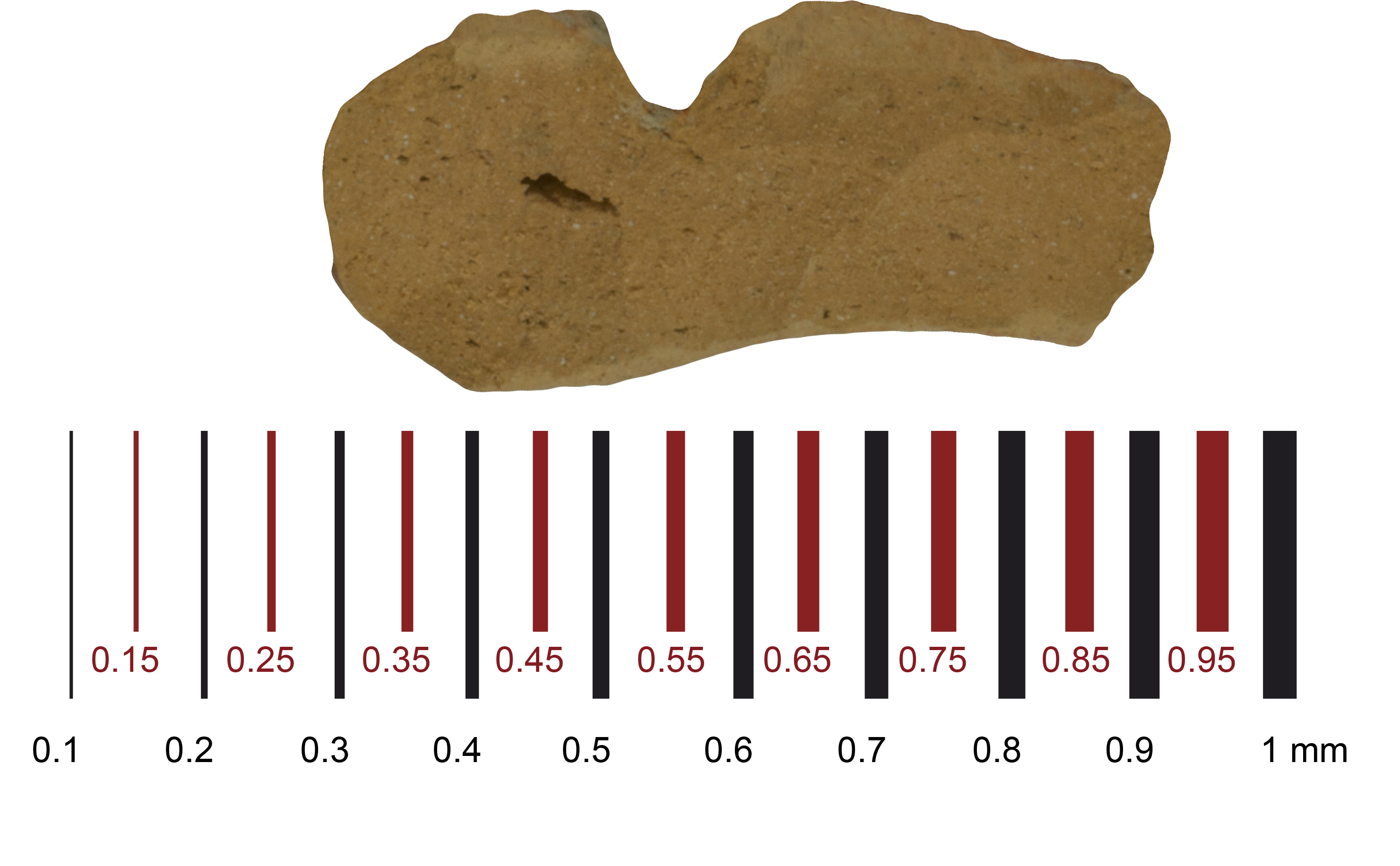
Very clean, moderately hard, dense light pinkish brown (5YR 7/4-7.5YR 8/4) with no visible inclusions, fully fired. Semi lustrous to lustrous smooth red slip, applied by dipping vessels into vat of slip. Often a darker band of slip appears across the middle of the vessel, from that portion having been dipped into the slip twice.




Paphos/Nea Paphos (Cyprus/Western South Coast)
Al-Qarah al-Hamra (Egypt/Fayoum)
Coptos (Egypt/Upper Egypt)
Athens (Greece/Attica)
Kenchreai (Greece/Peloponnese)
Knossos (Greece/Crete, west)
'Akko, Railway Station (Israel/Northern Coastal Plain)
'Akko, Harbor (Israel/Northern Coastal Plain)
Ashkelon (Israel/Southern Coastal Plain)
Caesarea Maritima (Israel/Central Coastal Plain)
Gamla (Israel/Golan)
Gezer (Israel/Shephelah)
Hagoshrim (Israel/Hula Valley)
Horbat Rodem (Israel/Beth She'an Valley)
Horbat Zefat 'Adi (Israel/Northern Coastal Plain)
Horvat Omrit (Israel/Hula Valley)
Horvat Zebaleh (Israel/Negev)
Maresha/Marisa (Israel/Shephelah)
Qedesh/Kedesh (Israel/Galilee)
Qeren Naftali (Israel/Galilee)
Tel Anafa (Israel/Hula Valley)
Tel Ishqaf (Israel/Central Coastal Plain)
Ḥorvat Tefen, Qalat Tufaniyeh (Israel/Galilee)
Ashdod (Israel-Palestinian Authority/Southern Coastal Plain)
Ashqelon, Third Mile Estate (Israel-Palestinian Authority/Southern Coastal Plain)
Jerusalem, Old City/East Jerusalem (Israel-Palestinian Authority/Central Highlands)
Jerusalem, West Jerusalem (Israel-Palestinian Authority/Central Highlands)
Samaria-Sebaste (Israel-Palestinian Authority/Central Highlands)
Yavneh (Israel-Palestinian Authority/Southern Coastal Plain)
Abila (Jordan/Northern Highlands)
Tall Jawa (Jordan/Central Highlands)
Baalbek (Lebanon/Biqa Valley)
Dar'a, Adraha (Syria/Hauran)
Dunayba, Danaba (Syria/Hauran)
Hama, Emathous, Epiphaneia (Syria/Orontes Valley)
Kawm al-Raḥīl, Kôm Rahil (Syria/Hauran)
Kawm al-Rummān Ouest/3, Kôm er-Rumman/3 (Syria/Hauran)
Kuraym Sud, Kreim sud (Syria/Hauran)
Tall Qiswa, Tell Jessoua (Syria/Hauran)
Tall al-Dabba, Tell Debbeh (Syria/Hauran)
Tall al-Kutayba Nord, Tell Ekteibe (Syria/Hauran)
Tall al-Mafʿalānī, Tell Mafaaleh (Syria/Hauran)
Ṣūr al-Lajāʾ Nord (Syria/Hauran)
Adrasan Plate Wreck (Turkey/Southwest)
Antioch/Antakya (Turkey/Eastern Mediterranean)
Antiocheia ad Cragum (Turkey/Eastern Mediterranean)
Charadros (Turkey/Eastern Mediterranean)
Ephesos (Turkey/Aegean)
Gocuk Asari (Turkey/Eastern Mediterranean)
Gurcan Karatepe (Turkey/Eastern Mediterranean)
Kenetepe (Turkey/Eastern Mediterranean)
Kestros (Turkey/Eastern Mediterranean)
Kinet Höyük (Turkey/Eastern Mediterranean)
Laertes (Turkey/Eastern Mediterranean)
Miletos, Humeitepe (Turkey/Aegean)
Notion (Turkey/Aegean)
Sardis (Turkey/Aegean)
Sirkeli Höyük (Turkey/Eastern Mediterranean)


