
Eastern Sigillata D (ESD)/Cypriot Sigillata
Cyprus/Western South Coast, Turkey/Eastern Mediterranean/western Cilicia
1st century BCE - 1st century CE
Roman
General Information
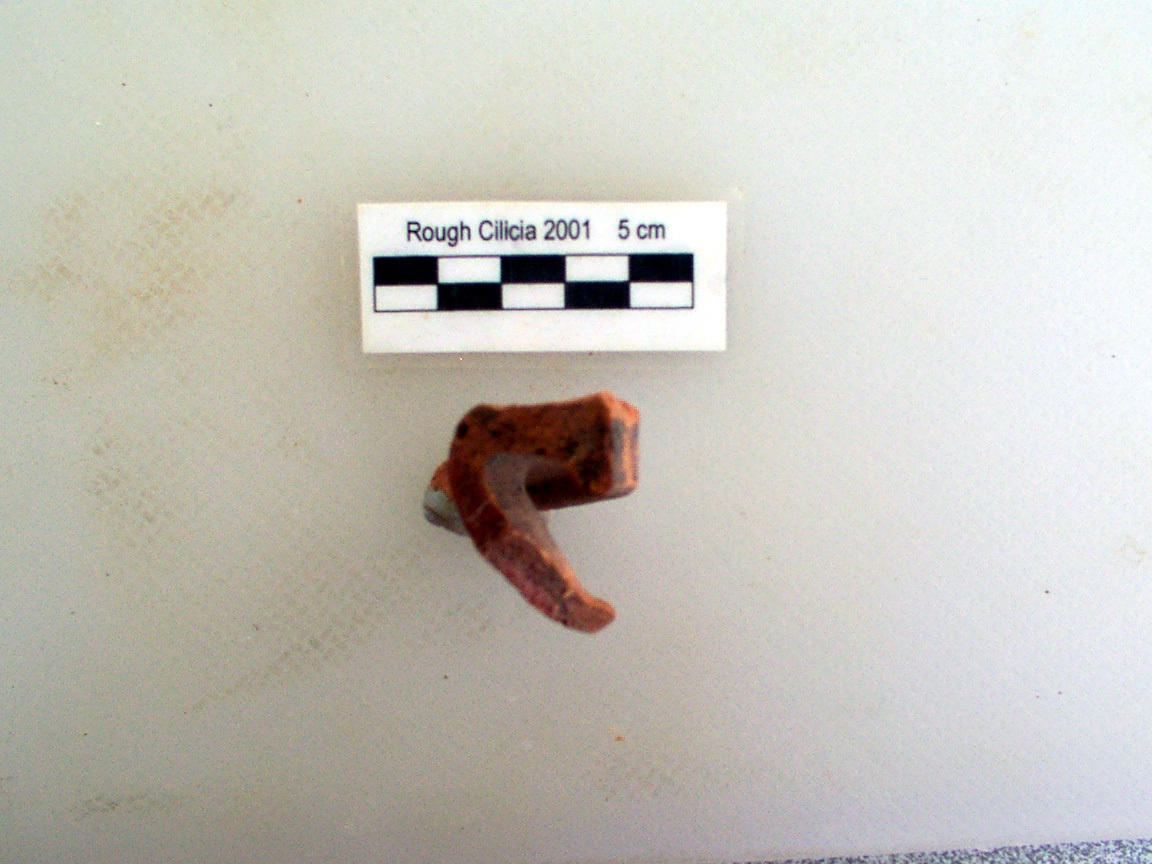
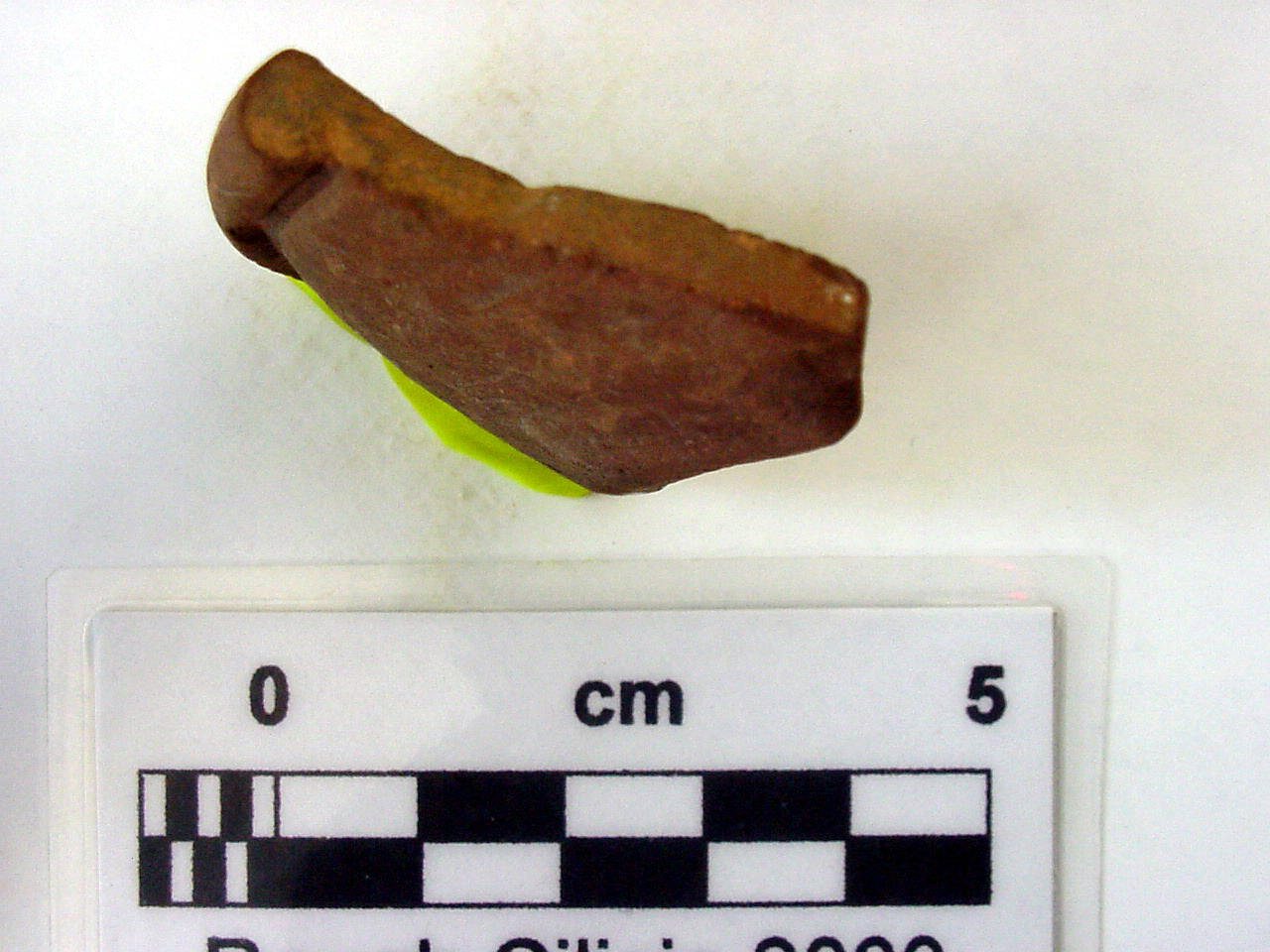
Hayes first identified Cypriot Sigillata/Eastern Sigillata D in 1967 and published a comprehensive typology in 1985. Since then, it has been discussed by several other scholars. Predominantly produced between the 1st century BCE and 1st century CE, CS/ESD was used for a standard assemblage of table vessels – dishes/saucers, bowls, and deep bowls/kraters. Additional, rarer forms include closed vessels like jugs and juglets. Production seems to have continued until the late second/early third centuries CE.
Origin. With no kiln sites, to date, it is difficult to say for certain where the ware originated. Hayes suggested that the large presence of CS/ESD in the assemblages from The House of Dionysos in Nea Paphos “reinforce the theory of of manufacture in Cyprus (or, failing that, in an adjacent mainland region)” (Hayes 1991, 37). A large presence on the island of Geronisos had seemed to corroborate this claim, and for a time suggested that the ware was manufactured in the vicinity of Nea Paphos (Lund 2015, 167). Scientific analyses indicate similarities in composition between CS/ESD and Cypriot Red Slip (Late Roman D), which might suggest that some manufacturers, like those of CRS, were located outside of Cyprus (as also with LRD-E/CRS). John Lund has revisited the subject in a 2024 study; based on the presence of a plate stamped ACΠ[EN]/ΔΙΩ[Ν], i.e. Ασπενδίων, the genitive plural of Ασπένδιος, meaning ‘of (the people of ) Aspendos’, found at Nea Paphos, and an increasing number of finds from other Cilician sites, he has suggested a Cilician origin.
Despite the proximity of Cyprus to the Levant, Cypriot Sigillata vessels are not common at Levantine sites. In his 1986 publication, Avraham Negev identified a ware which he called "Nabatean Sigillata" (Negev 1986, 26). It was determined to be a product of local manufacture based on the discovery of a potter's workshop; however, Goren and Fabian have since suggested that the area be reinterpreted as a "a bakery of the type referred to...as the 'mill-bakery'" (Goren and Fabian 2008, 349). In his description of this ware, he noted that Hayes had done a "study of similar vessels from Cyprus," and based on the similarities in forms and description, it is possible that these are Cypriot Sigillata vessels. In the first century BCE there also appear vessels that conform in most ways to Cypriot Sigillata - except that they are grey instead of red. John Lund and Henryk Meyza have treated these as a part of the same ware, although recognizing that the grey versions are earlier in date (Meyza 2002, 23). In her work on the fine wares from Tel Anafa, in Israel, Kathleen Slane treated this grey version as a separate ware which was an earlier experiment, similar to BSP, which she had identified as the Black Slip Predecessor of Eastern Sigillata A (Slane 1997, 366). For more information on this ware, see Cypriot Late Hellenistic Gray Slip ware.
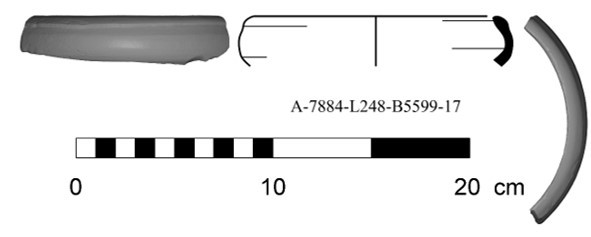
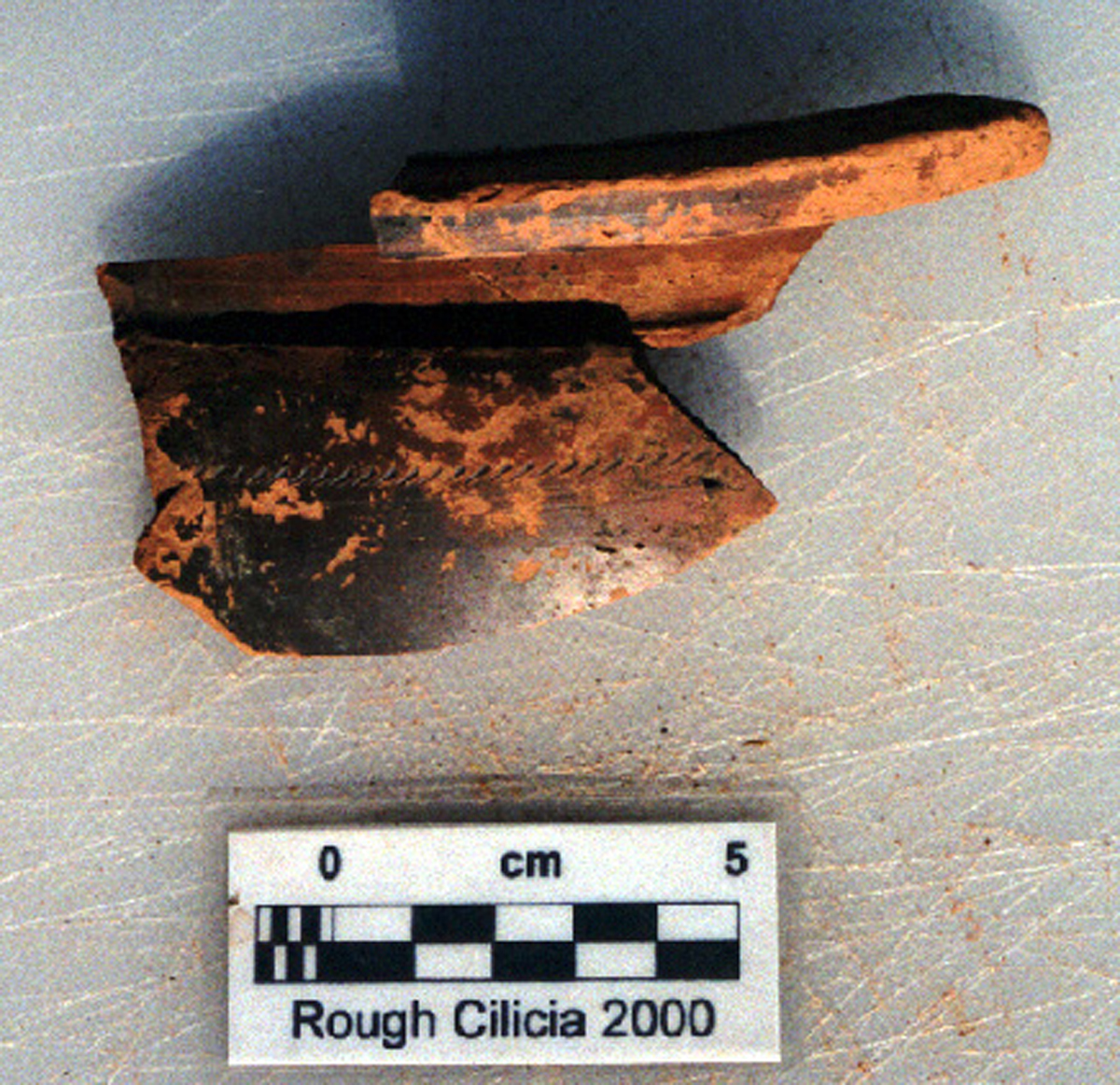
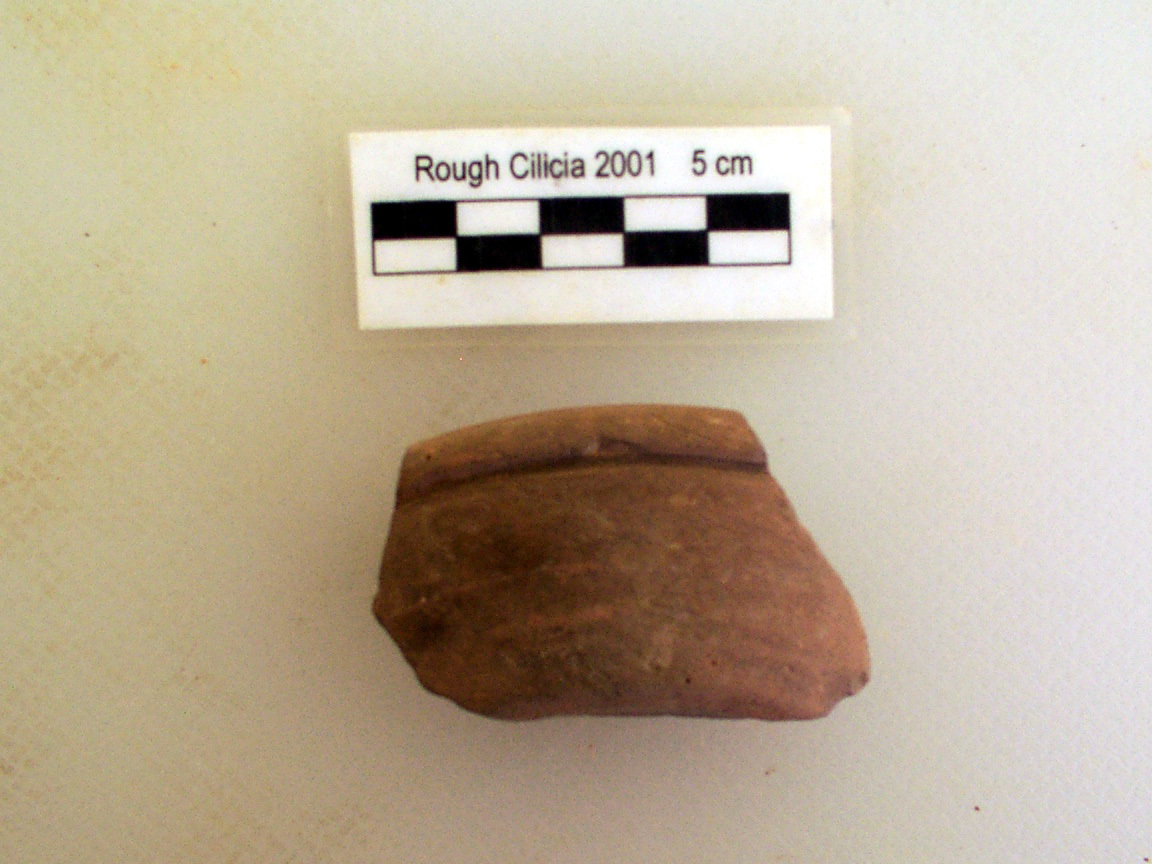
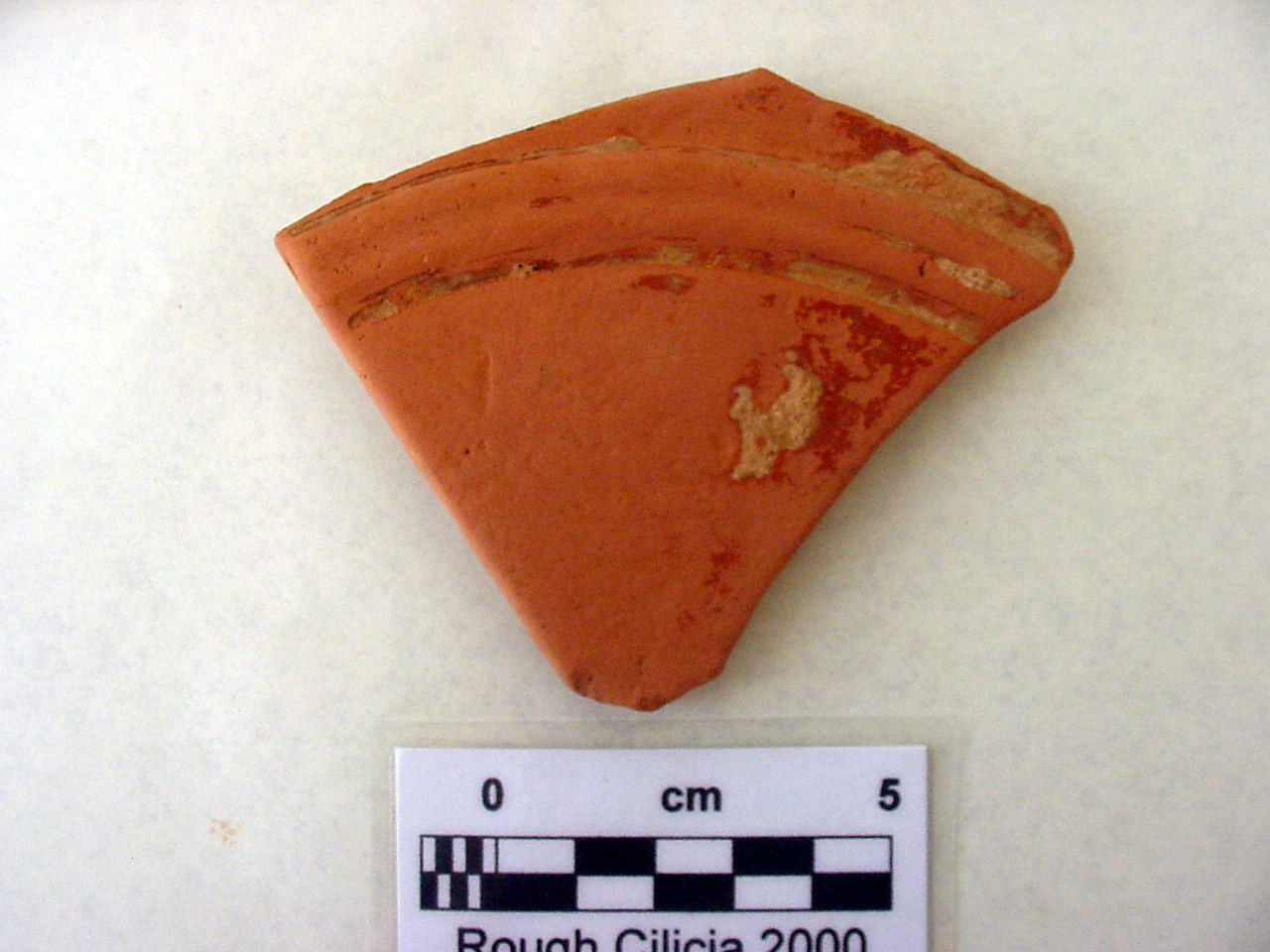
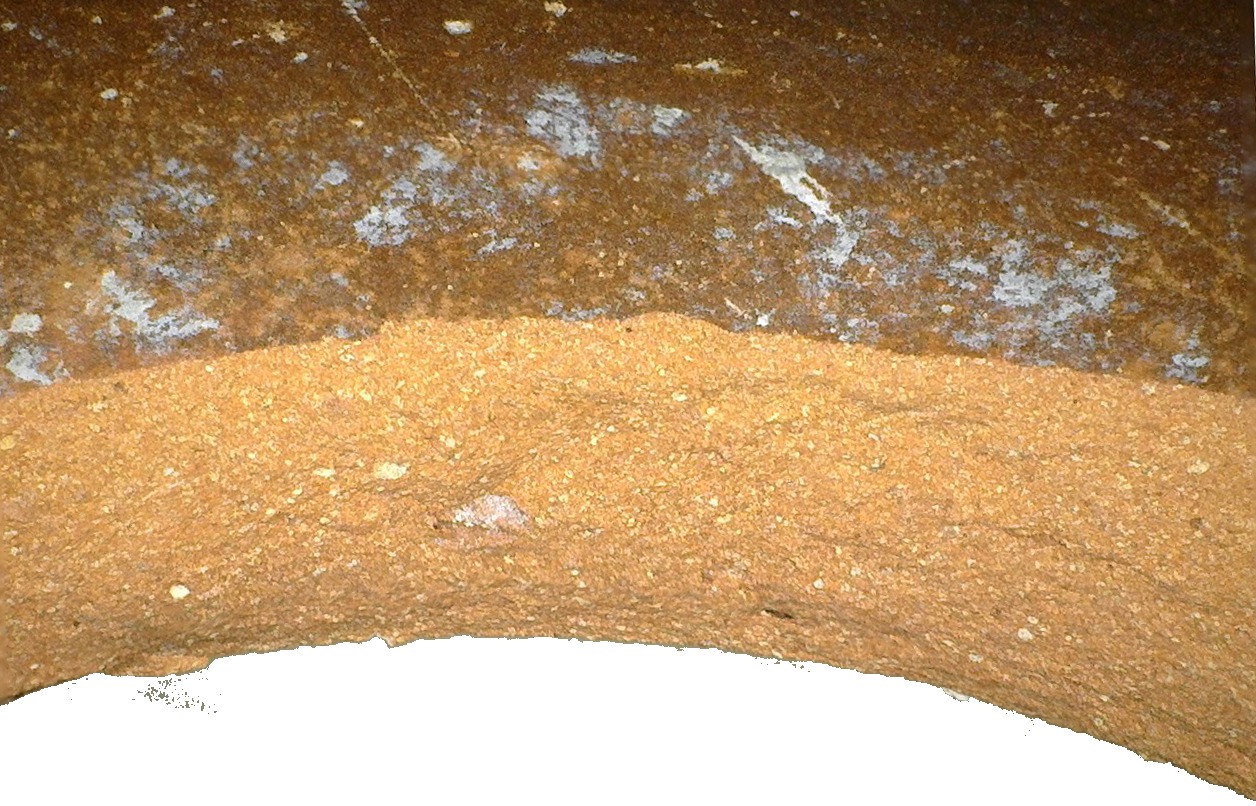
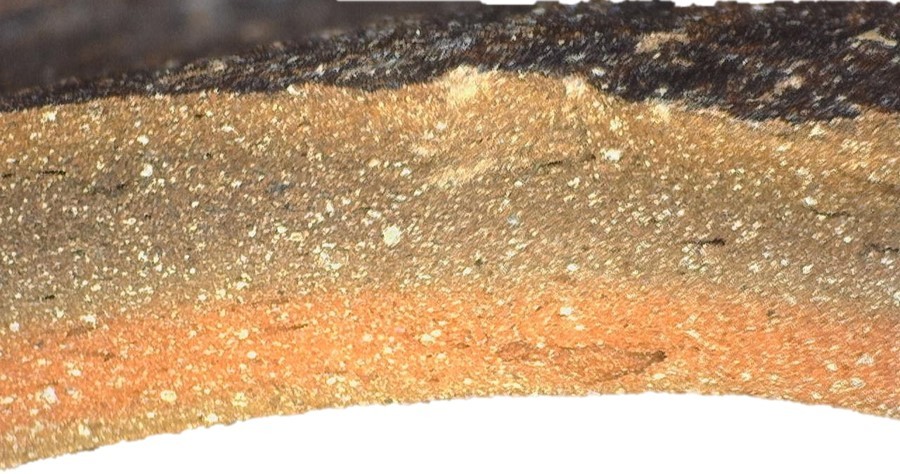
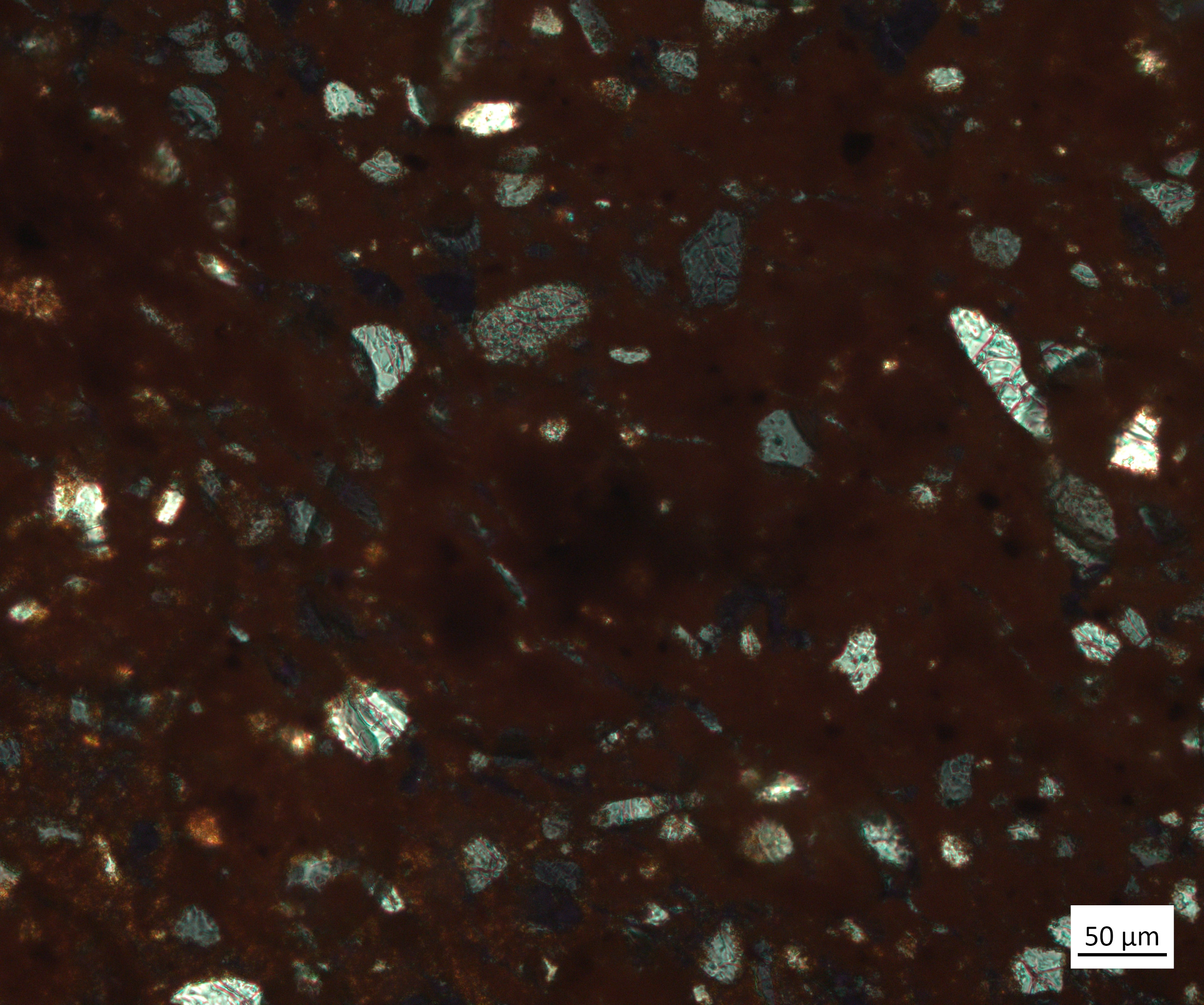
The biscuit is very hard, light red or reddish yellow (2.5-5YR 6/6), without visible inclusions except occasional lime. The thin red or reddish yellow slip (2.5YR 4/8-5YR 6/8) is either dull or has a metallic luster. A number of burned or misfired pieces were identified, and there is also more variation of color both on individual pieces and among sherds than usual in sigillata; low fired or burned pieces may be confused with pink ware. It is clear that firing was not as closely controlled as for ESA and Italian sigillata (Slane 1997, 375).
Paphos/Nea Paphos (Cyprus/Western South Coast)
Caesarea Maritima (Israel/Central Coastal Plain)
Qeren Naftali (Israel/Galilee)
Ramat HaNadiv, Horvat 'Eleq (Israel/Carmel Mountains)
Jerusalem, City of David/Ophel/Silwan (Israel-Palestinian Authority/Central Highlands)
Antiocheia ad Cragum (Turkey/Eastern Mediterranean)
Gocuk Asari (Turkey/Eastern Mediterranean)
Iotape (Turkey/Eastern Mediterranean)
Kestros (Turkey/Eastern Mediterranean)
Kir Ahmetler Mahalle (Turkey/Eastern Mediterranean)
Laertes (Turkey/Eastern Mediterranean)
Selinus (Turkey/Eastern Mediterranean)
Syedra (Turkey/Eastern Mediterranean)
