
Idumean Hellenistic chalk-flecked Semi-Fine Ware
Israel/Shephelah
3rd-2nd c. BCE
Hellenistic

Basins, jar, moratorium, and large jug of Idumean Hellenistic chalk-flecked semi-fine ware from Amazia

Table and small storage vessels of Idumean Hellenistic chalk-flecked semi-fine ware from Amazia
General Information
This ware is a product of a vibrant ceramic industry that arose in southern Idumea in the 3rd c. BCE. The region's major city and market center, Maresha/Marisa, was surrounded by a dense cluster of villages and rural farmsteads. These communities generated demand for ceramic vessels serving a range of utilitarian uses. Local potters met by this demand by producing a wide array of shapes, including vessels for table use, such as small bowls, table jugs, and kraters as well as vessels for practical household needs, including water pitchers, flasks and juglets, large bowls for mixing and grinding foodstuffs, and even large storage jars.
Idumean Hellenistic chalk-flecked semi-fine ware is a high-quality product. The fabric is clean, dense, and hard-fired. Vessels for table use are quite well-levigated; those for more utilitarian uses a bit less so. Surfaces are simply wet-smoothed and self-slipped, but without any additional exterior treatment or color. This is the chief distinction between this ware and its sister production, Idumean Hellenistic Slipped Fine Ware.
Many of the vessels produced in Idumean Hellenistic chalk-flecked semi-fine ware are identical or very similar to ones produced in other regional semi-fine (i.e., non-slipped) productions. These include Cilician Hellenistic Semi-Fine Ware, Phoenician Semi-Fine Ware, a product of the coastal region between Tyre and 'Akko, and Beth She'an Valley Hellenistic Semi-Fine Ware. All of these 'semi-fine' wares are a distinctive development of the Hellenistic period. During this time in the southern Levant, an integrated market network connected cities, towns, and rural estates on the coast and inland. That, along with a broad cultural turn towards the niceties of a Mediterranean-inflected lifestyle, led to the development of a middle class with time and interest in entertaining. Local potters served this new market via an eclectic array of vessels made of fine local clays.
In this region, the clays used for vessels of this ware may be associated with the petro-fabric identified on the LCP as Shephelah Ferruginous Clay with calcareous sand and quartz silt.
Very hard-fired, clean, dense fabric, ranging in color from dull light brown to bright medium brown or pink-brown. The fabric is marked by chalk inclusions. On vessels that are smaller and thinner-walled, the inclusions are generally smaller, and usually appear breaking out on the surface but less often in section. On vessels that are larger and/or thicker-walled, the chalk bits are also often more sizable and appear on the surfaces as well as in the section. The fabric is smooth to the touch, with a slight powdery feel.
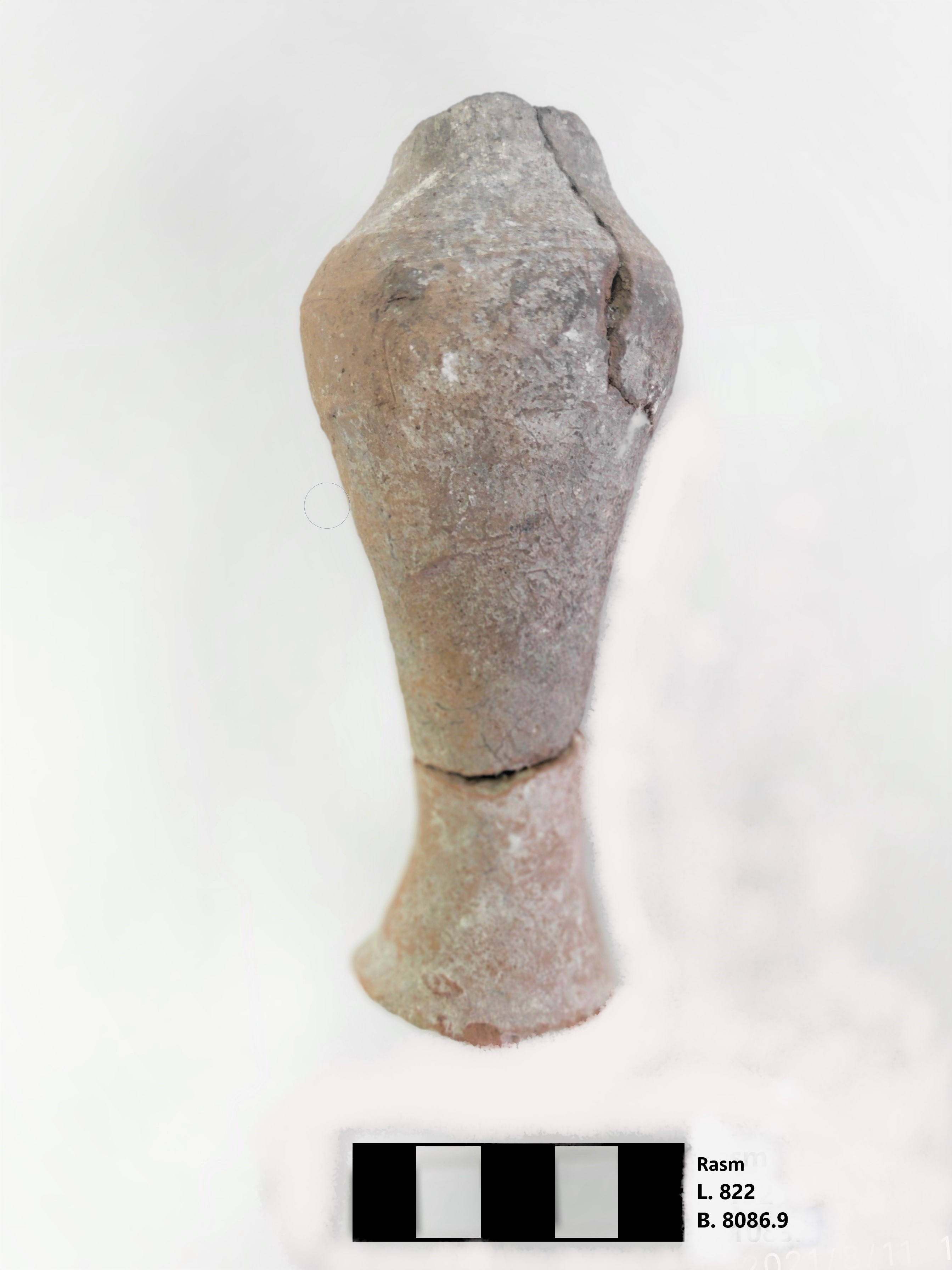
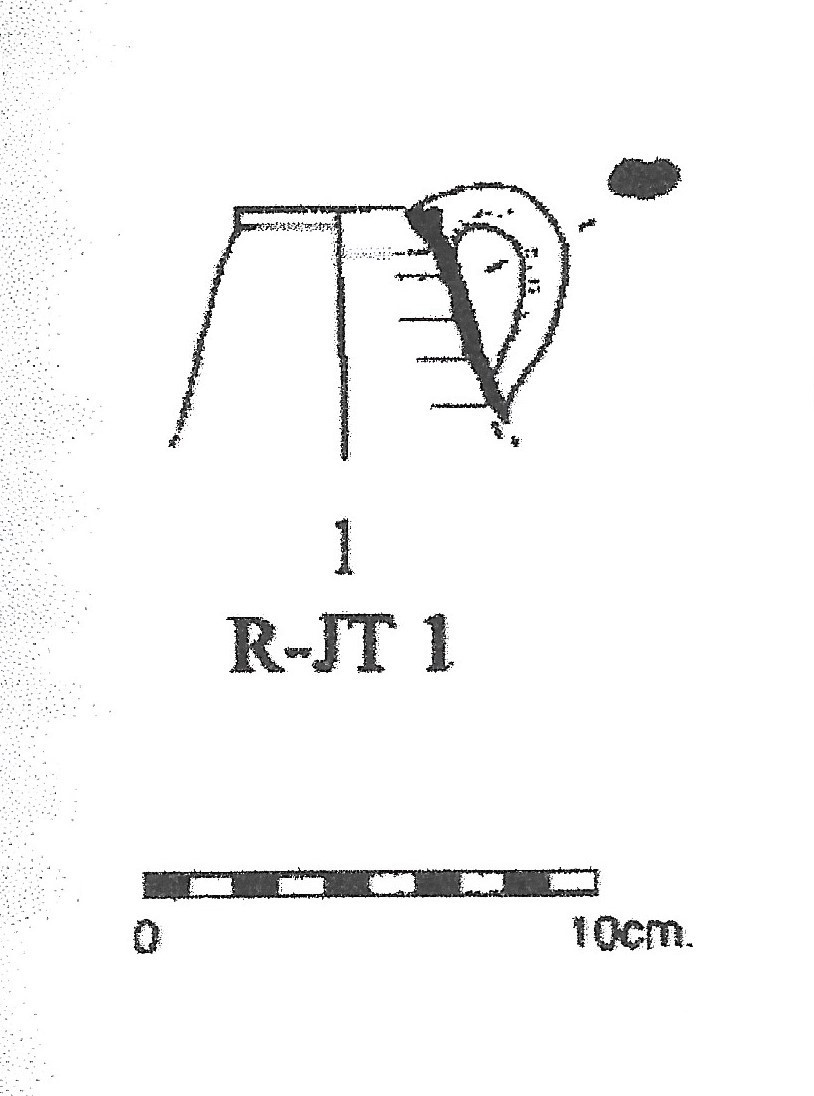
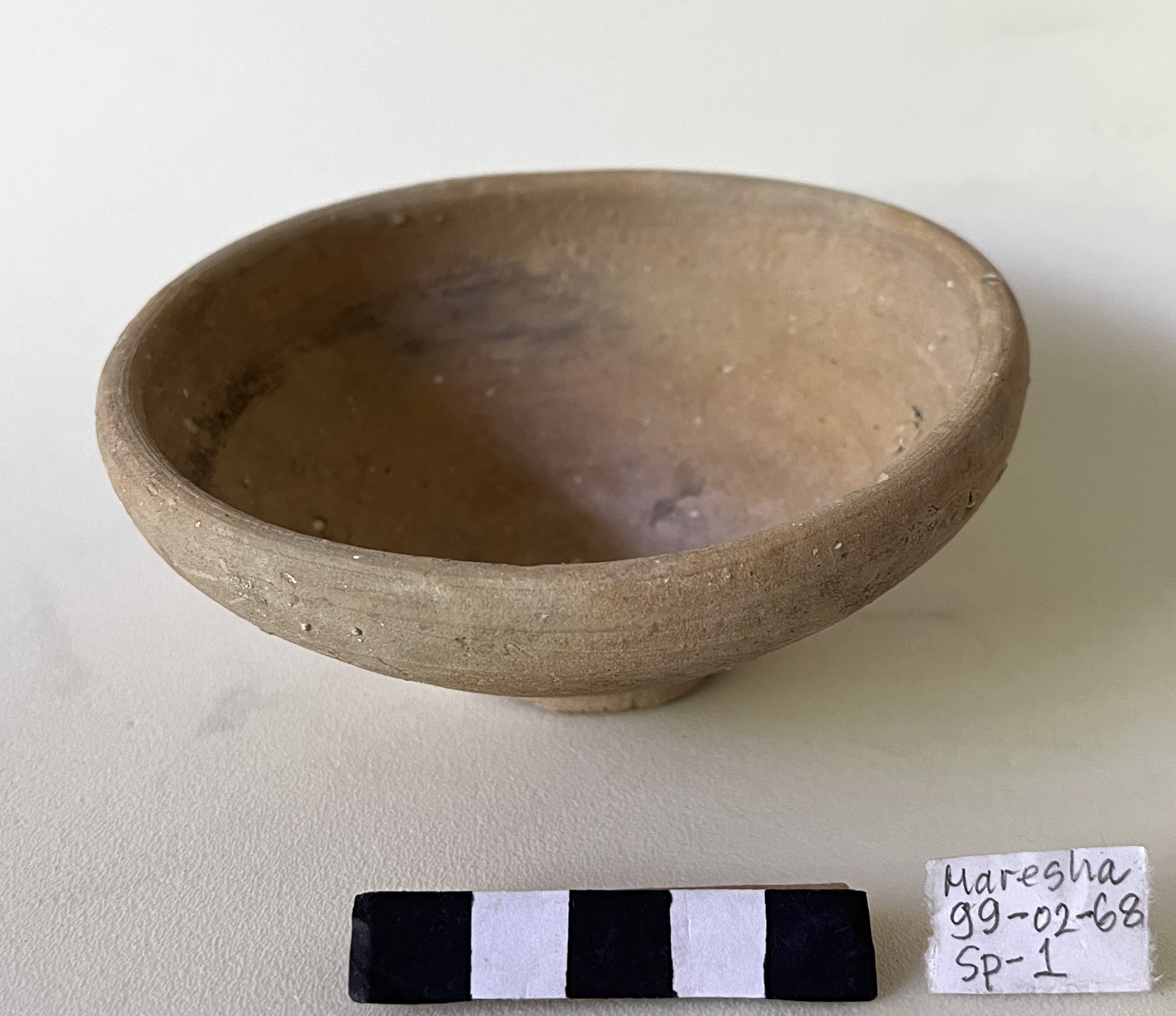
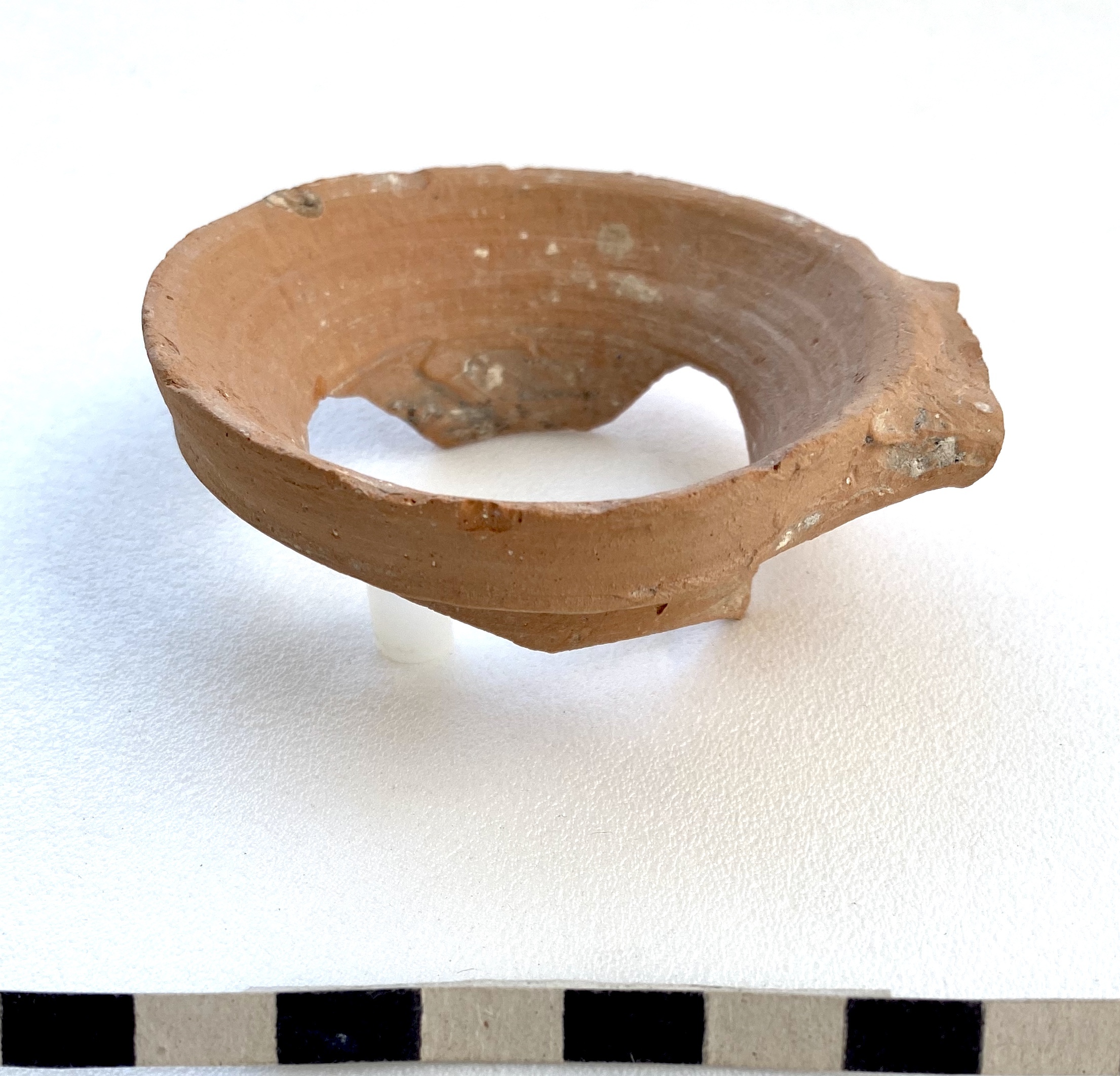
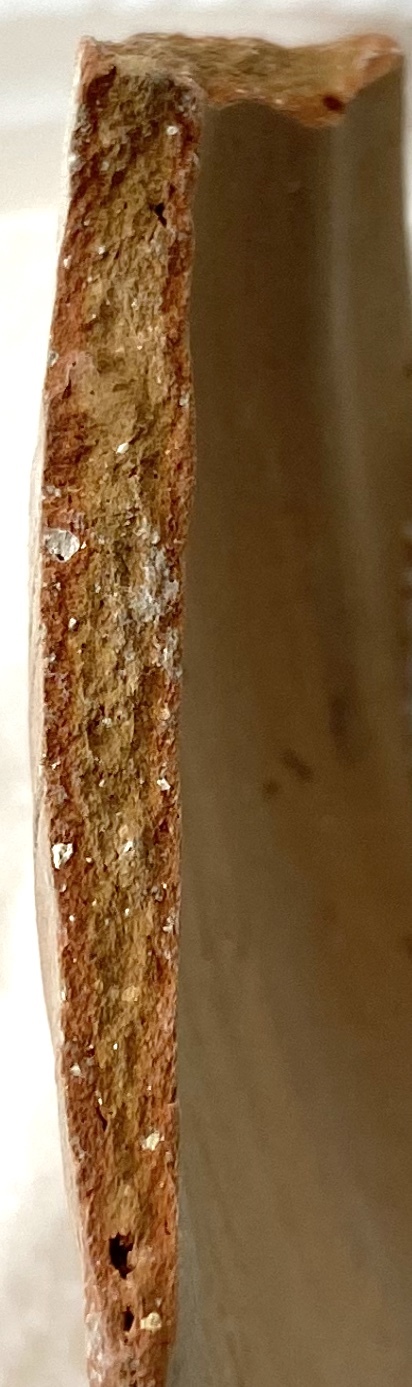
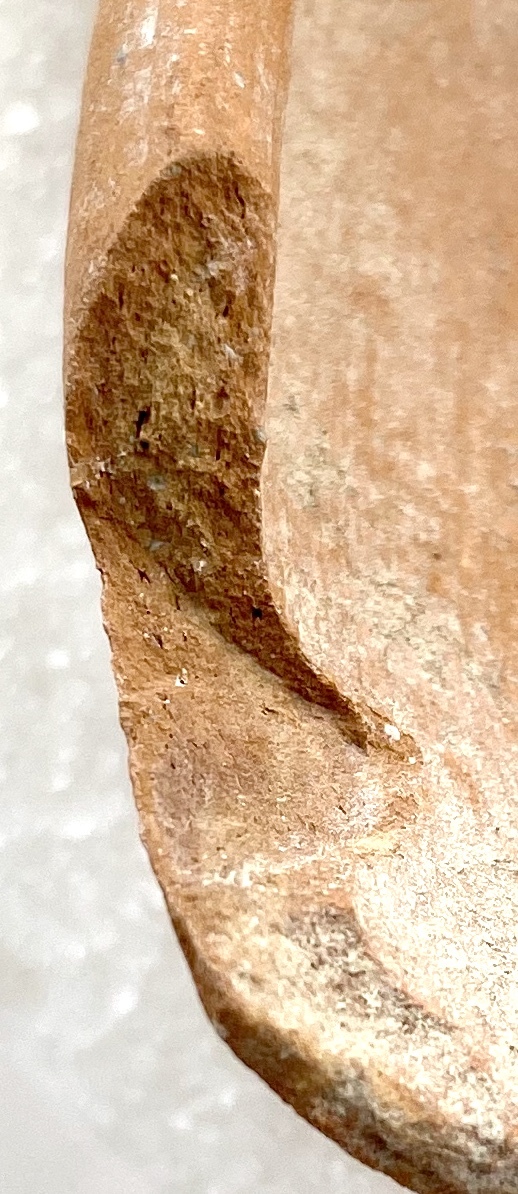
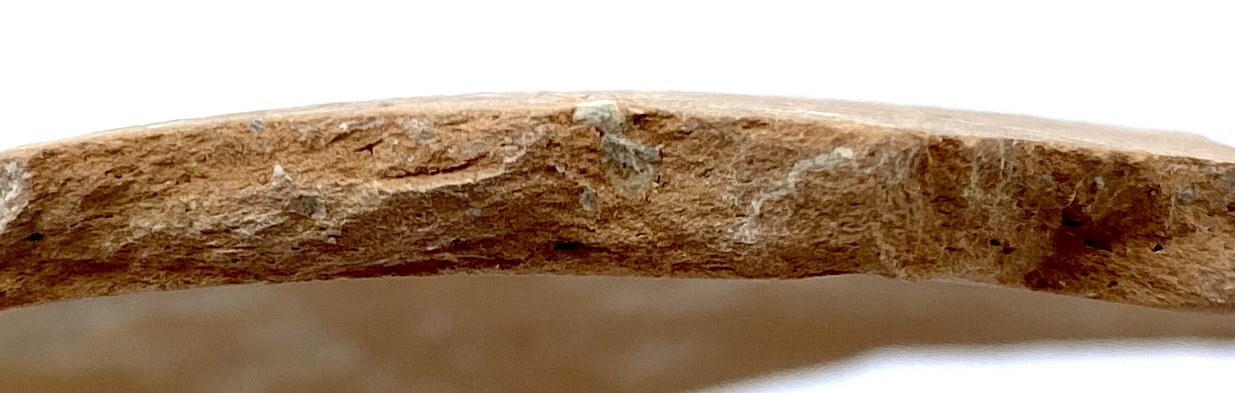
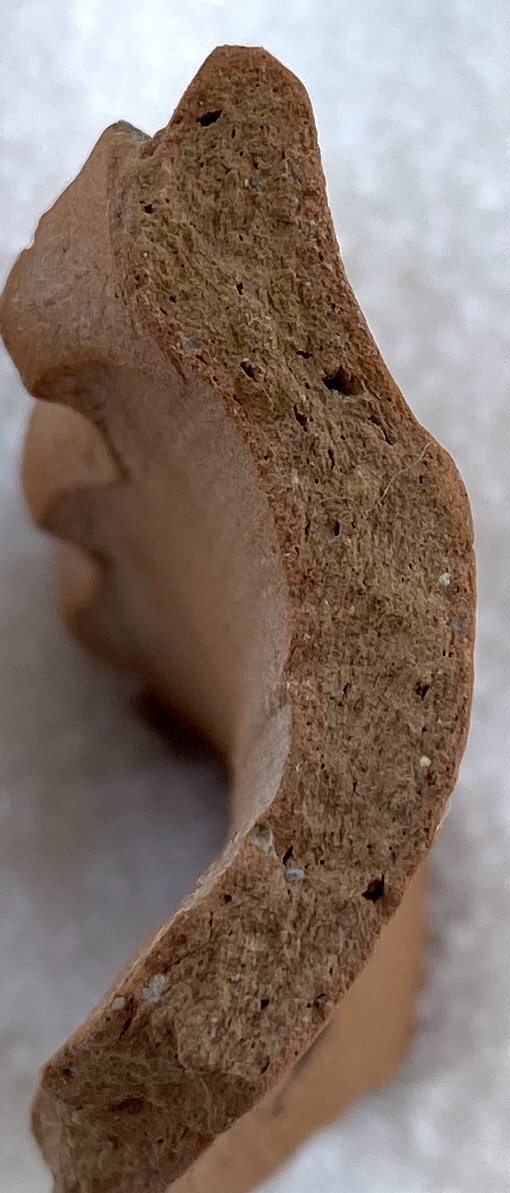
Amazia (Israel/Shephelah)
Khirbet el-Rai (Arai) (Israel/Shephelah)
Khirbet er-Rasm (Israel/Shephelah)
Maresha/Marisa (Israel/Shephelah)
Mazor (Israel/Central Coastal Plain)
