
Idumean Hellenistic Slipped Fine Ware
Israel/Shephelah
3rd-2nd c. BCE
Early Hellenistic, Middle Hellenistic

Idumean Hellenistic Slipped Fine Ware from Amuda (Tal Rogovski photograph)

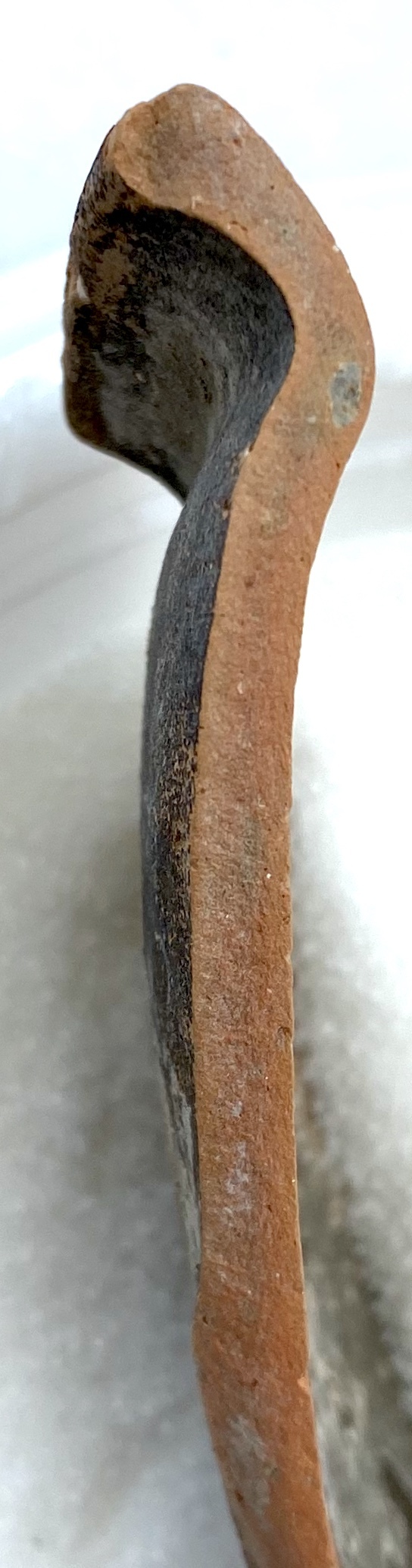
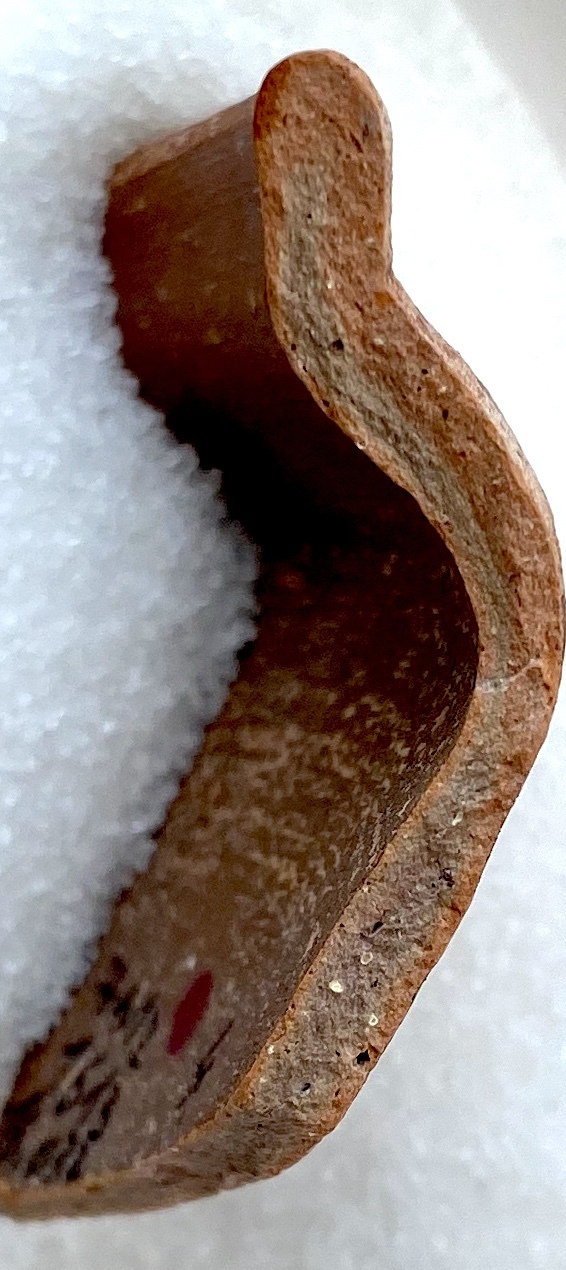
Idumean Slipped fine ware from Amazia
General Information
This ware is a product of a vibrant ceramic industry that arose in northern Idumea in the 3rd c. BCE. The region's major city and market center, Maresha/Marisa, was surrounded by a dense cluster of villages and rural farmsteads. These communities generated a high demand for fine table vessels, which local potters met by the production of a wide array of shapes, including vessels for individual eating and drinking, table service, and personal toilette.
Idumean Hellenistic Slipped Fine Ware is yet another version of the many regional slipped tableware productions in the eastern Mediterranean in the 3rd and 2nd centuries BCE. It is contemporary with Cilician Hellenistic Slipped Fine Ware, Cypriot Hellenistic Red Slip Ware, Southern Phoenician Hellenistic Red Slip Ware, and Southern Coastal Plain Hellenistic Red Slip Ware. Notably, the range of shapes produced in Southern Idumea is much broader than in most of these other locales. This is probably due to several reasons: strong demand from a large, Mediterranean-oriented society with cosmopolitan tastes; local clays that made excellent potting fabric, able to produce thin-walled, hard-fired vessels whose surfaces could hold a slip; and finally a location somewhat inland, thus increasing the cost of overland transport of imported tablewares. Taken together, these factors led to the development of a large, busy, and vibrant group of pottery workshops whose output supplied a wide swath of territory between the southern coastal plain and the southern Judean hills.
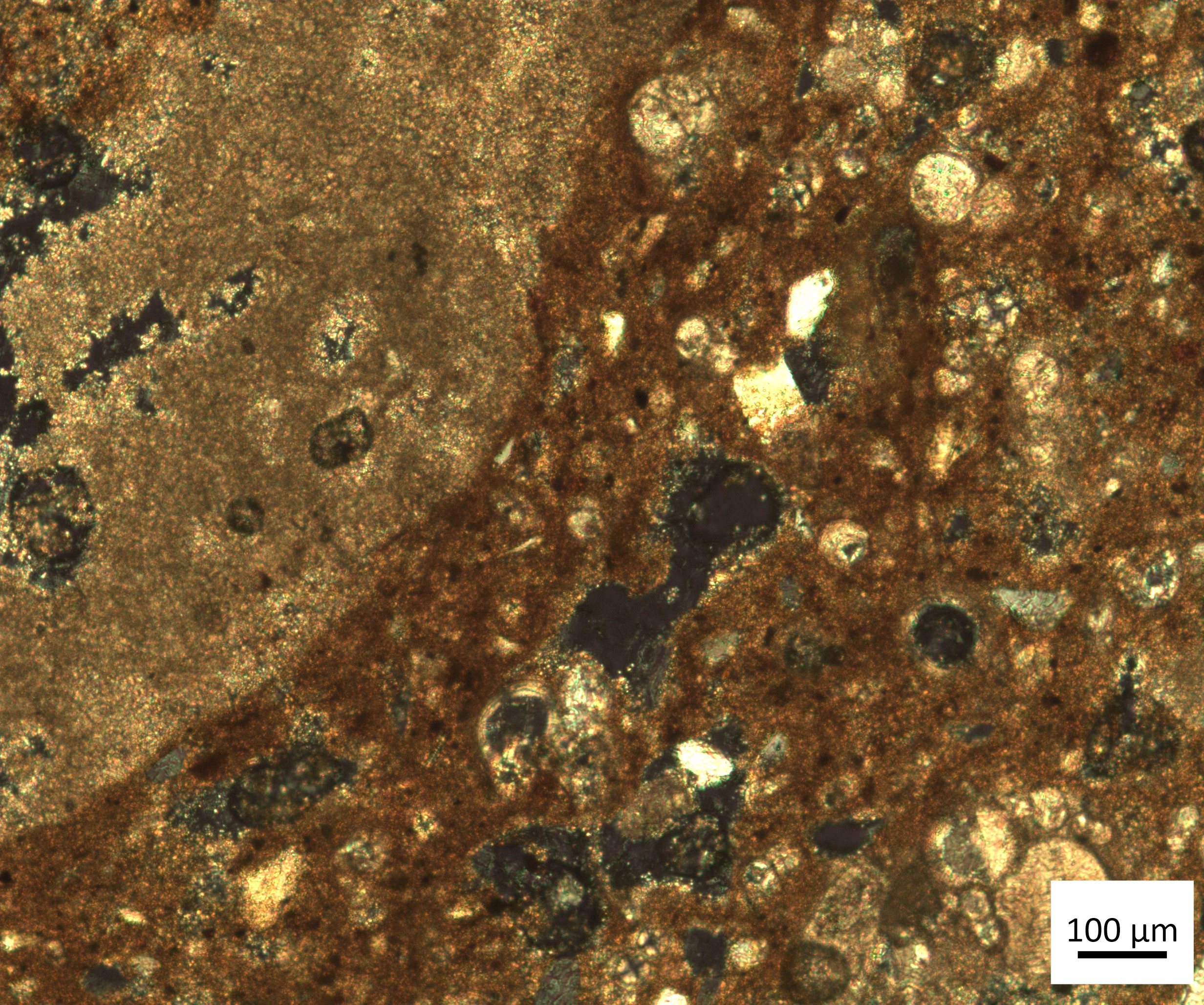
Potters used different clay sources to produce these vessels. Petrographic tested samples from Khirbet er-Rasm associate this ware Israel/Central Highlands/Moza marl/silt-size dolomite crystals, with Israel/Central Highlands/Moza clayand may also be associated with the petro-fabric identified on the LCP as Shephelah Ferruginous Clay with calcareous sand and quartz silt.
Even though the clay source is rather far (9-12 km from the area) these clays were preferred by the potters from several areas because of their elasticity feature.
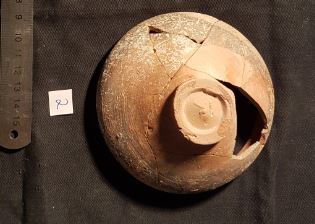
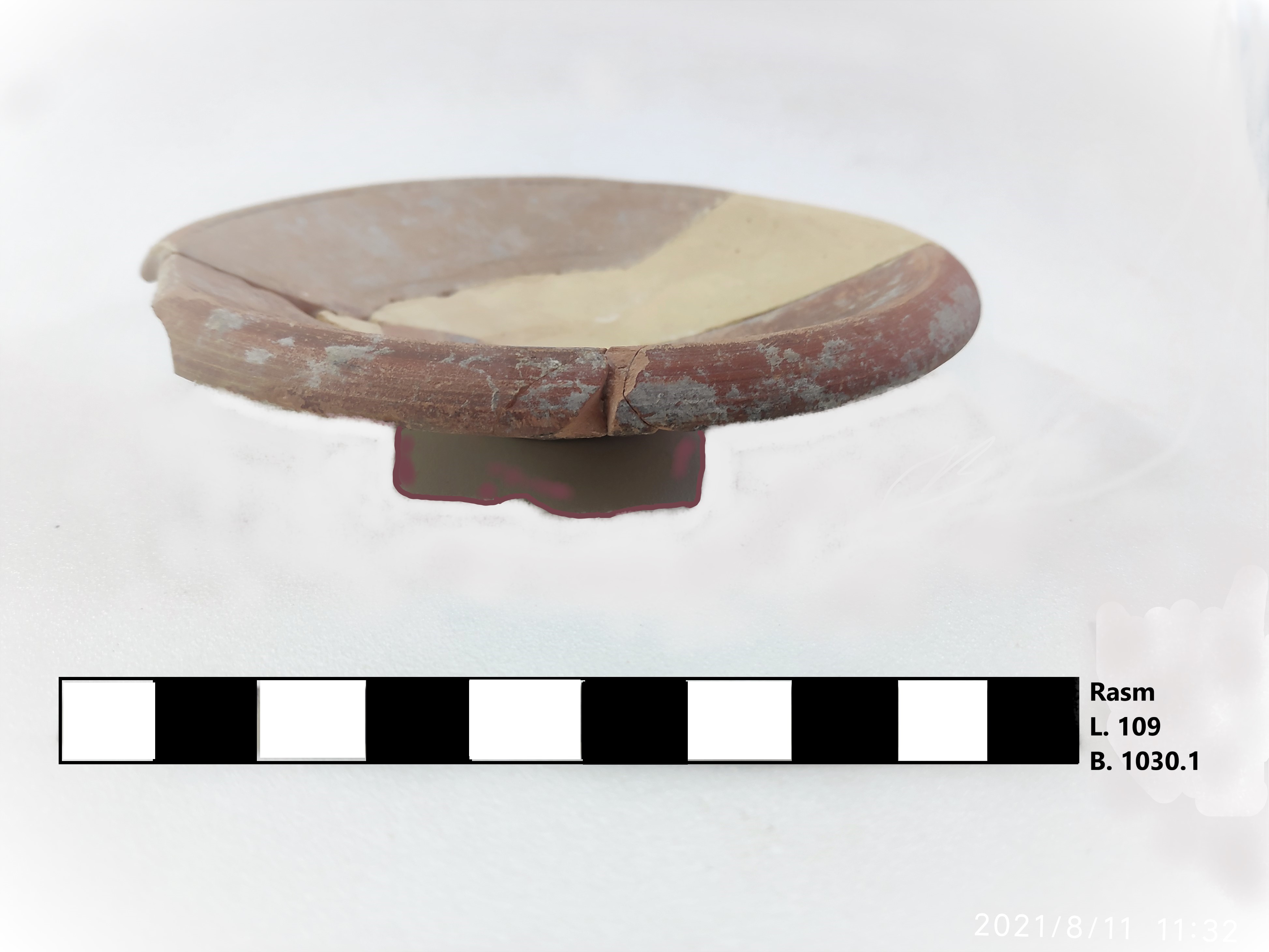
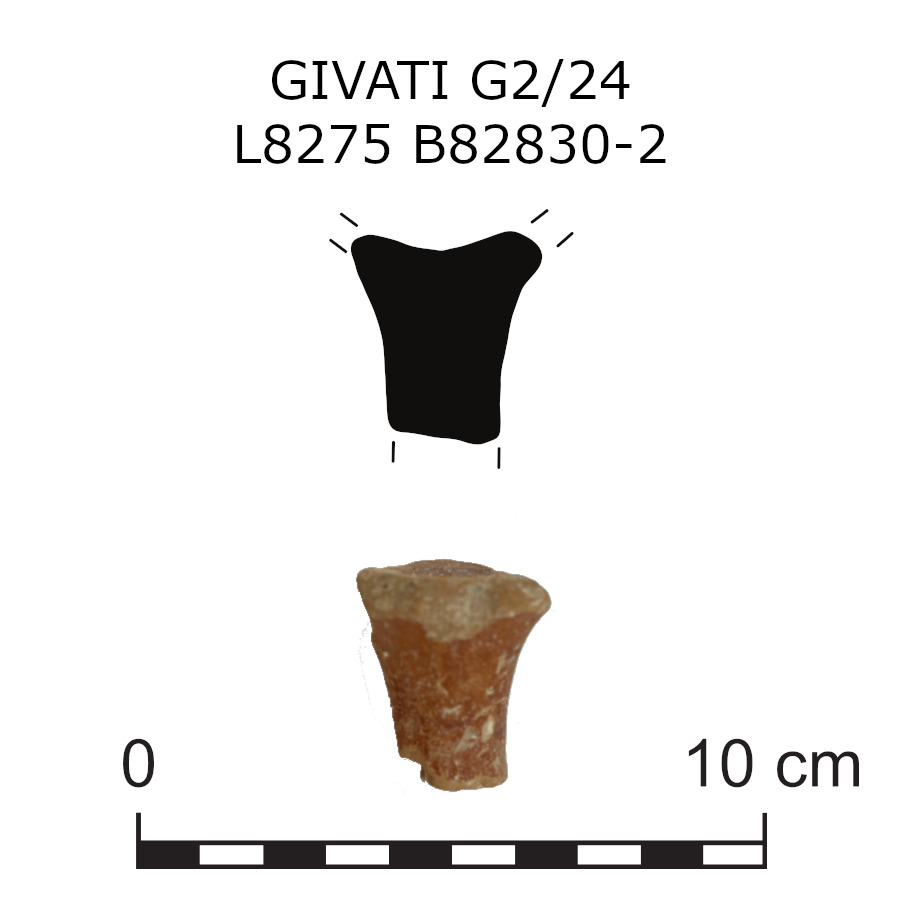
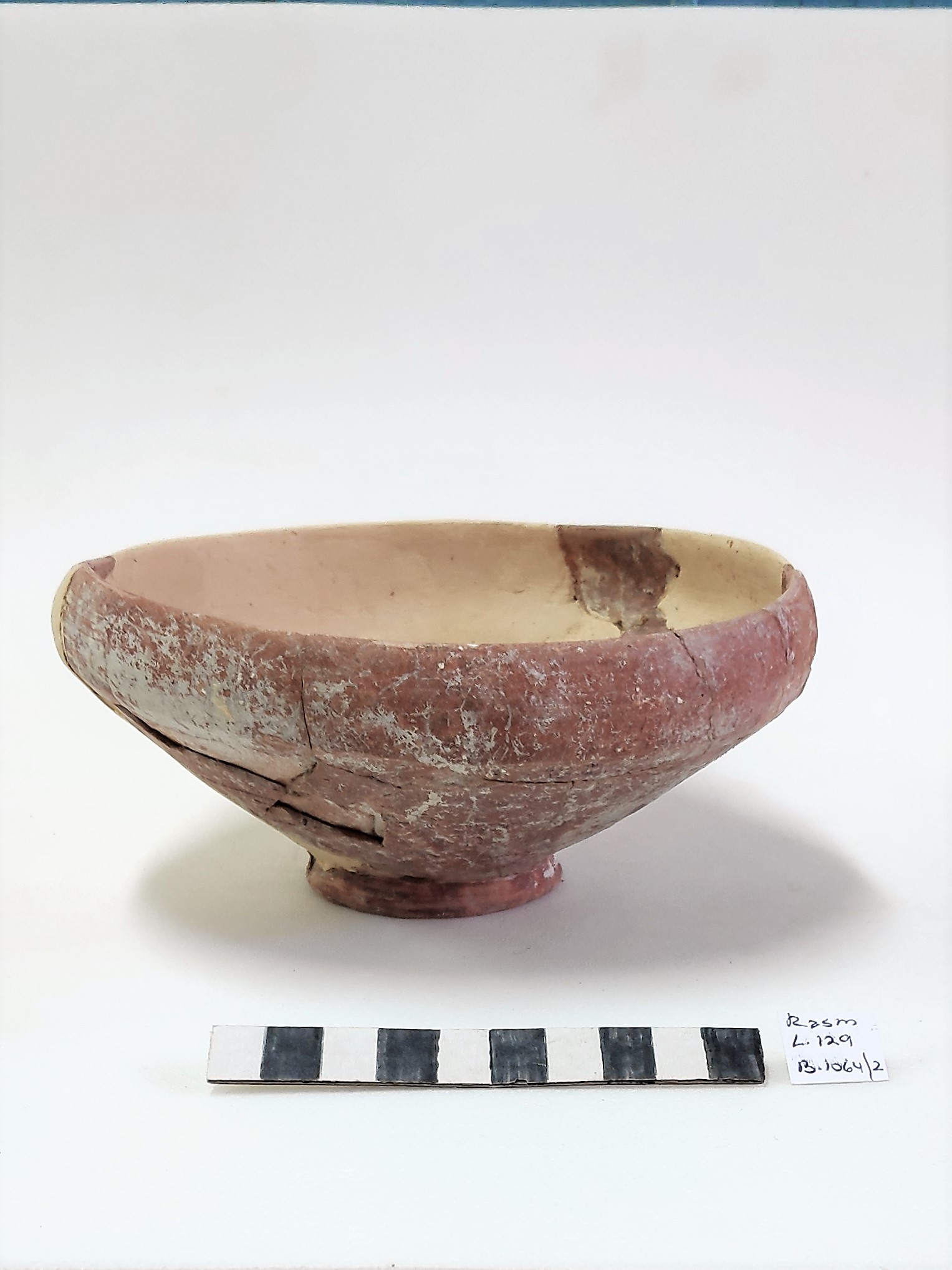
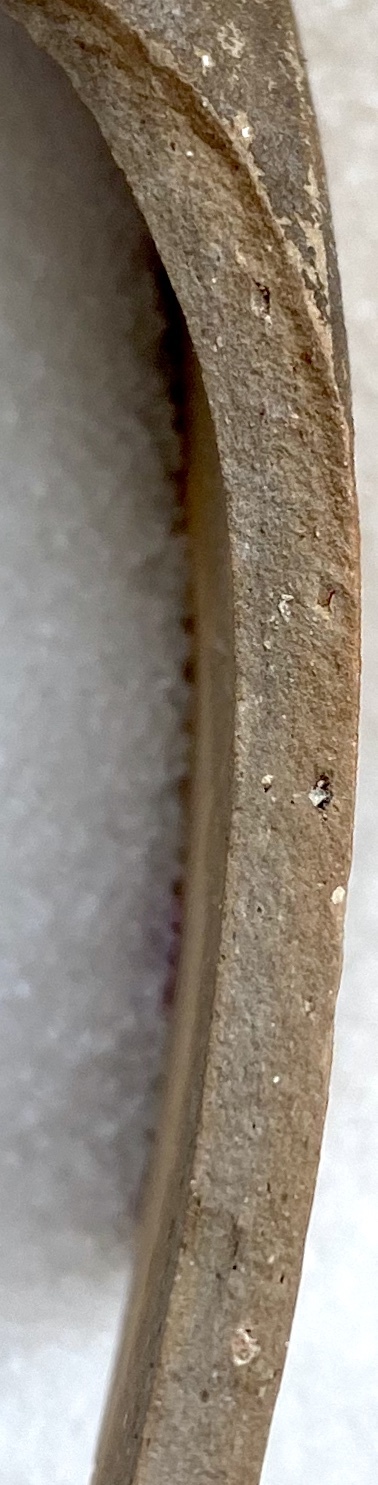
Very hard-fired, clean, dense fabric, ranging in color from dull pink-brown to bright pink-brown. A thin, matte slip was applied on both interior and exterior surfaces, and fired variously black, grey, brown, and brownish-red. The fabric is very well levigated, marked occasionally by fine and small white chalk inclusions that tend to show up as small spalls on the surface, although they are rarely visible in the section. The fabric is smooth to the touch, with a very slight powdery feel.

Amazia (Israel/Shephelah)
Horvat Amuda (Israel/Shephelah)
Khirbet er-Rasm (Israel/Shephelah)
Mazor (Israel/Central Coastal Plain)
Jerusalem, City of David/Ophel/Silwan (Israel-Palestinian Authority/Central Highlands)
