
Cilician Hellenistic Semi-Fine ware
Turkey/Eastern Mediterranean
3rd - 2nd century BCE
Hellenistic
General Information
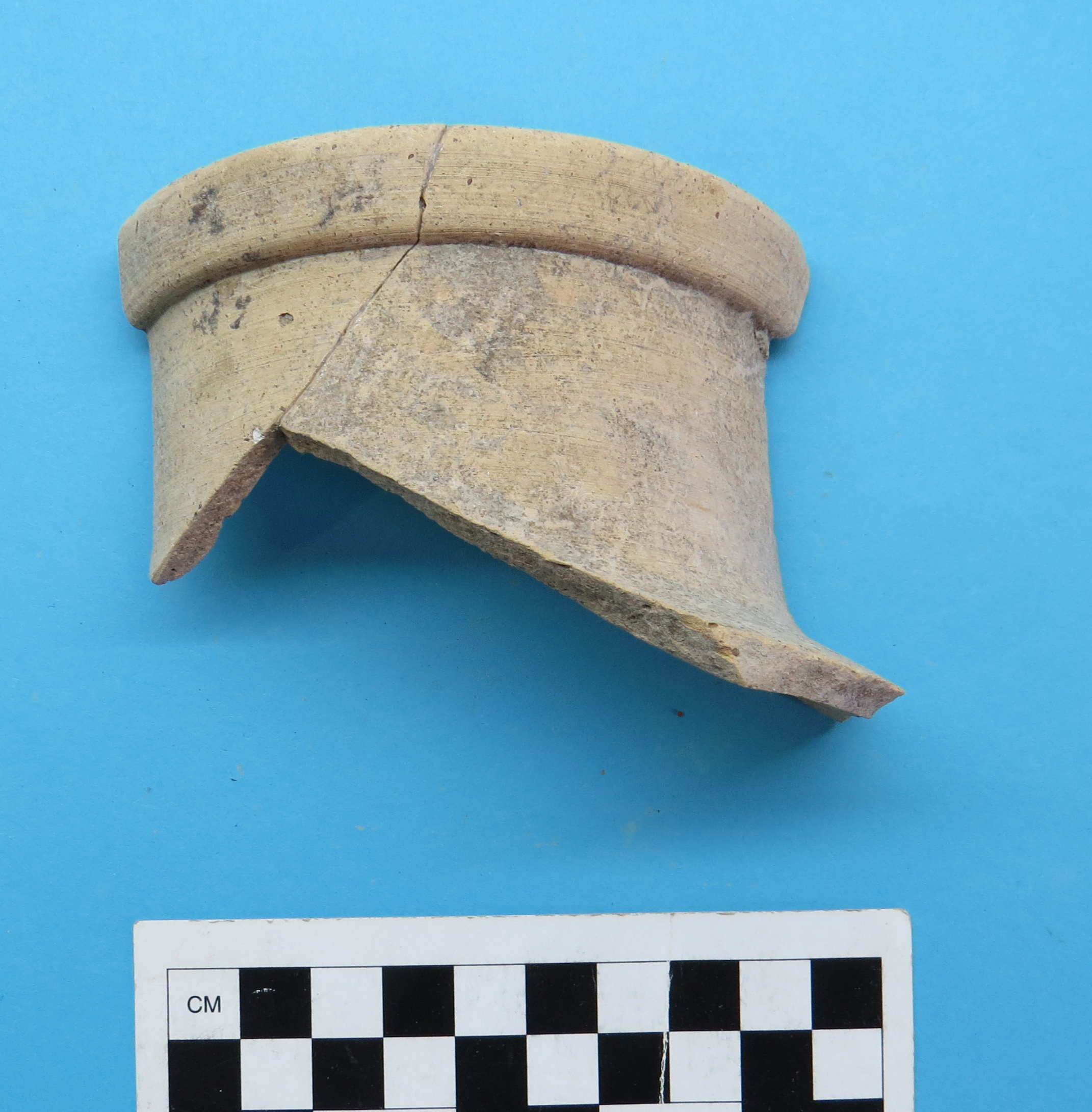
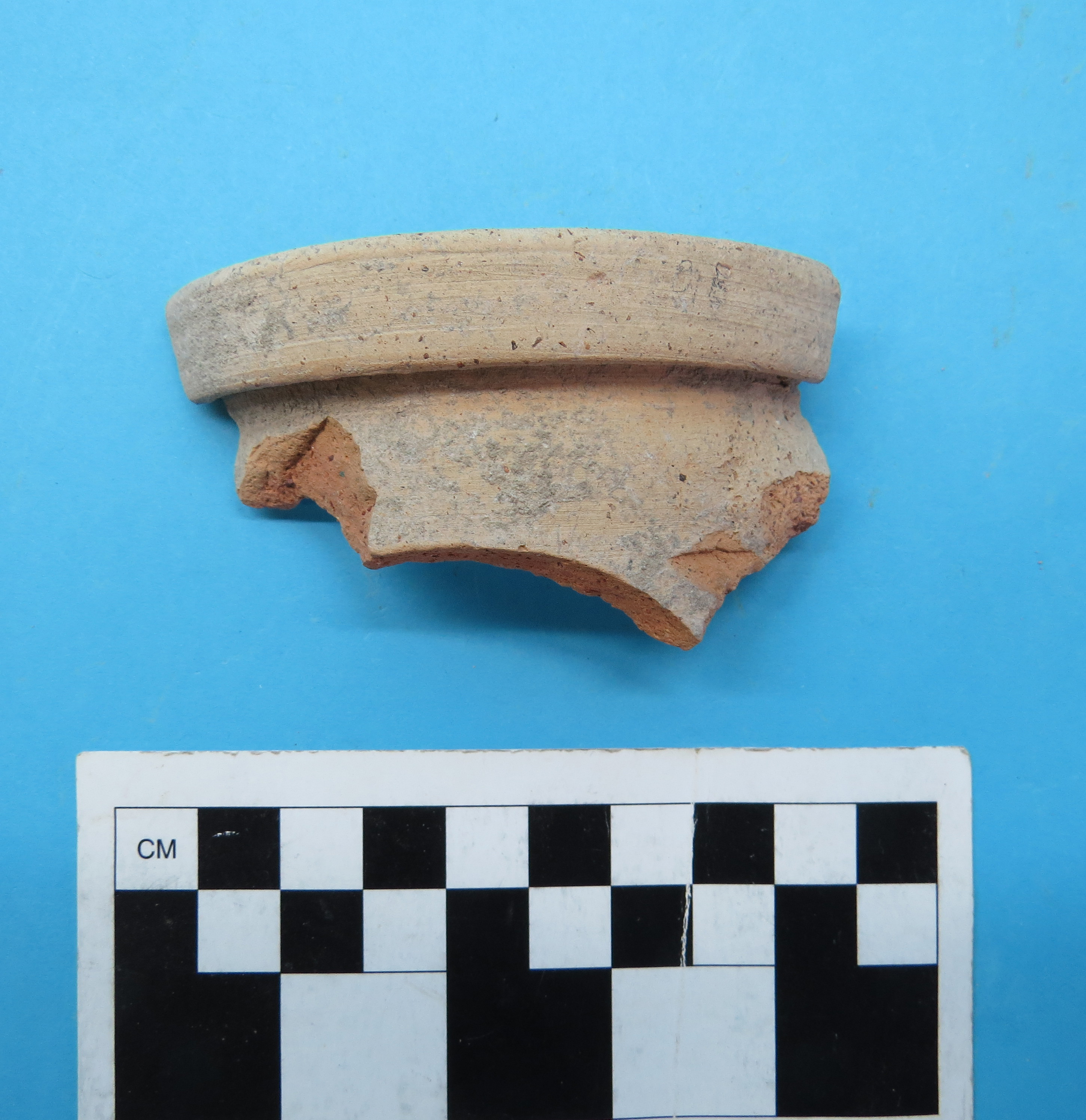
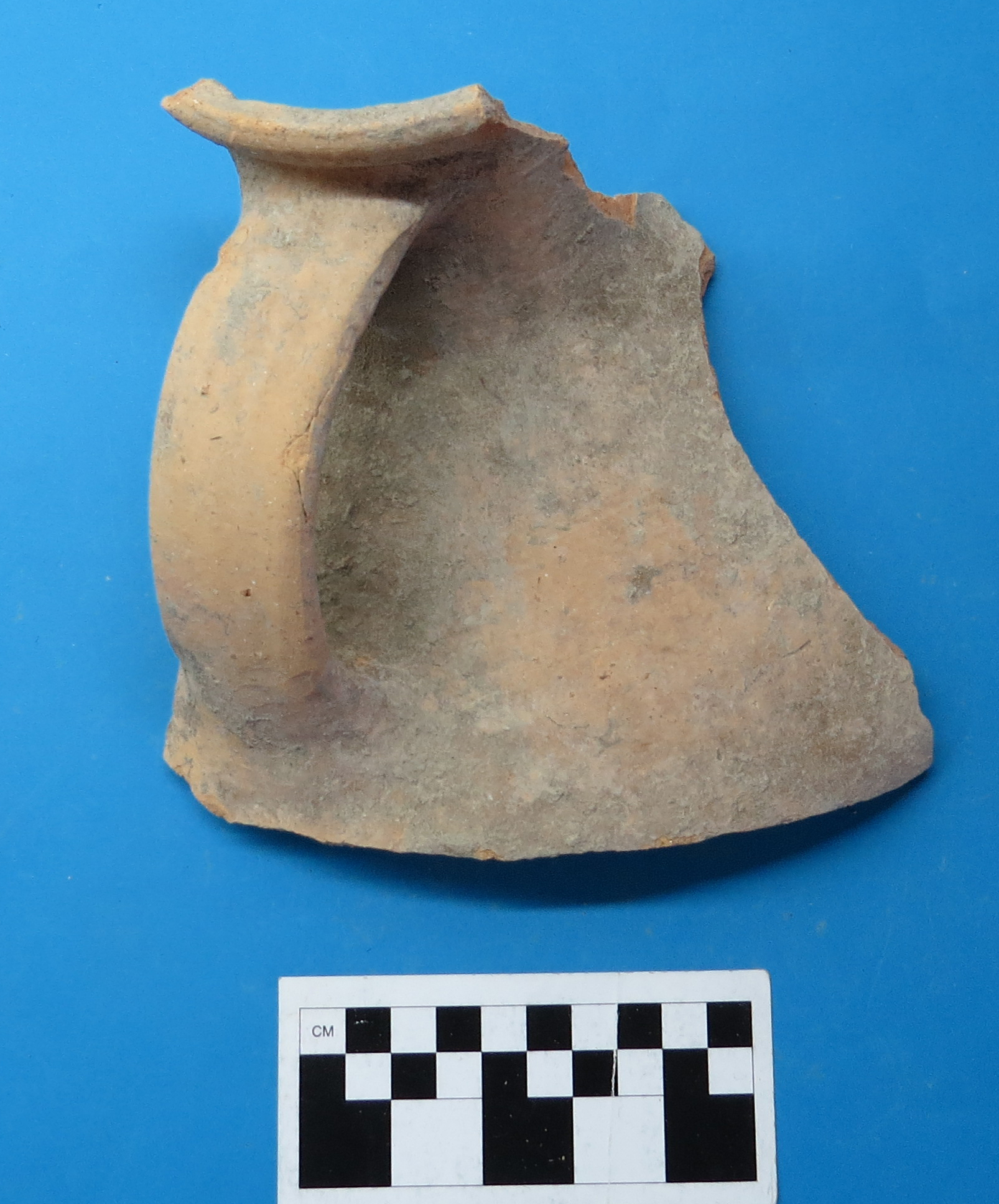
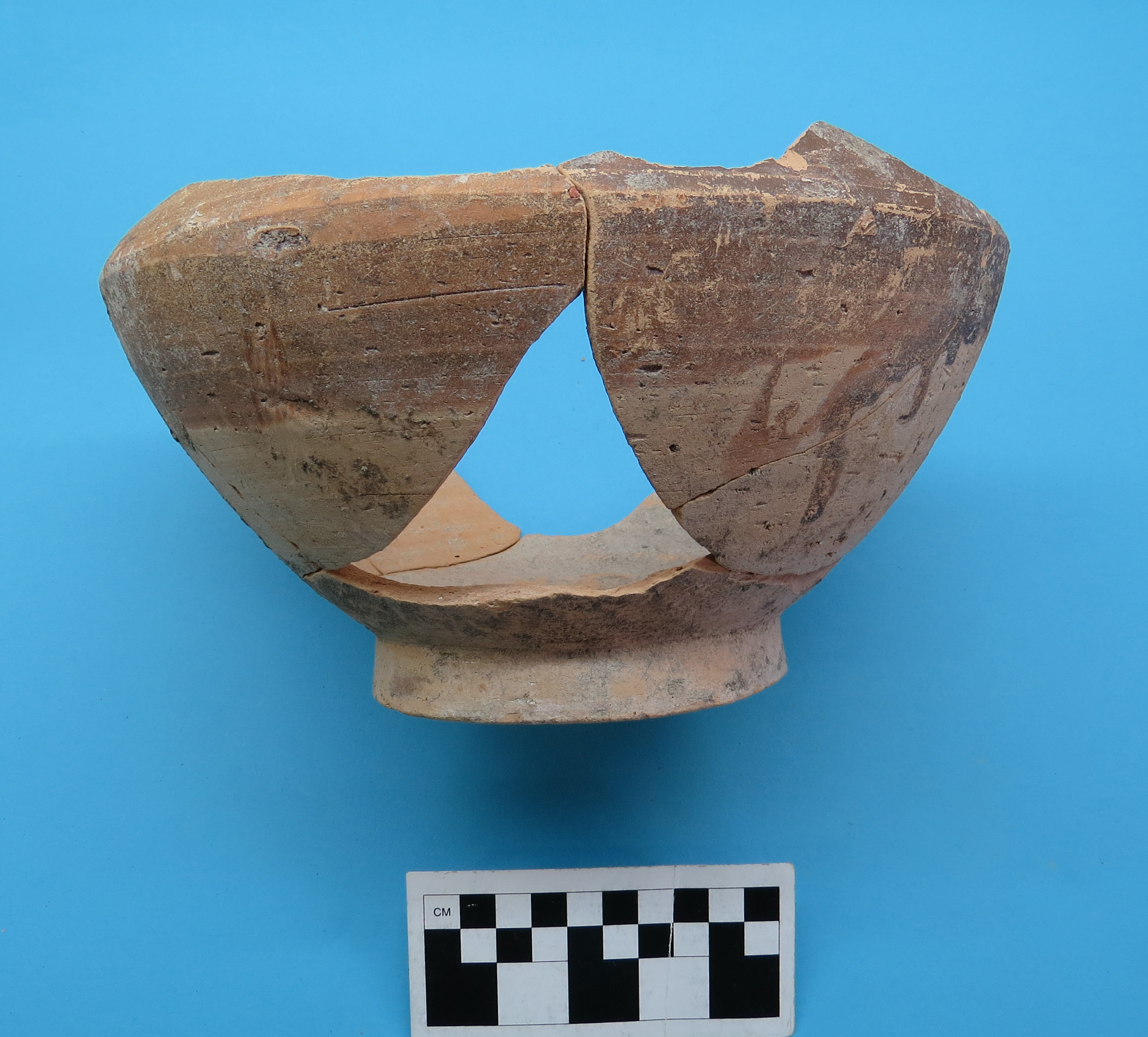
Cilician Semi-Fine ware was used to manufacture service, utility, and perfume vessels in the Hellenistic Period in coastal Cilicia. It is common at Kinet Höyük, especially in 2nd century BCE contexts. This ware is part of a wide tradition in the Hellenistic period along the Levantine coast of mostly undecorated pale wares used to make a broad range of vessels. Other similar productions include Phoenician Semi-Fine Ware, a product of the coastal region between Tyre and 'Akko, Beth She'an Valley Hellenistic Semi-Fine Ware, and Idumean Hellenistic chalk-flecked Semi-Fine Ware.
These 'semi-fine' wares are a distinctive development of the Hellenistic period. During this time in the Levant, an integrated market network connected cities, towns, and rural estates on the coast and inland. That, along with a broad cultural turn towards the niceties of a Mediterranean-inflected lifestyle, led to the development of a middle class with time and interest in entertaining. Local potters served this new market via an eclectic array of vessels made of fine local clays.
The fabric of Cilician semi fine ware is moderately hard with a semi fine texture and a moderate quantity of small to medium white, red, and black inclusions. Vessels are typically fired from light yellow brown (10YR 8/3) to pink (7.5YR 7/6) in color, often with a lighter surface and fuzzy darker core. Wall thickness usually ranged from 0.4-1 cm, although smaller vessels have walls as thin as 0.3 cm. Potters produced a wide range of small to medium sized vessels, especially closed shaped like unguentaria, jugs, and table amphoras, but also including kraters from time to time. While the fabric has a similar range of color to both Cilician fine wares and Cilician coarse ware of the Hellenistic Period, it is differentiated by being coarser in texture and having more and (often) larger inclusions than Cilician fine ware vessels and fewer and (often) smaller inclusions than vessels in Cilician coarse ware.
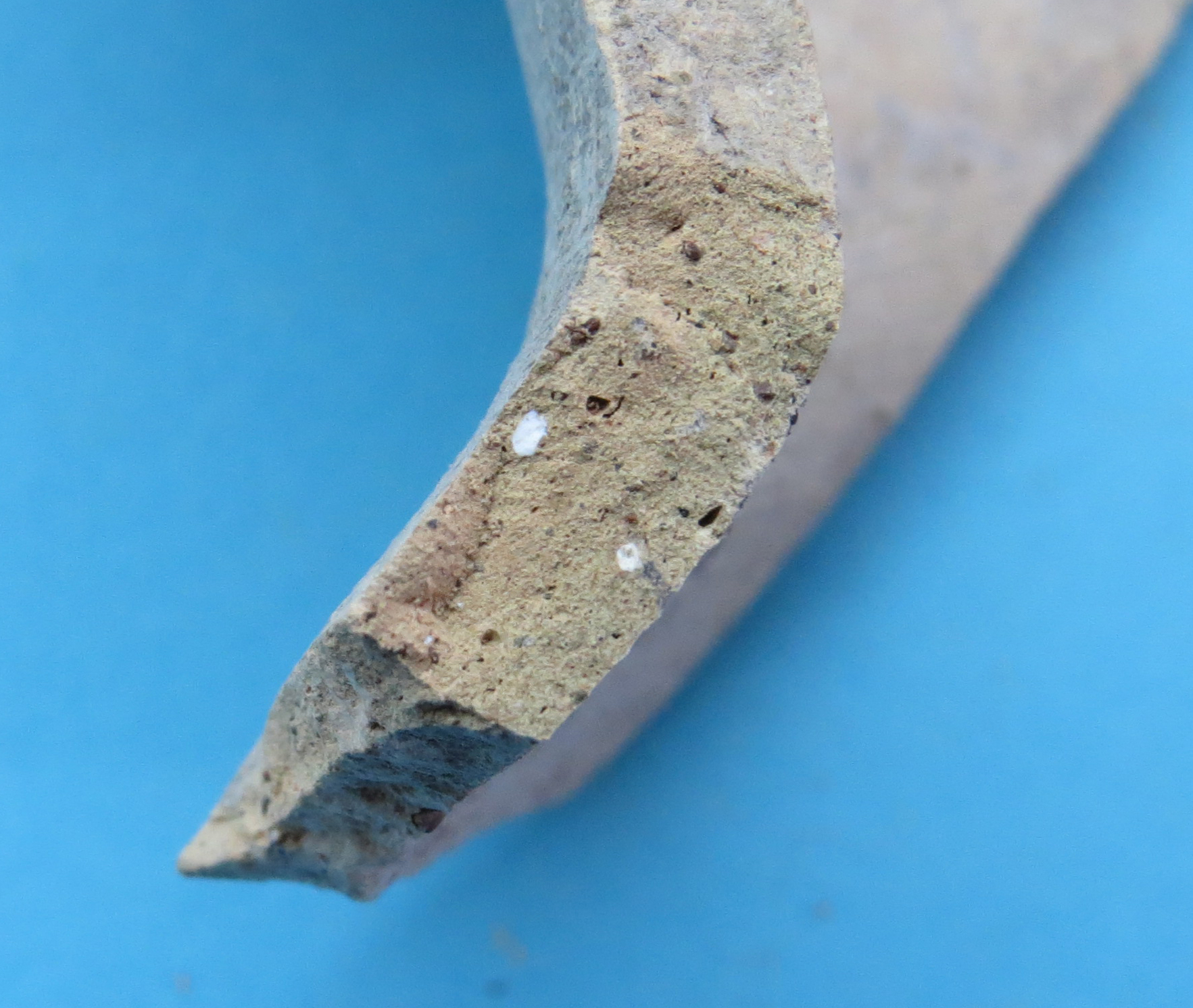
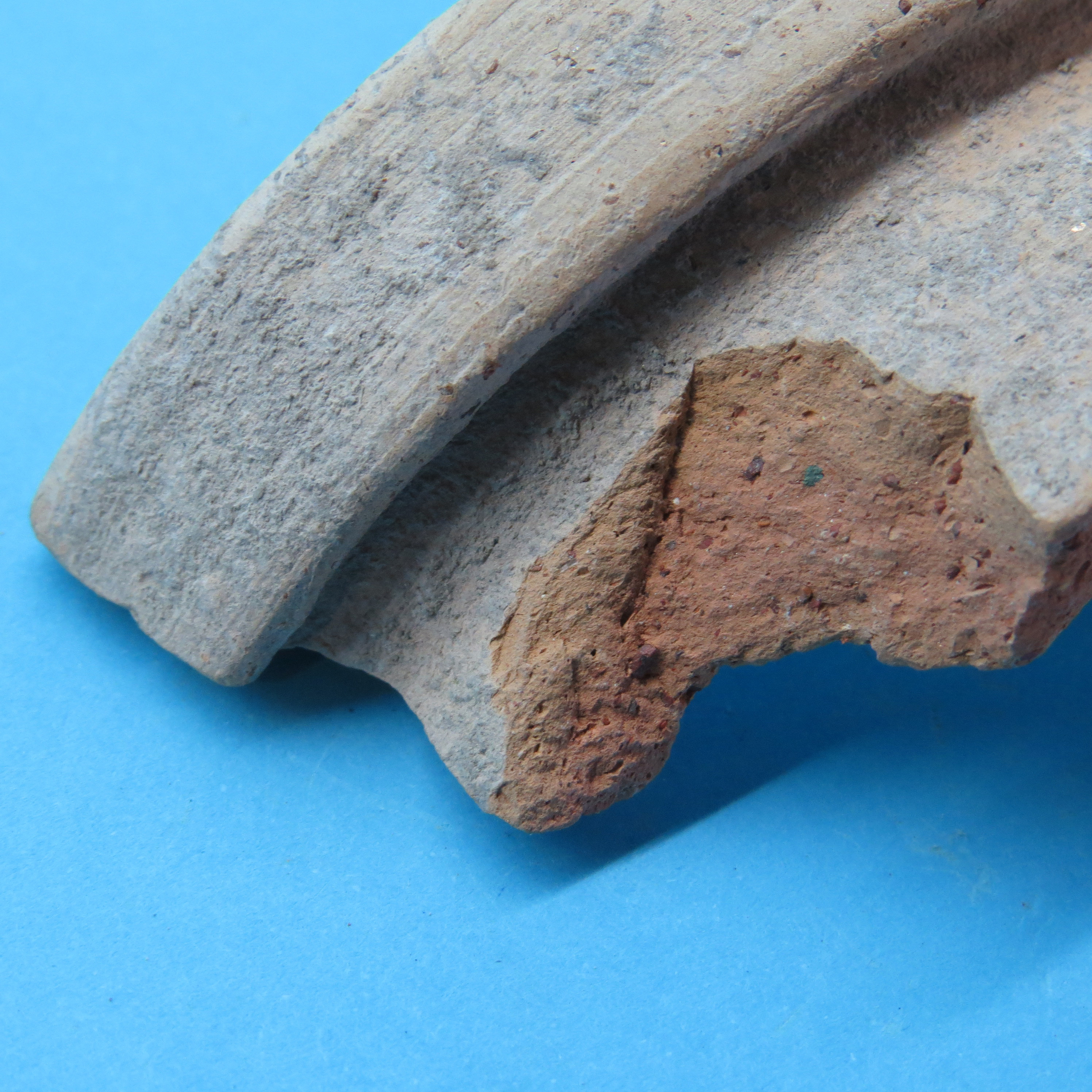
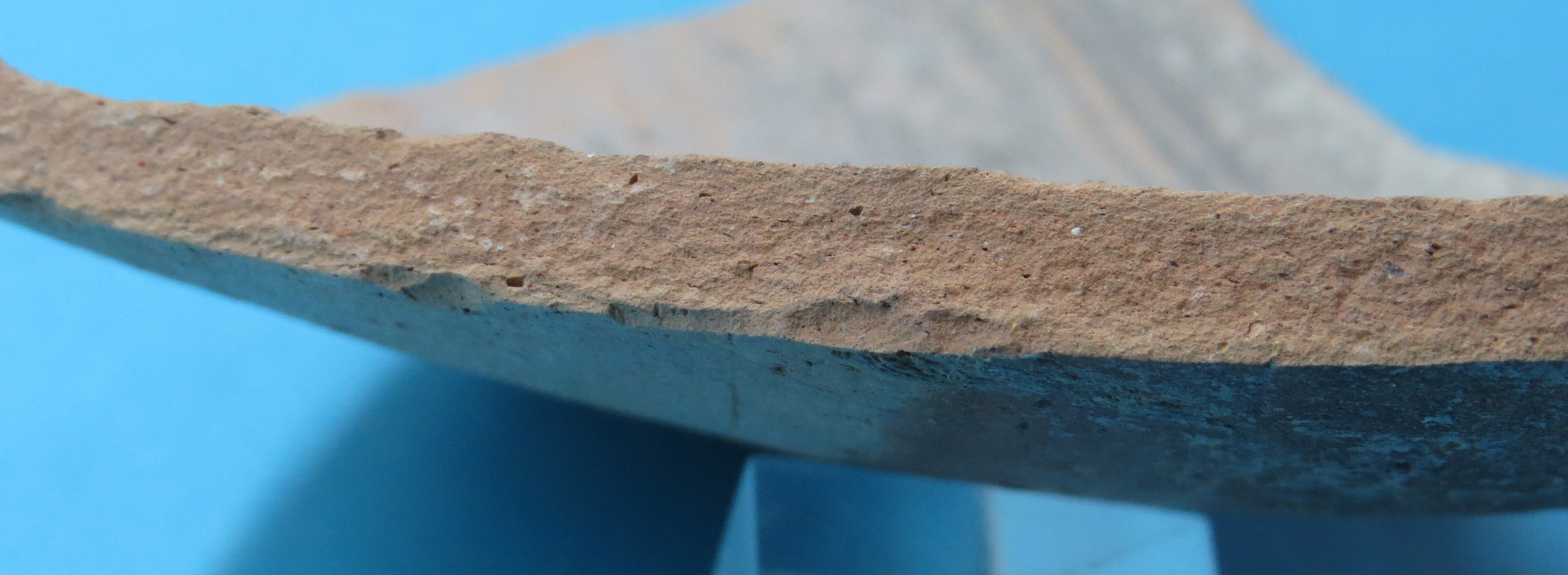
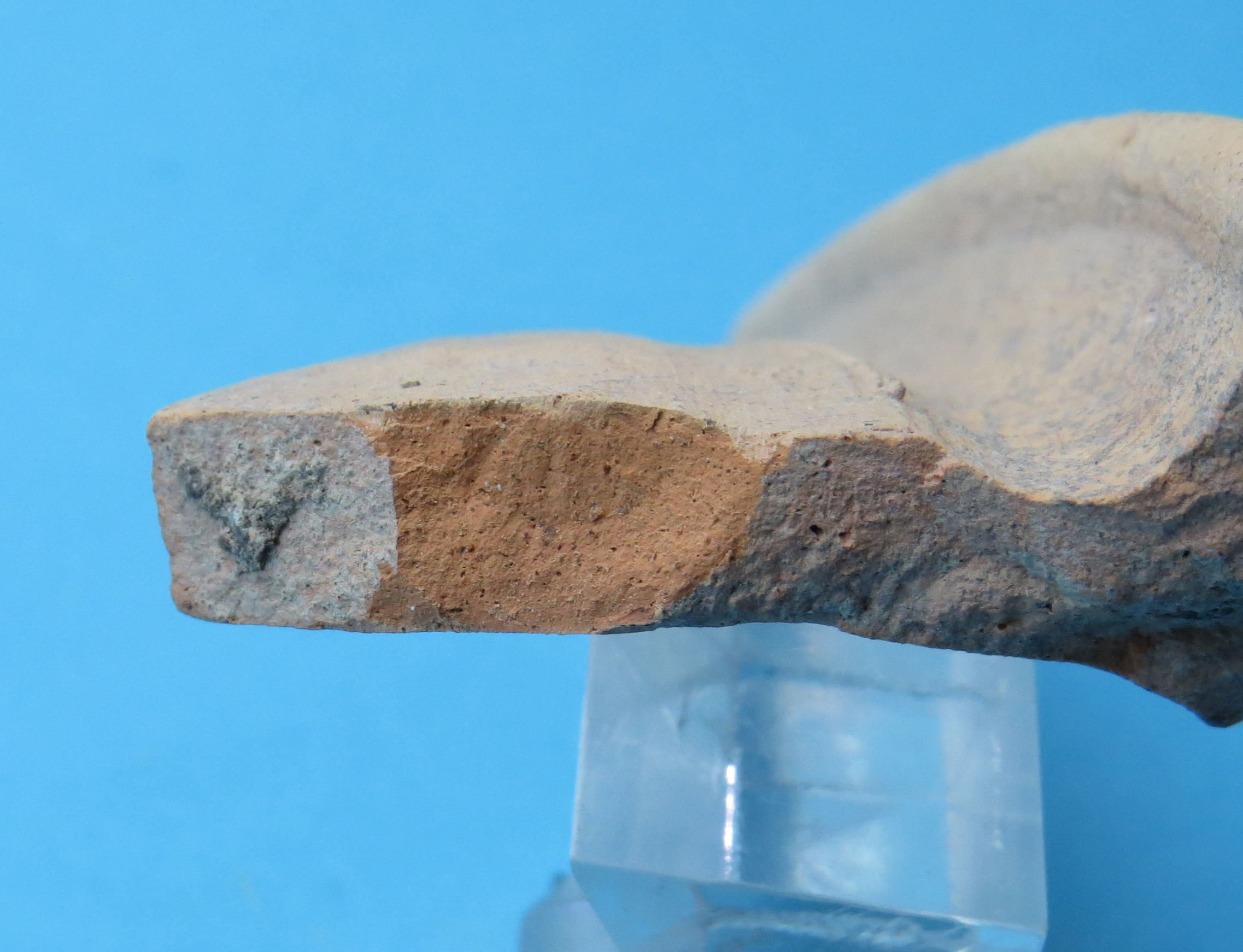
Kinet Höyük (Turkey/Eastern Mediterranean)
