
Israel/Central Coastal Plain/red loamy soil/Hamra
Israel/Central Coastal Plain
—
—
This group can be identified as Quaternary hamra soil mixed with coastal sand. Hamra soils are characteristic of the Coastal Plain between Ashdod in the south and the Carmel coast in the north (Dan et al. 1975; Cohen-Weinberger and Goren 2004: 77–78; Goren, Finkelstein and Na’aman 2004: 292–293; Gilboa, Cohen-Weinberger and Goren 2006: 307, 310; with further references). The composition of the coastal sand corroborates the attribution to this geographic stretch ( Hamra soils sporadically also appear farther north, in the area between Akko and Rosh HaNiqrah. However, in the coastal sands there, calcareous grains and not quartz are the dominant component).
Hamra-made pottery has been reported from many sites (including kiln sites) along the central portion of the south Levantine littoral in different periods (e.g., Singer-Avitz and Levy 1992; Cohen-Weinberger and Goren 2004: 78; Goren, Finkelstein and Na’aman 2004: 293; Cohen-Weinberger 2006; Gorzalczany 2006; with further references).
Samples from sites in the Sharon might help identify this petro-fabric group's provenance. Comparative petro-fabrics have been identified at sites in the coastal Sharon, mainly at Tel Zeror (unpublished) and Tel Ifshar (Dr. E. Marcus, personal communication) and also in tablets from Gezer and Aphek in the eastern Sharon. Therefore, we suggest the Central Coastal Plain as the provenance of this petro-fabric group.
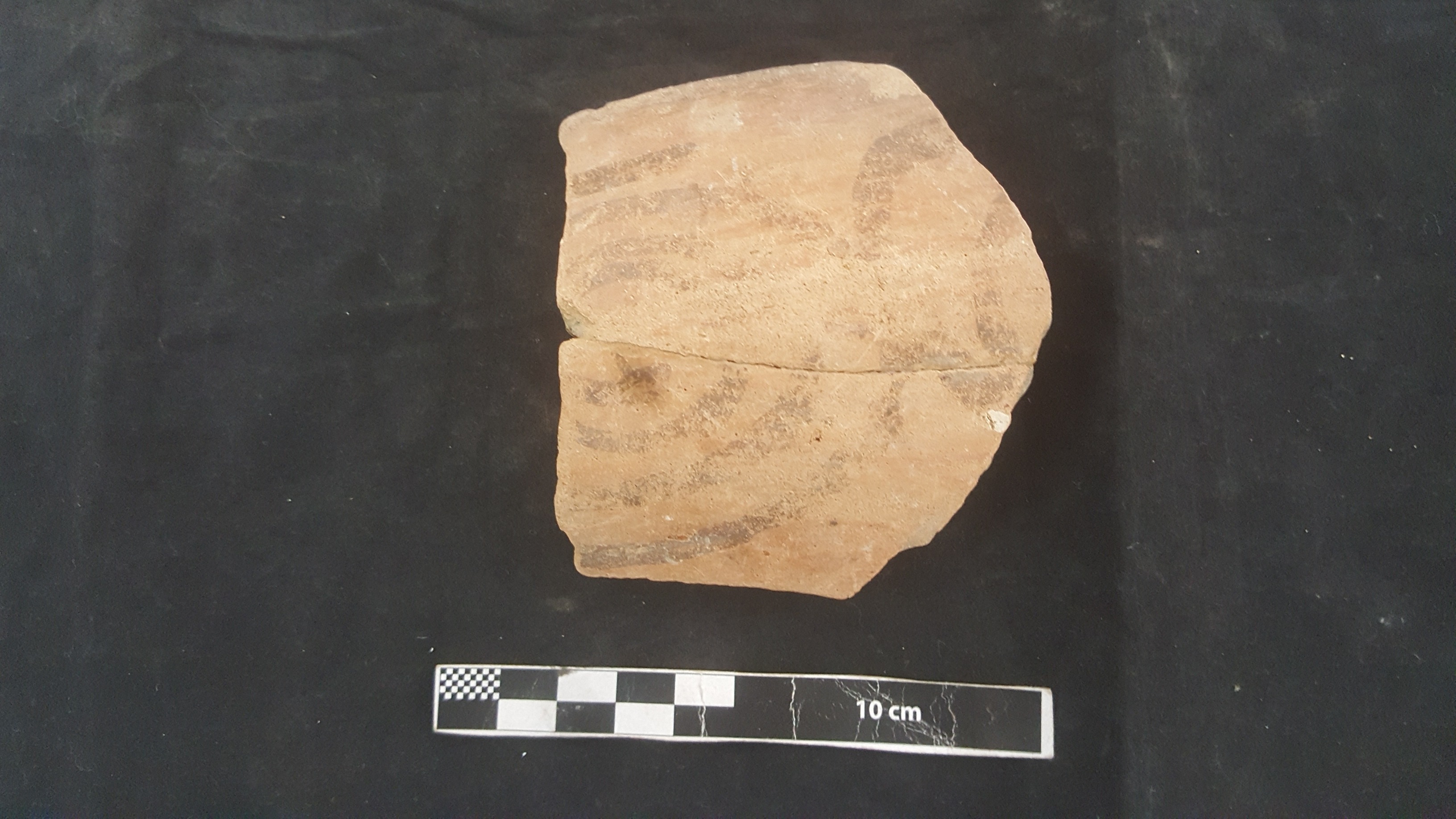
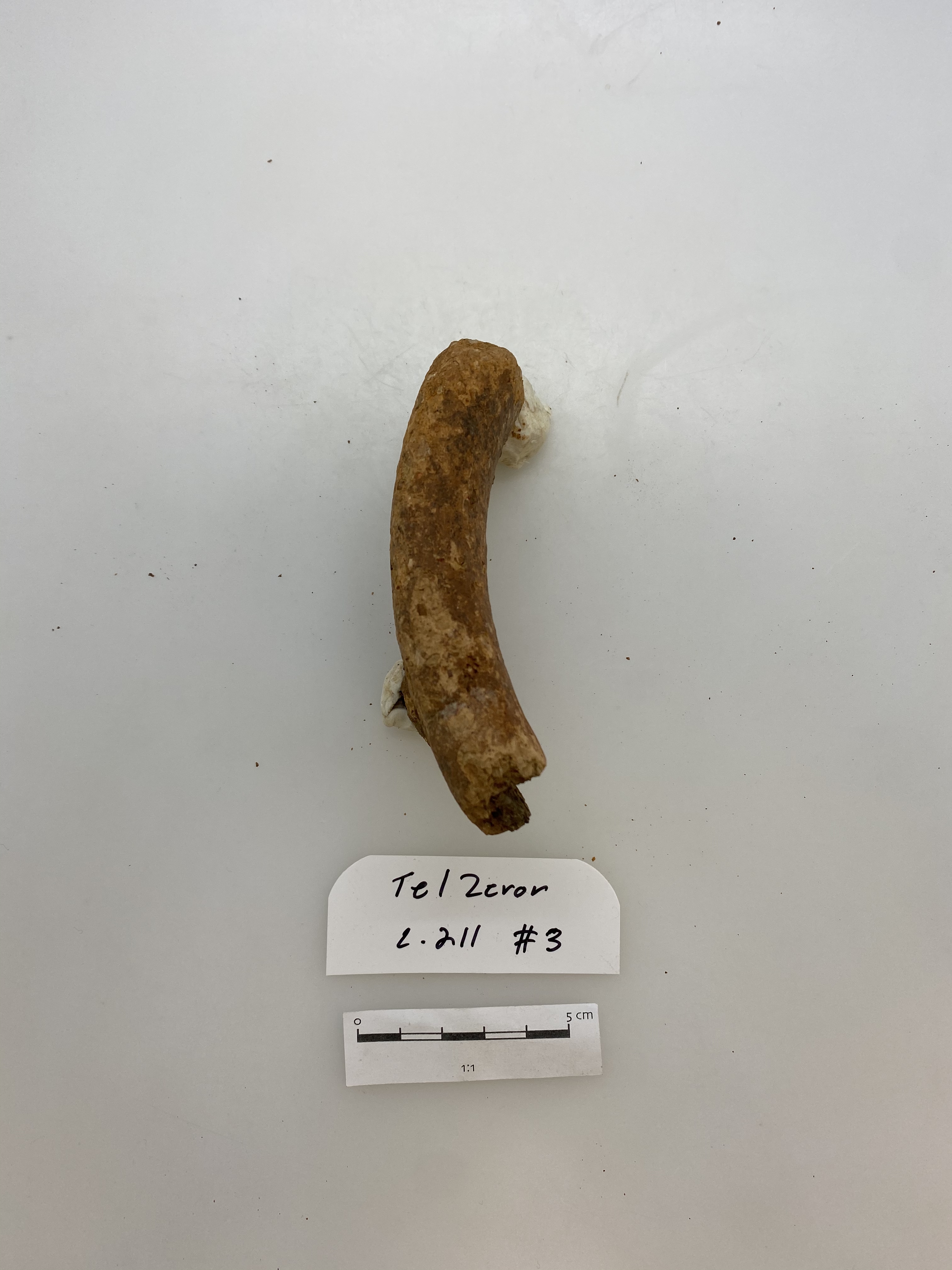
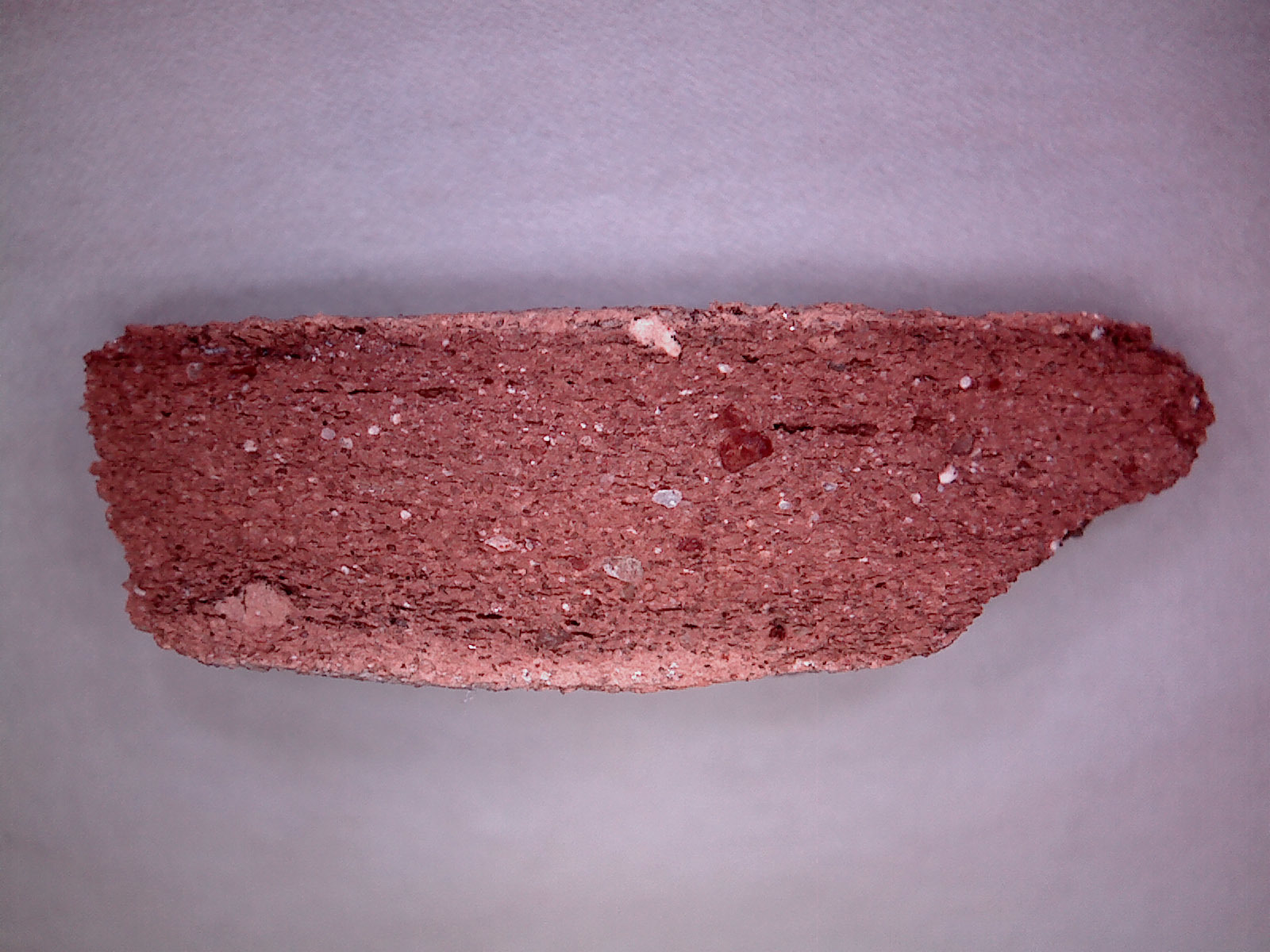
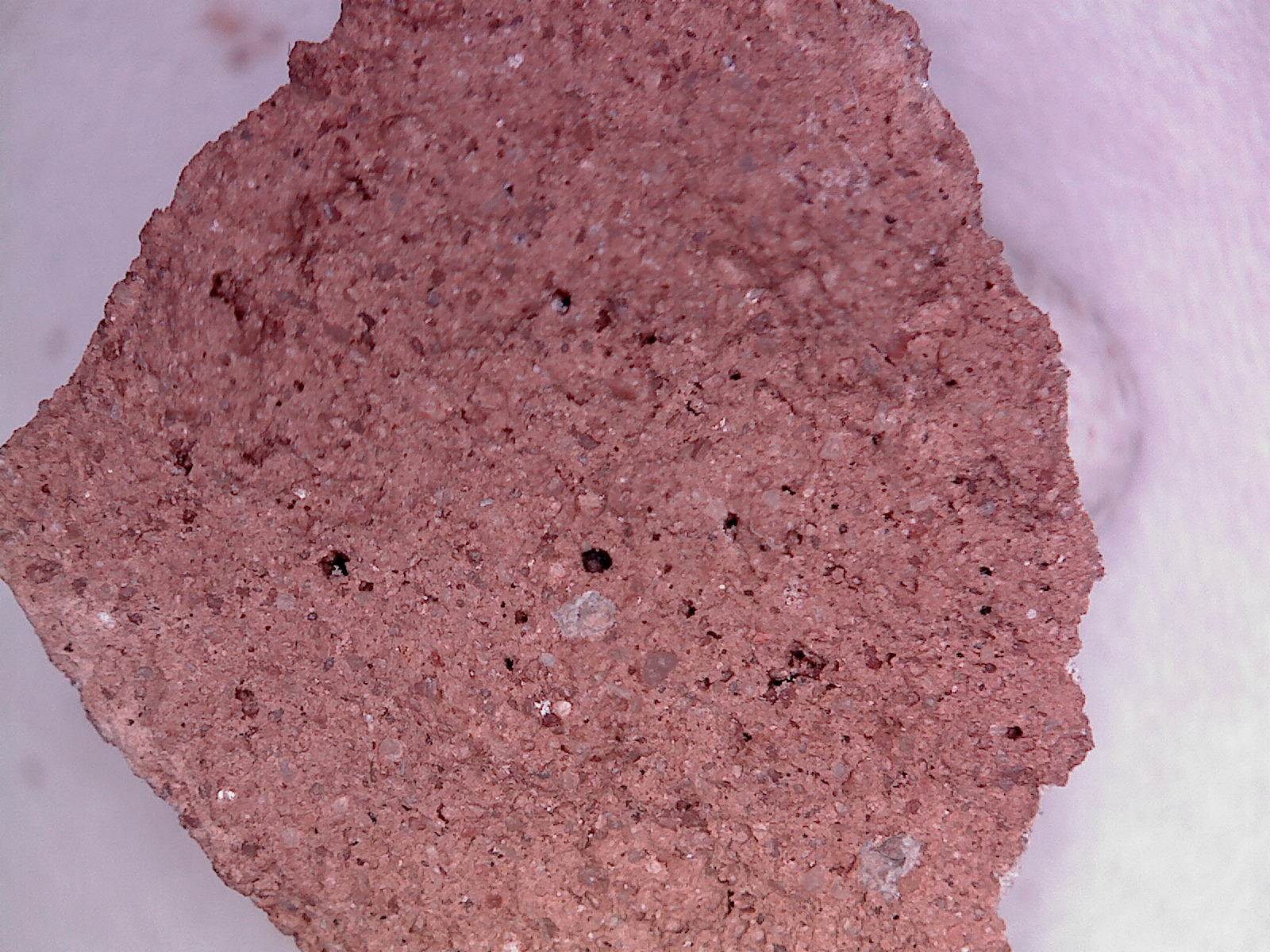
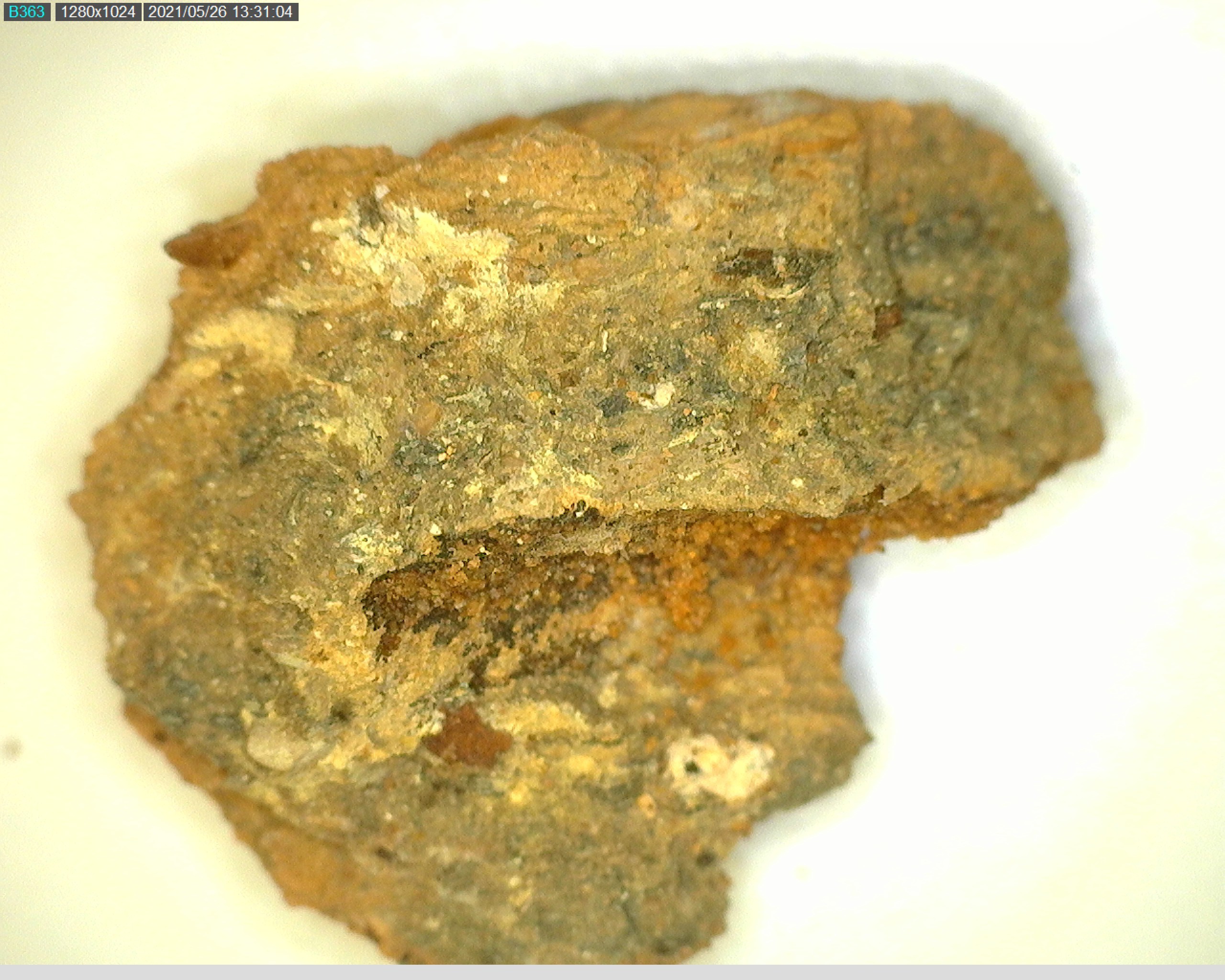
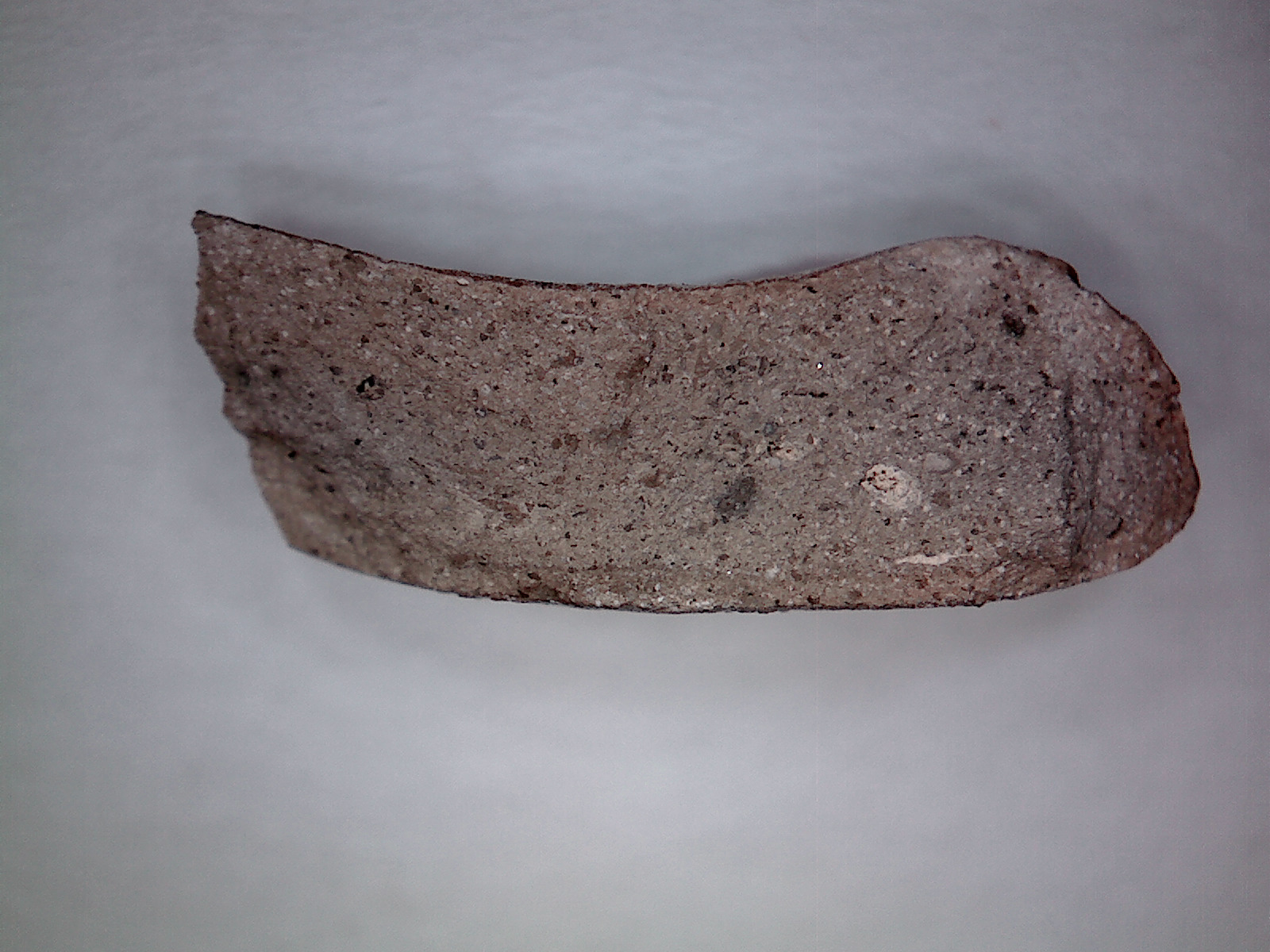
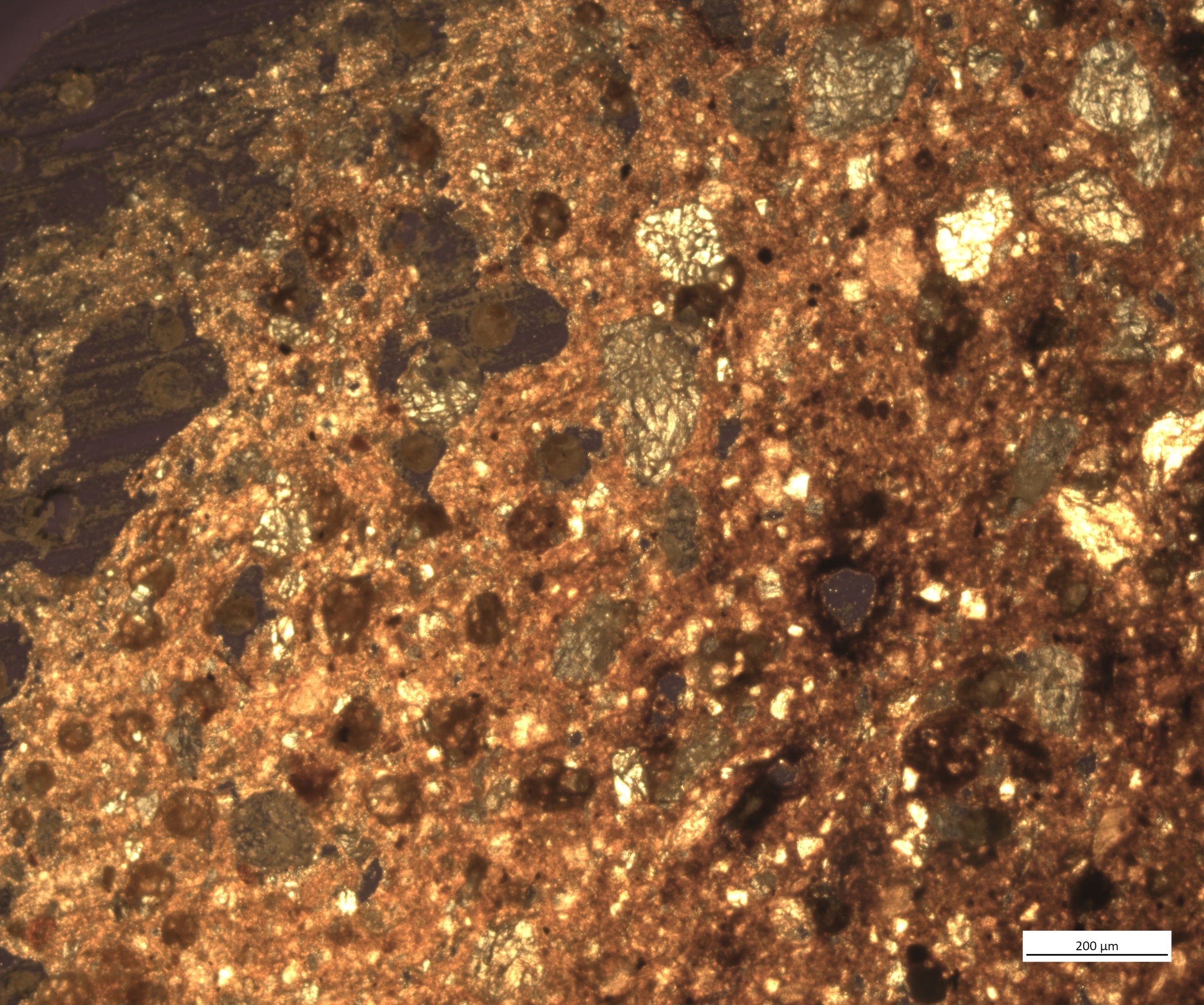


This petrographic group includes red to reddish-brown argillaceous, ferruginous, silty clays. Beyond a high content in minute iron oxides the silt fraction contains angular quartz (5–8%) accompanied by heavy minerals (mica, amphiboles, pyroxenes) and feldspars (plagioclase, microcline), which occasionally also appear in the sand fraction. The non-plastic sand-sized component is dominated by rounded to sub-rounded, often spherical quartz sand (6–12%) with a grain size of up to 650 µm, and calcareous sandstone fragments (kurkar). Additional inclusions are rare calcareous sand (limestone, nari) and the occasional angular chert.
This group can be identified as Quaternary hamra soil mixed with coastal sand. Hamra soils are characteristic of the Coastal Plain between Ashdod in the south and the Carmel coast in the north (Dan et al. 1975; Cohen-Weinberger and Goren 2004: 77–78; Goren, Finkelstein and Na’aman 2004: 292–293; Gilboa, Cohen-Weinberger and Goren 2006: 307, 310; with further references). The composition of the coastal sand corroborates the attribution to this geographic stretch ( Hamra soils sporadically also appear farther north, in the area between Akko and Rosh HaNiqrah. However, in the coastal sands there, calcareous grains and not quartz are the dominant component).
Hamra-made pottery has been reported from many sites (including kiln sites) along the central portion of the south Levantine littoral in different periods (e.g., Singer-Avitz and Levy 1992; Cohen-Weinberger and Goren 2004: 78; Goren, Finkelstein and Na’aman 2004: 293; Cohen-Weinberger 2006; Gorzalczany 2006; with further references).
Samples from sites in the Sharon might help identify this petro-fabric group's provenance. Comparative petro-fabrics have been identified at sites in the coastal Sharon, mainly at Tel Zeror (unpublished) and Tel Ifshar (Dr. E. Marcus, personal communication) and also in tablets from Gezer and Aphek in the eastern Sharon. Therefore, we suggest the Central Coastal Plain as the provenance of this petro-fabric group.
