
Egypt/Marl Clay
Egypt/Nile River Valley
Calcareous clay
Paleogene to Quaternary deposits
Egyptian marl is NOT a single petro-fabric. These petro-fabrics are produced from clays deriving from primary calcareous mudstone formations or secondary calcareous clays from the erosion of limestone formations [not possible petrographically to distinguish]. Their appearance in thin section (white, yellow, light pink, grey) is diverse and in some cases the amount of calcareous material is difficult to assess, particularly at high firing temperatures. The range in clay appearance (macroscopically and petrographically) is due to the variation in calcareous formations in Egypt and their considerable spatial extent, including around the edges of the Delta, most of the length of the Nile Valley on both sides, the Western Desert oases, and the Sinai. Such clays were probably exploited throughout Egyptian history.
In sum, Egyptian marl wares may be said to contain Egyptian marl as at least one component of the paste raw material, but this statement does not offer information about source. (see also ASW-Marl_01, ASW-Marl_02, ASW-Marl_03, and ASW-Marl_05 in Peloschek 2015)
GENERAL THOUGHTS ON PETROGRAPHY IN EGYPT Mary Ownby and Lisa Peloschek, two petrographers who have done extensive studies of Egyptian ceramics, describe the issues of determining Egyptian petro-fabrics as follows:
"Within Egyptian ceramic studies, the establishment of the Vienna System in the 1980s allowed for a common terminology to be used for the description of the various raw materials utilized for pottery production. This system divides ceramics generally into those of Nile clay, calcareous Marl clay, mixed clays, Aswan clays, and others (often for material from the oases). Such divisions were based on examination of material mostly from the Middle and New Kingdom, with applications to pottery from other periods limited. Overall, while this system created a general list of clay paste materials, it did not facilitate intersite comparisons or provenance determinations. Today, most ceramists create fabric/paste groups that are site specific and occasionally those are examined petrographically to clarify group divisions and specify raw materials utilized. It should be noted that while ceramists rarely refer to the Vienna System divisions, the terminology has in some instances remained in use. Intersite relationships between petrographically examined materials have been made in a few cases, but by and large has been beyond the scope of research."

Marl clay as seen in cross section under photographic magnification (Warden 2021, fig. 8b)
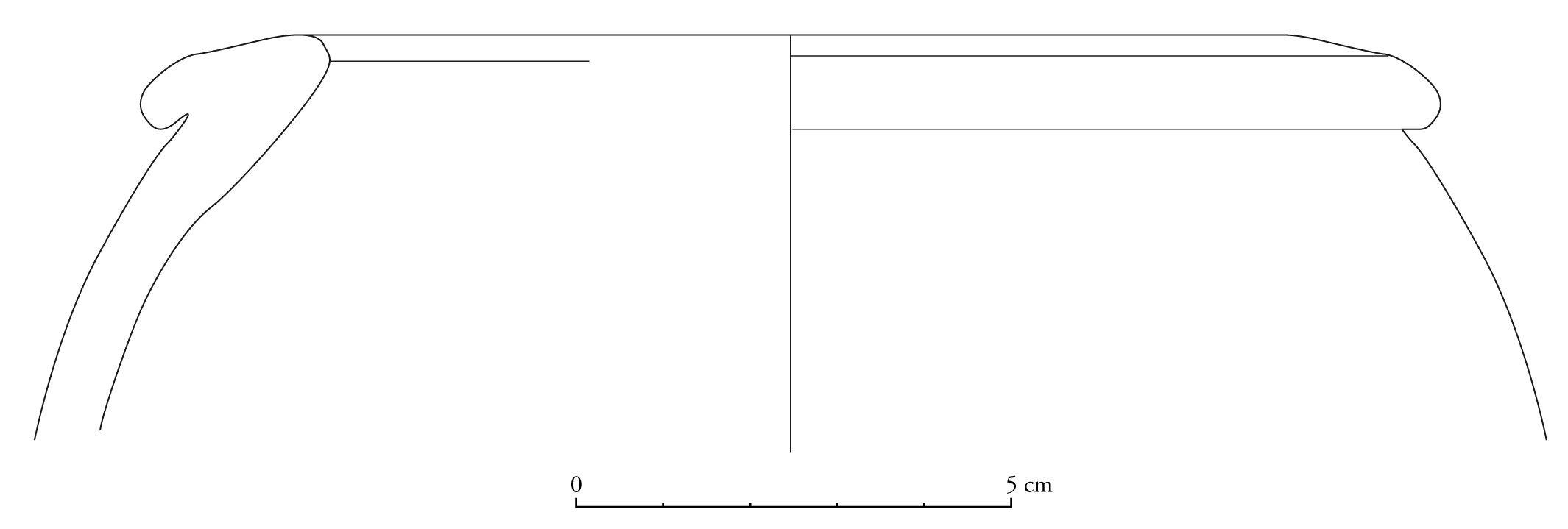
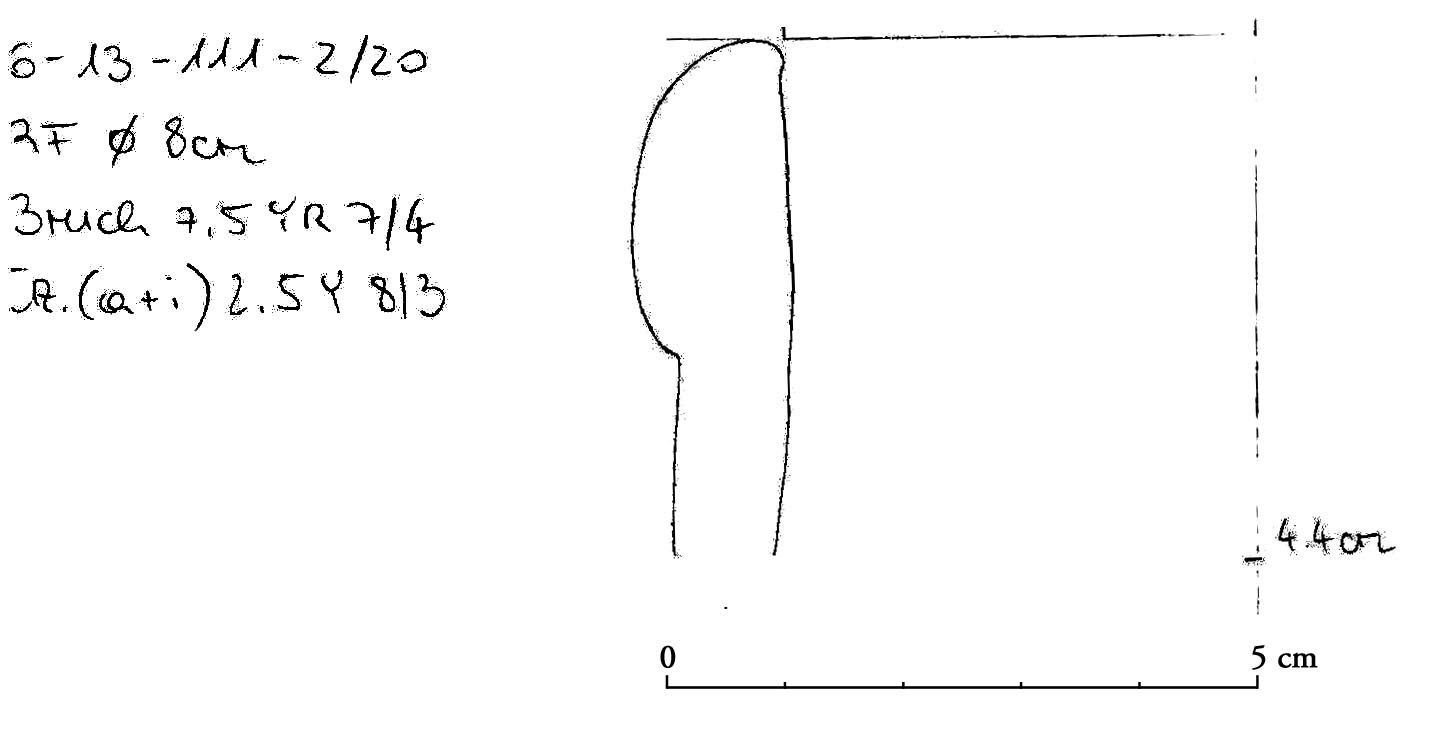
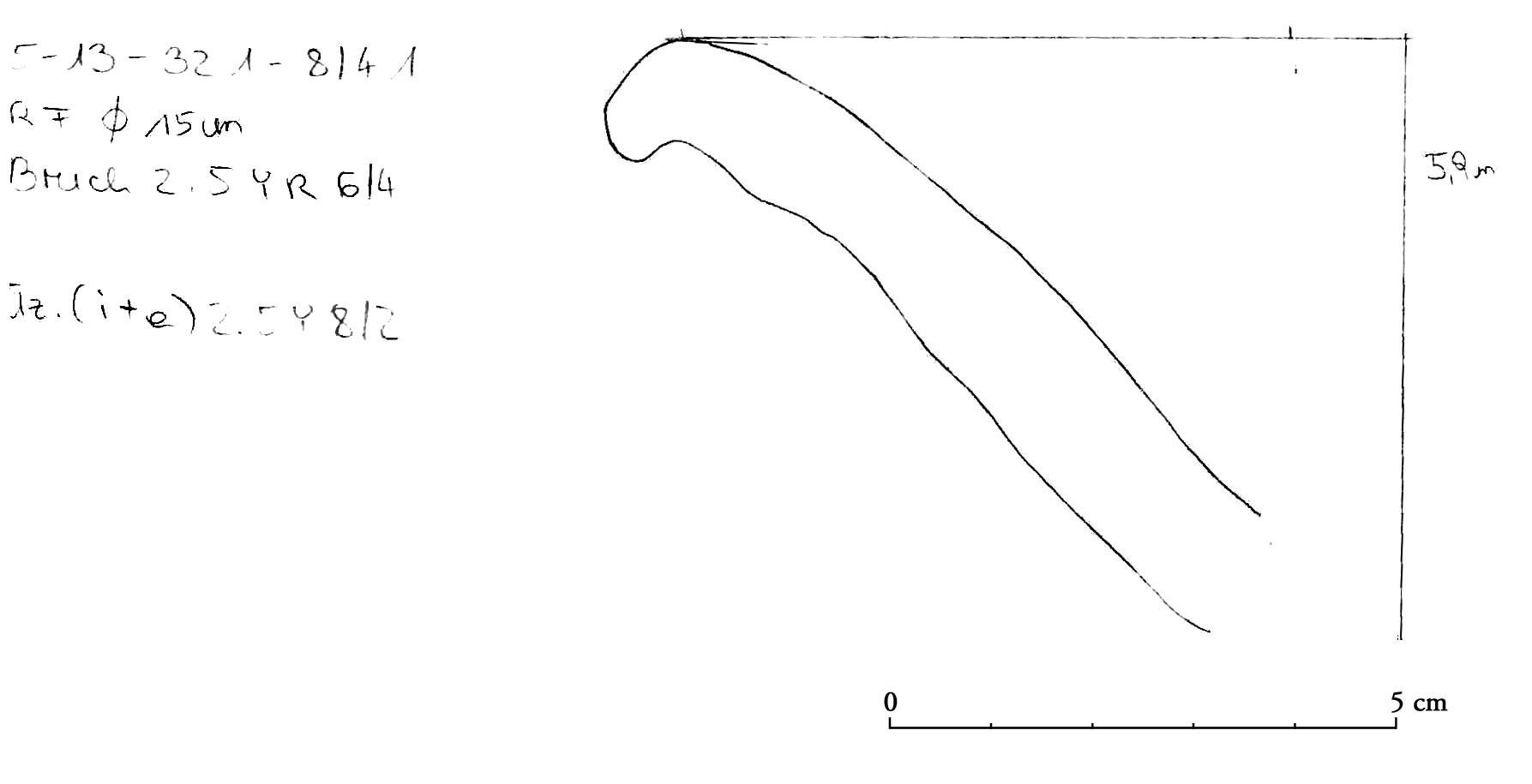

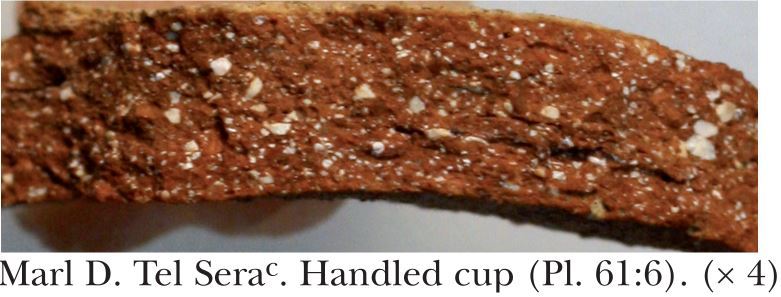
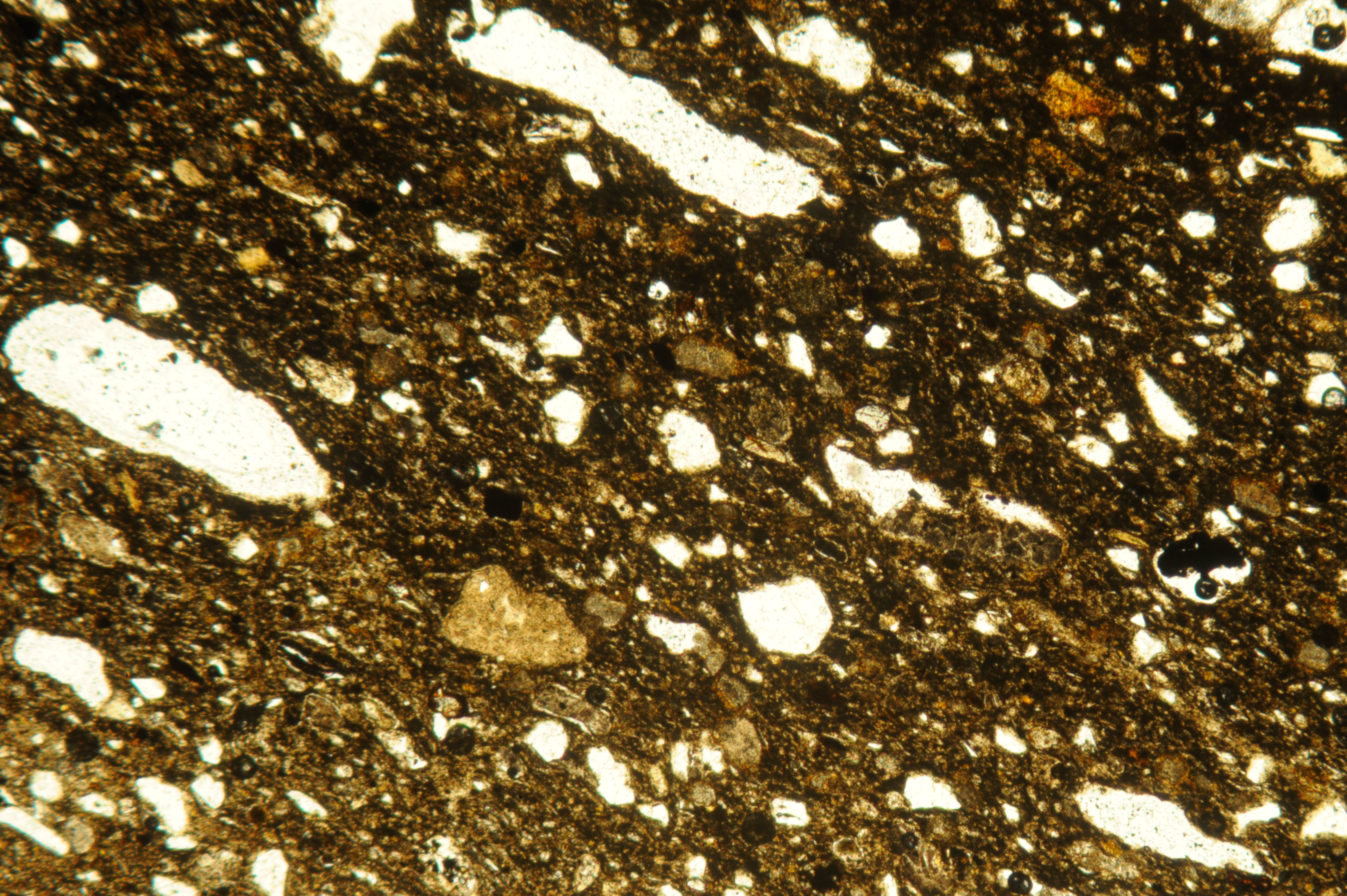
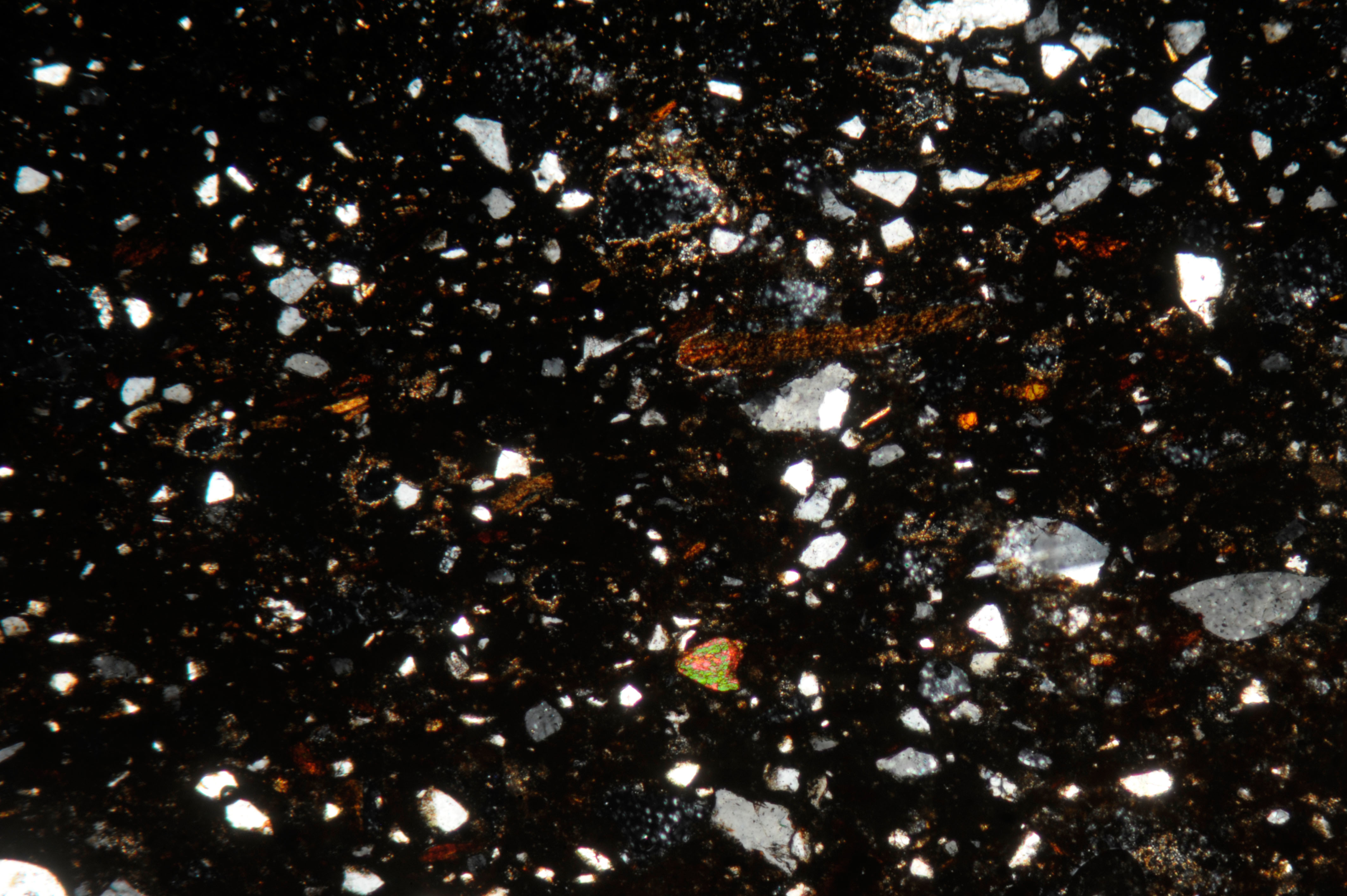
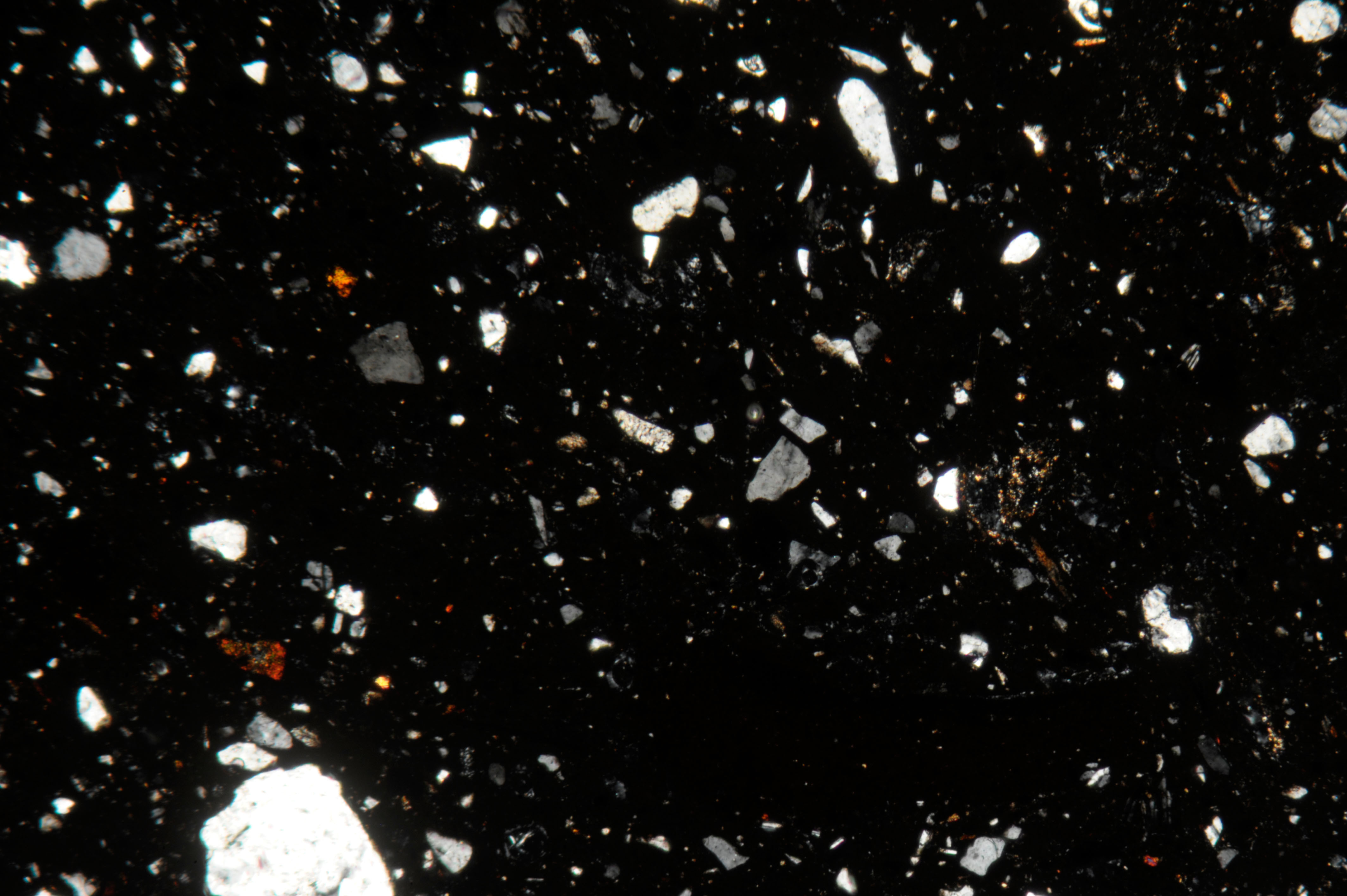
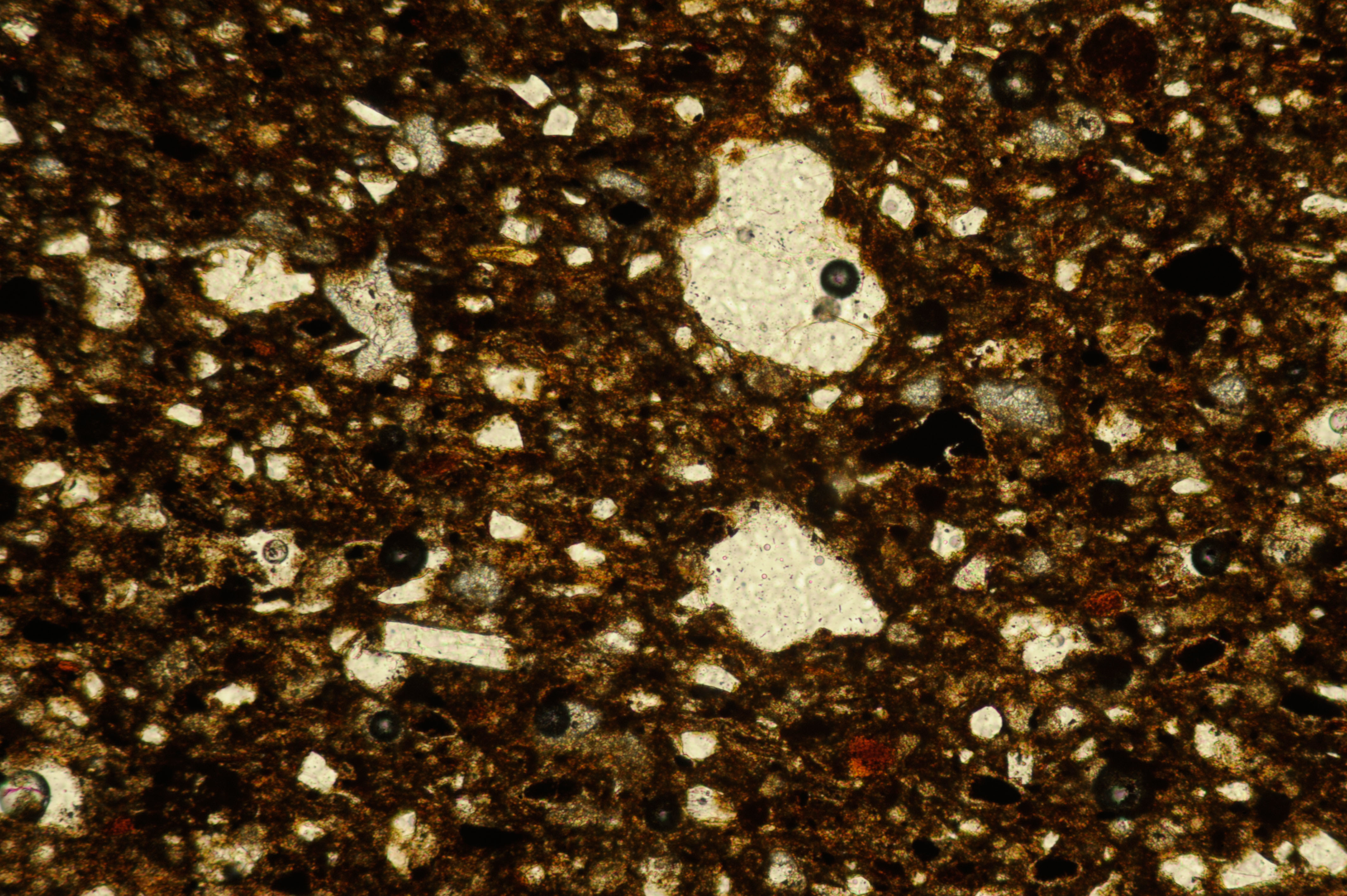
Marl clay petro-fabrics can range from lacking inclusions to containing varying amounts of inclusions, such as quartz, potassium feldspar, microcline, and plagioclase. Some fabrics have sand, identifiable by usually medium to coarse-sized grains of subangular to rounded shape, which may have been intentionally added.
Intact limestone, often micritic or chalky, can be present, ranging from fine to coarse in size. In most cases these appear natural to the clay. Plant remains of varying sizes can also be present.
Marl clay pastes can grade into the shale clay pastes particularly when shale inclusions can be present. See Egyptian Shale Clay Petro-Fabric description.
This is a preliminary description based on the examination of few thin sections (mostly Marl A) in which the clay is dominantly calcareous. Other “marl clay” fabrics are closer to shale clays in thin section.
Egyptian marl is NOT a single petro-fabric. These petro-fabrics are produced from clays deriving from primary calcareous mudstone formations or secondary calcareous clays from the erosion of limestone formations [not possible petrographically to distinguish]. Their appearance in thin section (white, yellow, light pink, grey) is diverse and in some cases the amount of calcareous material is difficult to assess, particularly at high firing temperatures. The range in clay appearance (macroscopically and petrographically) is due to the variation in calcareous formations in Egypt and their considerable spatial extent, including around the edges of the Delta, most of the length of the Nile Valley on both sides, the Western Desert oases, and the Sinai. Such clays were probably exploited throughout Egyptian history.
In sum, Egyptian marl wares may be said to contain Egyptian marl as at least one component of the paste raw material, but this statement does not offer information about source. (see also ASW-Marl_01, ASW-Marl_02, ASW-Marl_03, and ASW-Marl_05 in Peloschek 2015)
GENERAL THOUGHTS ON PETROGRAPHY IN EGYPT Mary Ownby and Lisa Peloschek, two petrographers who have done extensive studies of Egyptian ceramics, describe the issues of determining Egyptian petro-fabrics as follows:
"Within Egyptian ceramic studies, the establishment of the Vienna System in the 1980s allowed for a common terminology to be used for the description of the various raw materials utilized for pottery production. This system divides ceramics generally into those of Nile clay, calcareous Marl clay, mixed clays, Aswan clays, and others (often for material from the oases). Such divisions were based on examination of material mostly from the Middle and New Kingdom, with applications to pottery from other periods limited. Overall, while this system created a general list of clay paste materials, it did not facilitate intersite comparisons or provenance determinations. Today, most ceramists create fabric/paste groups that are site specific and occasionally those are examined petrographically to clarify group divisions and specify raw materials utilized. It should be noted that while ceramists rarely refer to the Vienna System divisions, the terminology has in some instances remained in use. Intersite relationships between petrographically examined materials have been made in a few cases, but by and large has been beyond the scope of research."
4th - 8th centuries CE
Byzantine, Early Islamic - Umayyad/Abbasid/Tulunid
Abu Rahal, Abu Rahal Hill (Egypt/Eastern desert/Red Sea Coast)
Abu Rahal West (Egypt/Eastern desert/Red Sea Coast)
Abydos (Egypt/Middle Egypt)
Alexandria (Egypt/Delta/Lower Egypt)
Aswan, Elephantine (Egypt/Upper Egypt)
Aswan, Syene (Egypt/Upper Egypt)
B'ir Samut (Egypt/Eastern desert/Red Sea Coast)
Luxor/Thebes West, Tomb 32 (Egypt/Upper Egypt)
Rawd al-Buram (Egypt/Eastern desert/Red Sea Coast)
Rawd al-Gamra (Egypt/Eastern desert/Red Sea Coast)
Rawd al-Liqah (Egypt/Eastern desert/Red Sea Coast)
Samut Gold Mining Settlement (Egypt/Eastern desert/Red Sea Coast)
Umm Garahish East (Egypt/Eastern desert/Red Sea Coast)
al-Kanaïs (Egypt/Eastern desert/Red Sea Coast)
‘Abbad, Abu Gehâd (Egypt/Eastern desert/Red Sea Coast)
This description was compiled during the LCP Egyptian Ceramic Petrography workshop at IFAO in September 2017.
