Persian-period southern Levantine White ware
Israel/Hula Valley, Israel/Northern Coastal Plain, Lebanon/Southern Coast, Turkey/Eastern Mediterranean/Cilicia/Hatay
6th - 4th centuries BCE
Achaemenid Persian
General Information
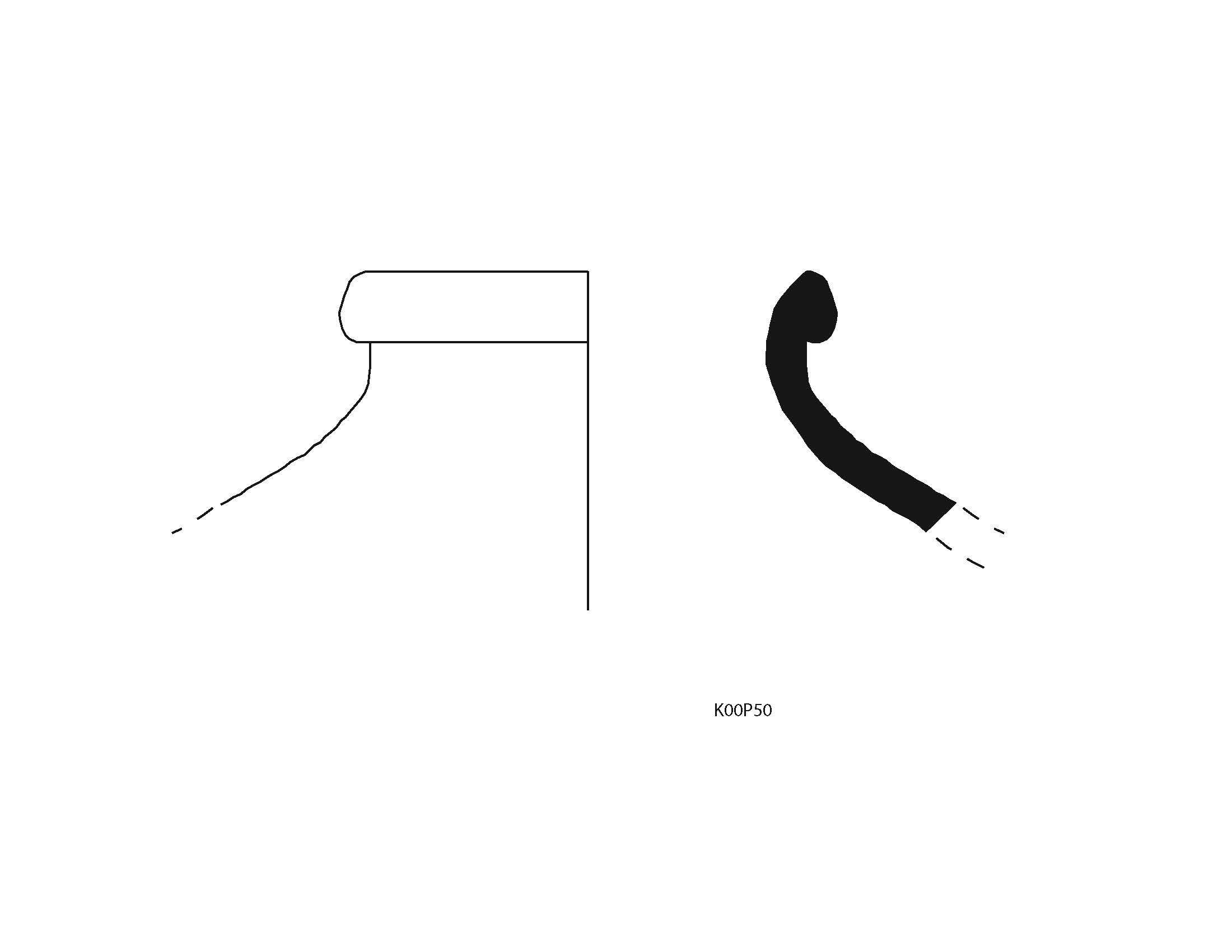
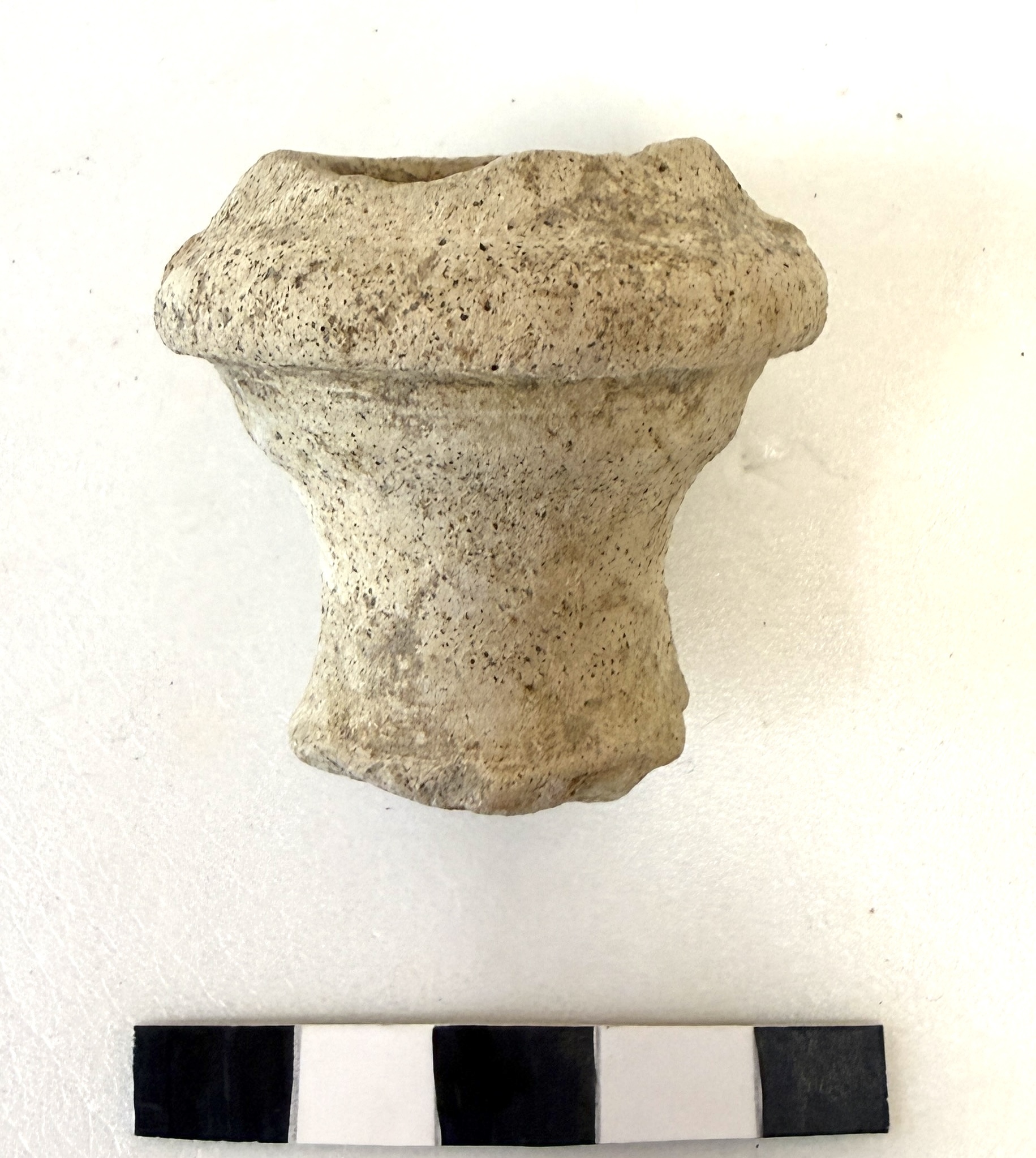
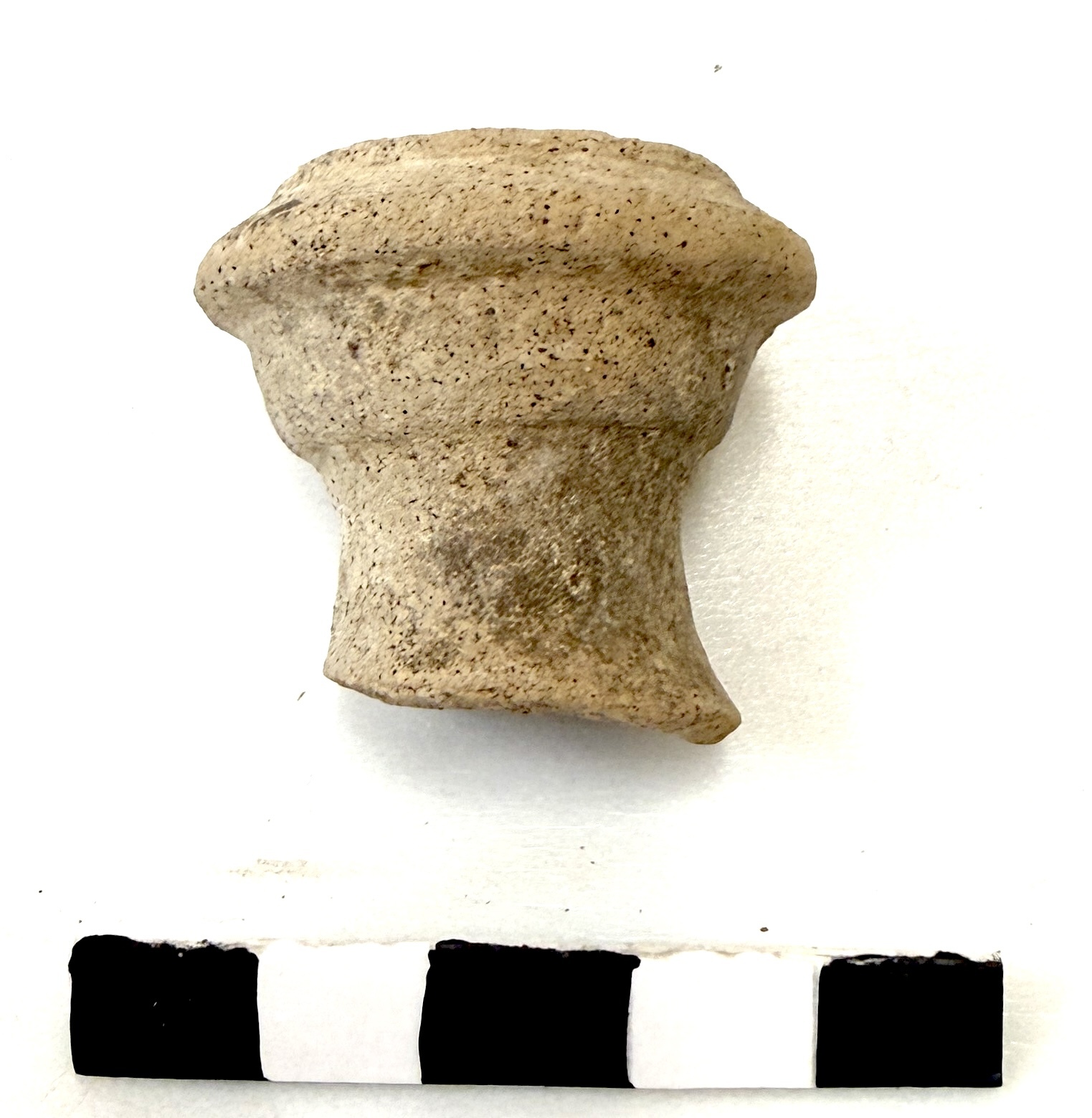
White wares were made in many production centers of the southern and central Levant beginning in the 6th century BCE; their appearance is generally associated with the western regions of the Achaemenid Persian empire. Potters produced a similar range of shapes: carinated cups, small bottles and juglets, column kraters, large grinding bowls (mortaria), and large flat-shouldered jars (torpedo jars). All of these shapes are common in the Persian Period Levant, at sites as far apart as Kinet Höyük in eastern coastal Cilicia to Tel Dor, a coastal site south of the Carmel Mountains (e.g., Lehmann 1998).
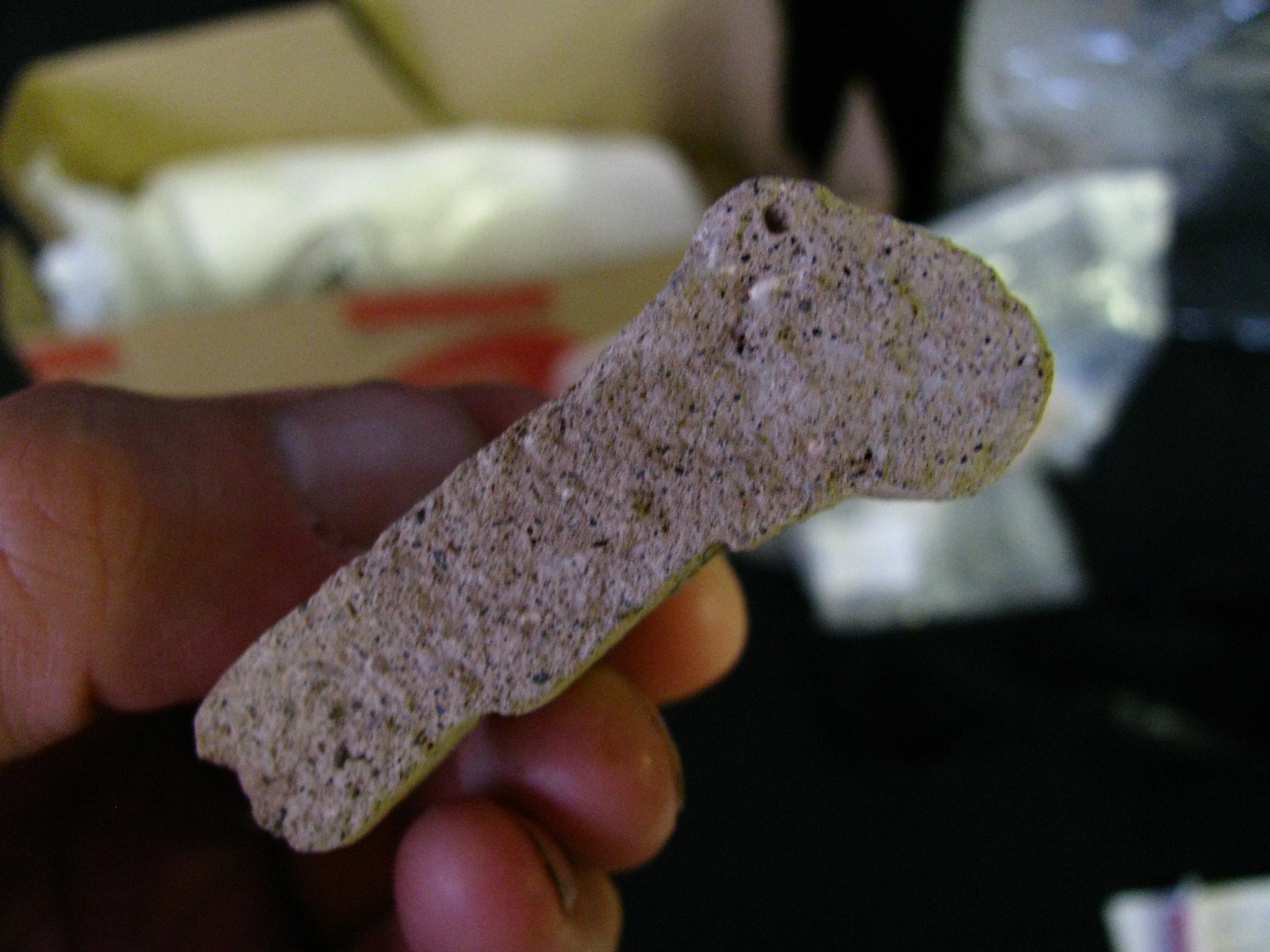
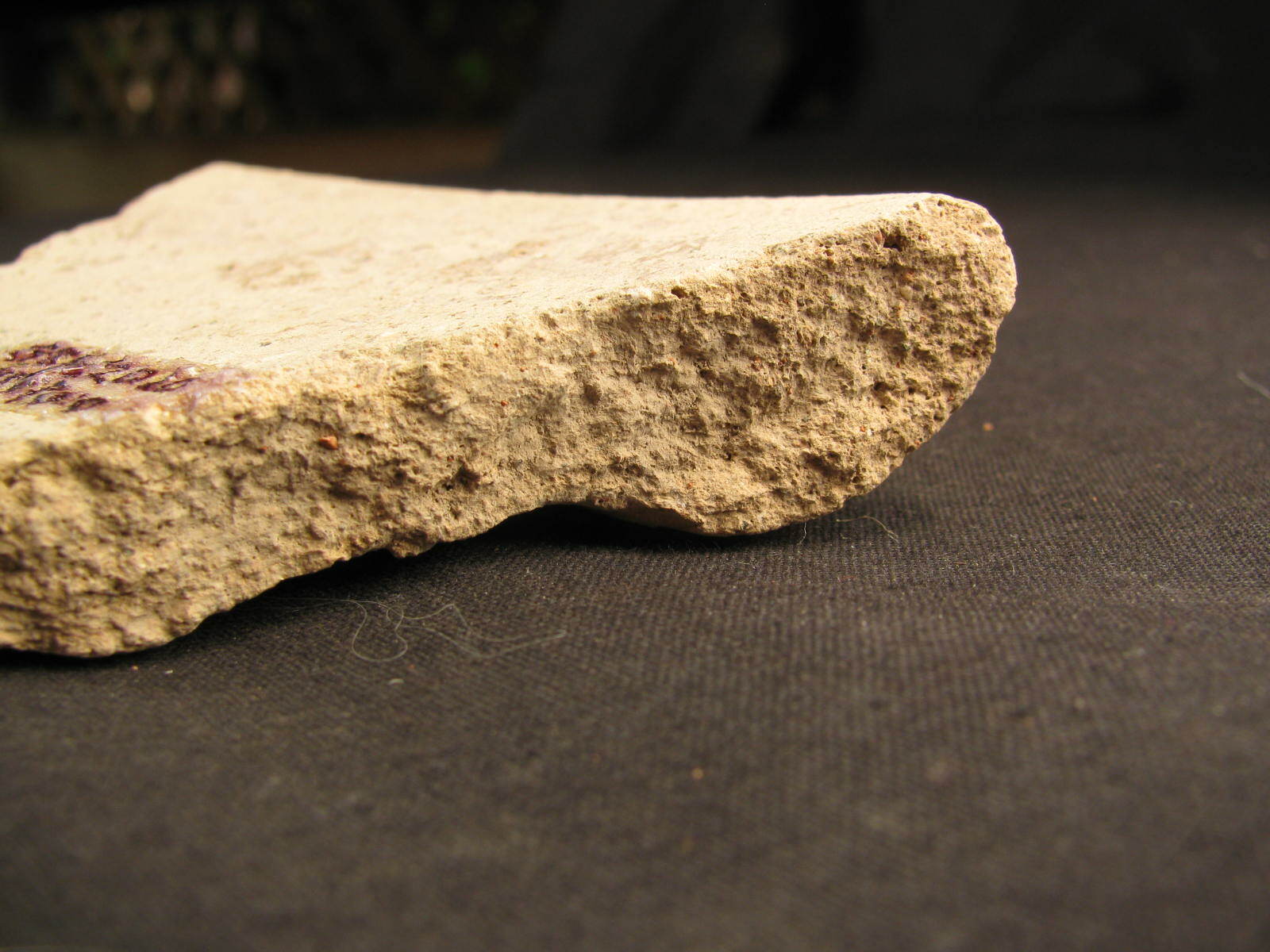
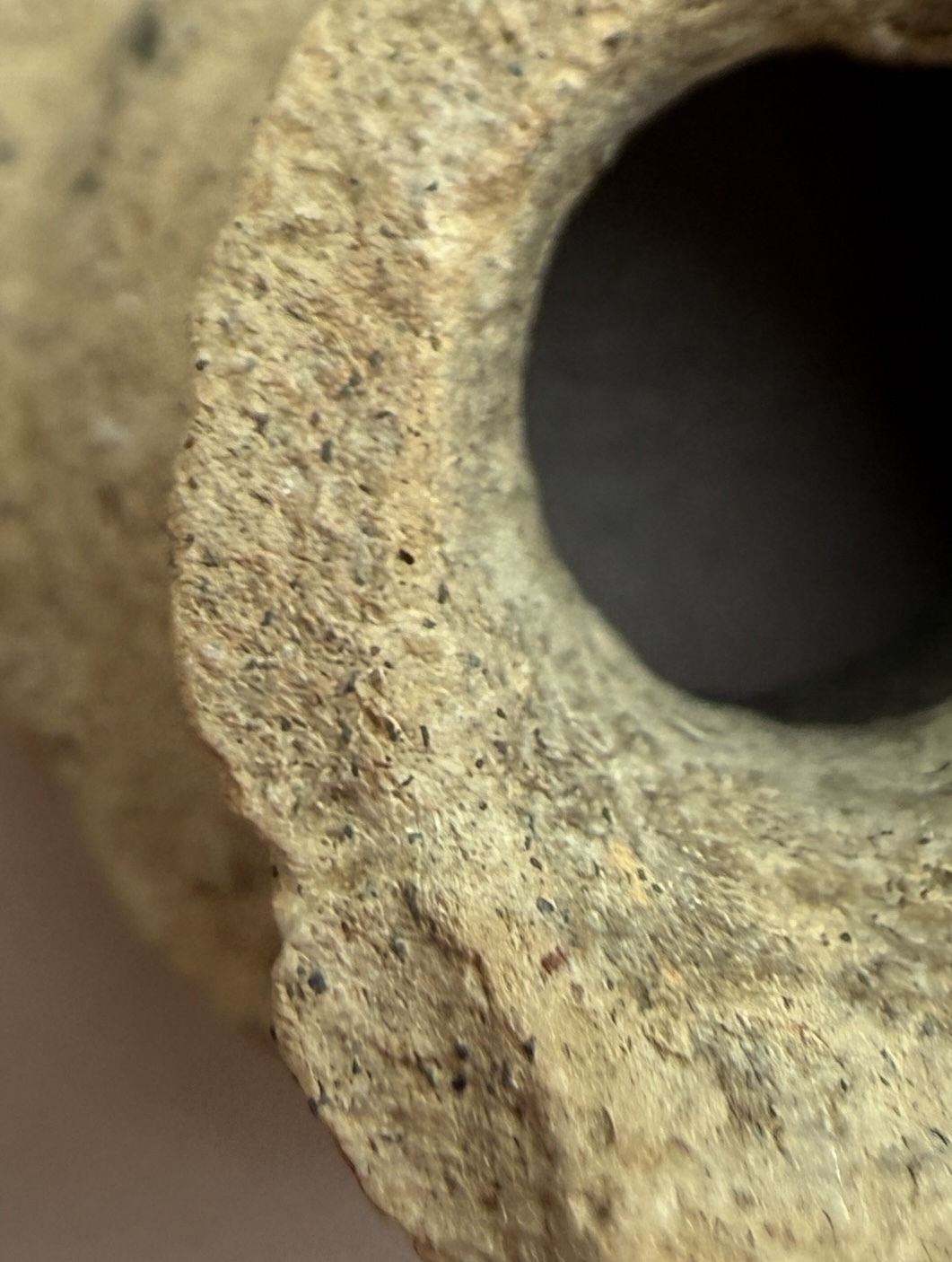
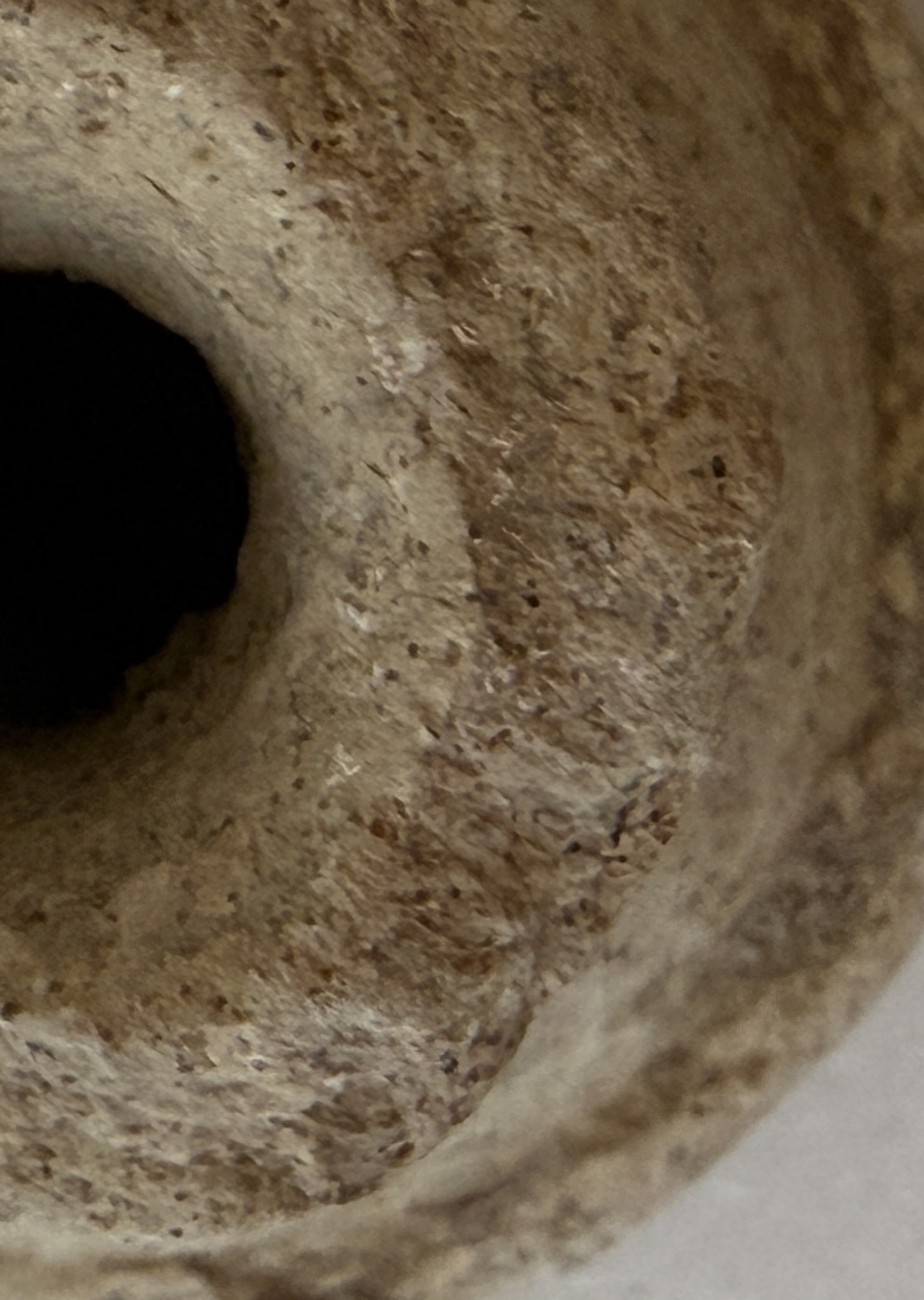
White ware fabrics are moderately hard, semi-fine to coarse, and often with a porous surface texture. As the name implies vessels are very light in color, usually pale pink in section (2.5YR 6/6-2.5YR 7/6), and often slipped with a matte cream (7.5YR 8/3) or light green slip (2.5Y 8/3). Frequent small rounded voids can be seen on the surface, and moderate small to medium red and black inclusions are present, with occasional larger rounded black pellets. Vessel walls range from 0.4 – 1 cm in thickness.
Petrographic analysis of 11 white ware vessels found at the site of Tel Kedesh, in the eastern Upper Galilee of Israel, showed that nine were made of foraminiferous marl, which is consistent with production in the Hula Valley or the foothills of Mt. Hermon, suggesting that these vessels had a local origin. However, two sampled examples were made from the ophiolitic clays of Cyprus or Cilicia, indicating that these were imported.
Moderately hard semi fine fabric with frequent small rounded voids on the surface, giving it a porous appearance, and frequent small to medium red and black sub rounded inclusions and occasional large round inclusions. Ware is generally similar in appearance to white wares produced throughout the Levant in the Persian period, like coastal plain ware.