
Cypriot Medieval Hand-Made Ware
Cyprus/Troodos mountains, Cyprus/Western South Coast
c. 1100 CE to c.1600 CE
Late Byzantine, Frankish, Venetian
General Information
Cypriot Medieval Hand-made Ware was produced on Cyprus from the 12th-16th centuries, throughout the Late Byzantine, Frankish, and Venetian periods. The earliest vessels appear across the Troodos Mountains and northern inland areas; later they occur in considerable quantities along the Western South coasts (Gabrieli 2013, pp. 70-71; Gabrieli et al. 2020, paras. 1-9). The first shapes are cooking pots, jugs, and small cups/bowls, although similarities in form suggest multi-functionality, with vessels likely serving both cooking and table uses (Gabrieli 2013, pp. 69-72). In the 14th century various new forms appear: globular pots with simple rims, shallow plates, and casserole dishes (Gabrieli 2013, pp. 70-72).
Early vessels are characterized by thin walls, upright or in-turned rims, and flat vertical handles with squared edges (Gabrieli 2013, pp. 71-72). Over time, various aspects change. Vessel walls become thicker; handle edges become rounded and are attached at the neck rather than the rim; pots with in-turned rims receive horizontal handles; the pinched spouts on jugs and jars get longer; and pots and spouted pans receive a thin internal surface glaze (Gabrieli 2013, 70-73).
Early on decoration is simple, consisting of wavy bands and straight or interrupted horizontal incised lines. Later vessels also carry incised decoration but incorporate more complex patterns including plastic decoration, and decorative handle crests with schematic faces on jugs (Gabrieli 2013, pp. 71-73).
Vessels are made of a coarse, red volcanic fabric, with micaceous and quartz inclusions (Gabrieli 2013, pp 69-71; Gabrieli et al. 2017, pp 123-126). Analytical studies conclude that the clay derives from the region around the Troodos Mountains (Gabrieli et al. 2017, pp. 125-126). As utility wares, these ceramics are particularly informative for understanding daily life and the local economy (Gabrieli 2013, pp. 69). The production origin, wide distribution, conservative aesthetics, and essential functionality reflect a vibrant local manufacturing tradition, regional trade networks, and shared household behavior across western Cyprus in the medieval era (Gabrieli 2013, pp. 73-74; Gabrieli & Hammond 2018, 123-125).
Cypriot Medieval Hand-made Ware vessels are red in color and are hand formed or possibly turned on a slow wheel (Gabrieli 2013, p. 70). The fabric is coarse with naturally occurring micaceous and quartz inclusions (Gabrieli 2013, pp 69-71; Gabrieli et al. 2017, pp 123-126).


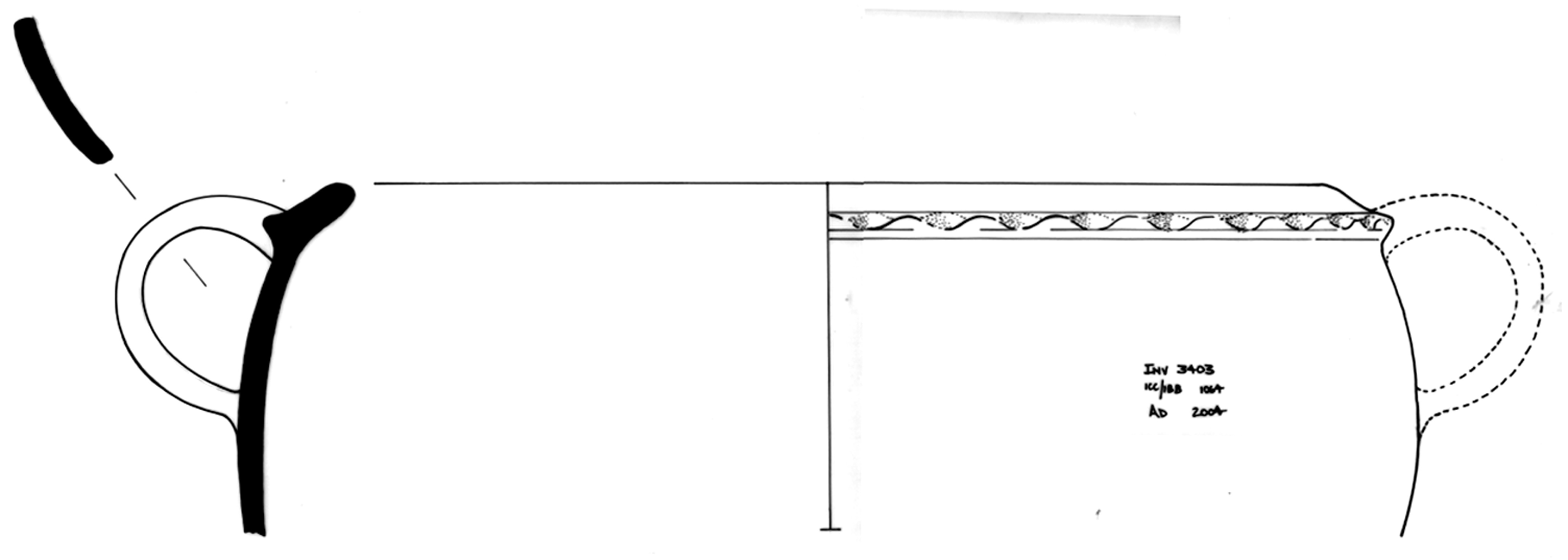
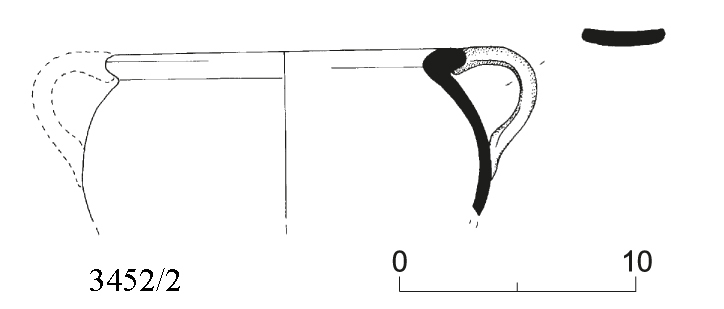

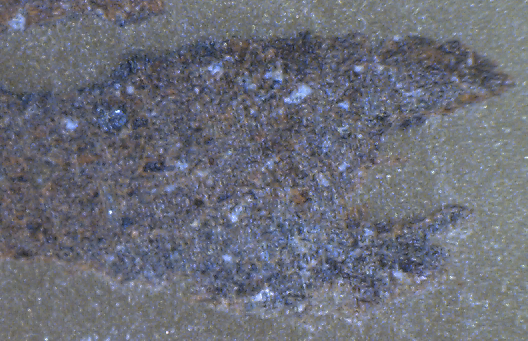


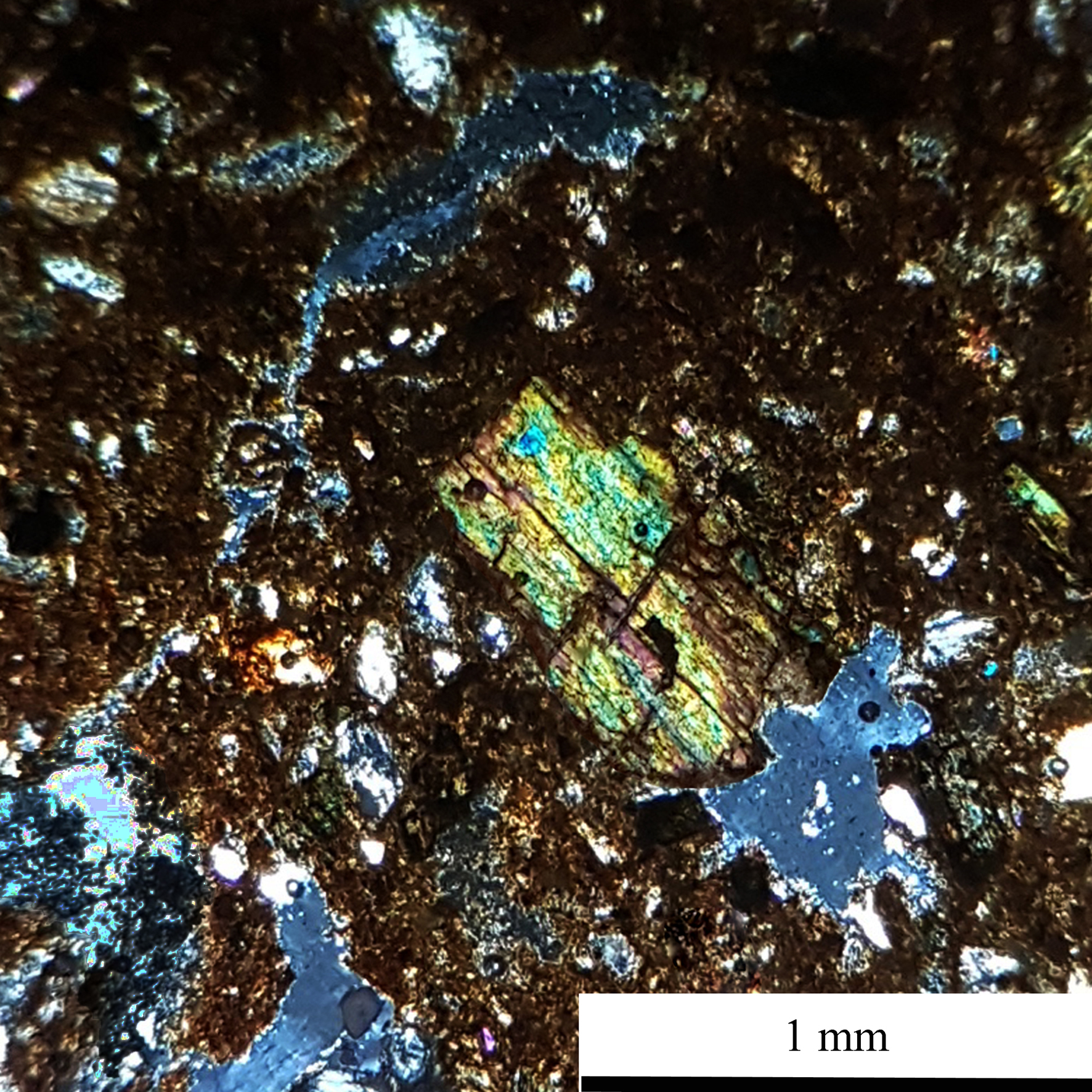
Troodos Medieval Handmade ware, Cypriot Byzantine and Medieval hand-made ware, Cypriot Medieval Handmade Coarse Ware, Paphos Group D
Paphos/Nea Paphos (Cyprus/Western South Coast)
'Akko/Acre (Israel/Northern Coastal Plain)
