
Israel/Northern Coastal Plain
Crusader-Frankish/Ayyubid/early Mamluk
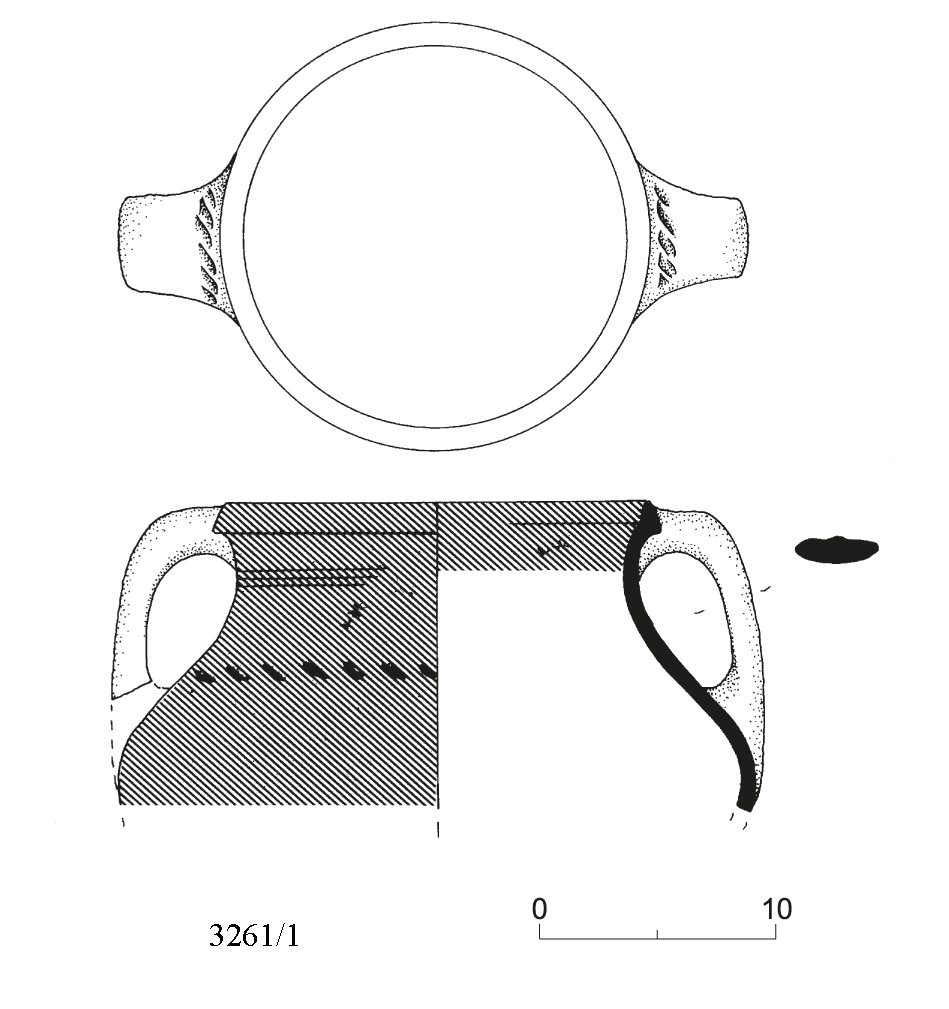
Cooking/Food production
It has dark gray ferruginous micaceous matrix containing some silty
plagioclase and hornblende. The gray color of its matrix can be a result of a reducing
atmosphere in the kiln during firing. Temper comprises about 20% of the volume
of the sherd and its grains vary in size from 0.1 to 2.0 mm. Most of the temper
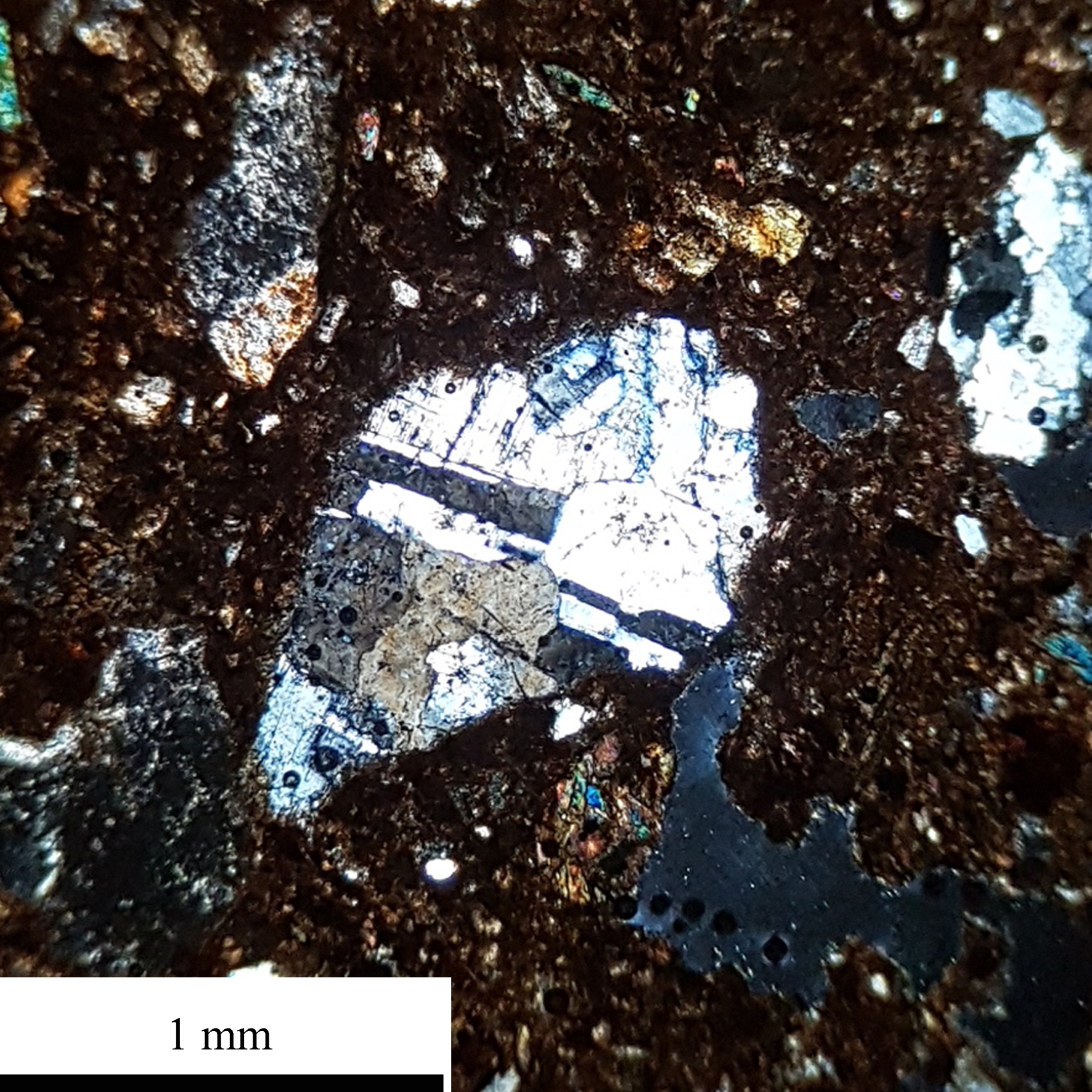
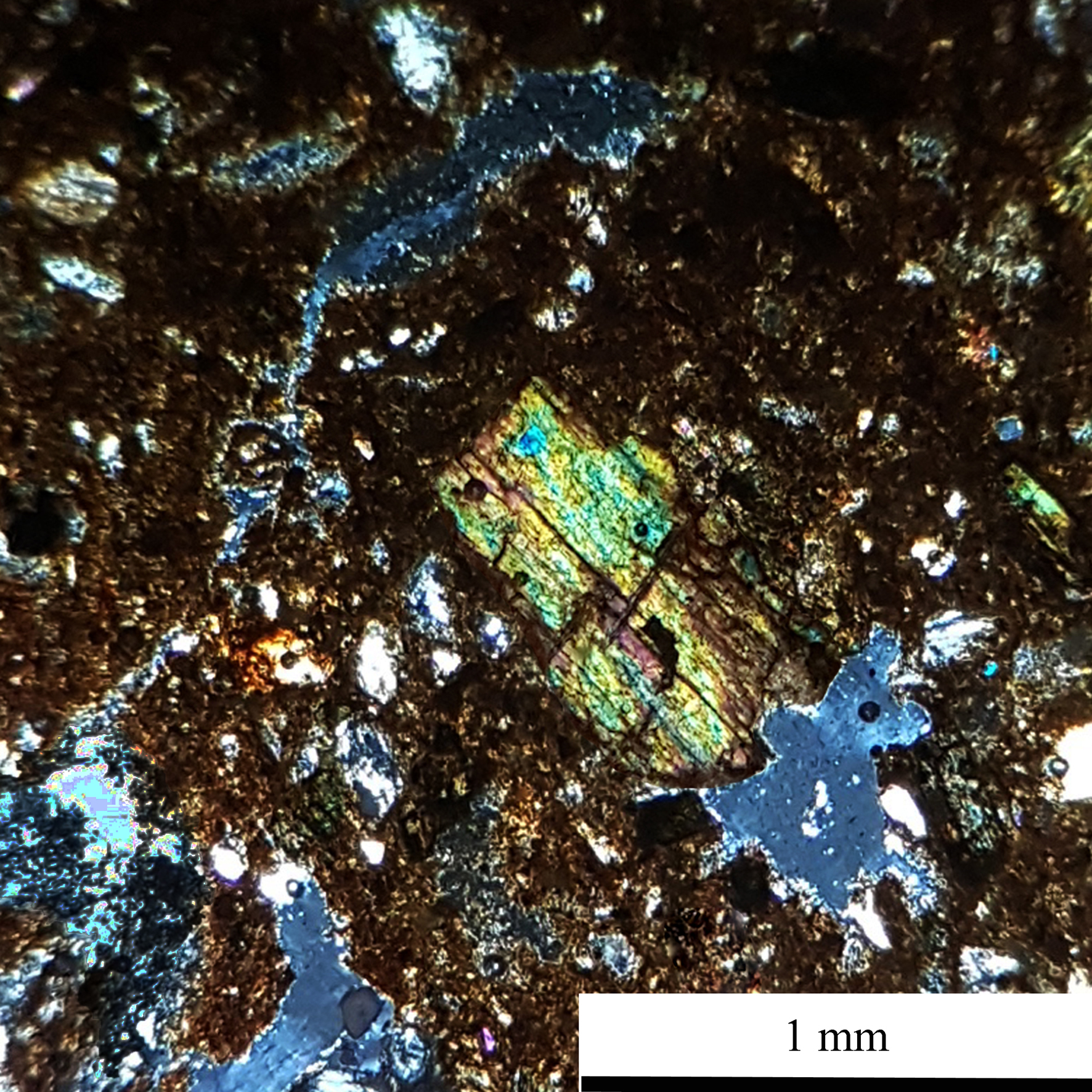
is mineral grains and rock fragments of basic to ultra-basic metamorphic rock, such
as pyroxene, hornblende, plagioclase, biotite, olivine, harzburgite, dunite, hardly
eroded basalt, etc. Also present are rare sand-sized rounded to elongated (0.3–0.4 mm) opaque to very
dark brown fragments which can be ore minerals (like limonite), and negatives
after some organic matter vanished during the firing. The latter are visible as
sub-rounded triangular and elongated rectangular voids.
Figs. for P132=quartz-feldspar intergrowth (as Smadar mentioned);
(a)=angular grain of pyroxene
Cyprus / Paphos
pyroxene, hornblende, plagioclase, biotite, olivine, harzburgite, dunite, hardly eroded basalt, etc.
—
—
dark gray ferruginous micaceous matrix containing some silty plagioclase and hornblende
