
Cyprus/Troodos mountains/volcaniclastic sediments with plutonics, diabase, basalt rocks and pillow lavas
Cyprus/Troodos mountains
Troodos basaltic soils
Ophiolite complex
Information regarding this ware was retrieved from the Ph.D. dissertation submitted by Sarah Vaughan in 1987 to University College London:
The Troodos Mountains comprise a significant area of Cyprus, stretching NW-SE between the north and south coasts, dominating the central-southern part of the island. They represent an ophiolite complex thought to be pre-Campanian in age, containing plutonic, diabase, basalt rocks, and pillow lavas, with associated volcaniclastic sediments. The foothills are characterized by members of a Cretaceous and Palaeogene sedimentary succession, specifically the Perapedhi, Kannaviou, and Moni Formations overlain in places by the chalks and marls of the Lefkara Formation (after Vaughan 1987; Vol II: 99).
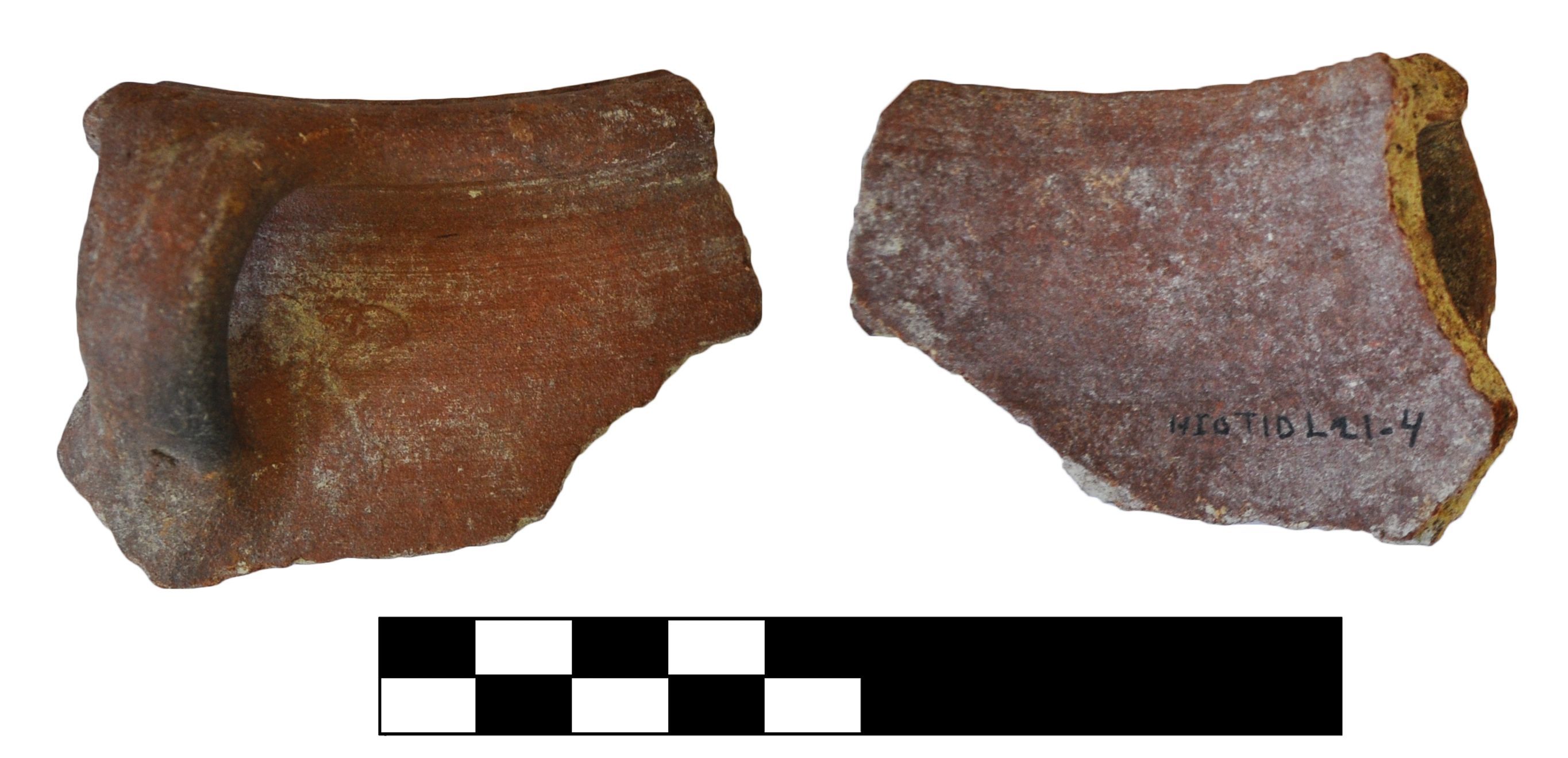
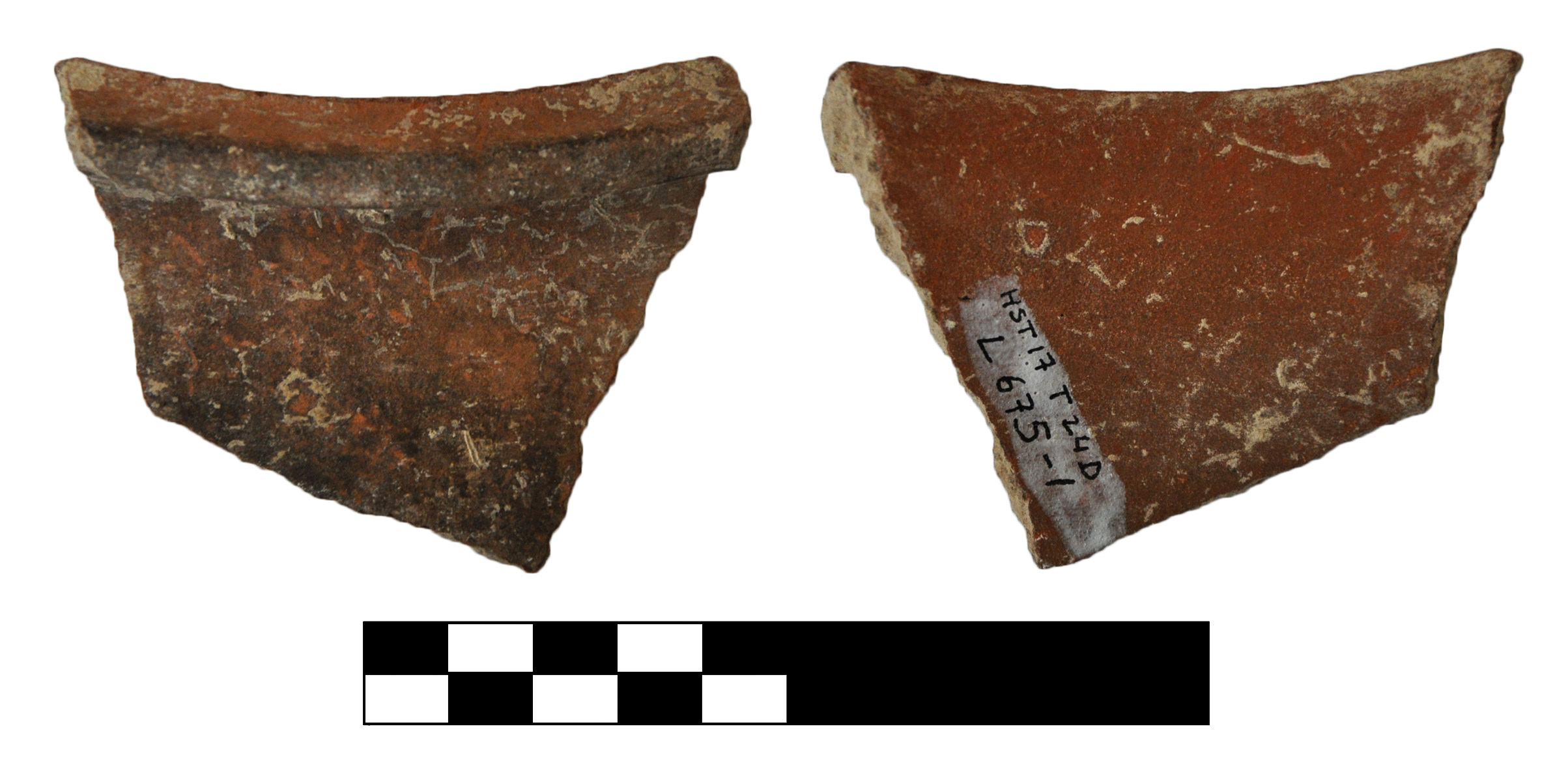
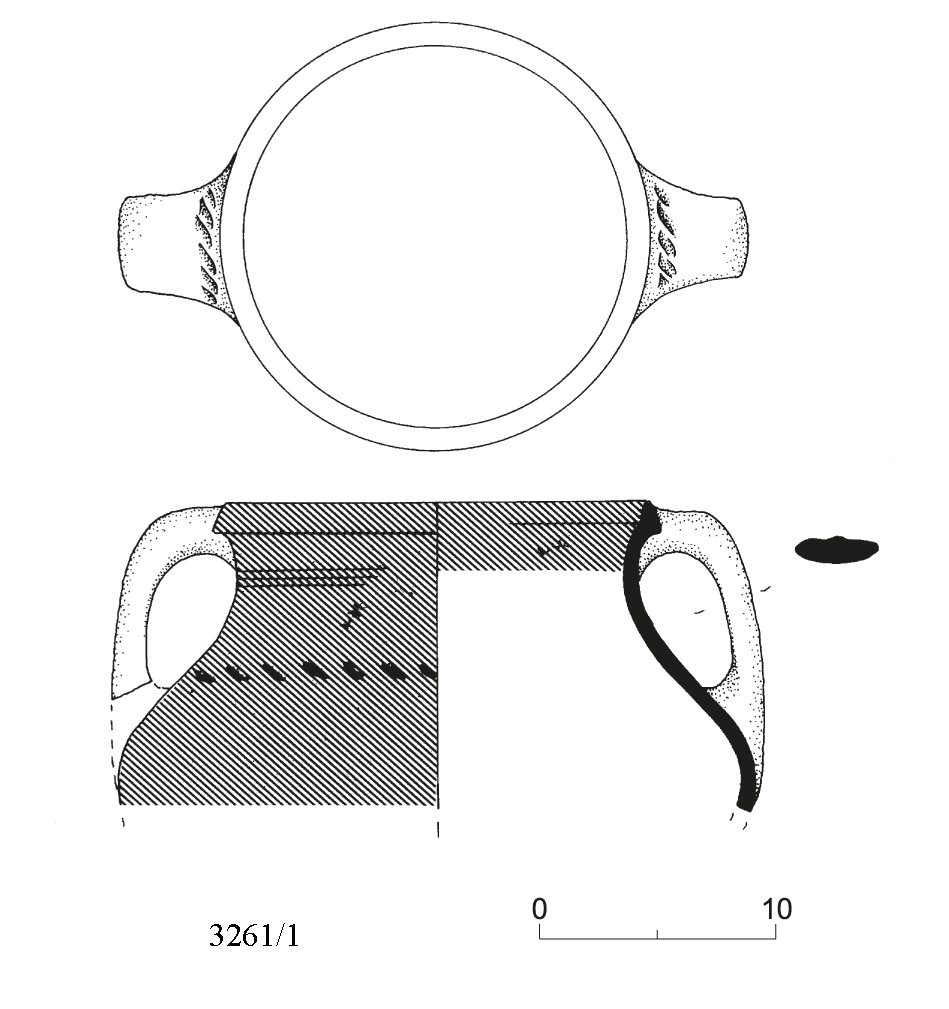
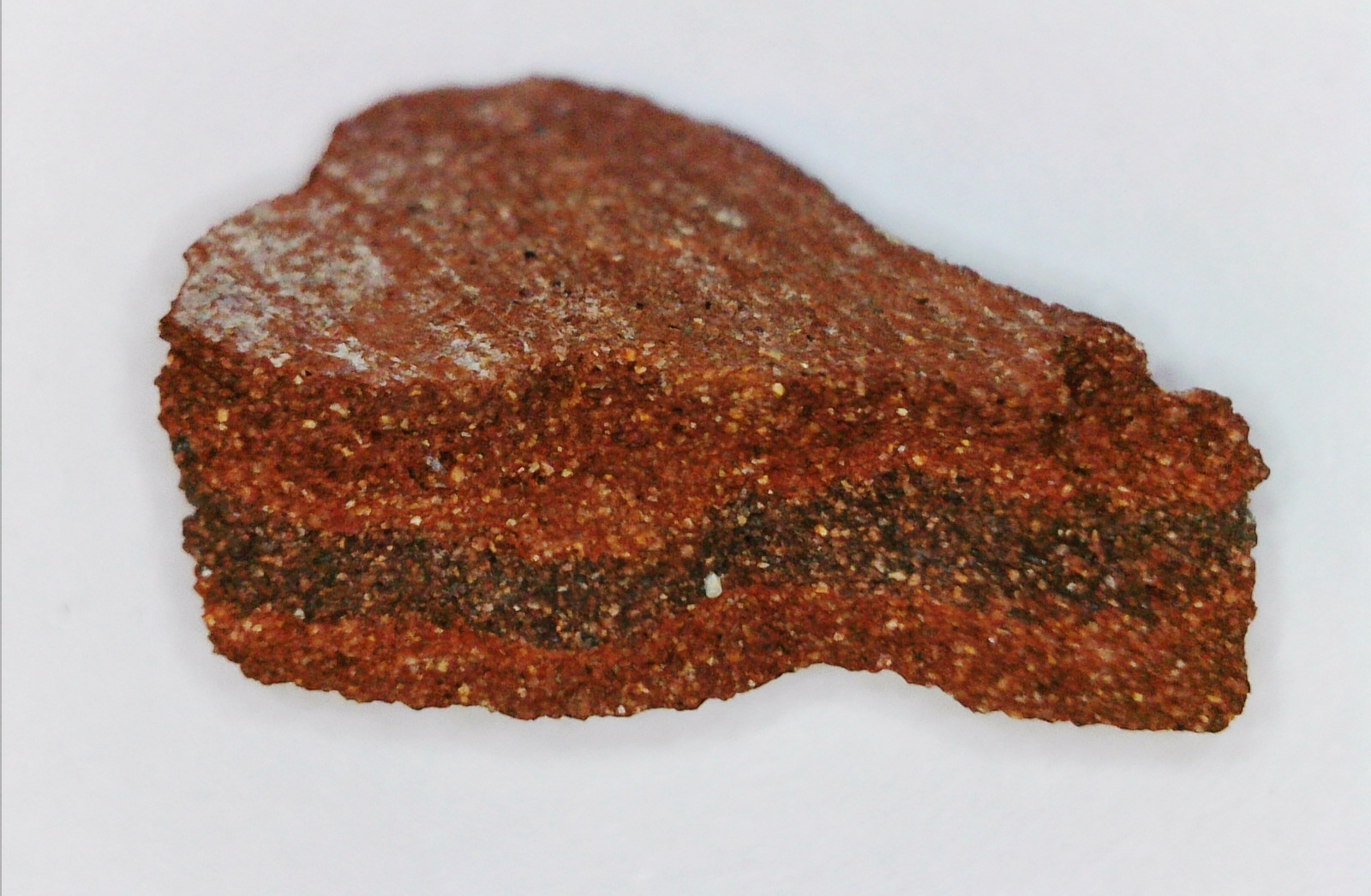
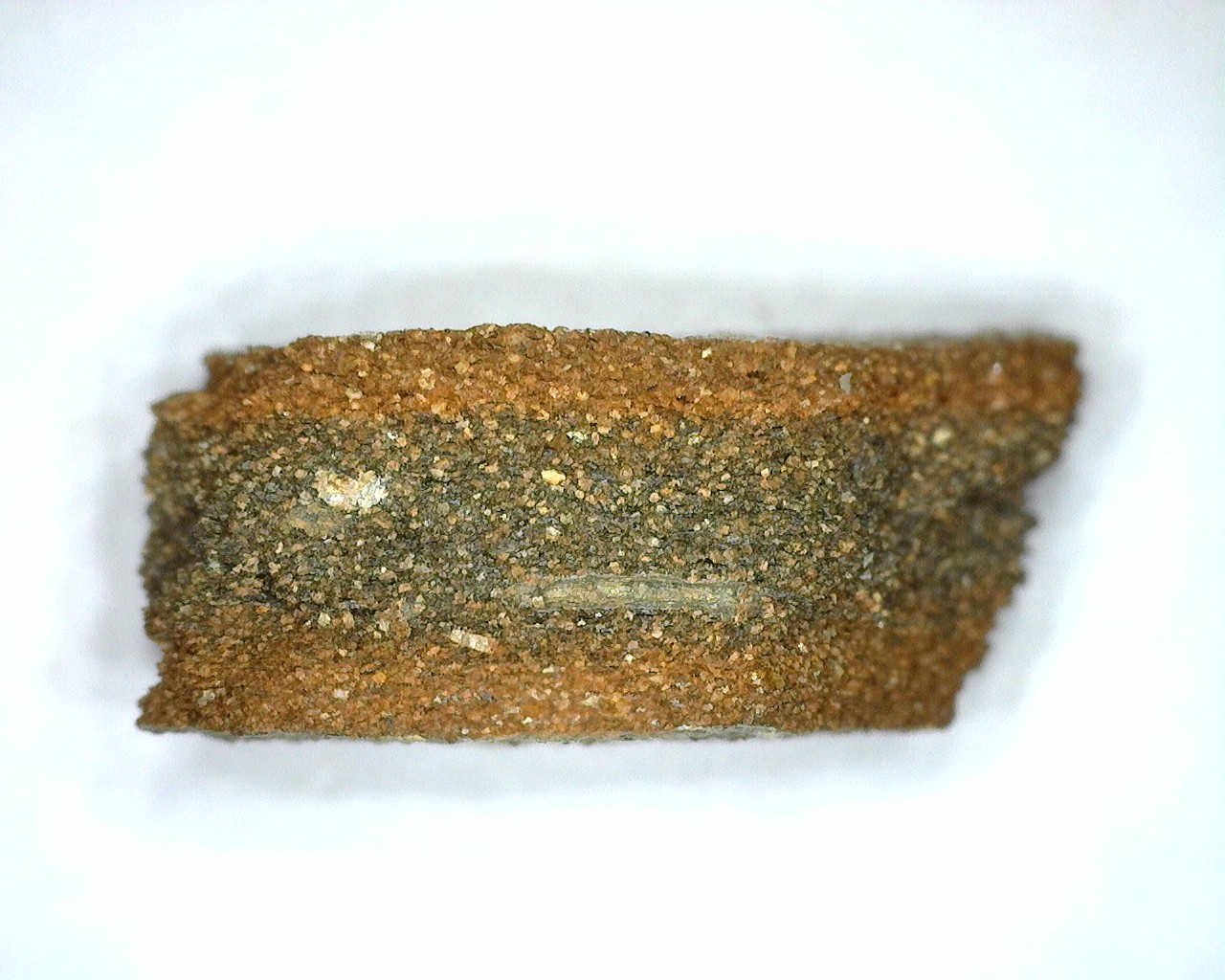
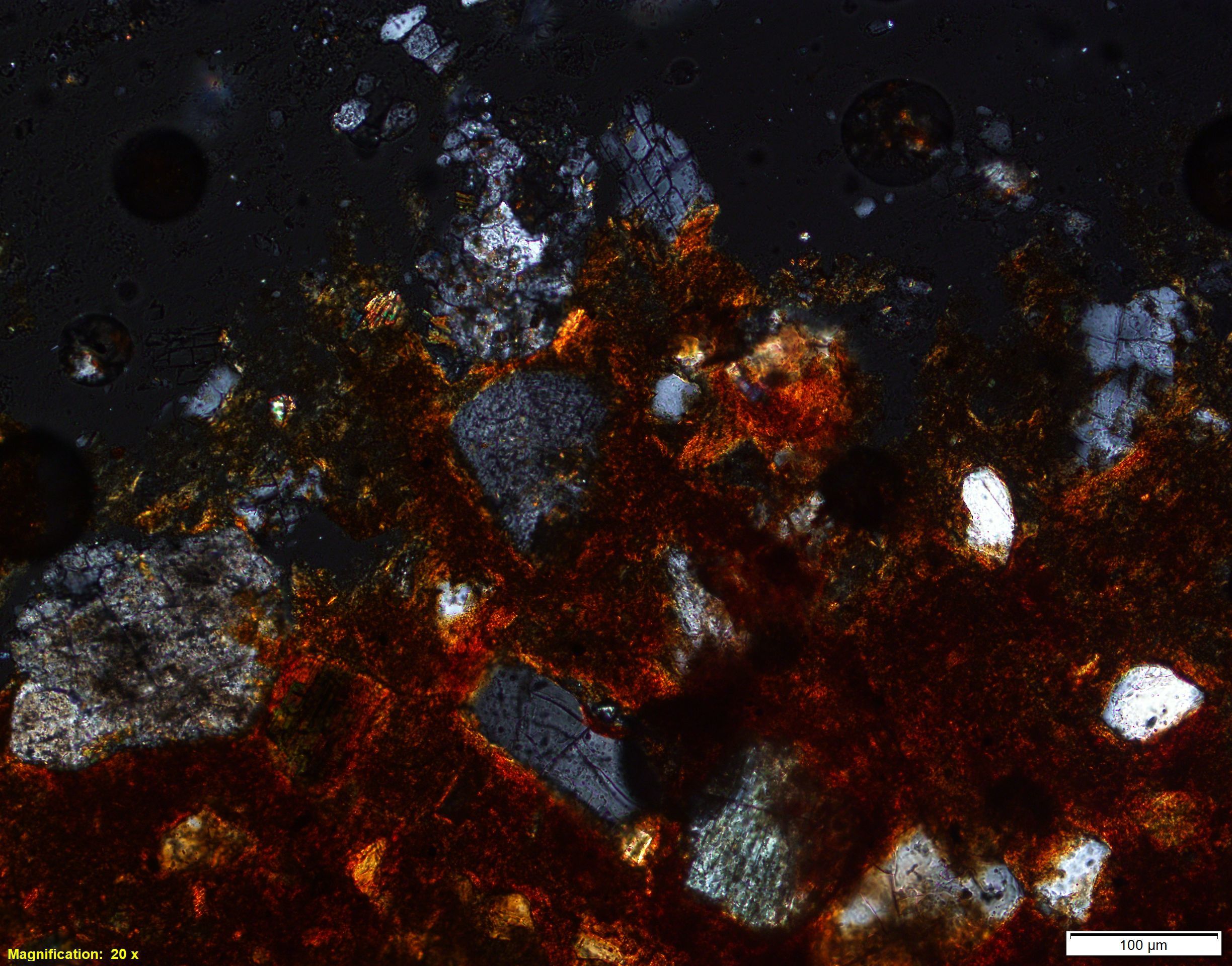
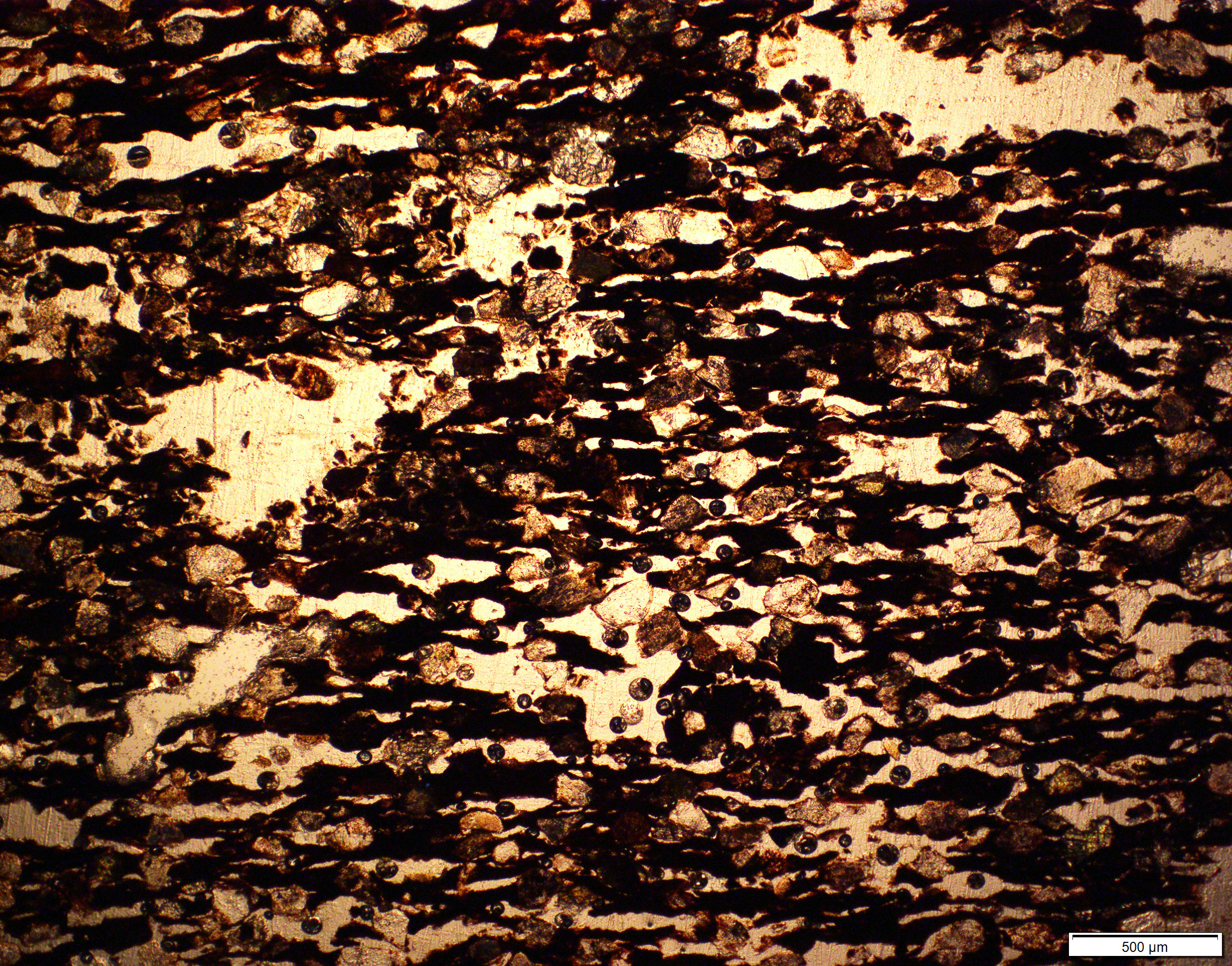
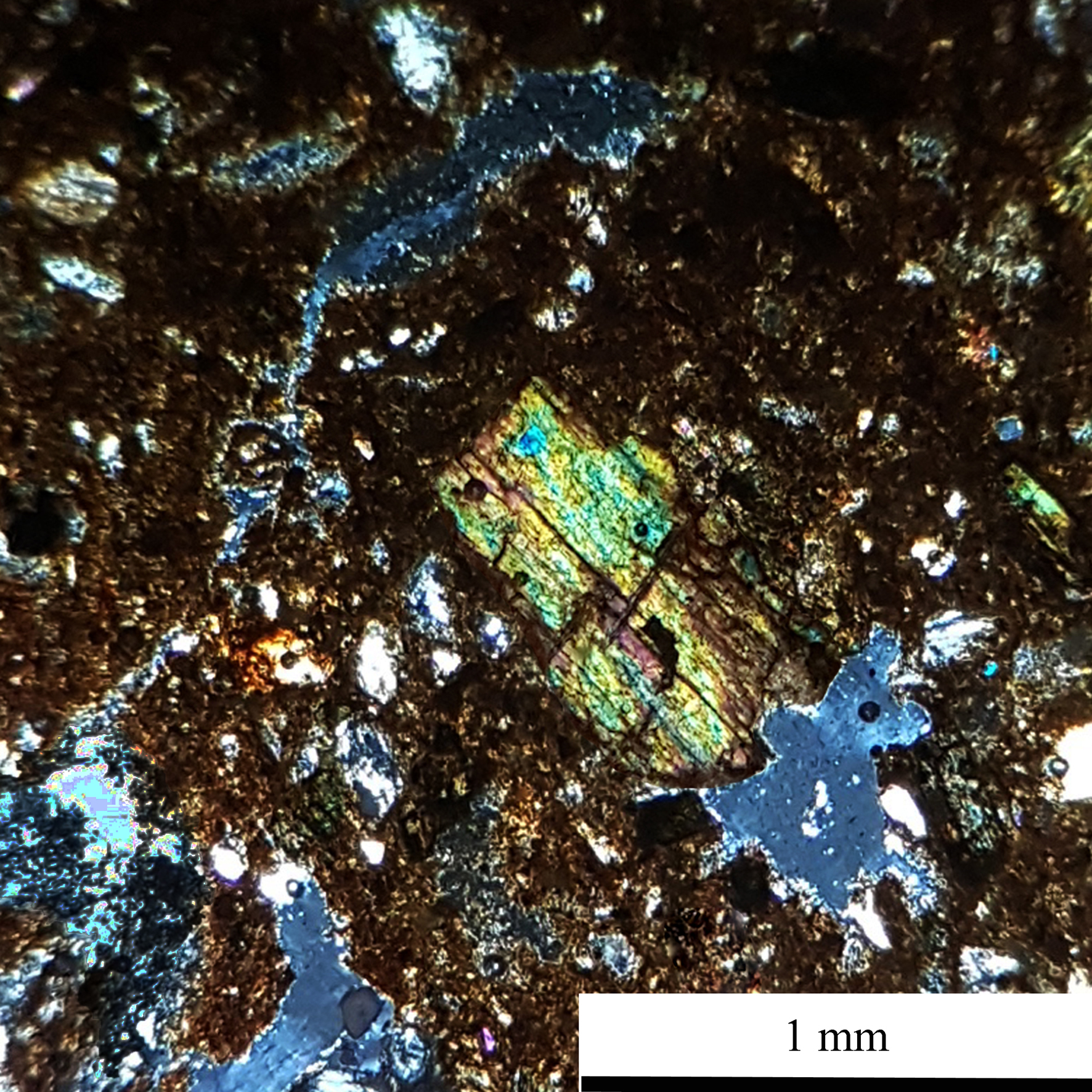
Residual colluvium over the diabase in the Troodos Mountains, which is used by several contemporary ceramic workshops for the manufacture of coarse
earthenware vessels. The diabase soils are non-calcareous and iron-rich, incorporating varying percentages of montmorillonite and chlorite, small amounts of vermiculite and kaolinite at times. with notable amounts of quartz and feldspar. The soils often contain relatively fresh or slightly altered fragments of basic igneous rocks. These soils are rich in ores and characterized by low K percentages that were compatible with the weathered materials derived from the low-K basic lavas of the mountains (after Vaughan 1987, Vol. I: 115, 131).
Information regarding this ware was retrieved from the Ph.D. dissertation submitted by Sarah Vaughan in 1987 to University College London:
The Troodos Mountains comprise a significant area of Cyprus, stretching NW-SE between the north and south coasts, dominating the central-southern part of the island. They represent an ophiolite complex thought to be pre-Campanian in age, containing plutonic, diabase, basalt rocks, and pillow lavas, with associated volcaniclastic sediments. The foothills are characterized by members of a Cretaceous and Palaeogene sedimentary succession, specifically the Perapedhi, Kannaviou, and Moni Formations overlain in places by the chalks and marls of the Lefkara Formation (after Vaughan 1987; Vol II: 99).
4th - 8th centuries CE
Late Roman, Early Byzantine, Byzantine, Late Roman
