
Lebanon/Biqa Valley/Northern Coast/Jurassic–Middle Cretaceous Limestones Alluvial Colluvial
Lebanon/Biqa Valley, Lebanon/Northern Coast
—
Terra Rossa's and Rendzina derived from massive limestones of mostly of lower to middle Cretaceous age. Soils are alluvial or colluvial
The petrofabrics derived from Jurassic-Middle Cretaceous limestone is composed of a clay- rich matrix with a fine to silty texture but fairly coarse containing between 22-27% non-plastic inclusions. Voids occur rarely. The aplastic inclusions are always poorly sorted but can exhibit a bimodal distribution. The naturally occurring grains exhibit a high to moderate sphericity. Larger grains are sometimes subangular. Rarely grains occur that are elongated. Pieces of micritic mudstone (dunham classification) occur occasionally to moderately in the samples. They occur in fine to coarse sand sized grains. Rarely, examples are found that are silty in texture. Coarse sand-sized grains of sandstone occur rarely. Rounded grains of fine sand sized calcite occur rarely. Individual grains of dolomite occurred rarely in some samples, rounded grains of quartz with a moderate to high sphericity occurred occasionally in the samples. Quartz most commonly occurs in fine to medium sand sized grains that are anhedral. Trace amounts of microcline are noted. Fine grained moderate to coarse sand sized shales occurred rarely in the samples. They were most commonly elongate and highly rounded. They often contain coarse silt sized quartz and carbonate grains. Trace amounts of silt-sized grains of zircon occurred in some samples. Microfossils can be rarely present or more common in some samples. Calcite may be used as a temper wth certain pot types (e.g cooking or Storage/Transport Jars)
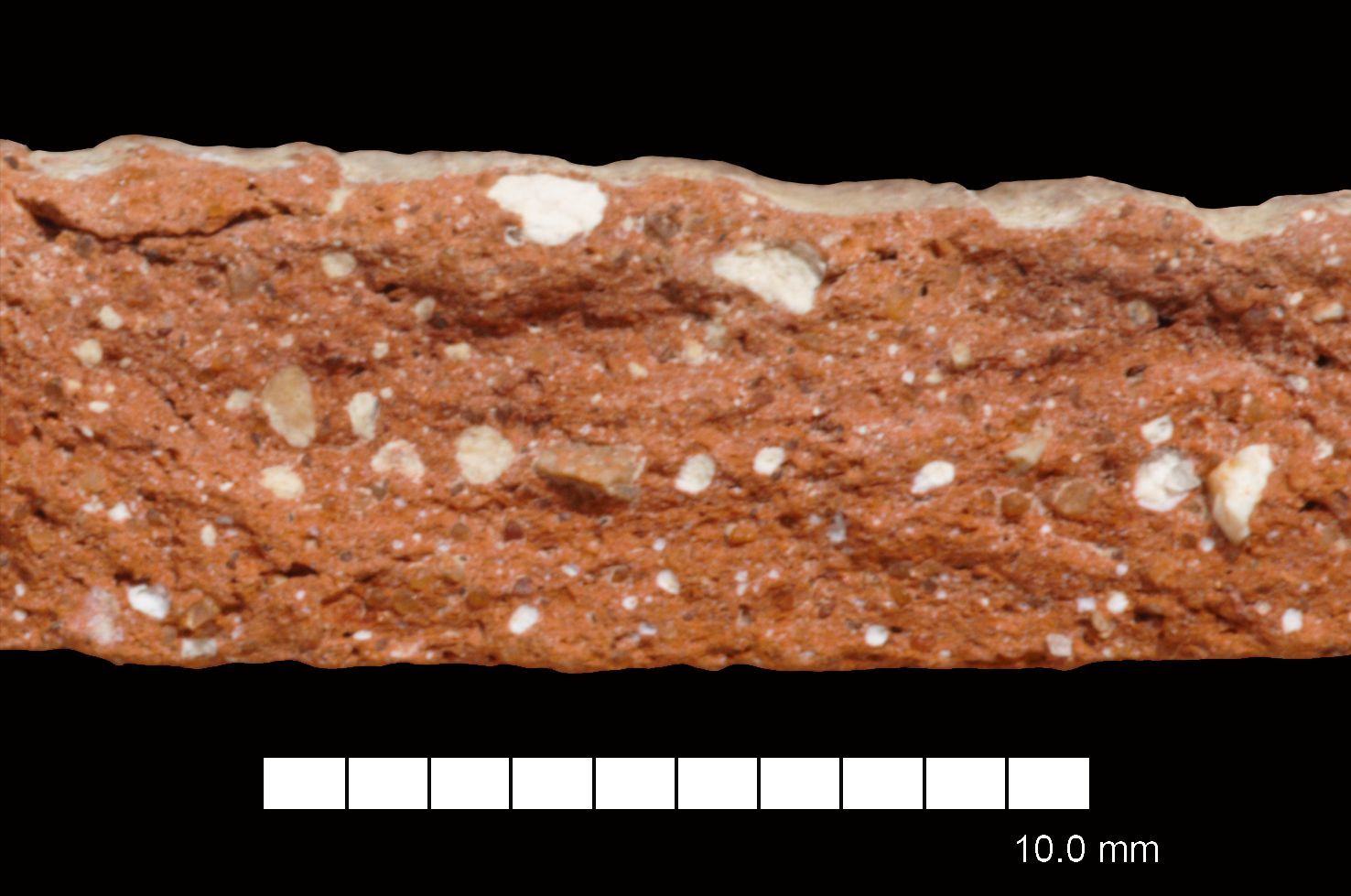
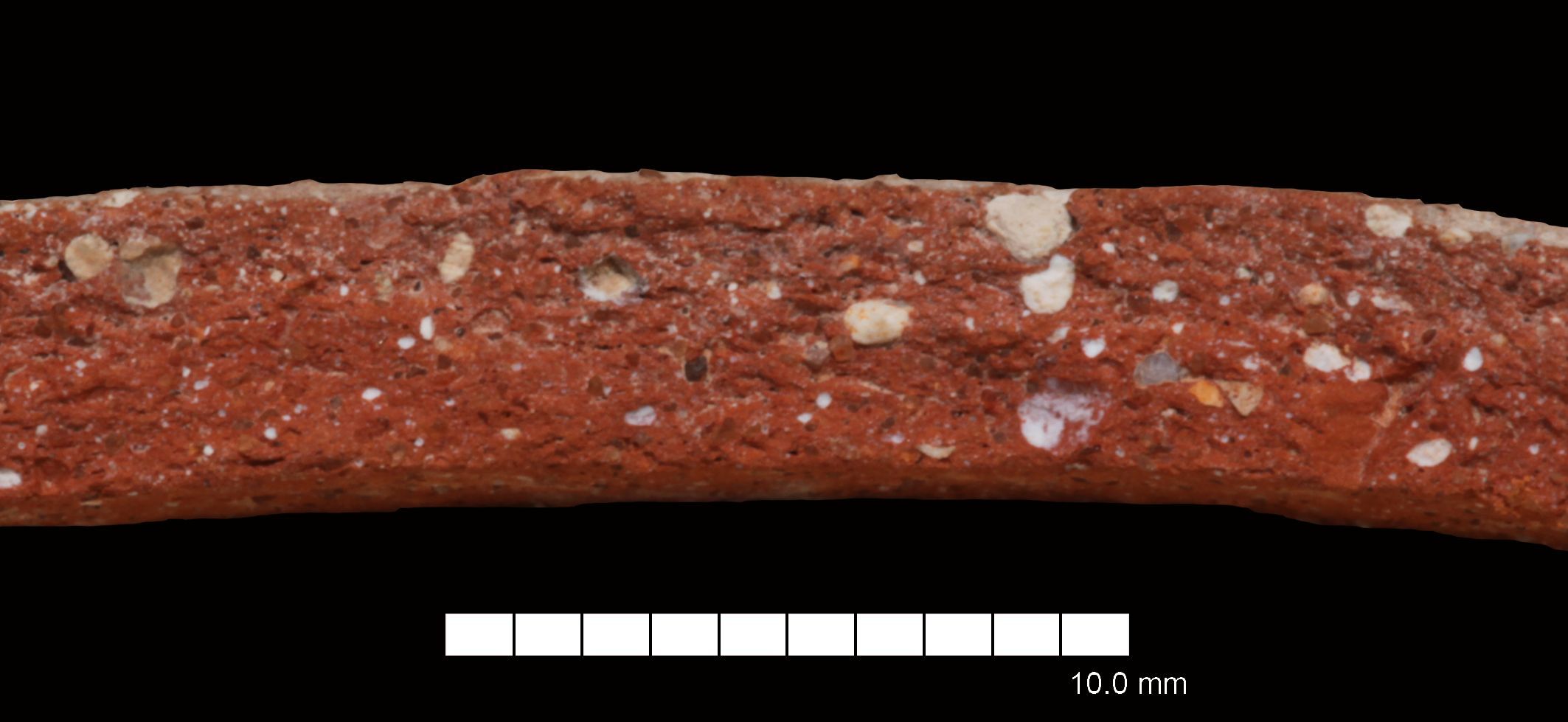
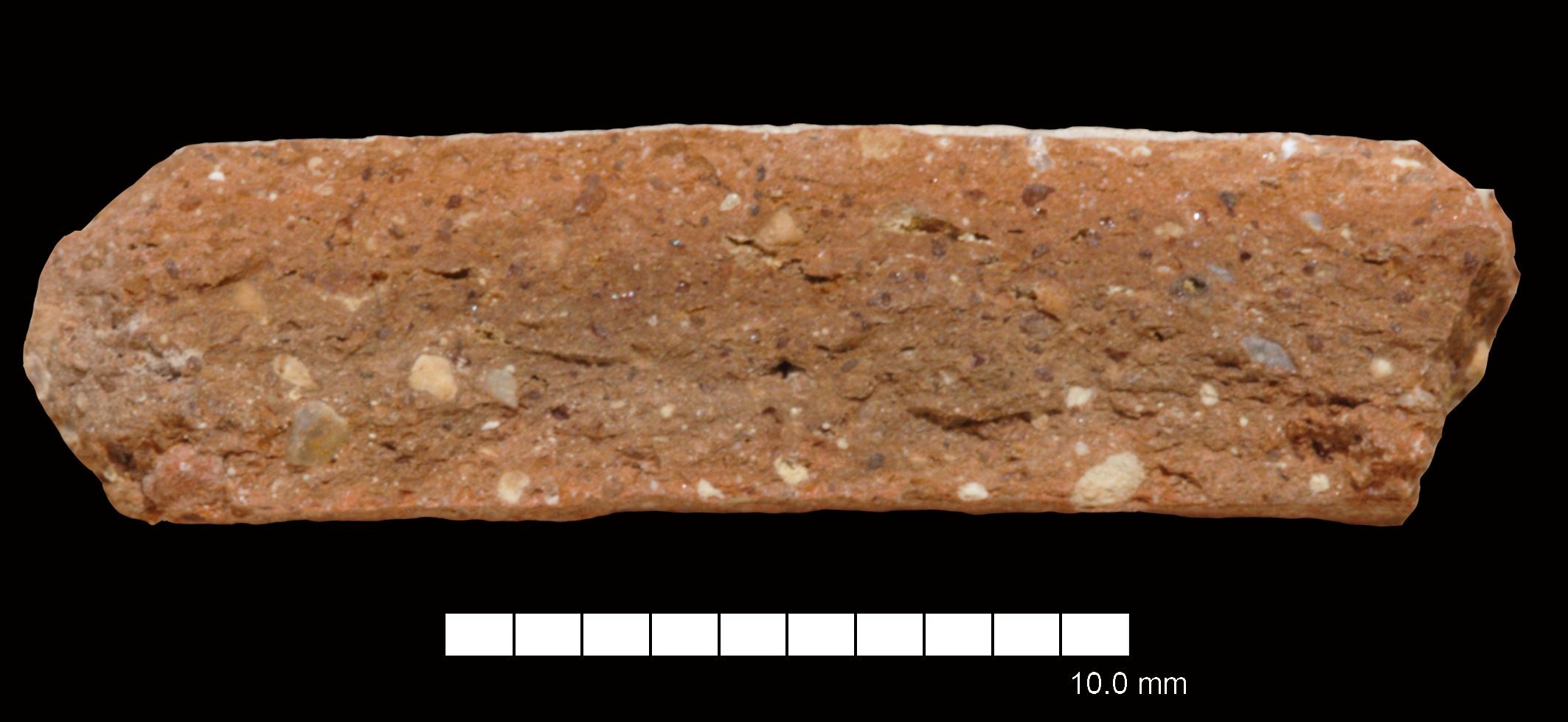
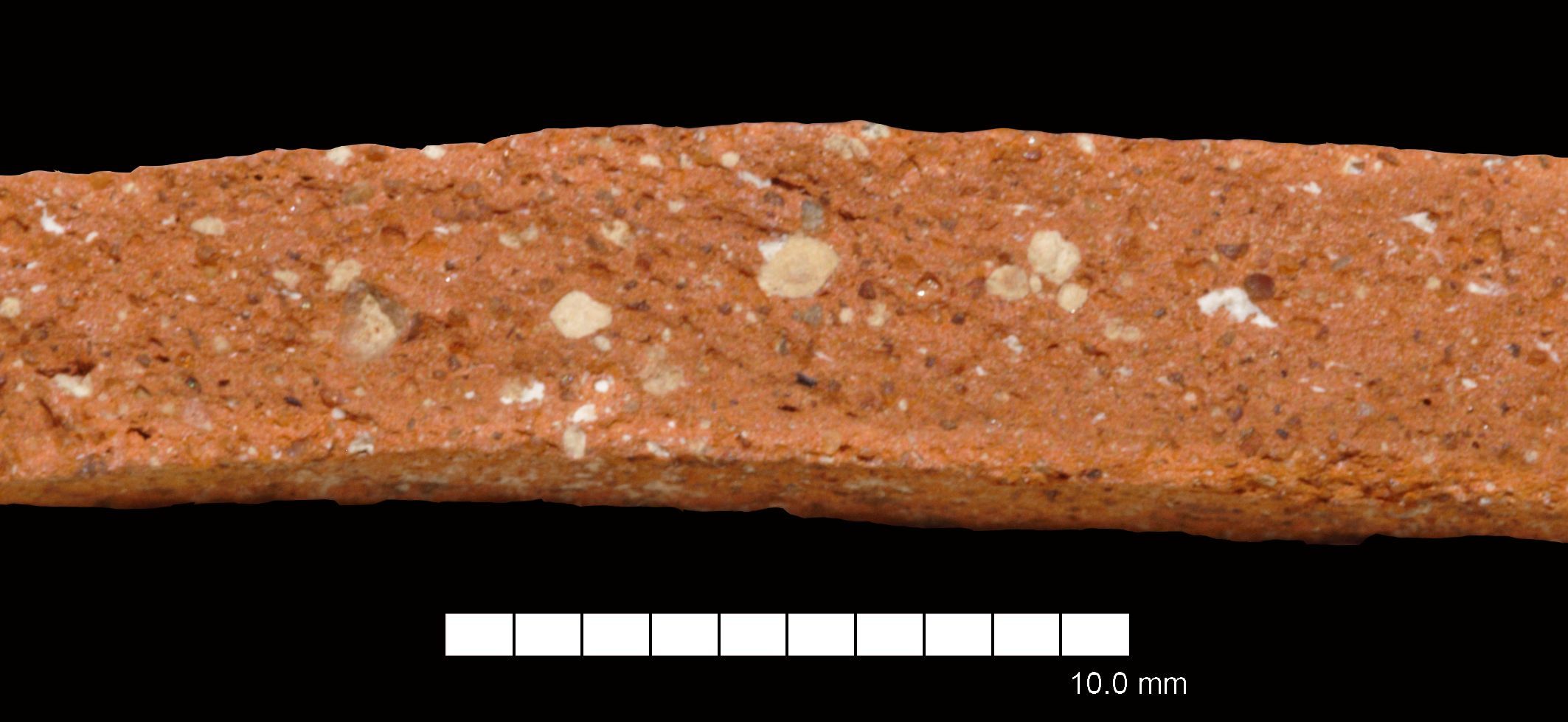


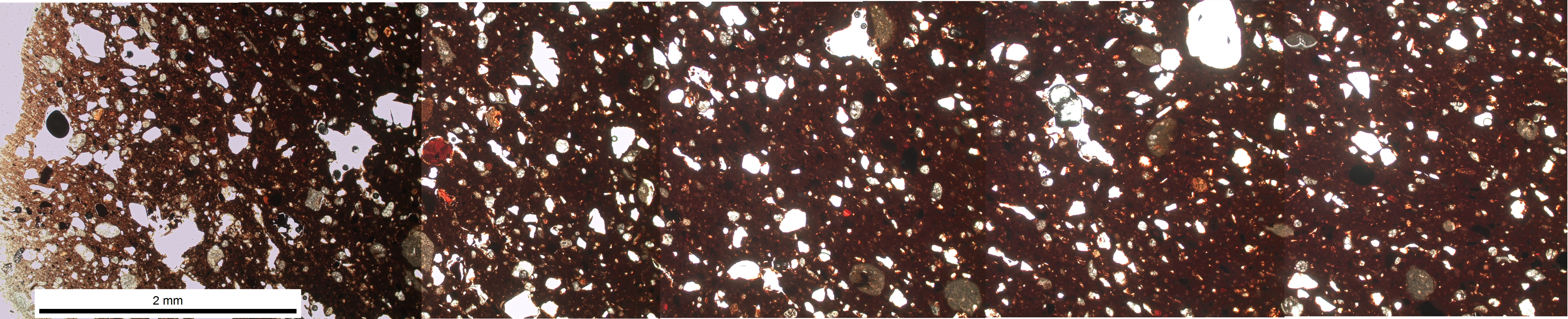

The petrofabrics derived from Jurassic-Middle Cretaceous limestone is composed of a clay- rich matrix with a fine to silty texture but fairly coarse containing between 22-27% non-plastic inclusions. Voids occur rarely. The aplastic inclusions are always poorly sorted but can exhibit a bimodal distribution. The naturally occurring grains exhibit a high to moderate sphericity. Larger grains are sometimes subangular. Rarely grains occur that are elongated. Pieces of micritic mudstone (dunham classification) occur occasionally to moderately in the samples. They occur in fine to coarse sand sized grains. Rarely, examples are found that are silty in texture. Coarse sand-sized grains of sandstone occur rarely. Rounded grains of fine sand sized calcite occur rarely. Individual grains of dolomite occurred rarely in some samples, rounded grains of quartz with a moderate to high sphericity occurred occasionally in the samples. Quartz most commonly occurs in fine to medium sand sized grains that are anhedral. Trace amounts of microcline are noted. Fine grained moderate to coarse sand sized shales occurred rarely in the samples. They were most commonly elongate and highly rounded. They often contain coarse silt sized quartz and carbonate grains. Trace amounts of silt-sized grains of zircon occurred in some samples. Microfossils can be rarely present or more common in some samples. Calcite may be used as a temper wth certain pot types (e.g cooking or Storage/Transport Jars)
