
Medieval-Modern Levantine Handmade Unpainted ware
Israel/all, Jordan/all
10th c. - 20th c. CE
Middle-Late Islamic/Mamluk, Later Islamic - Fatimid/Mamluk, Ottoman, Ottoman
General Information
This name represents a long-lived, widespread ware family of handmade, unpainted vessels. Examples often appear in the same contexts as Medieval-Ottoman Levantine Handmade Painted Ware vessels, but are attested in 10th century contexts at Petra (Sinibaldi 2016), and probably by the 11th c. at Aqaba (Whitcomb 1988), Humayma, and Gharandal (Walmsley and Grey 2001) in southern Jordan, and at Kh. el-Khurrumiya in northern Israel. Preliminary observations suggest that in the Mamluk period these two wares may sometimes represent different productions in Jordan, with the unpainted wares and some painted wares representing a lower quality manufacturing process and some painted wares representing a higher quality (Petra); in the later Ottoman era the difference in quality between painted and unpainted wares, however, is less clear, and may reflect the same production. Known shapes include large jugs, jars, basins, small bowls, juglets, and lamps with larger utilitarian shapes such as jars and basins being more common. This production differs from Medieval-Ottoman Levantine Handmade Cooking Pot ware in that the latter has more added temper. As with the painted ware, various forming techniques are attested: a slow-turning disc (Petra), coils (Petra), slabs (at Aqaba in Jordan). Poor firing, resulting in a noticeable black core, is usual, and in Petra it is rarely light grey. In Mandate-period Palestine firing was often done in open-air pits, and this may well be the case for this family, given the usual back core and uneven firing of the surface. In Petra, this production is recorded until the mid 20th century.
Clay color depends on place of manufacture and region; published colors include light brown (in the Wadi Arabah) and red (Petra region), usually with a grey or black firing core. The surface is sometimes cloudy from uneven firing, but it is difficult to make general observations across the wide area and time period that this ware is attested. A distinguishing aspect is the presence of vegetal inclusions, in some cases specifically as dung temper. Other inclusions include many grits and lime. Surface decoration can include small pinprick holes; these are attested at sites in the southern Jordanian plateau in the early Medieval period (11th-12th c. CE) and in the Crusader period (12th-early 13th c. CE) at Kafr Yasif near Akko (Syon and Stern 2014). Additional plastic decorations such as applied clay bands and thumb impressions are also very common, especially in the Ottoman period.
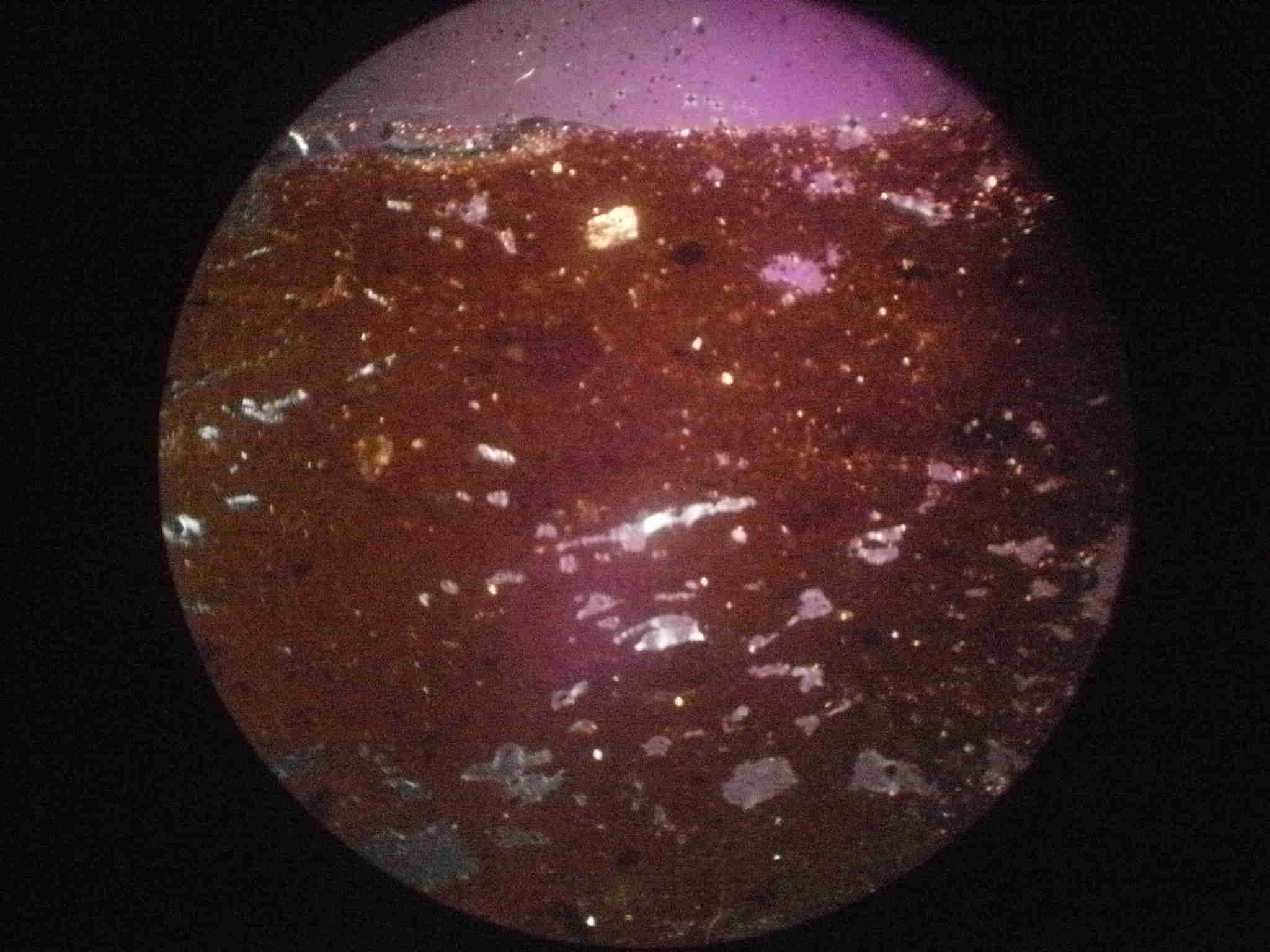
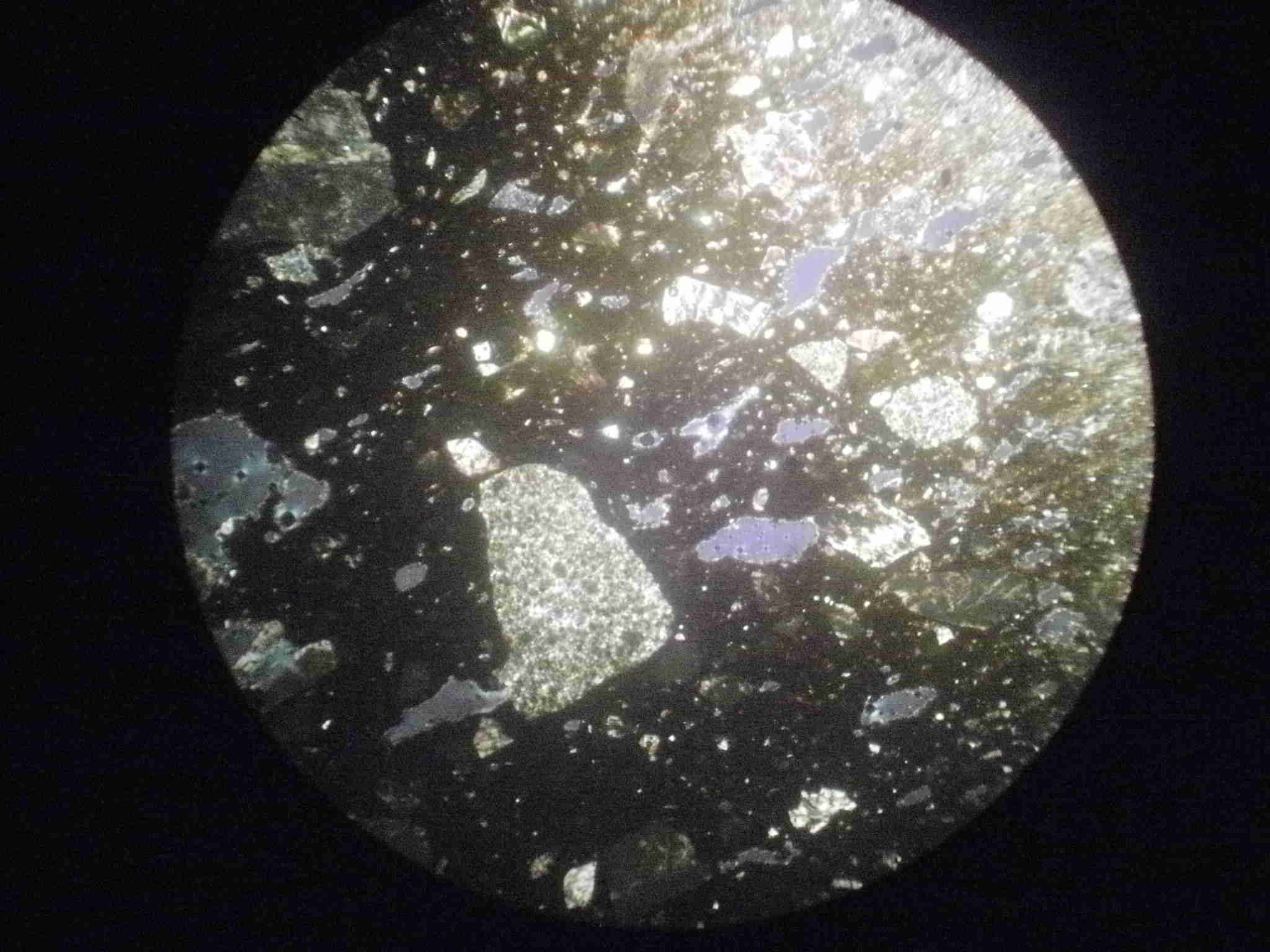
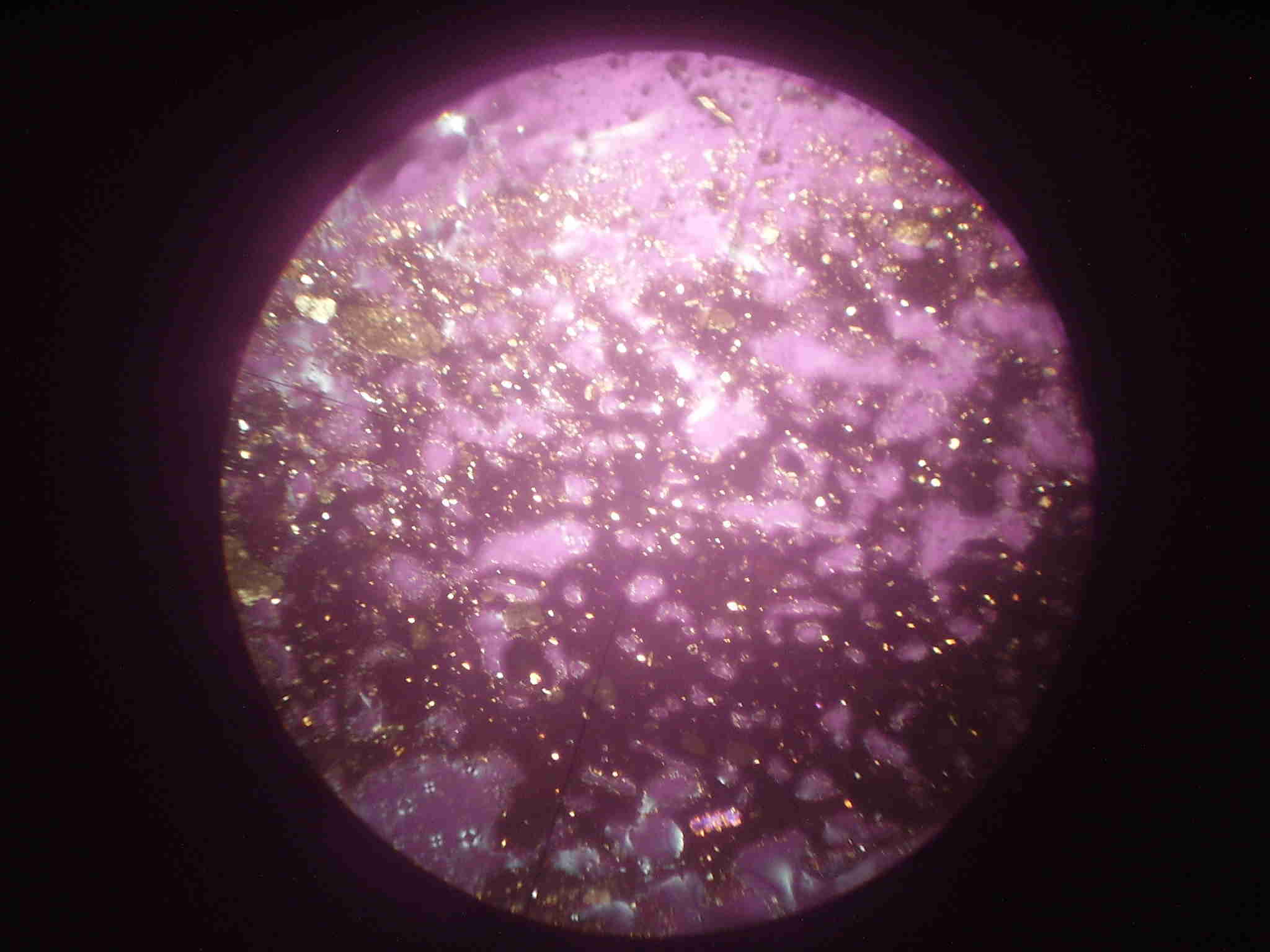
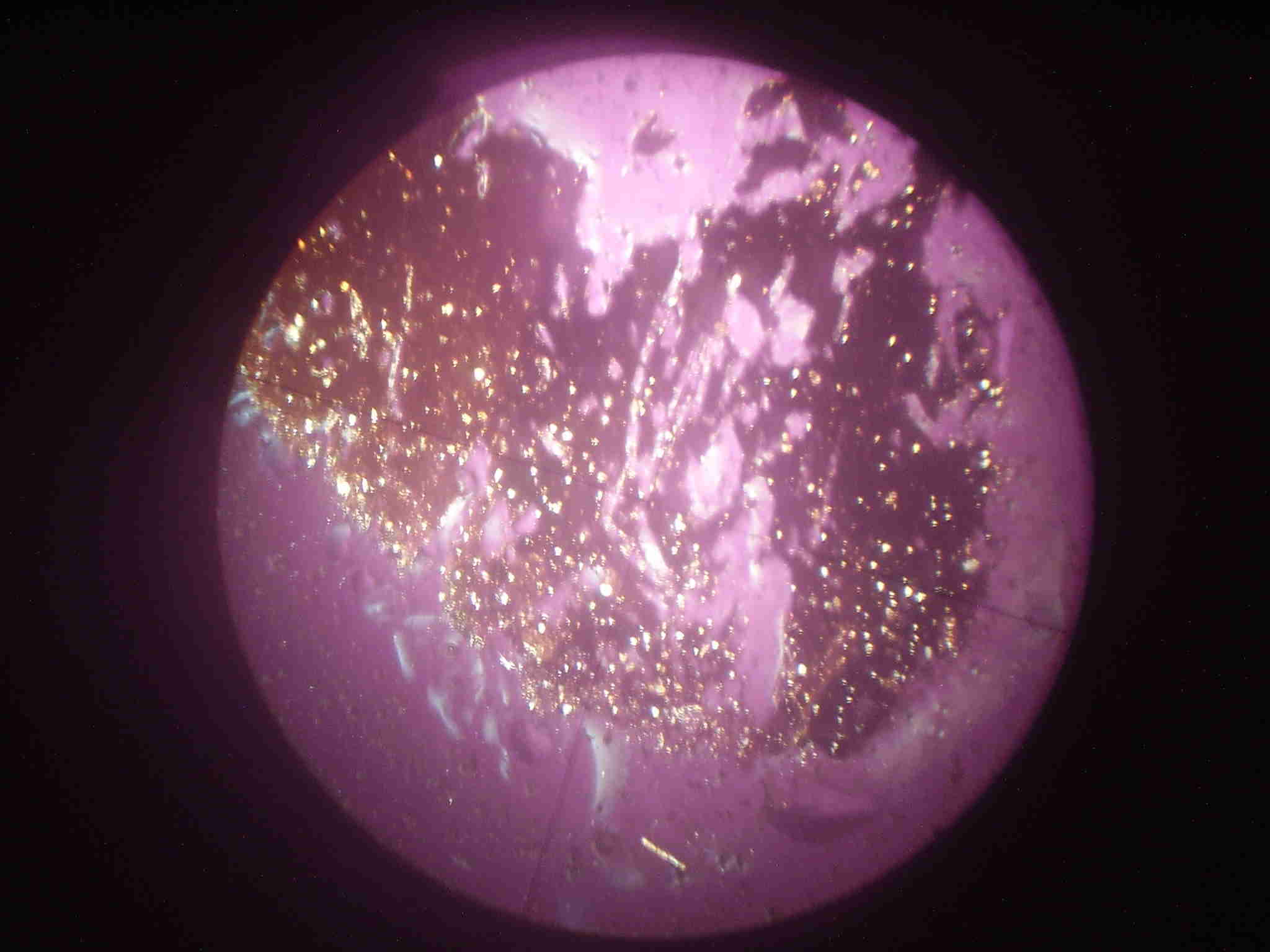
Handmade coarse ware (Brown 1992), Coarse ware (Walmsley 1992), Plain Handmade Coarse Ware and Early Plain Handmade Ware (Walmsley and Grey 2001), Tupperware (Whitcomb 1988),
Beth She'an, Scythopolis (Israel/Beth She'an Valley)
Horbat Bet Zeneta (Israel/Galilee)
Kfar Kanna, Jebel Khuweikha (Israel/Galilee)
Khirbet Din'ila (Israel/Galilee)
Khirbet Hur (Israel/Negev)
Legio/Lejjun (Israel/Jezreel Valley)
Tel Gush Halav (Israel/Galilee)
Tiberias (Israel/Galilee)
Jerusalem, Old City/East Jerusalem (Israel-Palestinian Authority/Central Highlands)
Tell es-Safi/Gath (Israel-Palestinian Authority/Southern Coastal Plain)
Bayda (Jordan/Southern Highlands)
Jabal Harun (Jordan/Southern Highlands)
Khirbat Nuqayb al-Asaymir (Jordan/Wadi 'Arabah)
Khirbat al-Dharih (Jordan/Southern Highlands)
Petra (Jordan/Southern Highlands)
Tall Hisban (Jordan/Central Highlands)
al-'Aqaba, Aila (Jordan/Wadi 'Arabah)
al-Wu'ayra (Jordan/Southern Highlands)
