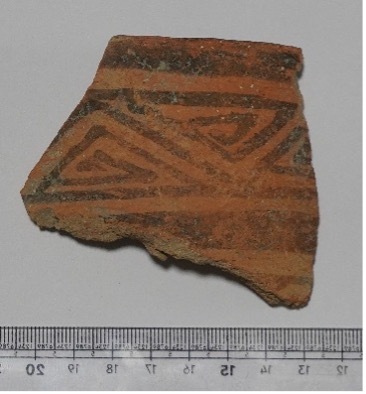
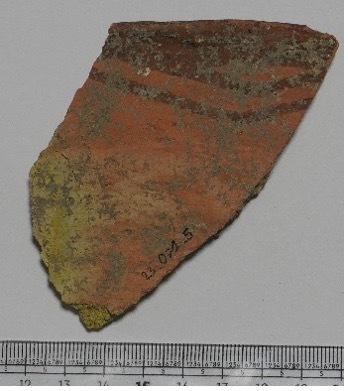
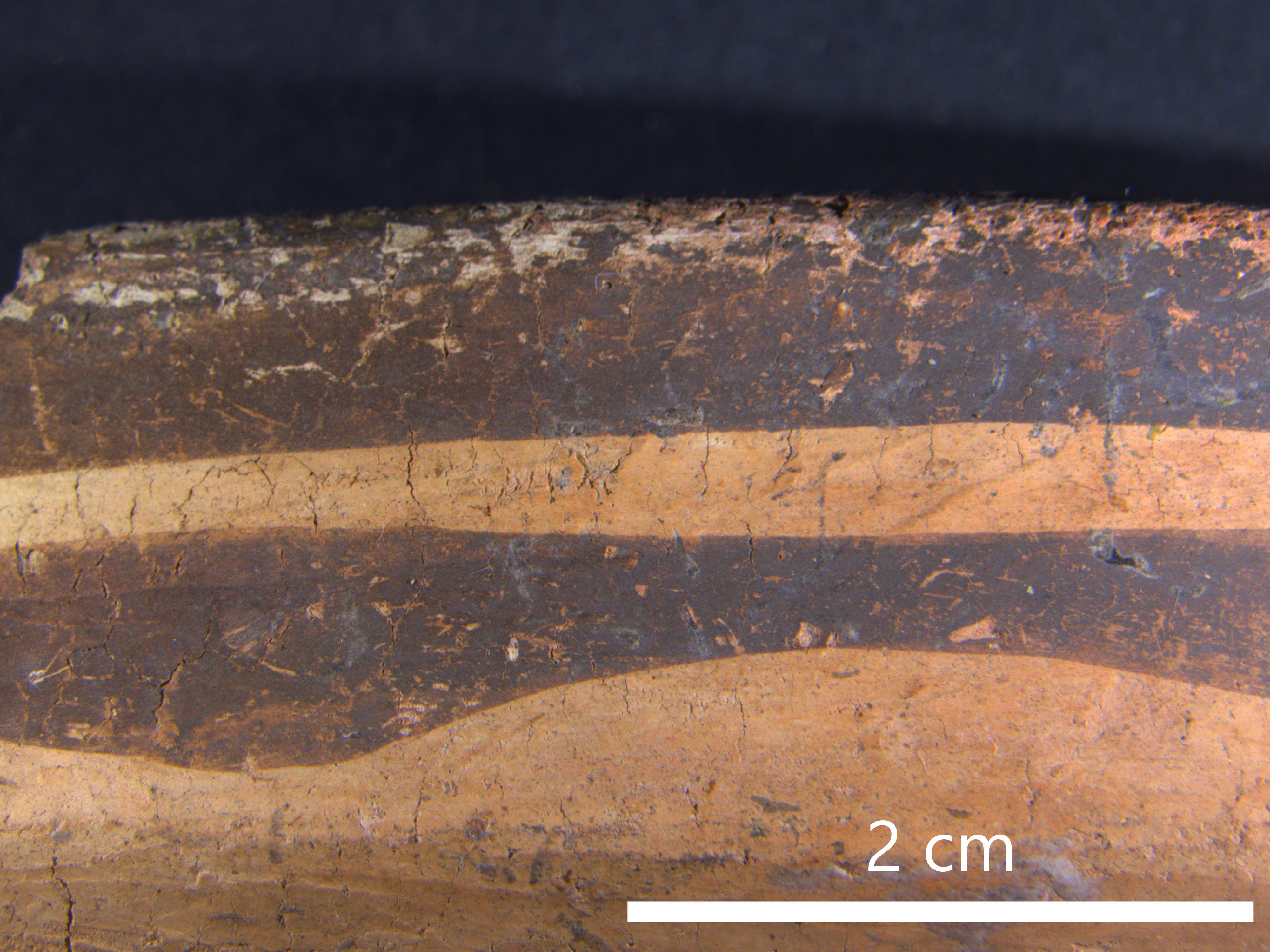
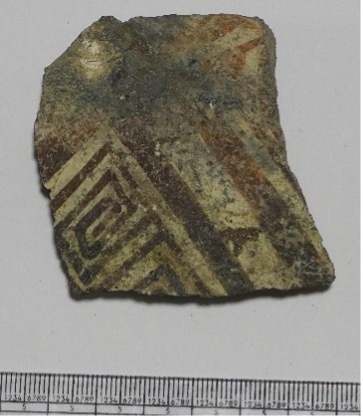
"Khirbat es-Sar is an important multi-period site located in the Balqa region, within the western part of the modern city of Amman. It preserves an uninterrupted sequence of occupation from the Iron Age until at least the Mamluk, and possibly even the early Ottoman, period. Until relatively recently, the site had received only fragmentary attention in the scholarly literature. It was visited and described by a number of travellers, including Selah Merrill, Claude R. Conder and Howard Butler (for discussion see Młynarczyk et al. 2018: 341–43). The most substantial early account was provided in 1938 by Nelson Glueck during his survey of the Greater Amman area (1939: 153–56, survey site no. 207).
More recently, an important interpretation of the site’s spatial organization was offered by François Villeneuve (2020), based on a previously unpublished survey conducted in 1983. Since 2018, Khirbat es-Sar has been the subject of a long-term investigation by a Polish archaeological mission from the University of Warsaw directed jointly by Mariusz Burdajewicz and Jolanta Młynarczyk...(Michniewicz and Makowski 2026, p.1)"
Ancient and medieval names of the site remain unknown. It has been proposed that the site may correspond to the Fortress of Ammanitis, the Biblical site of Jazer, or the Biblical town of Beth-peor. Geographically, it occupied a stratgic position and is thought to have been an important point along the trade route that linked Ammon with the Jordan Valley (Polish Centre of Mediterranean Archaeology, University of Warsaw, 2019).
(Temporary description by Faith Hart)