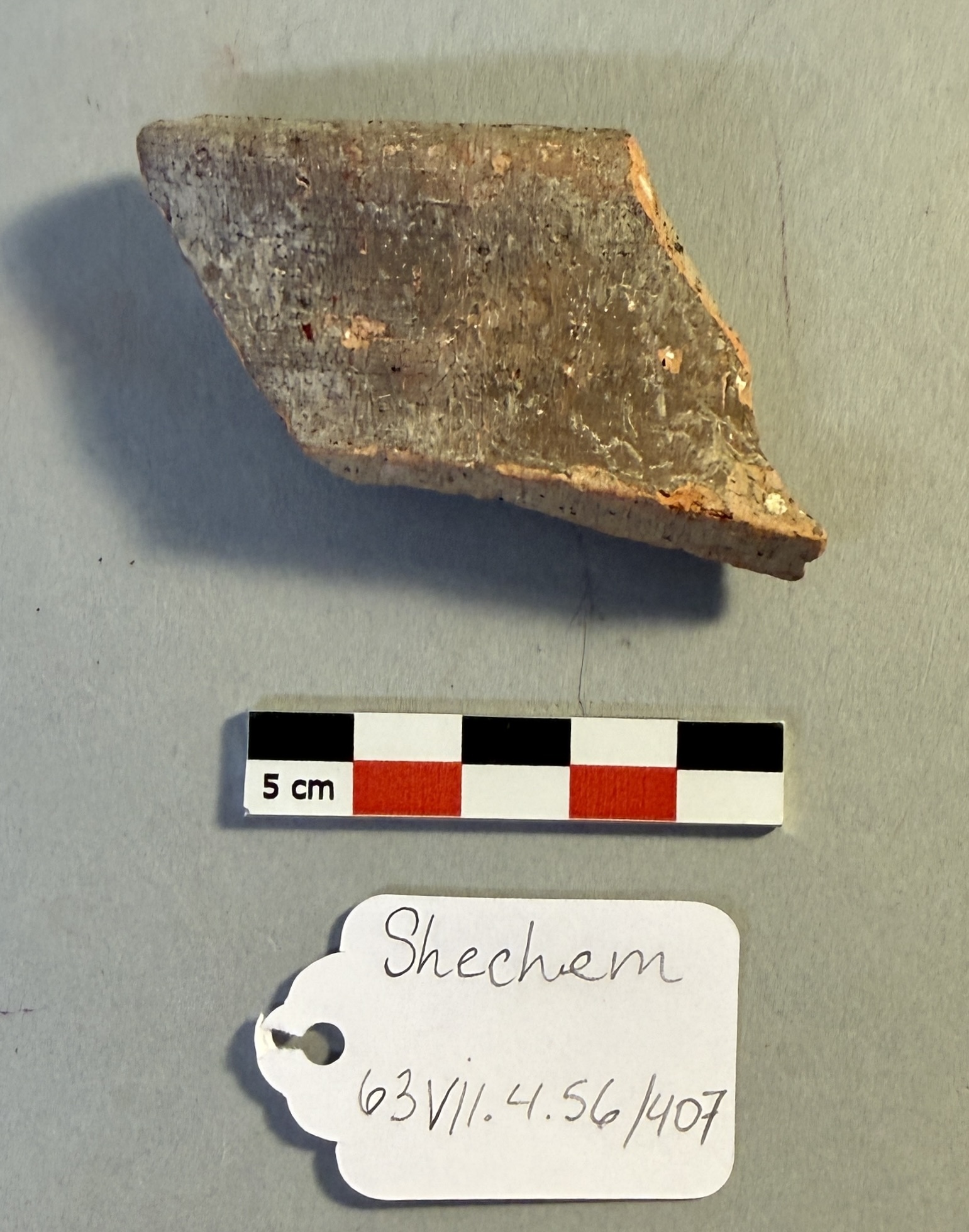
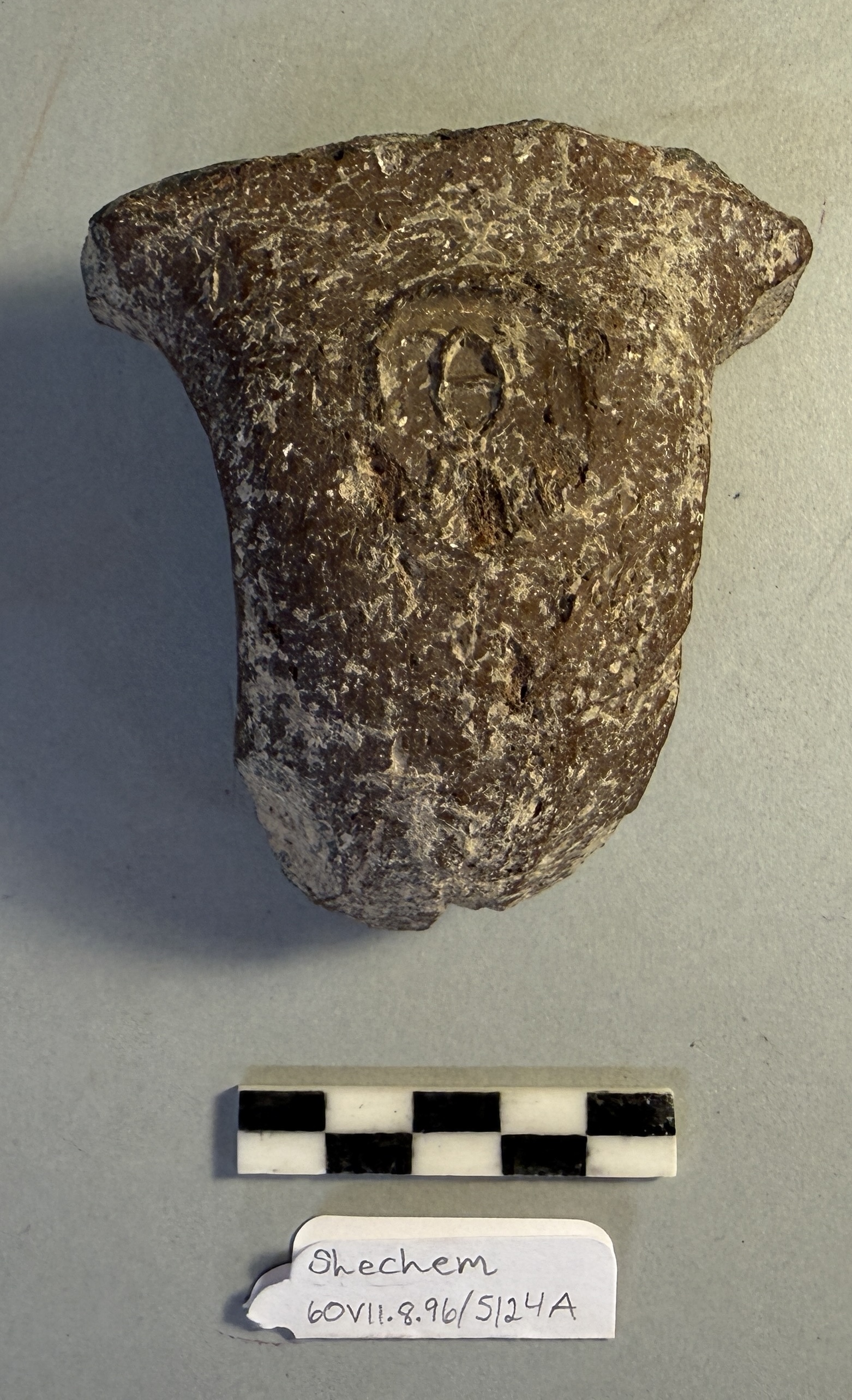
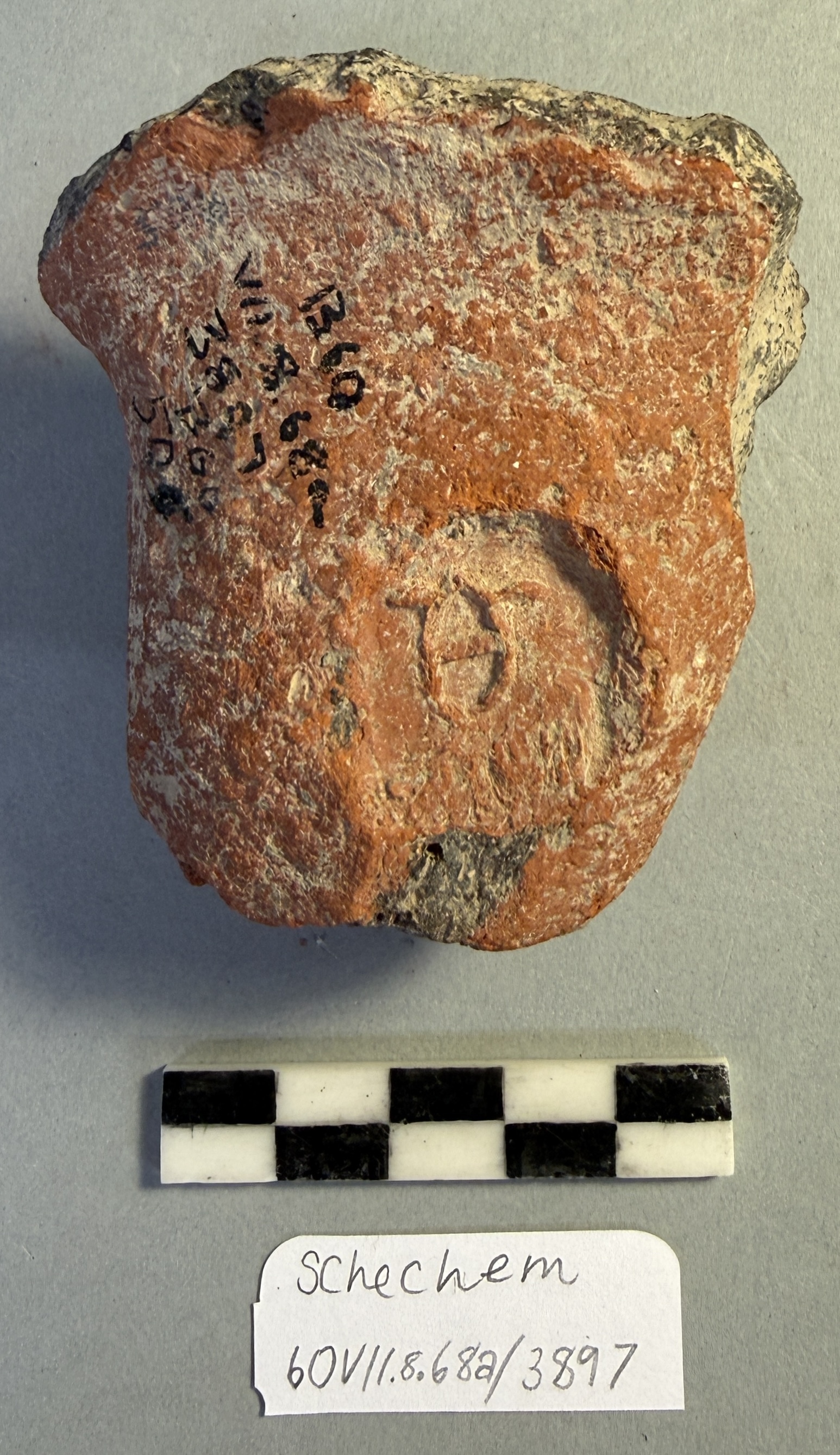
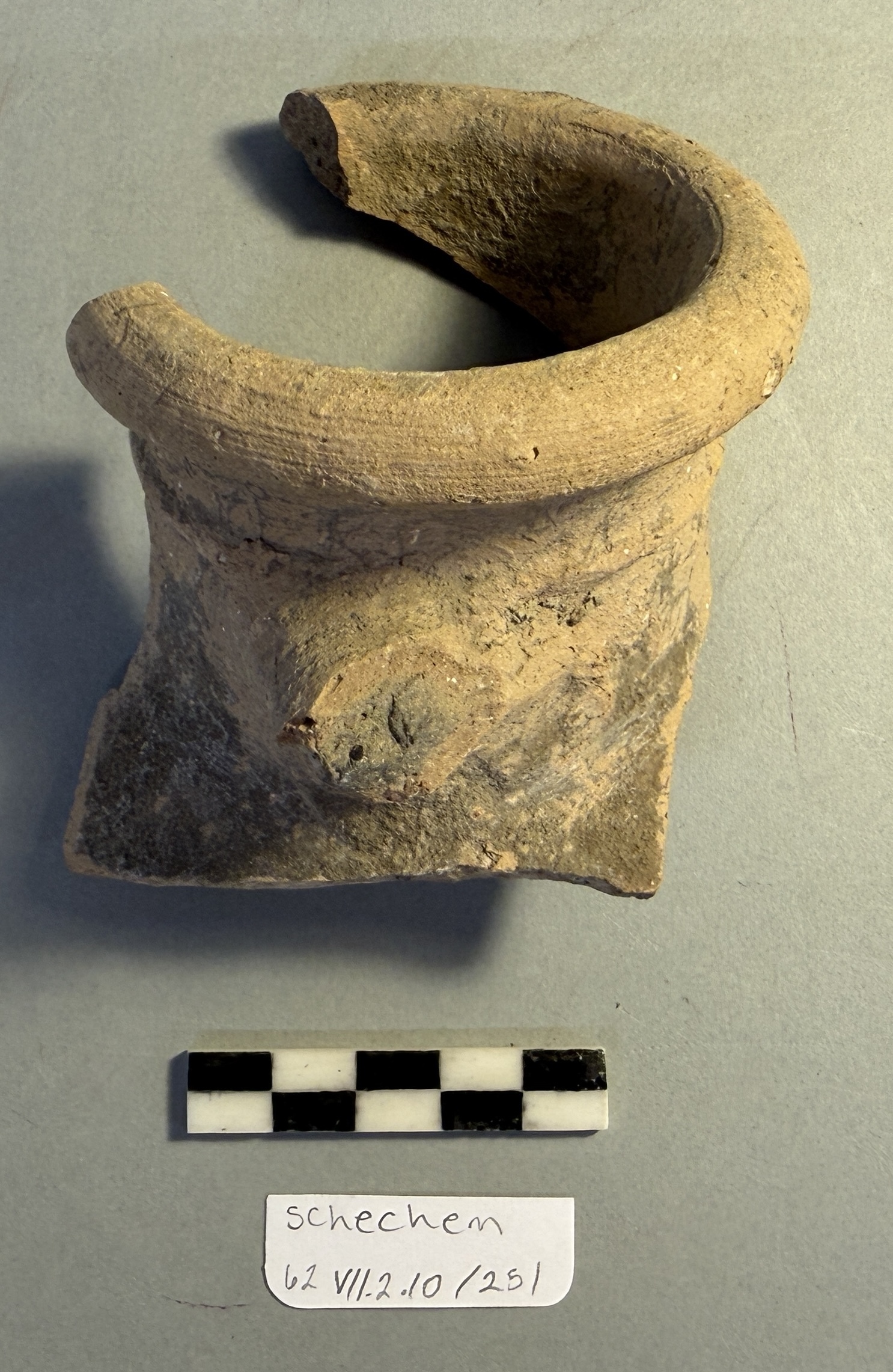
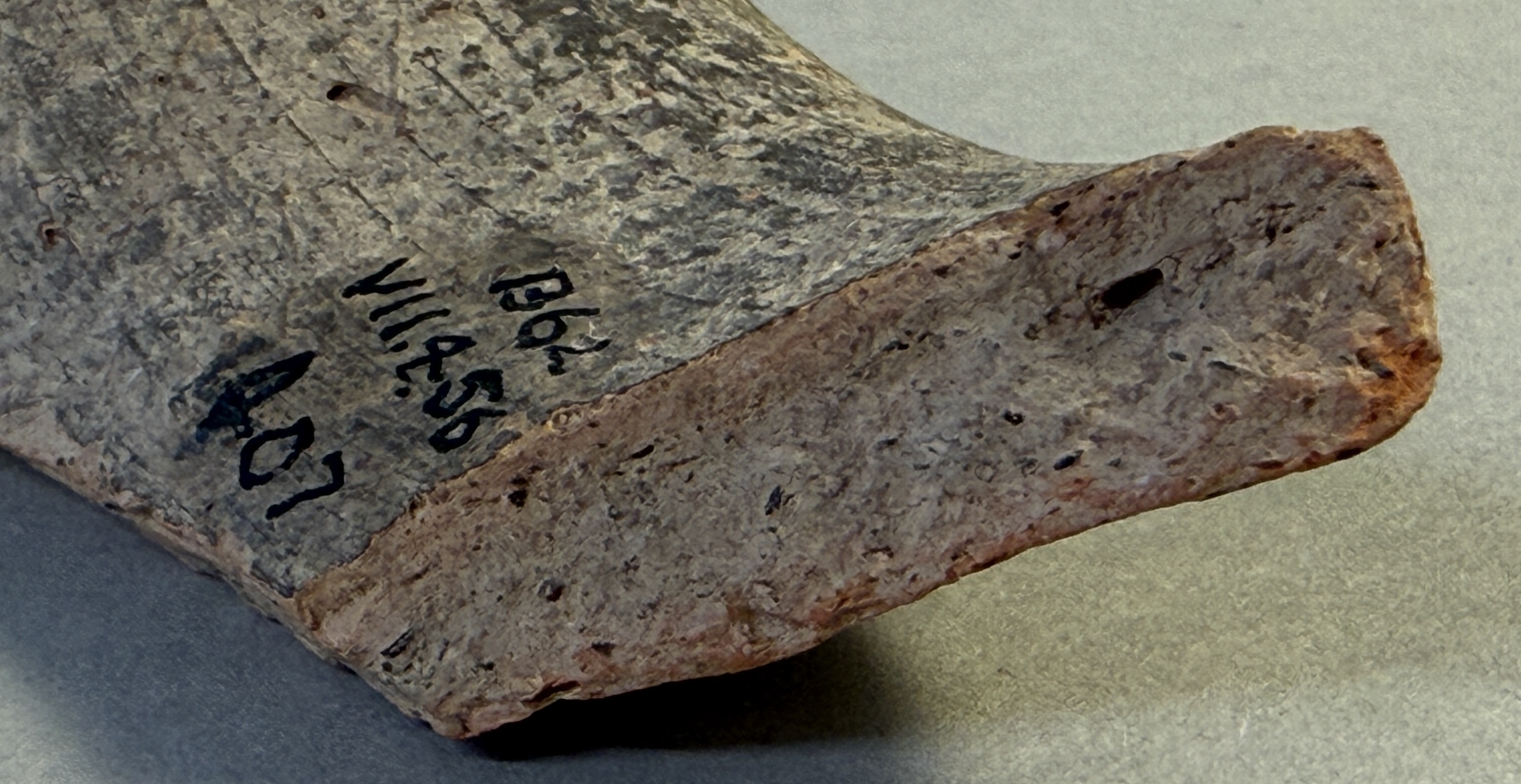
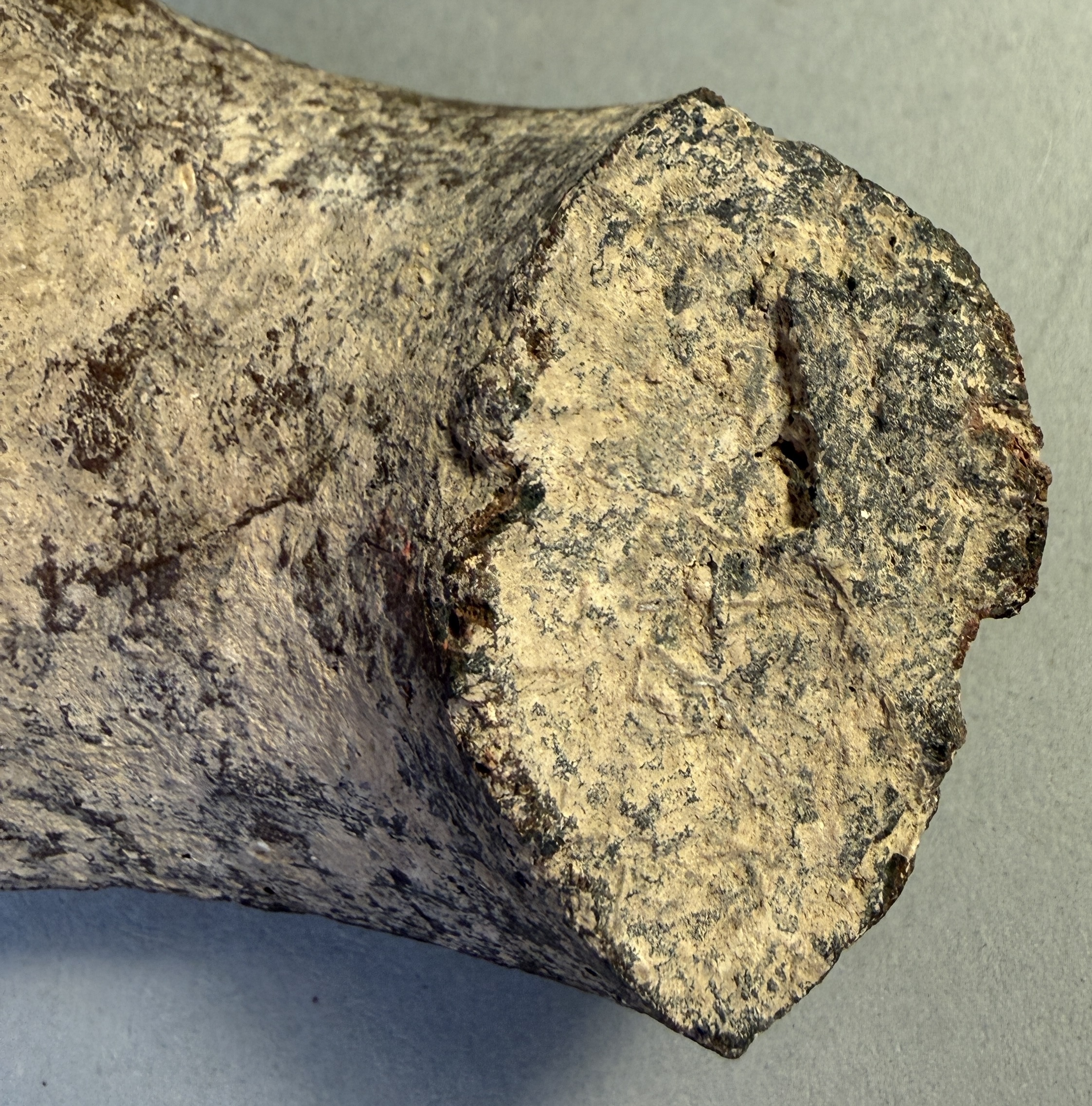
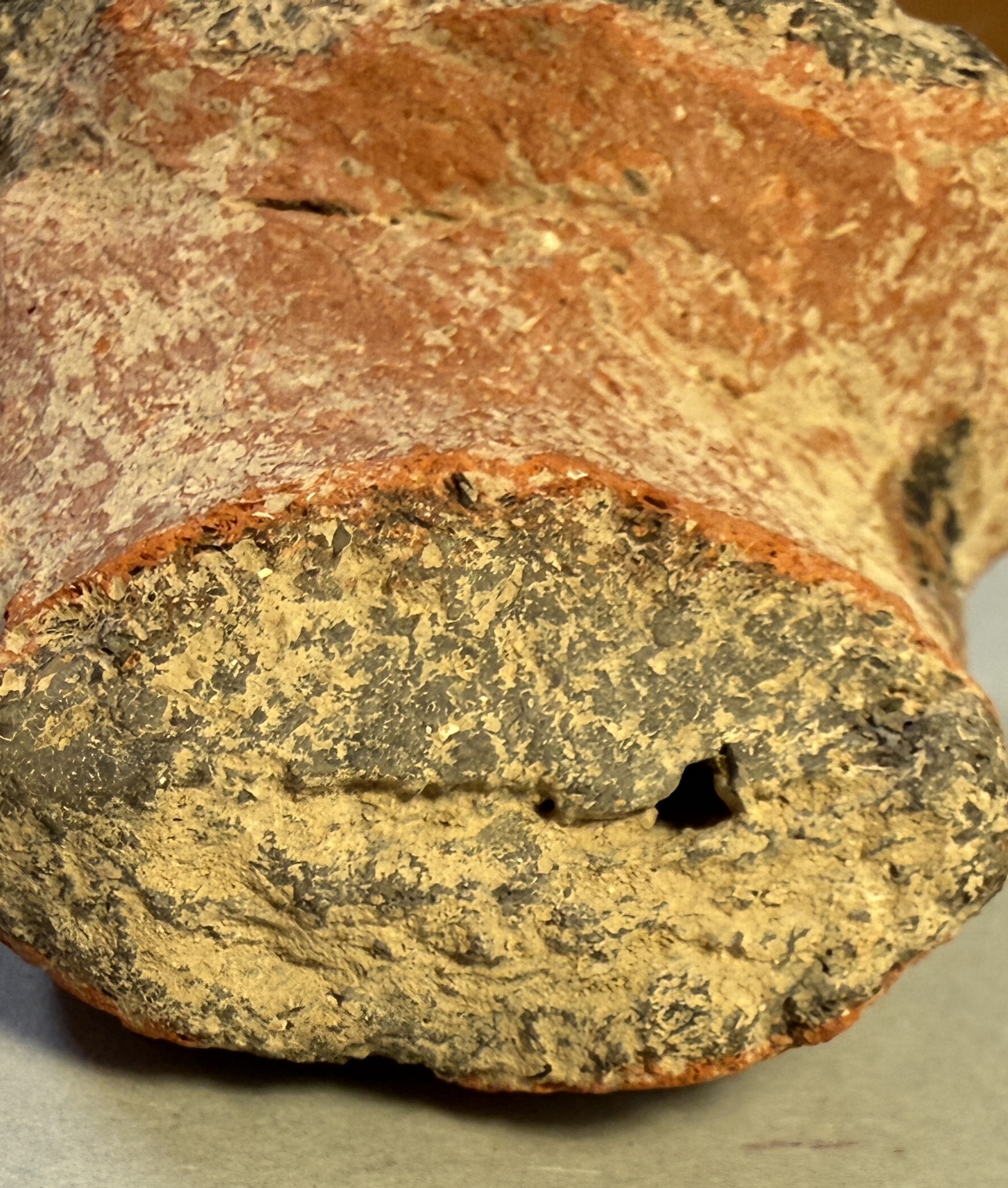
Biblical Shechem is associated with the site of Tell Balâtah in the West Bank, situated between Mount Gerizim and Mount Ebal, lying on Mount Ebal’s lowest slopes. The site was initially associated with the nearby modern city of Nablus (classical Neapolis), founded after the destruction of ancient Shechem, but has since been identified with Tell Balâtah. Fertile plains lie to the east and south, with springs in abundance along the sides of Mount Gerizim. The city was located along the road north from Jerusalem, splitting at Shechem to bypass Mount Ebal (Campbell 1993, 1345–1354; Campbell 2002).
Shechem was first inhabited in the Chalcolithic Period (3500-3000 BCE) with clear signs of agriculture (Taha and van der Kooij 2014, 14), but it is best known for its significance in the Middle Bronze age (1750-1540 BCE). By the 19th century BCE (Middle Bronze Age IIA), Shechem had emerged as a city-state, and an important Canaanite settlement with notable building activity as mentioned in Sebek-khu’s Stele (found in Abydos, dated to Senusret III’s reign, and notable for its documentation of the first Egyptian campaign in Canaan c. 1878-1839 BCE; Peet 1914: 8-13). The MB IIB period is marked by the development of Tell Balâtah’s fortification system. The western precinct became an acropolis separated from the rest of the city by a temenos wall. In MB IIC c. 1650 BCE several fortification walls were expanded and developed (walls A, B, and E), construction of the Migdal Temple began, and the north gate was built. This increase in fortification has been interpreted as a response to heightened threat after the Egyptian expulsion of the Hyksos dynasty c.1540 BCE (Campbell 1993: 1349-50).
A century of abandonment followed this two-century span of prominence, with rebuilding and habitation beginning around 1450 BCE. The Amarna Letters refer to the site again in the 14th century BCE as a significant local power ruled by Lab’ayu (Campbell 1993: 1347), yet the city suffered large-scale destruction around 1350-1300 BCE. Restoration was shortly followed by another major destruction ~1100 BCE. The next centuries are characterized by intermittent destruction and little habitation. Archaeological material from the Assyrian and Persian periods are similarly sparse (Campbell 2002). By the Hellenistic period, the city had returned to importance. According to Josephus’s Antiquities, by the time of the First Jewish-Roman war, Shechem had become the chief city of Samaria (Antiquities 11.340; Campbell 1993). During the war, Roman forces campaigned against the Samaritans on Mount Gerizim in 67 CE. Shechem is reported to have been destroyed during this campaign (The Jewish War, 3.307). Residents eventually returned and habitation continued from antiquity through modern times.
The site’s archaeological history began in 1903 with H. Thiersch, who is credited with the site’s discovery. In 1913, E. Sellin opened a combined Austro-German expedition to Tell Balâtah. His initial project was to excavate the outcrop of fortification wall uncovered by Thiersch. He continued south and north toward the northwest gate and eventually uncovered another circumvallation. Significant finds included bronze weaponry, cuneiform tablets, and notable fortifications. Sellin’s subsequent work focused on the west mound where he uncovered the acropolis comprising what he called the palace, the Migdal Temple and its forecourt, and the temenos wall (wall 900). Sellin continued his work and multiple campaigns of excavation until 1943, but unfortunately his records, manuscript, and many artifacts were destroyed in WWII (Campbell 1993: 1347).
In 1956 G.E. Wright and B.W. Anderson began the American Joint Expedition to Shechem. They uncovered a total of 24 strata from the Chalcolithic to the Late Hellenistic, interspersed with four major periods of abandonment (c. 3300–1900 BCE, c. 1540–1450 BCE, c. 1150/1125–975 BCE, c. 475–331 BCE). The American Joint Expedition aimed to combine their evidence with that from the German expedition, and to address gaps with modern techniques. Wright focused on cross-referencing textual evidence with finds from the excavations. He determined that Shechem must have become the Samaritan center after Alexander’s conquest of Samaria (Campbell 1993: 1354). His work culminated in the publication of “Shechem: The Biography of an Ancient City.” When Wright took a position at the Harvard Divinity School, a new contract was drawn up resulting in half the material staying in country and the other half being given to the joint expedition. Therefore, artifacts ended up at Drew University, McCormick Theological Seminary, and The Harvard Semitic Museum. Later, in 2011, Ted Cambell signed the McCormick material over to the Harvard Semitic Museum (Harvard Museum of the Ancient Near East, “Inventorying Shechem,” 2013).**
** Compiled and written by Faith Hart and Leo Black, October 2026.