
Israel-Palestinian Authority/Galilee, Jezreel Valley, Central Highlands, Shephelah/calcareous/foraminiferous/rendzina soil
Israel/Galilee, Israel/Shephelah, Israel-Palestinian Authority/Central Highlands, Israel/Jezreel Valley
Calcareous soil
—
This is a general name for all calcareous and foraminiferous matrices that are rendzina soils. If it is possible to identify the date of the foraminifera to the Upper Cretaceous, then the material should instead be related to the petro-fabric calcareous-upper-cretaceous-foraminiferous-rendzina-soil. If the foraminifera are undatable, then the material should be related to this petrofabric. Rendzina soils develop as a result of erosion and attrition processes mainly on Senonian and Eocene chalk and Cenomanian marl formations. They are very common throughout the hilly and mountainous regions of the eastern Mediterranean, where average annual precipitation is 400–900 mm (Dan et al. 1975; Ravikovitch 1981: 87–101; Singer 2007: 103–123).
Rendzina soils are widely distributed in Israel, the Lebanon and Syria. In Israel, these soils cover broad areas, mainly along the Judean-Samarian ridges, along the Carmel ridge (mainly the Menashe region) and throughout the Galilee. Rendzinas also occur in the upper Shephelah. The use of rendzina soil as raw material for ceramic products is widely attested throughout all periods, mainly in the Shephelah and in northern Israel.

Light brown soil, overlying soft limestone; taken from shallow sections on the side (north) of the road, 5–10 cm from surface. Location: Jerusalem, Har Homa neighborhood, about 1 km east of Derech Hebron road. This sample was taken at the entrance to street (Ben-Shlomo 2019, fig. 6.18.3)

Light brown soil, overlying soft limestone; taken from shallow sections on the side (north) of the road, 5–10 cm from surface. Location: Jerusalem, Har Homa neighborhood, about 1 km east of Derech Hebron road. This sample was taken 350 m west of the preceding sample in fig. 3 (Ben-Shlomo 2019, fig. 6.18:4).

Light brown soil overlying the chalk, 0-60 cm beneath the surface. Location: Jerusalem, Mount Olives, near Mount Scopus, a section within a chalk layer just above the Brigham Young University Jerusalem Center, located near the seam between the Mishash formation above and the Menuha formation below (Ben-Shlomo 2019, fig. 6.18.6)
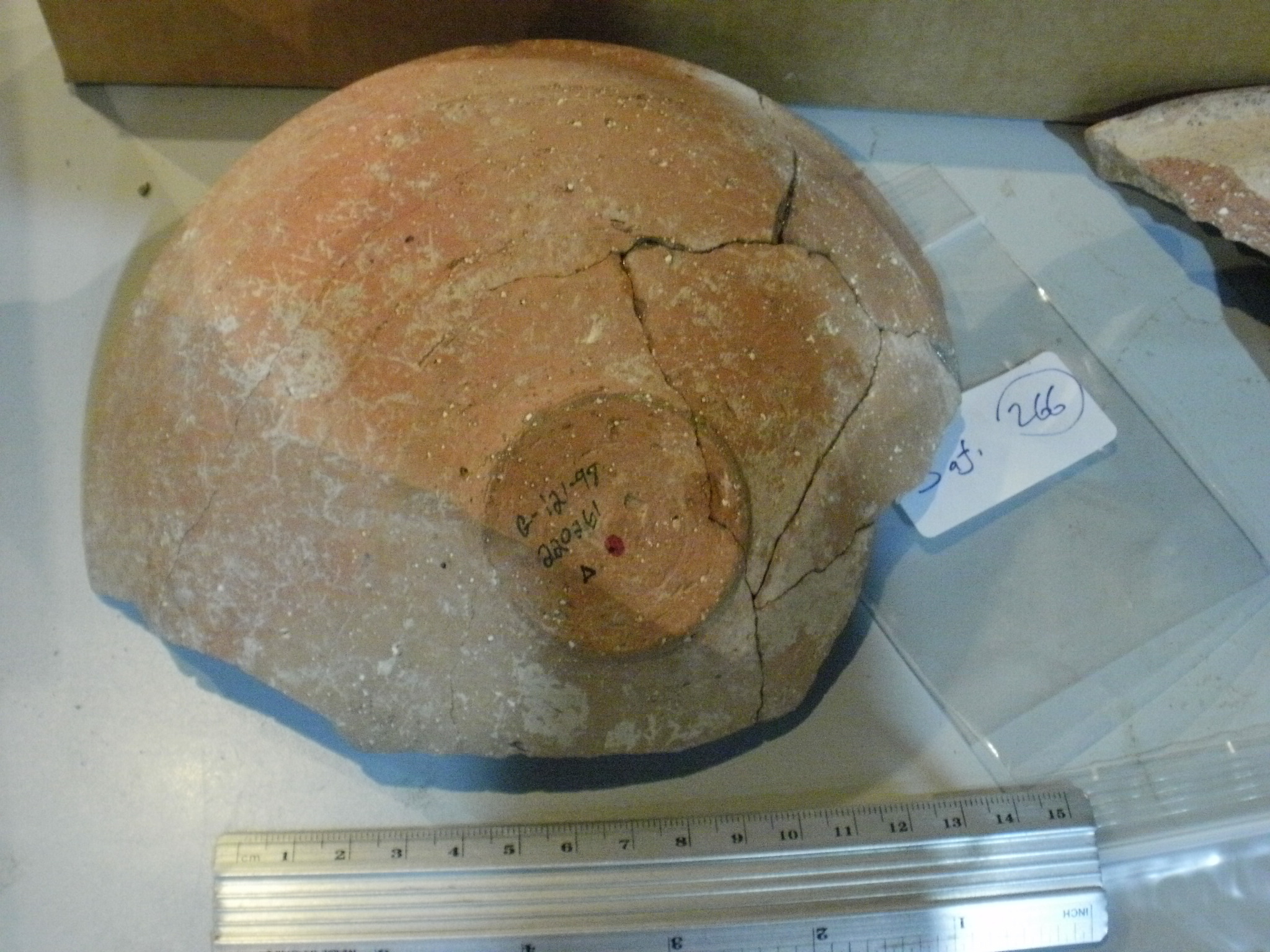
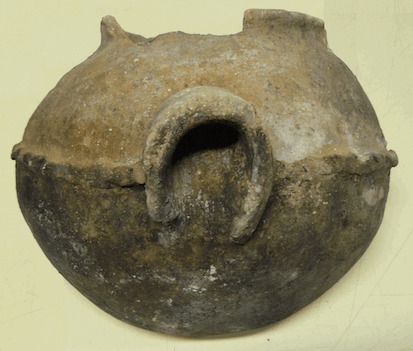
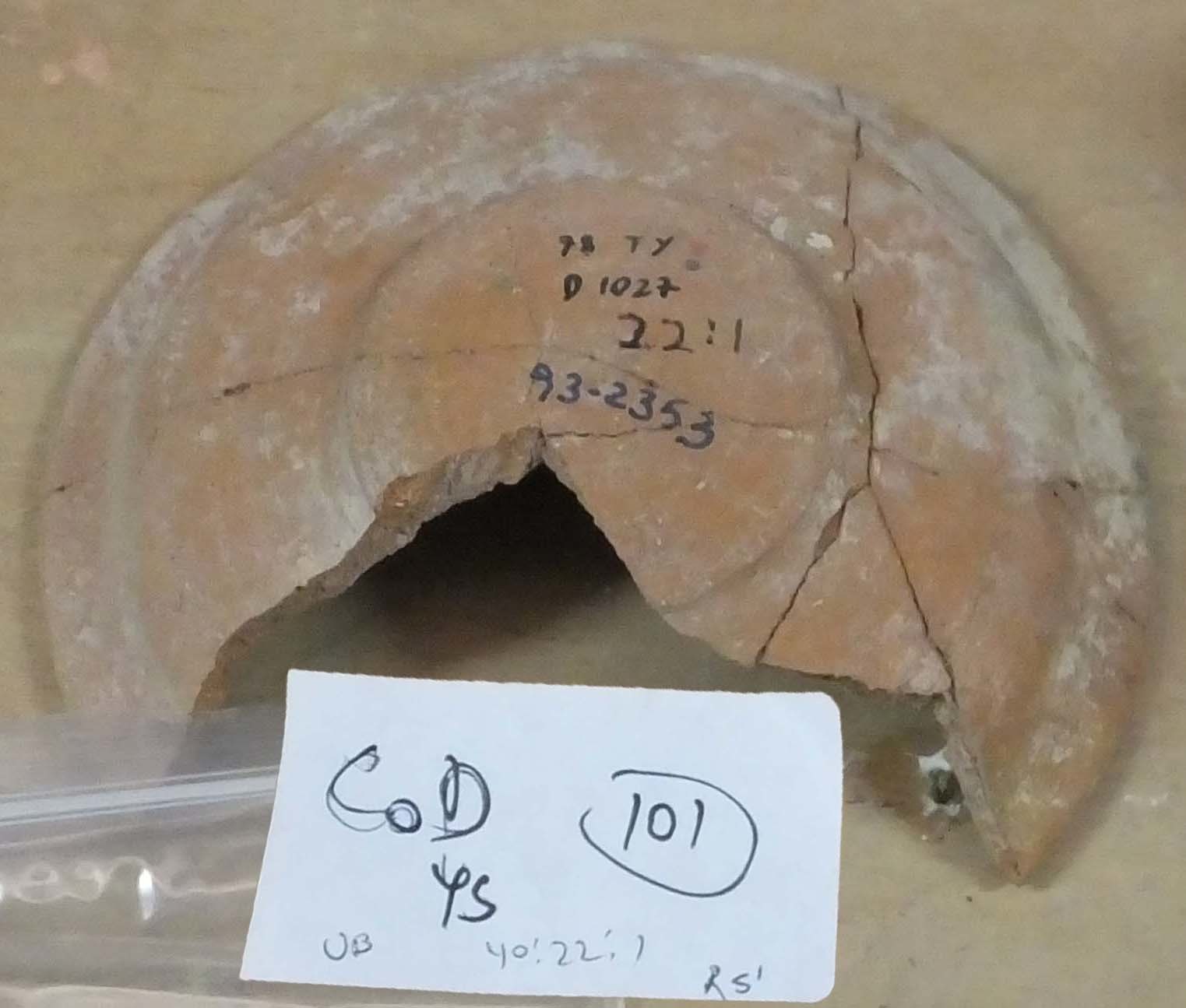
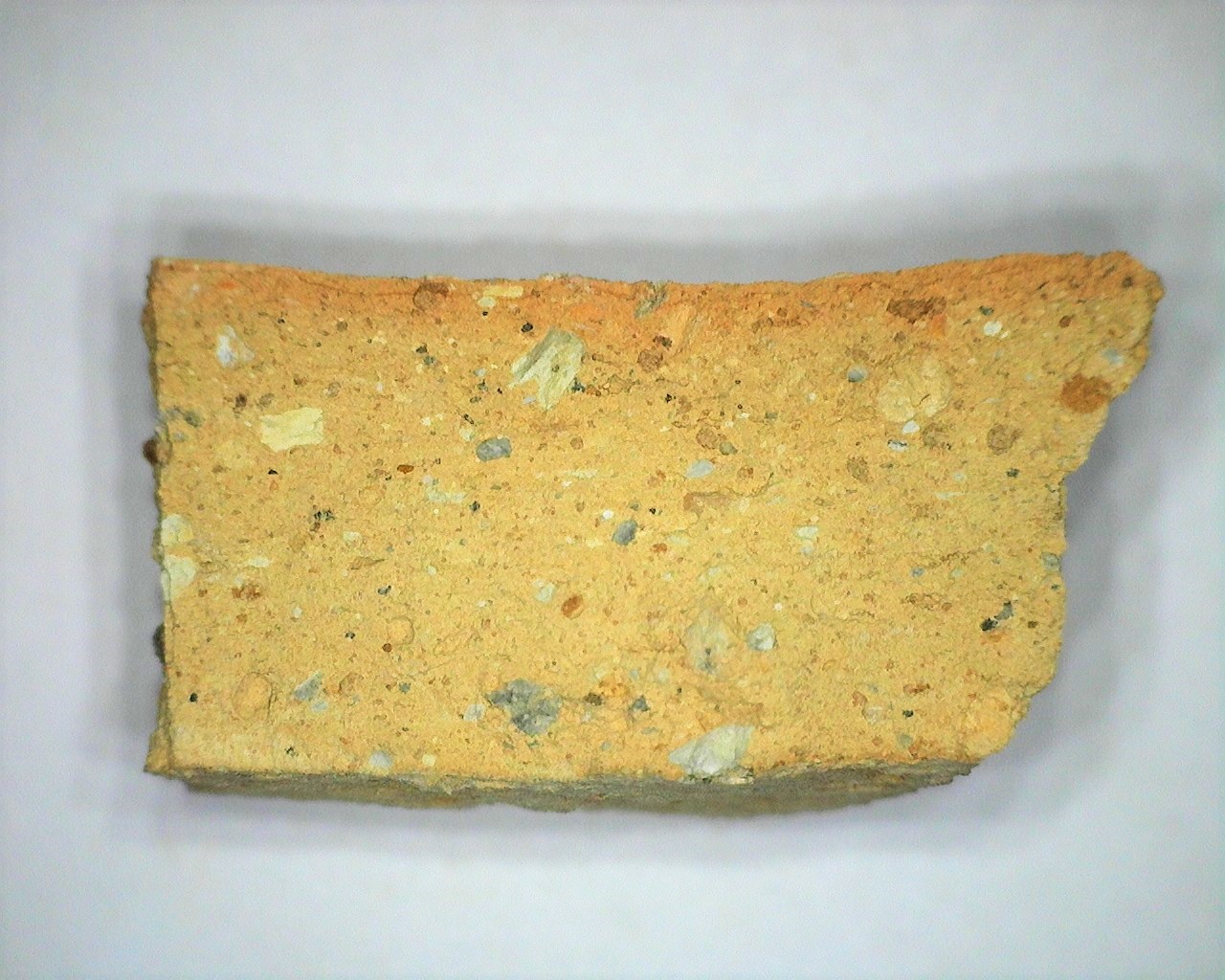
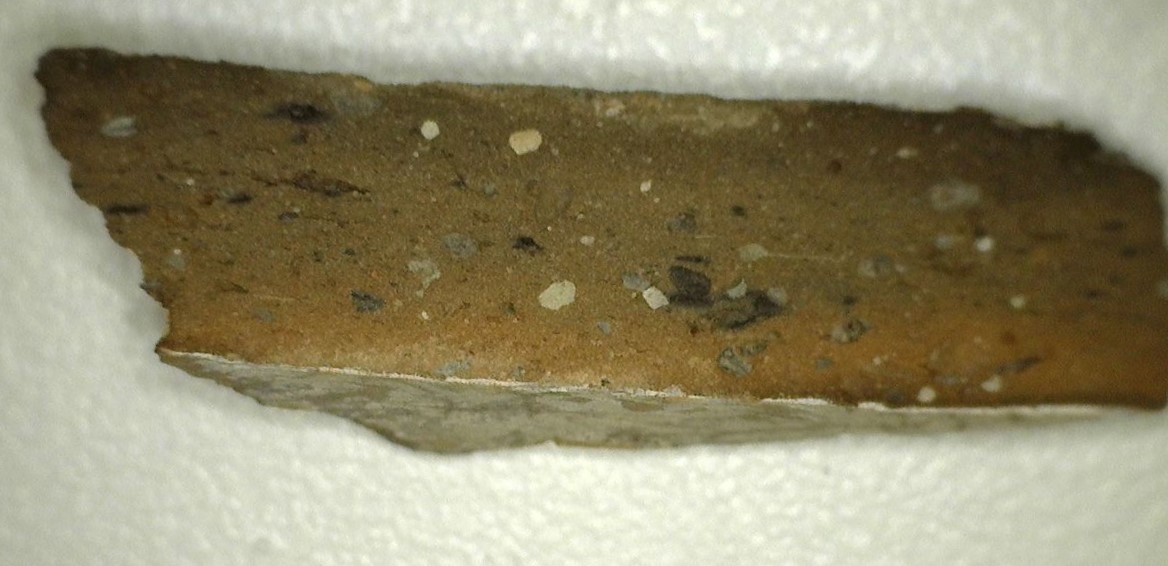
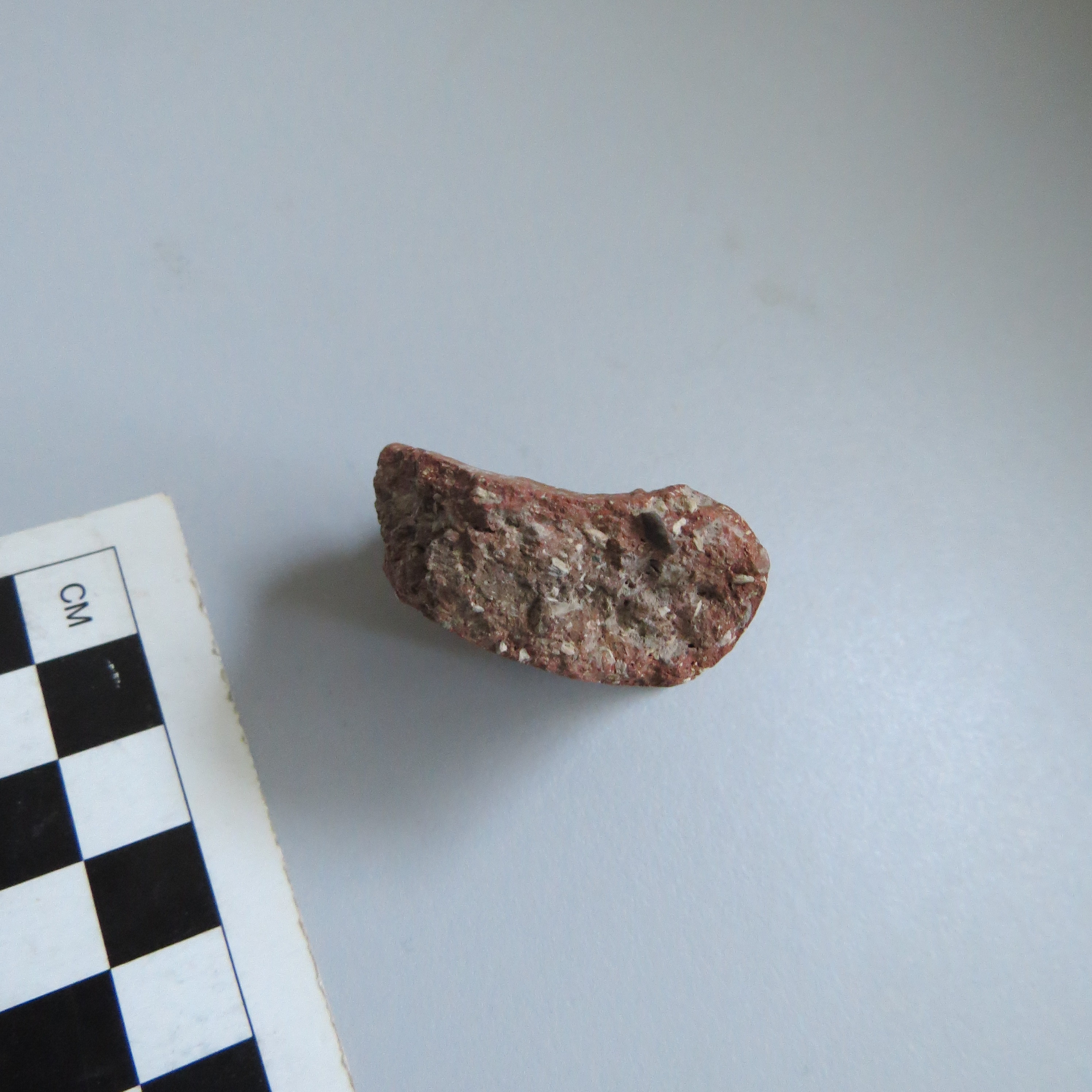
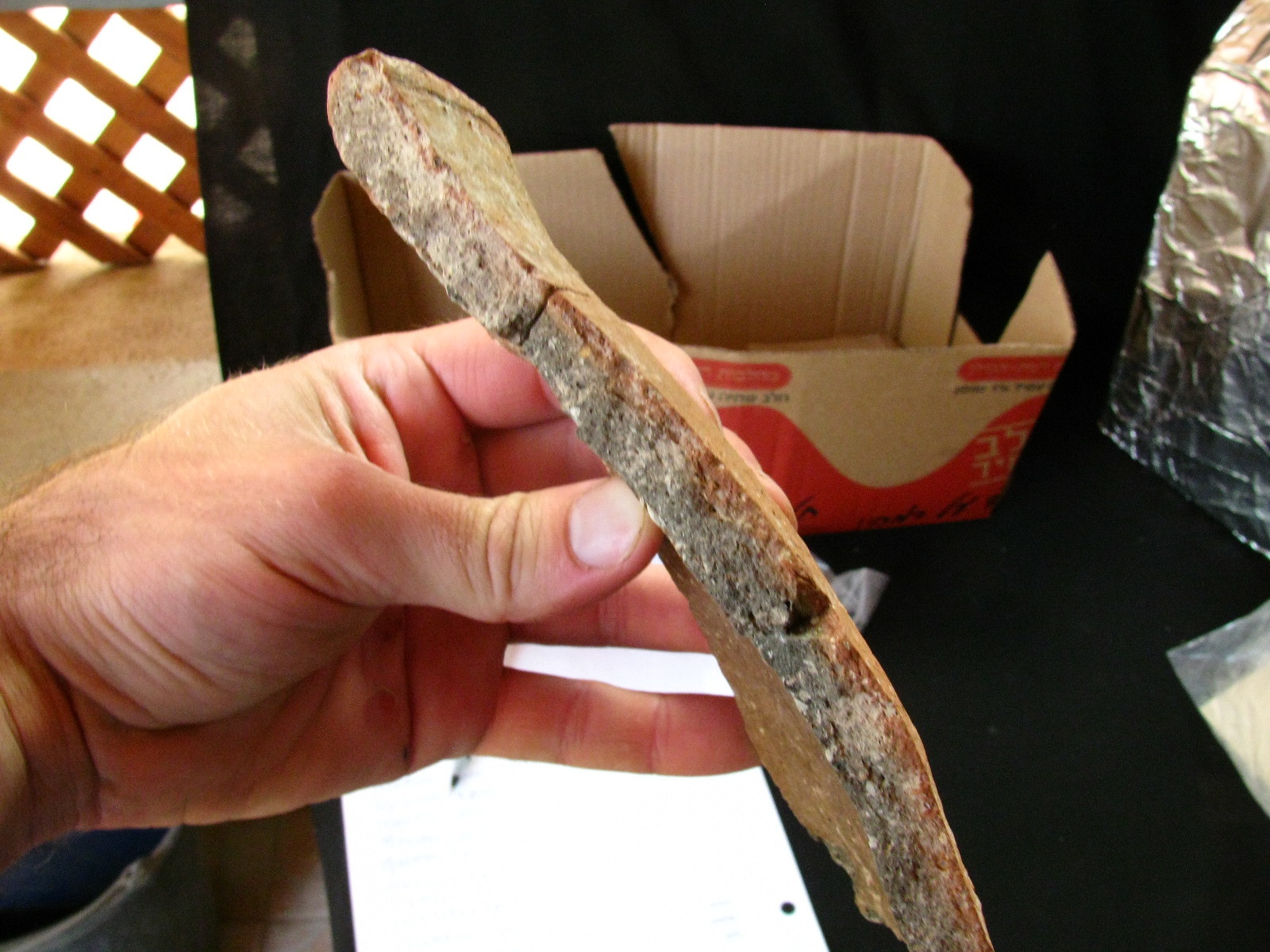
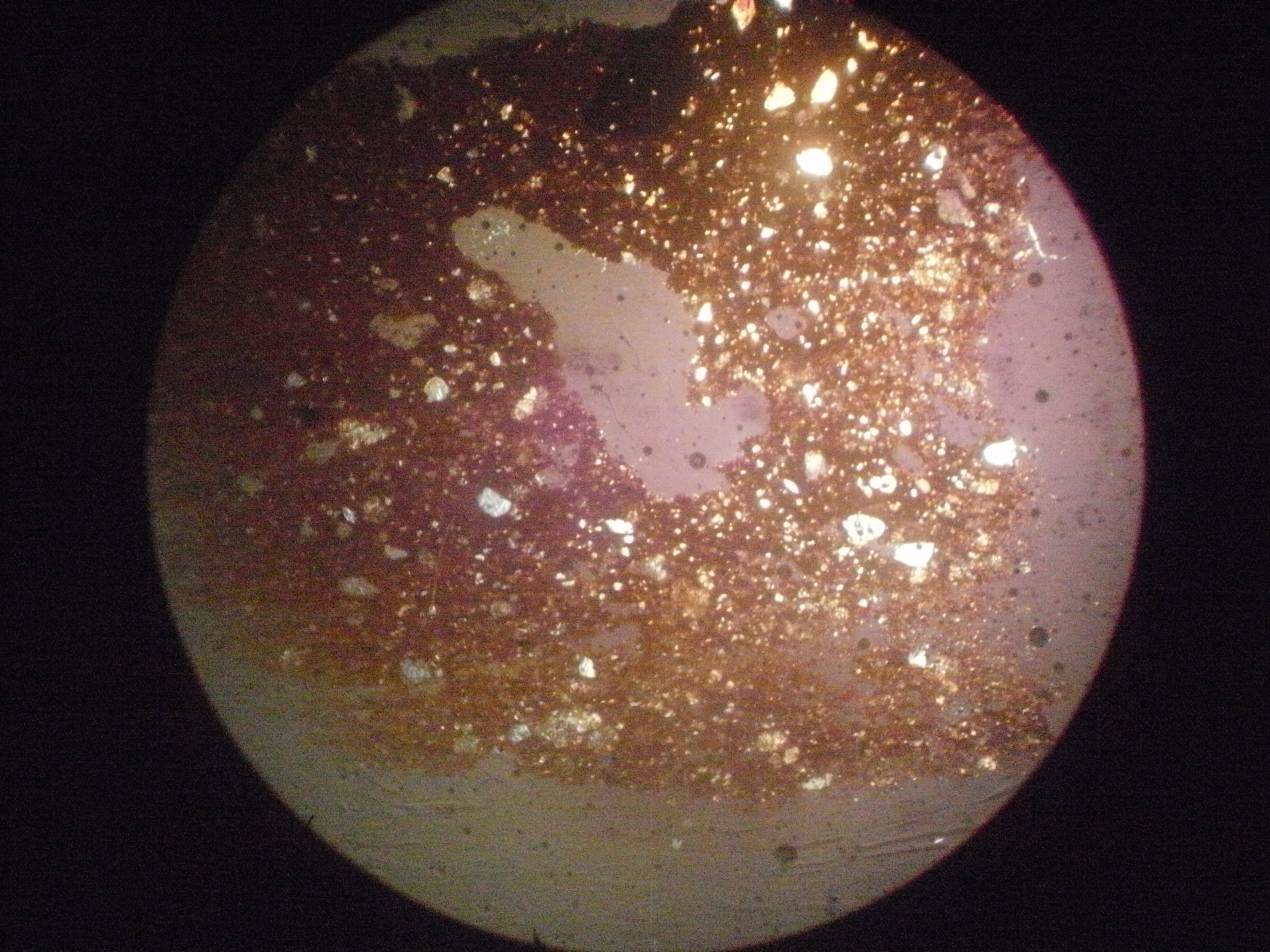
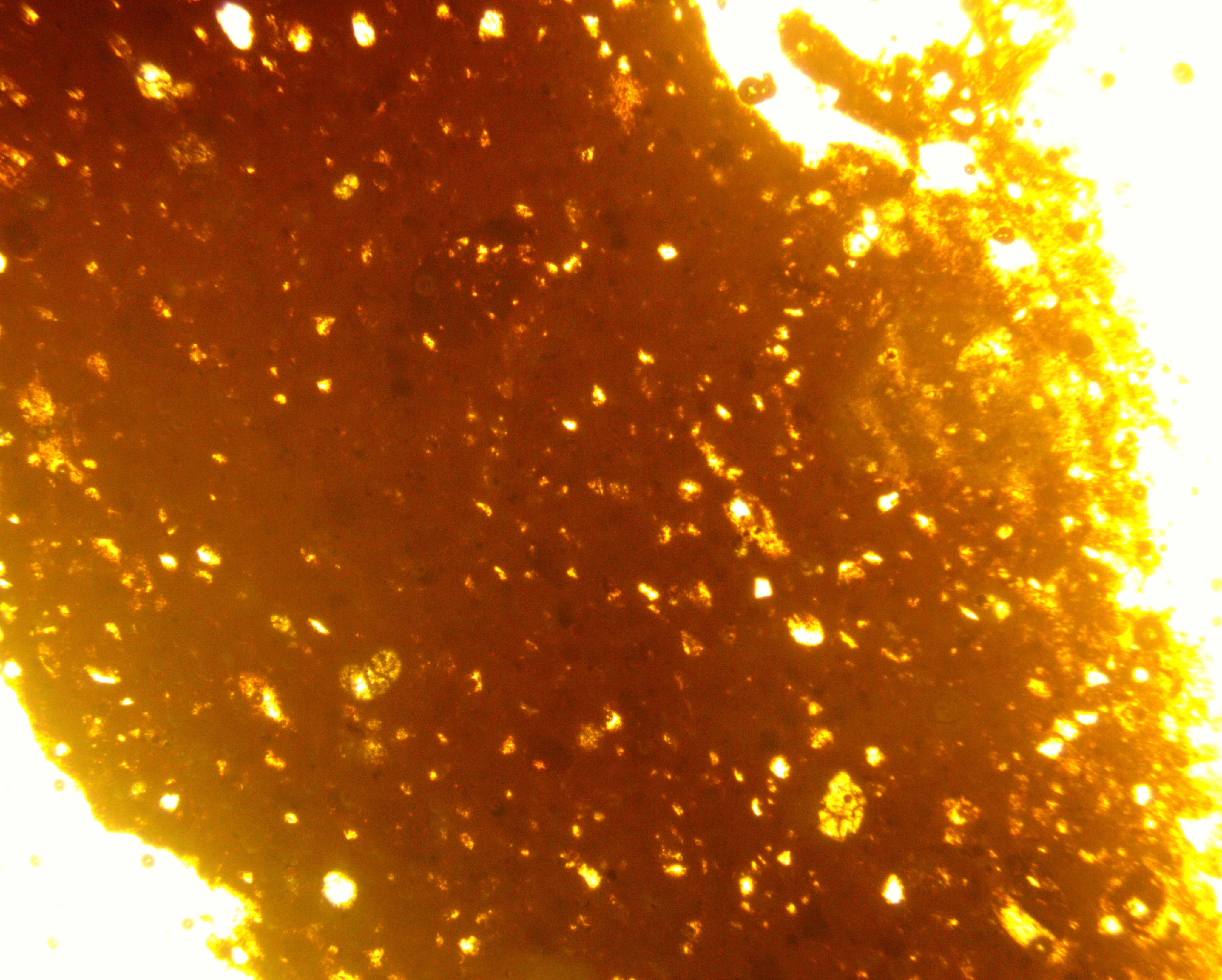
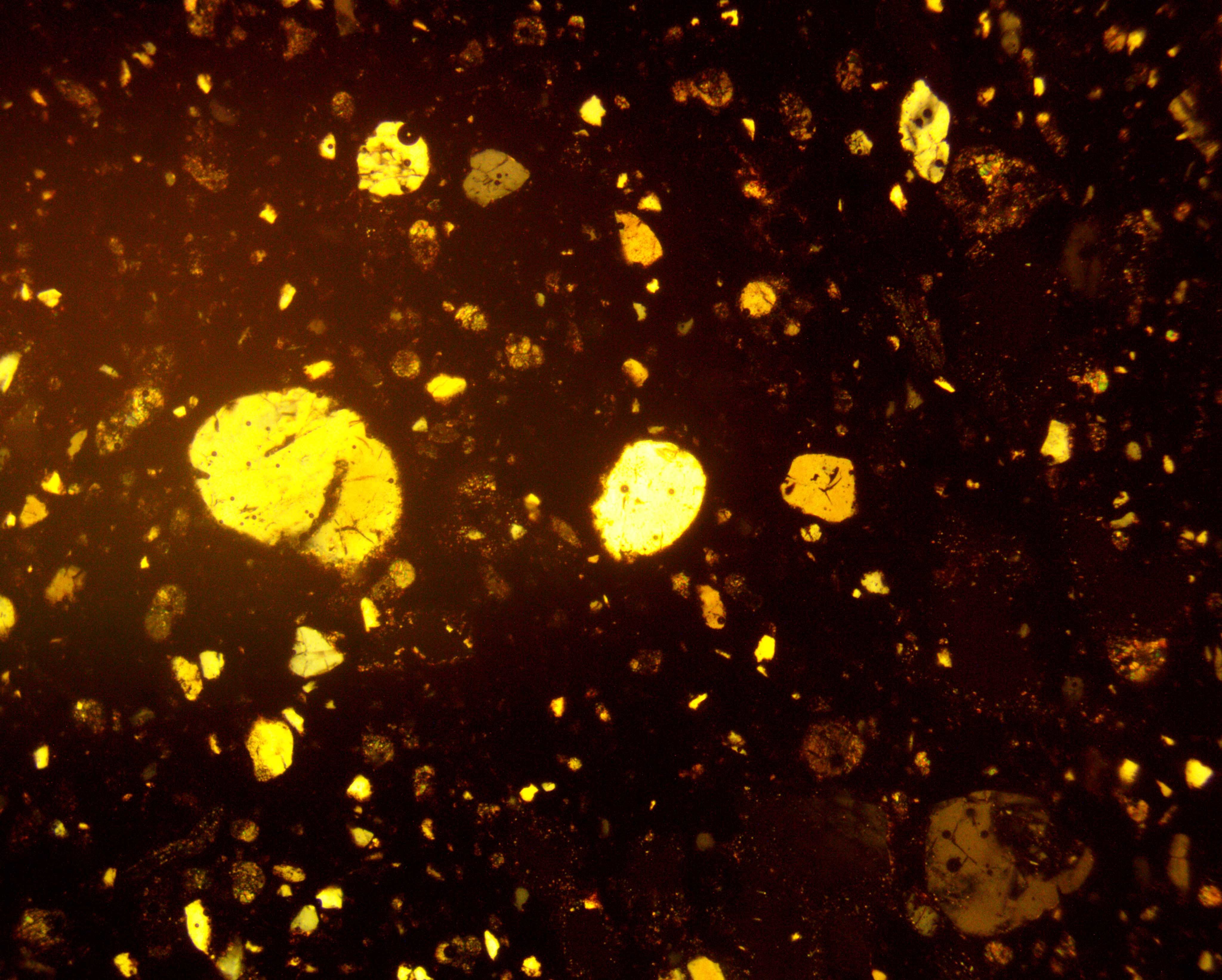
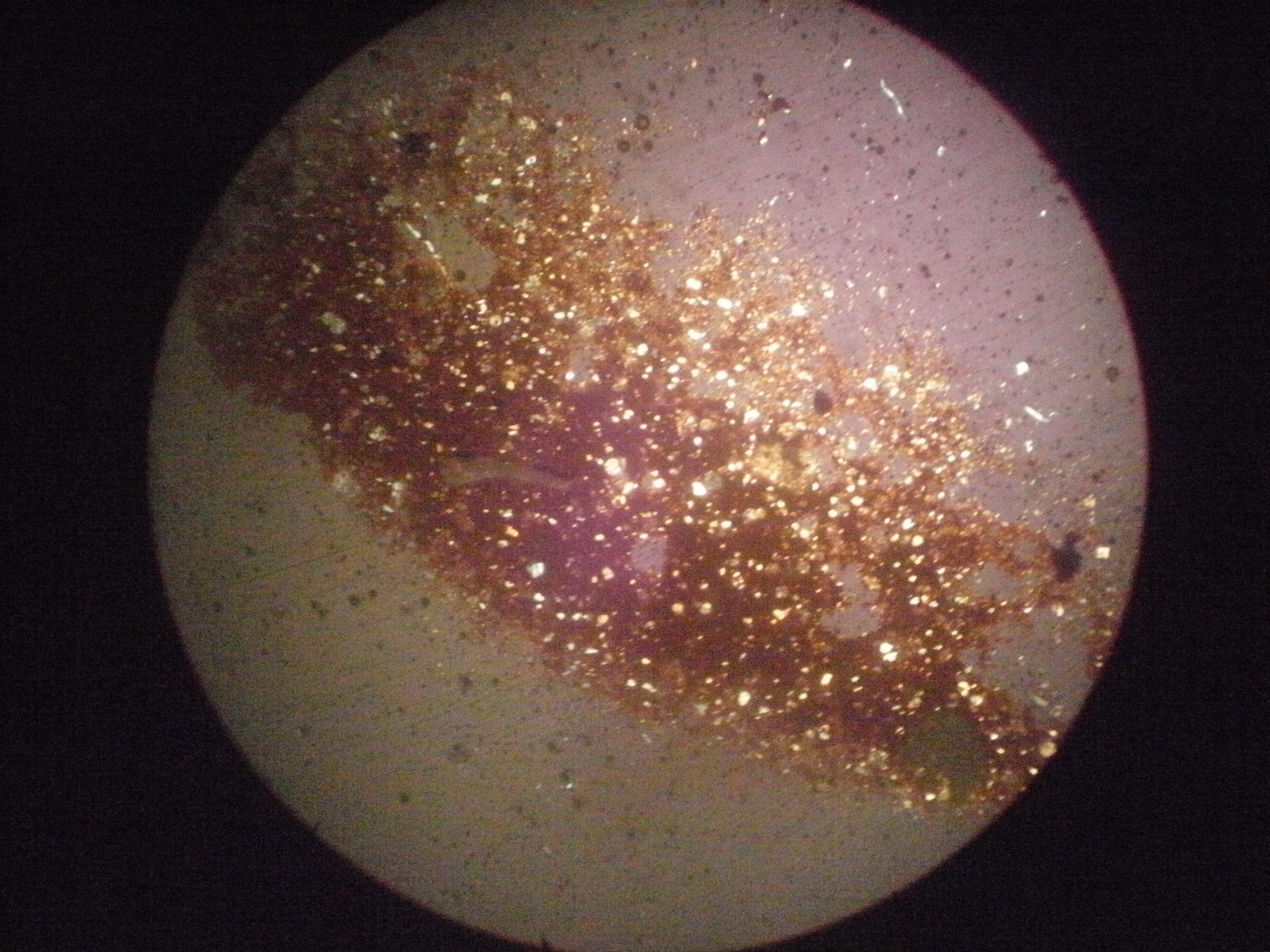
The fabric has a calcareous foraminiferous, silty matrix with various types of microfossils and chalk fragments. Certain amounts of silt-sized quartz grains can occur. Poorly sorted silt to sand-sized chalk fragments as non-plastic components.
This is a general name for all calcareous and foraminiferous matrices that are rendzina soils. If it is possible to identify the date of the foraminifera to the Upper Cretaceous, then the material should instead be related to the petro-fabric calcareous-upper-cretaceous-foraminiferous-rendzina-soil. If the foraminifera are undatable, then the material should be related to this petrofabric. Rendzina soils develop as a result of erosion and attrition processes mainly on Senonian and Eocene chalk and Cenomanian marl formations. They are very common throughout the hilly and mountainous regions of the eastern Mediterranean, where average annual precipitation is 400–900 mm (Dan et al. 1975; Ravikovitch 1981: 87–101; Singer 2007: 103–123).
Rendzina soils are widely distributed in Israel, the Lebanon and Syria. In Israel, these soils cover broad areas, mainly along the Judean-Samarian ridges, along the Carmel ridge (mainly the Menashe region) and throughout the Galilee. Rendzinas also occur in the upper Shephelah. The use of rendzina soil as raw material for ceramic products is widely attested throughout all periods, mainly in the Shephelah and in northern Israel.
11th c. CE - 20th c. CE
Frankish/Ayyubid, Crusader-Frankish/Ayyubid/early Mamluk, Later Islamic - Fatimid/Mamluk, Ottoman, Ottoman
6th-3rd c. BCE
Achaemenid Persian, Early Hellenistic
Arad (Israel/Negev)
Beit Nattif (Israel/Shephelah)
Daburiya (Israel/Galilee)
Ein Gev (Israel/Jordan Valley north)
Horvat Husham (Israel/Shephelah)
Horvat Tevet (Israel/Jezreel Valley)
Karmiel (Israel/Galilee)
Mei'ar (Israel/Galilee)
Mizpe Yammim (Israel/Galilee)
Qedesh/Kedesh (Israel/Galilee)
Tel Azekah (Israel/Shephelah)
Tell Megiddo (Israel/Jezreel Valley)
Yodefat (Israel/Galilee)
