
Egypt/Upper Egypt/Medamud Marl C3
Egypt/Upper Egypt
Upper Egyptian marl
—
Fine, hard calcareous fabric with low to moderate porosity, closely related to Medamud C1. The fracture may be homogeneous or clearly zoned, generally displaying a grey or beige core and light brown, light orange or pale red outer margins. Inclusions are relatively abundant and consist mainly of fine quartz grains, small limestone particles, and occasional brown or reddish clay pellets or grog. Sparse vegetal temper may also occur, usually visible as negative impressions. The unslipped surface is generally well smoothed and ranges from pale beige and light brown to pink or light orange. Medamud C3 was primarily used for amphorae and other large transport containers. It corresponds to the amphora variant of Theban Marl Clay and has been paralleled with Karnak BE 1 late and other Late Ptolemaic–Early Roman marl fabrics from the Theban region.
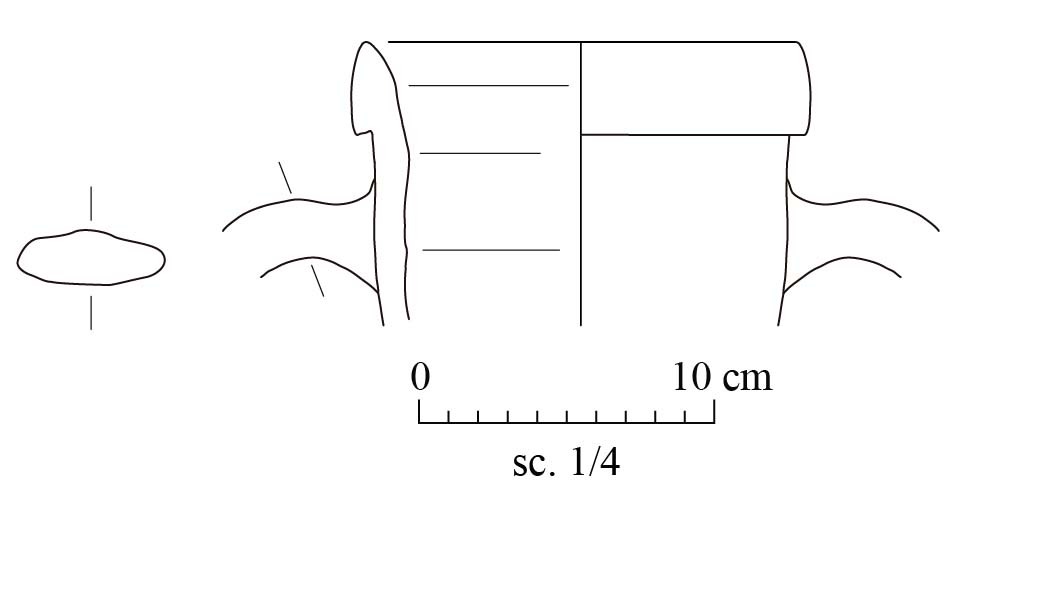
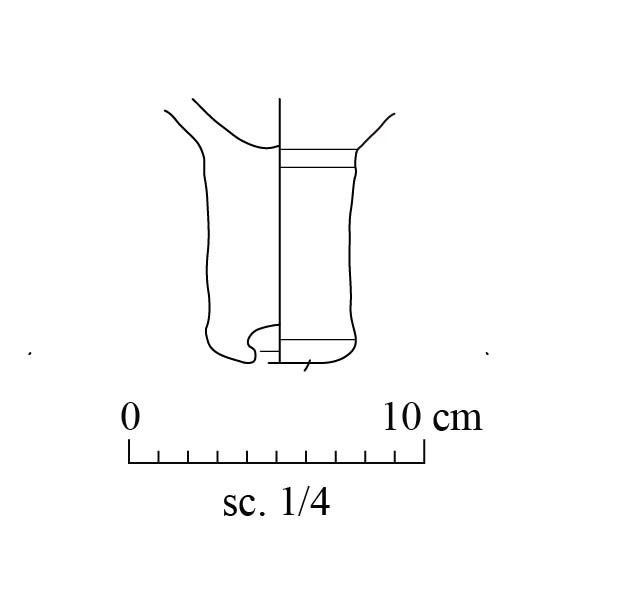
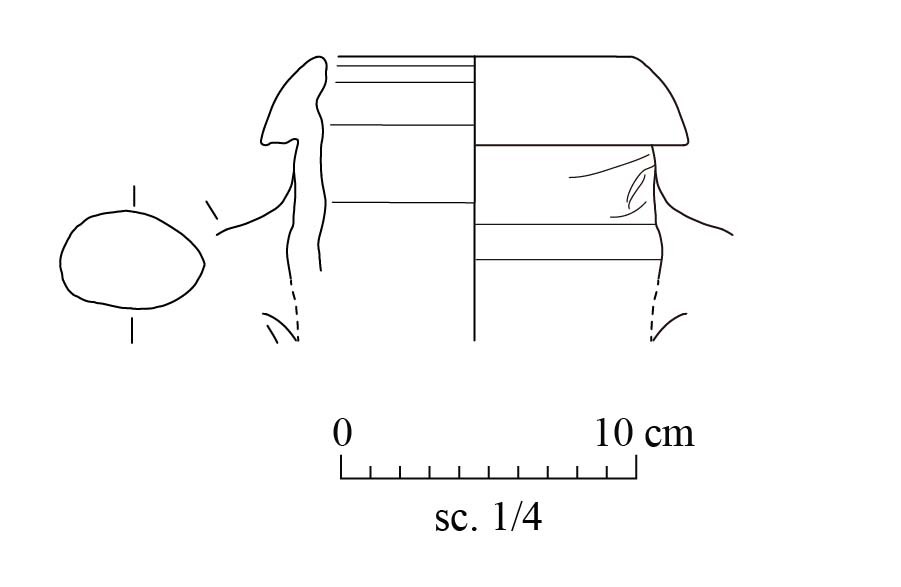
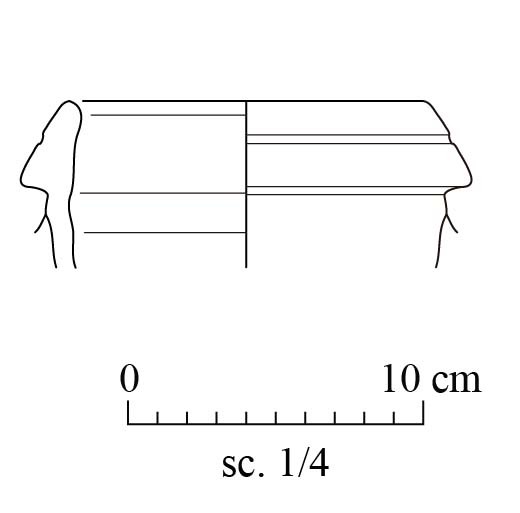
Fine, hard calcareous fabric with low to moderate porosity, closely related to Medamud C1. The fracture may be homogeneous or clearly zoned, generally displaying a grey or beige core and light brown, light orange or pale red outer margins. Inclusions are relatively abundant and consist mainly of fine quartz grains, small limestone particles, and occasional brown or reddish clay pellets or grog. Sparse vegetal temper may also occur, usually visible as negative impressions. The unslipped surface is generally well smoothed and ranges from pale beige and light brown to pink or light orange. Medamud C3 was primarily used for amphorae and other large transport containers. It corresponds to the amphora variant of Theban Marl Clay and has been paralleled with Karnak BE 1 late and other Late Ptolemaic–Early Roman marl fabrics from the Theban region.

