
Egypt/Upper Egypt/Medamud Marl C2
Egypt/Upper Egypt
Upper Egyptian marl
—
Medium-fine to coarse calcareous fabric with moderate porosity and relatively low hardness. The fracture is generally homogeneous and light brown or light orange in colour. Inclusions are abundant and comprise limestone particles, quartz grains, grey decomposed calcareous particles, brown or reddish clay pellets, and occasional vegetal temper, generally preserved as voids or negative impressions. The surfaces range from light brown and beige to light orange. Medamud C2 is a coarser and less compact variant of Medamud C1 and may occasionally resemble a Nile-silt fabric macroscopically. It belongs to the Theban marl-clay tradition and has been compared with Marl A5 variant 2 from North Karnak and with the broader Karnak BE 1 fabric tradition. It is principally attested in Roman-period production at Medamud.
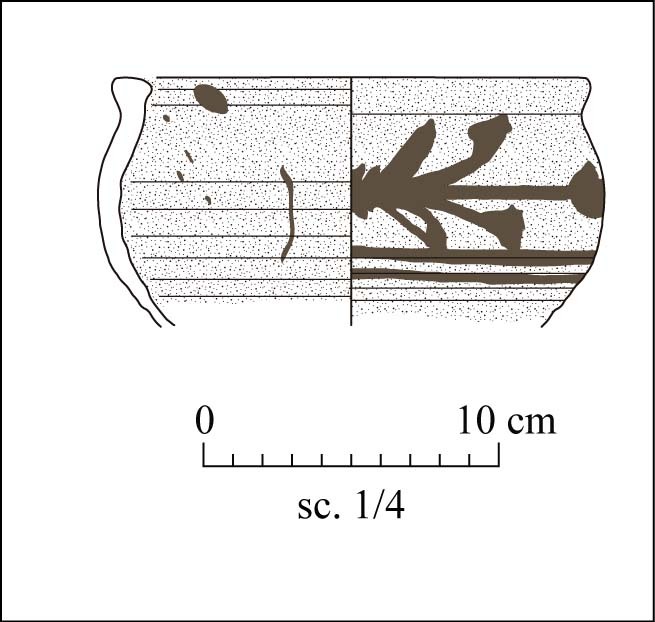
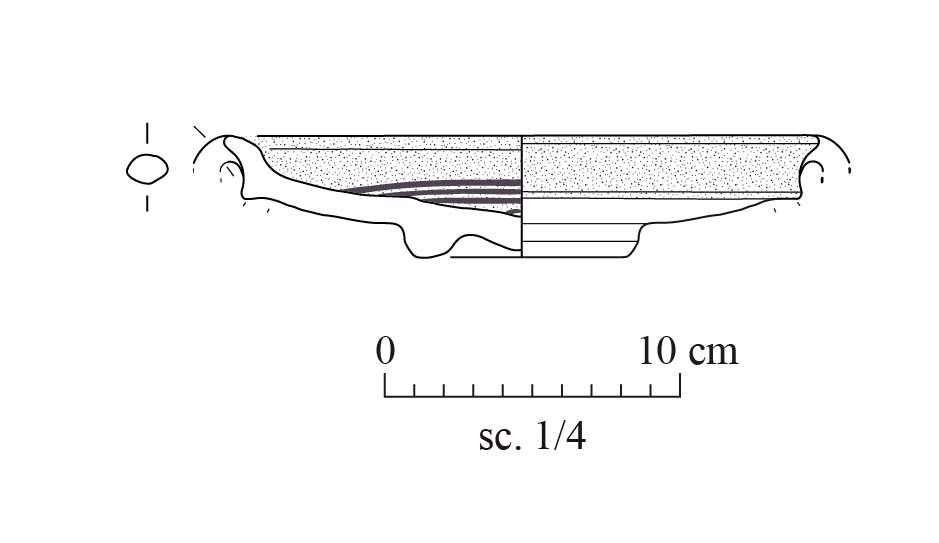
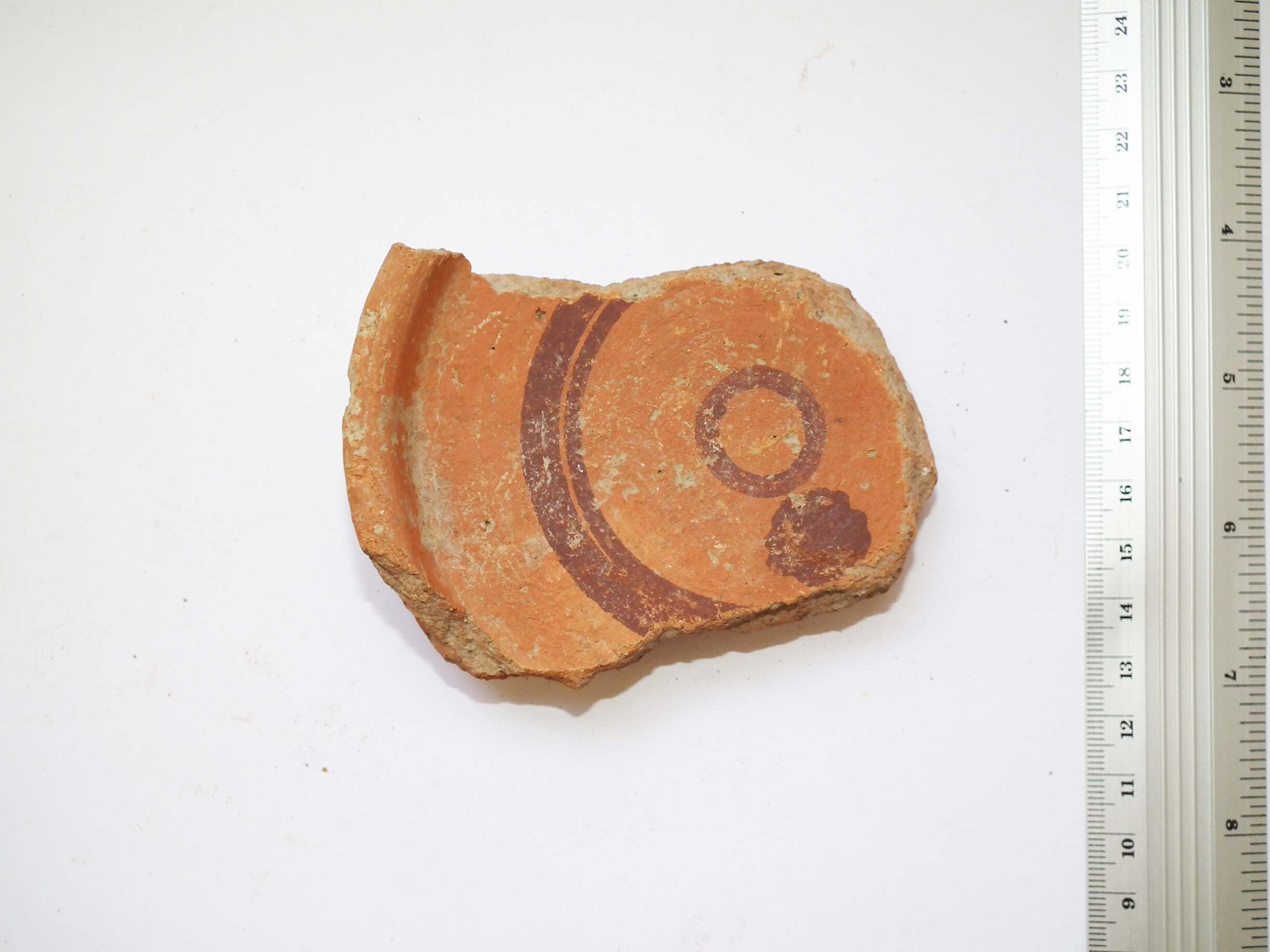
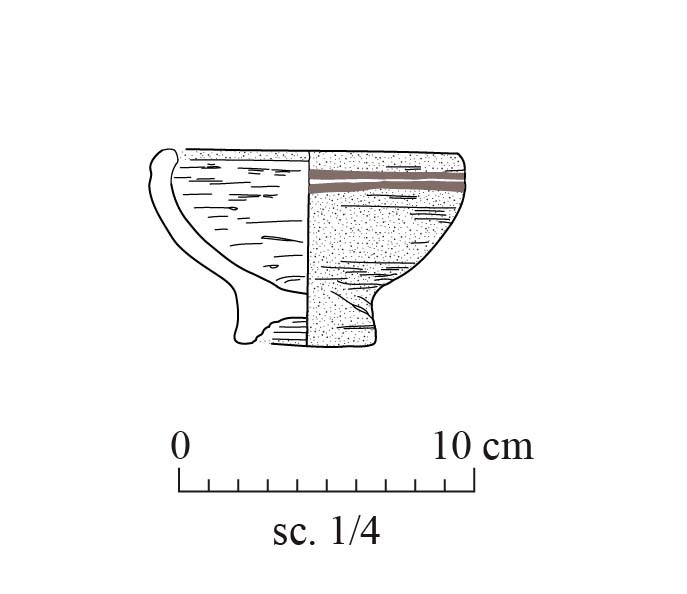
Medium-fine to coarse calcareous fabric with moderate porosity and relatively low hardness. The fracture is generally homogeneous and light brown or light orange in colour. Inclusions are abundant and comprise limestone particles, quartz grains, grey decomposed calcareous particles, brown or reddish clay pellets, and occasional vegetal temper, generally preserved as voids or negative impressions. The surfaces range from light brown and beige to light orange. Medamud C2 is a coarser and less compact variant of Medamud C1 and may occasionally resemble a Nile-silt fabric macroscopically. It belongs to the Theban marl-clay tradition and has been compared with Marl A5 variant 2 from North Karnak and with the broader Karnak BE 1 fabric tradition. It is principally attested in Roman-period production at Medamud.

