
Aegean/Micaceous/quartz, iron, metamorphic rock
Greece/Central Aegean, Turkey/Aegean
—
—
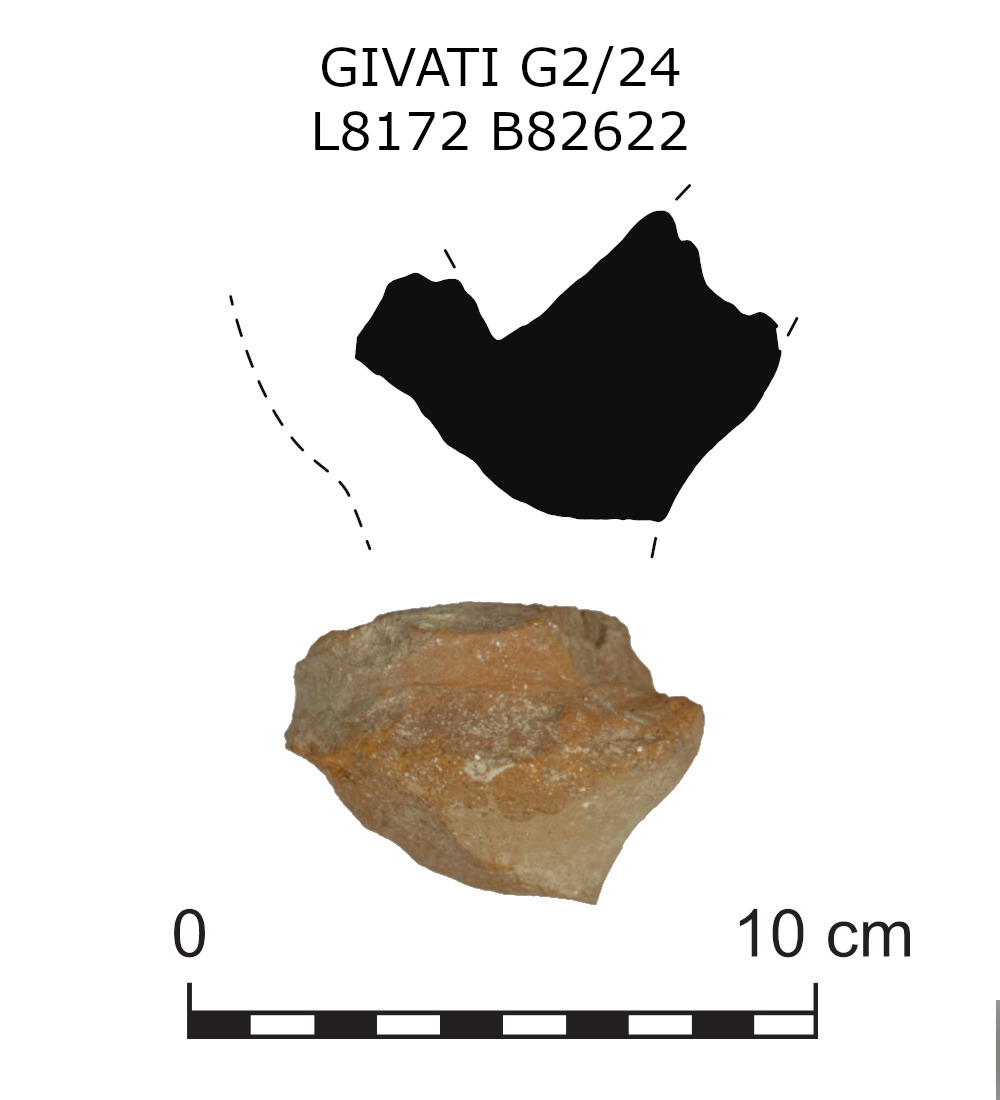
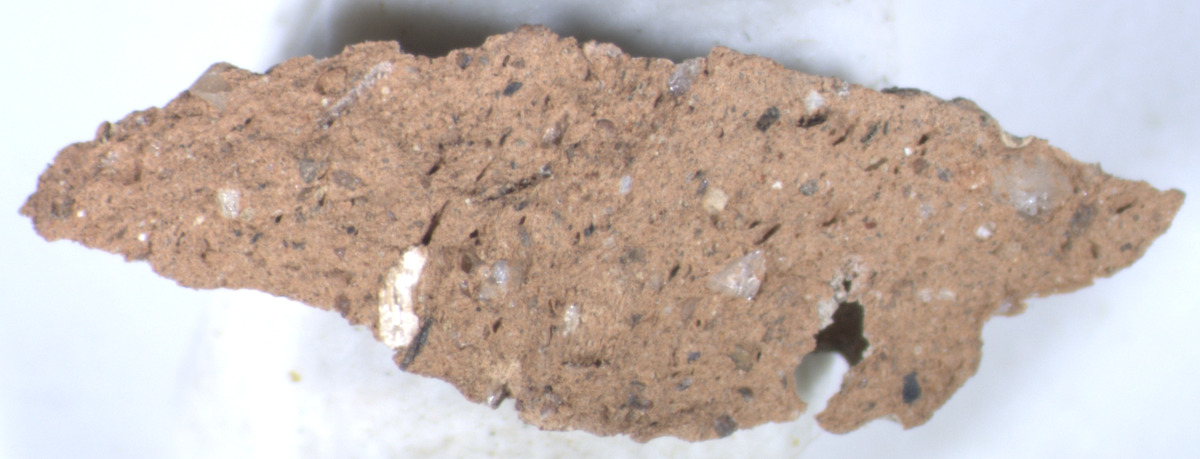
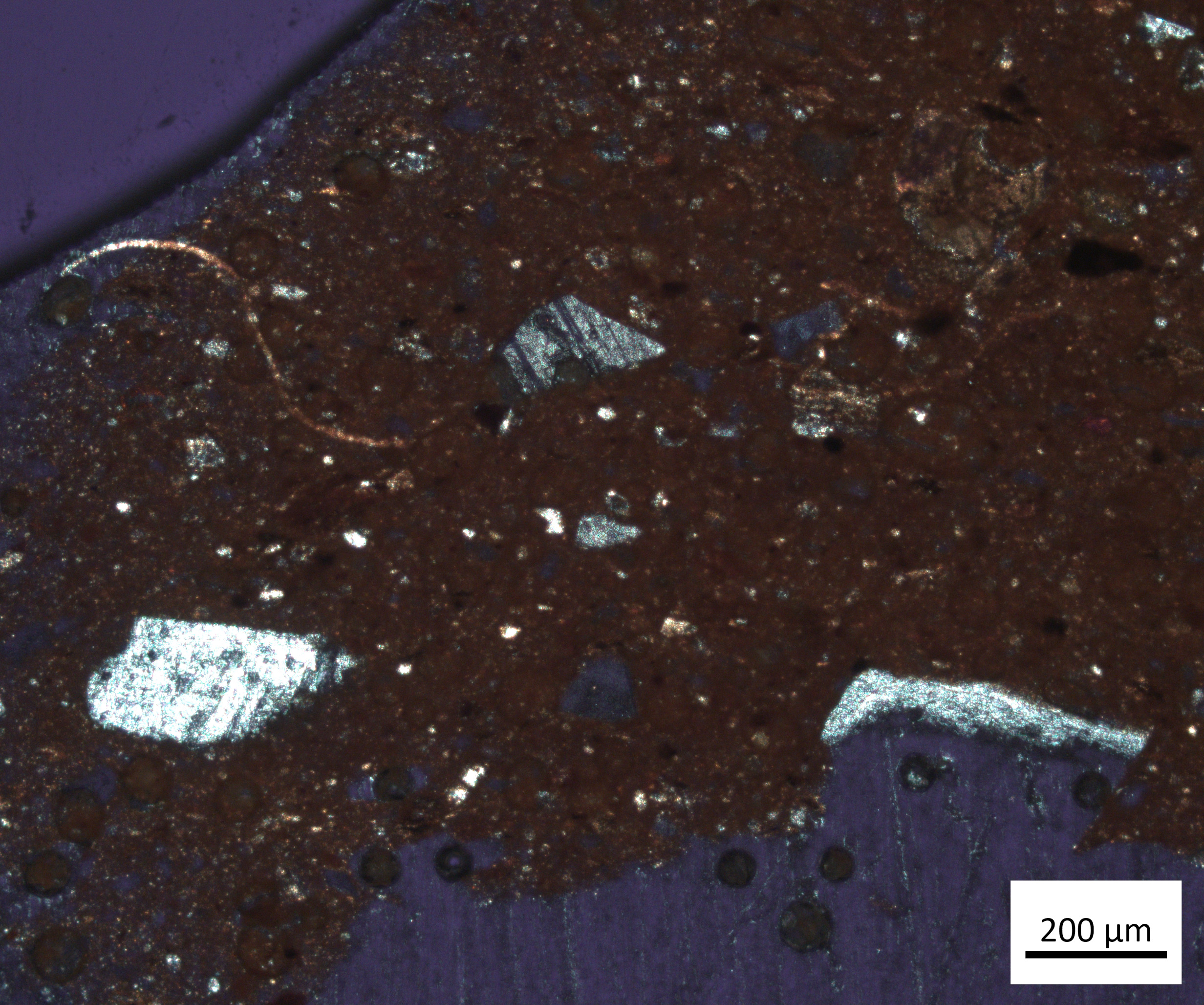
This LCP petro-fabric does not represent a single fabric but rather a group of loosely related petro-fabrics from a large and geologically heterogenous area. They are share a set of key similarities: they are from the southeast Aegean, including some of the Cycladic and Dodecanese Islands, as well as the western coast of Anatolia, and may be broadly characterized as featuring a moderately to highly micaceous and noncalcareous clay with metamorphic rock-derived inclusions (e.g., Turkey/Southern Lydia/metamorphic/schist and mica). It is difficult to connect any member of this group with a specific geological region or kiln, not because of universal geological features (though petro-fabrics from different sites in this region can be quite similar), but because of the scarcity of high-resolution petrographic analyses conducted at production sites and the tendency of scholars to label any brown to pink micaceous clay as “Aegean.”
Hopefully, further petrographic research and clay sampling in this region will lead to the identification of multiple discrete petro-fabrics contained with this general category.
Jerusalem, City of David/Ophel/Silwan (Israel-Palestinian Authority/Central Highlands)
