
Southern Lydia encompasses the foothills of the Tmolus range down to the Gediz river valley. The metamorphic mountains of the Menderes Massif define the region’s southern edge, and the weathering of its constituent schists, marbles and gneisses result in outcrops of smooth non-calcareous clays (Neff and Glascock 1997; Scott and Kamilli 1981, 689 and references in n. 26 to geological studies of the Sardis region). This region has been home to the manufacturing of high quality vessels and tiles since antiquity, and is still today the locale of dozens of clay tile manufacturers.
Chemical analyses of vessels from Sardis, which was the region's largest city throughout antiquity, have determined that the majority of that site's pottery in the Early Bronze Age, Iron Age, Lydian, Hellenistic, Roman, Medieval, and Modern eras were all made of this highly micaceous, metamorphic petro-fabric. It is non-calcareous group, with relatively low concentrations of calcium and chromium, significant amounts of sodium, iron, and potassium, and further enriched by a broad suite of trace elements (Neff and Glascock, 1997).
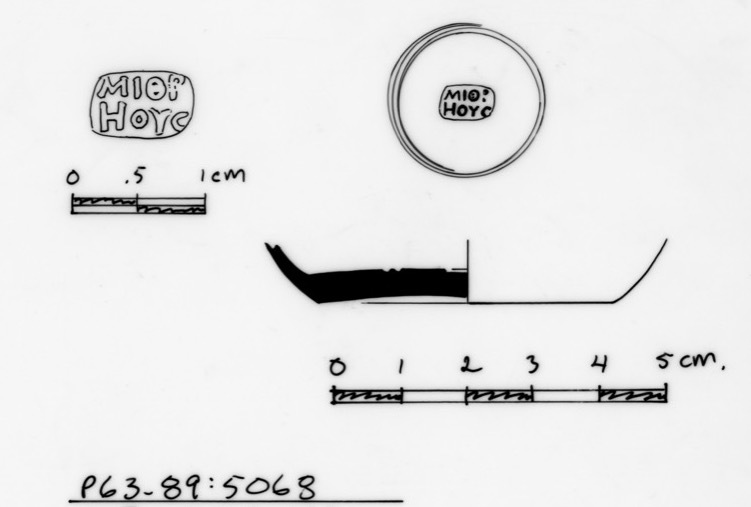
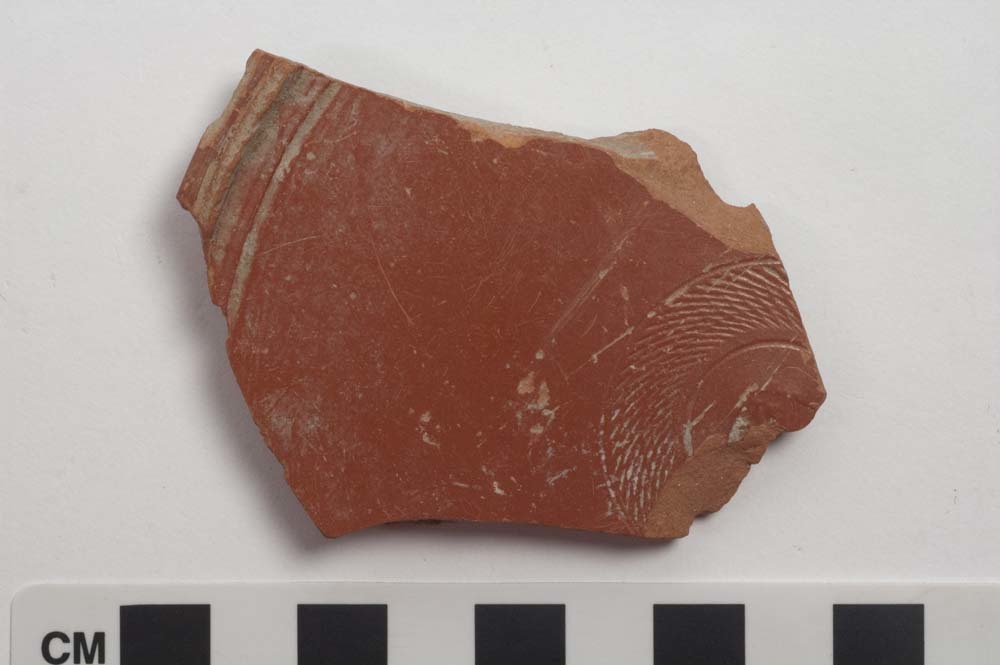
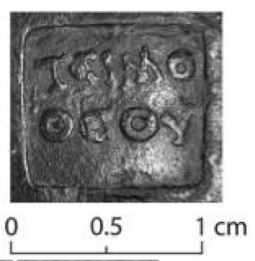
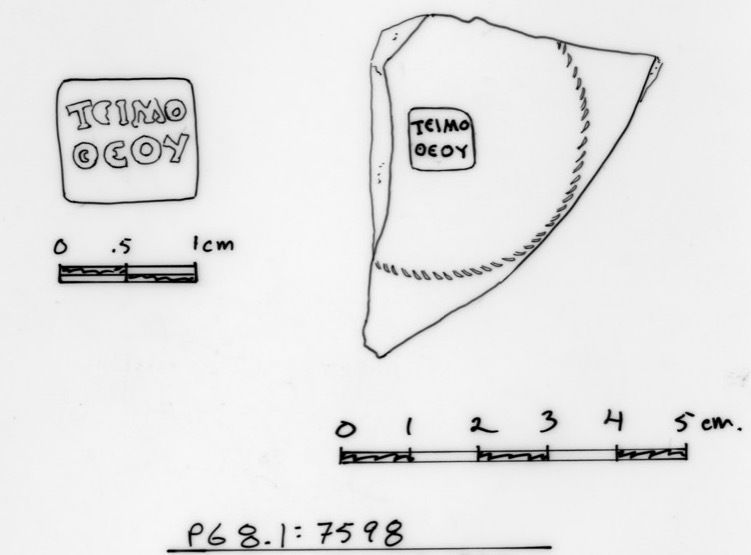
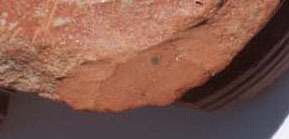
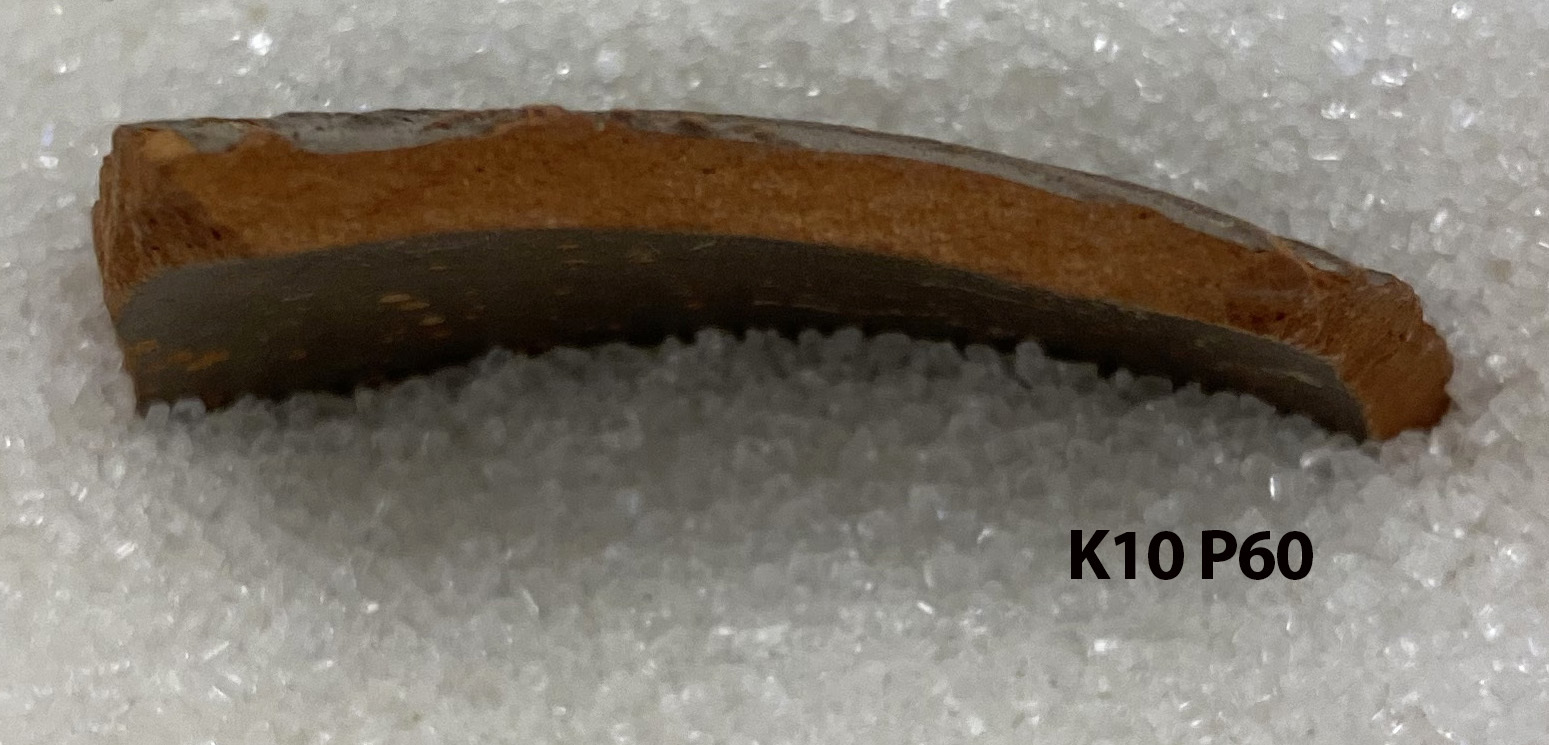
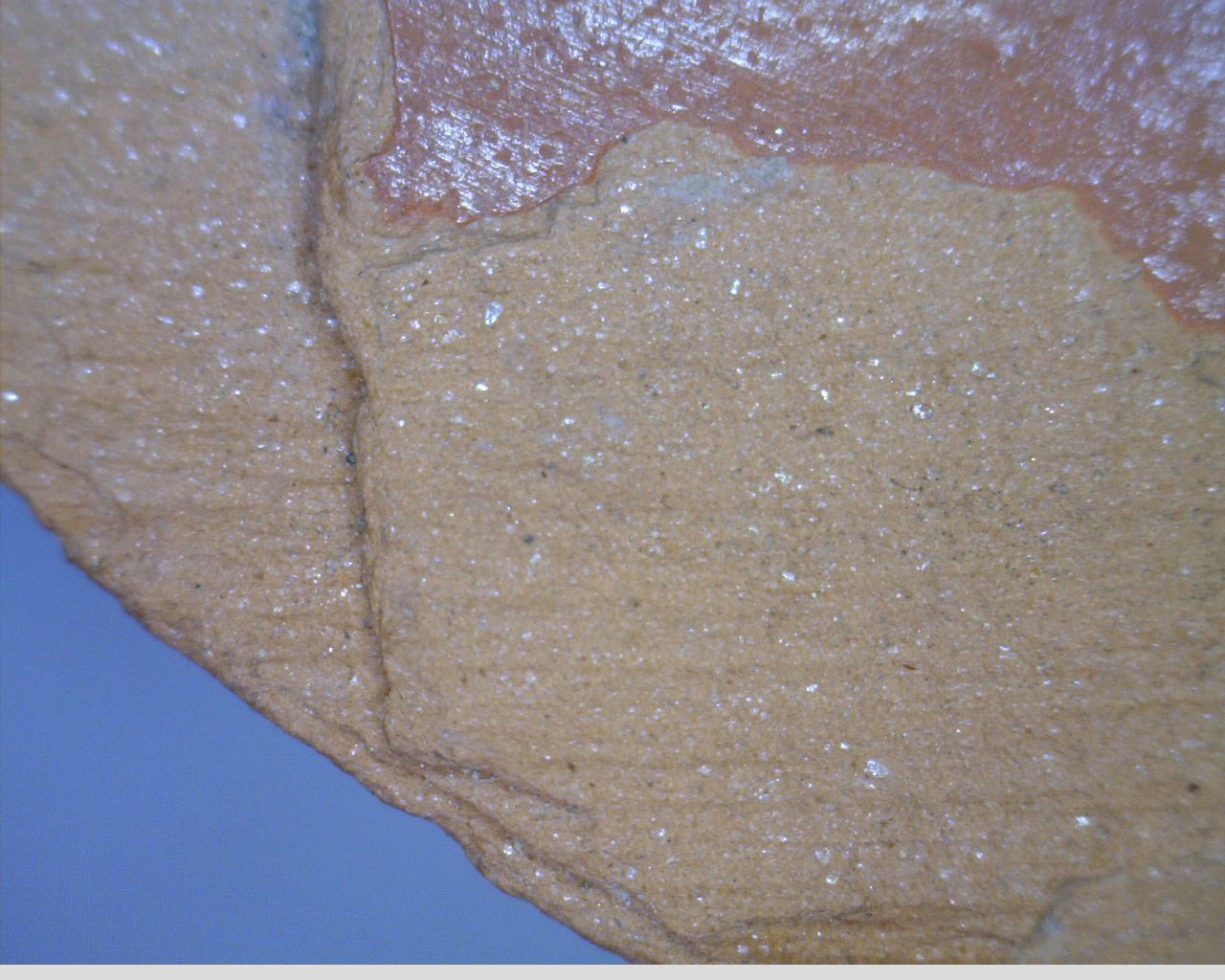
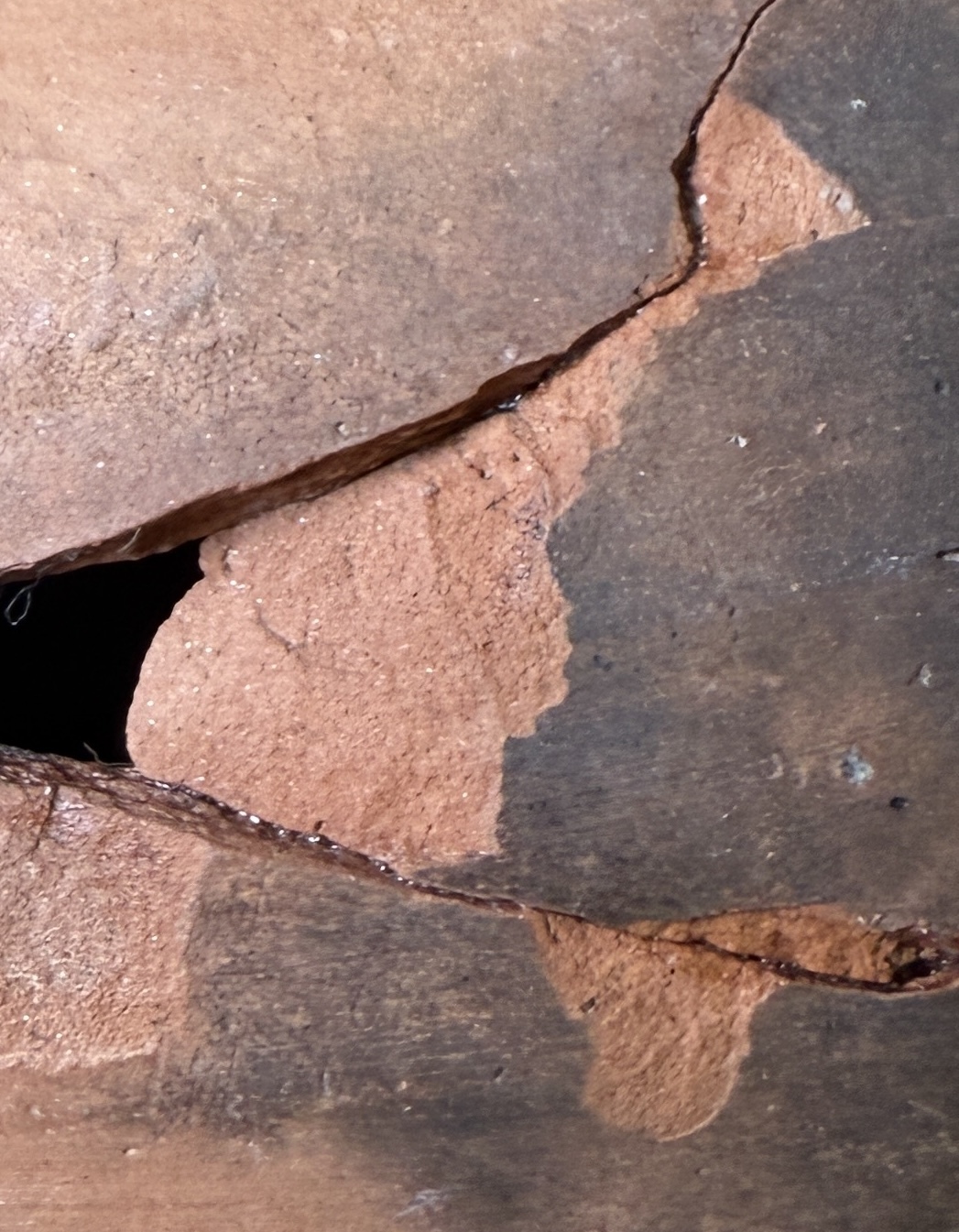
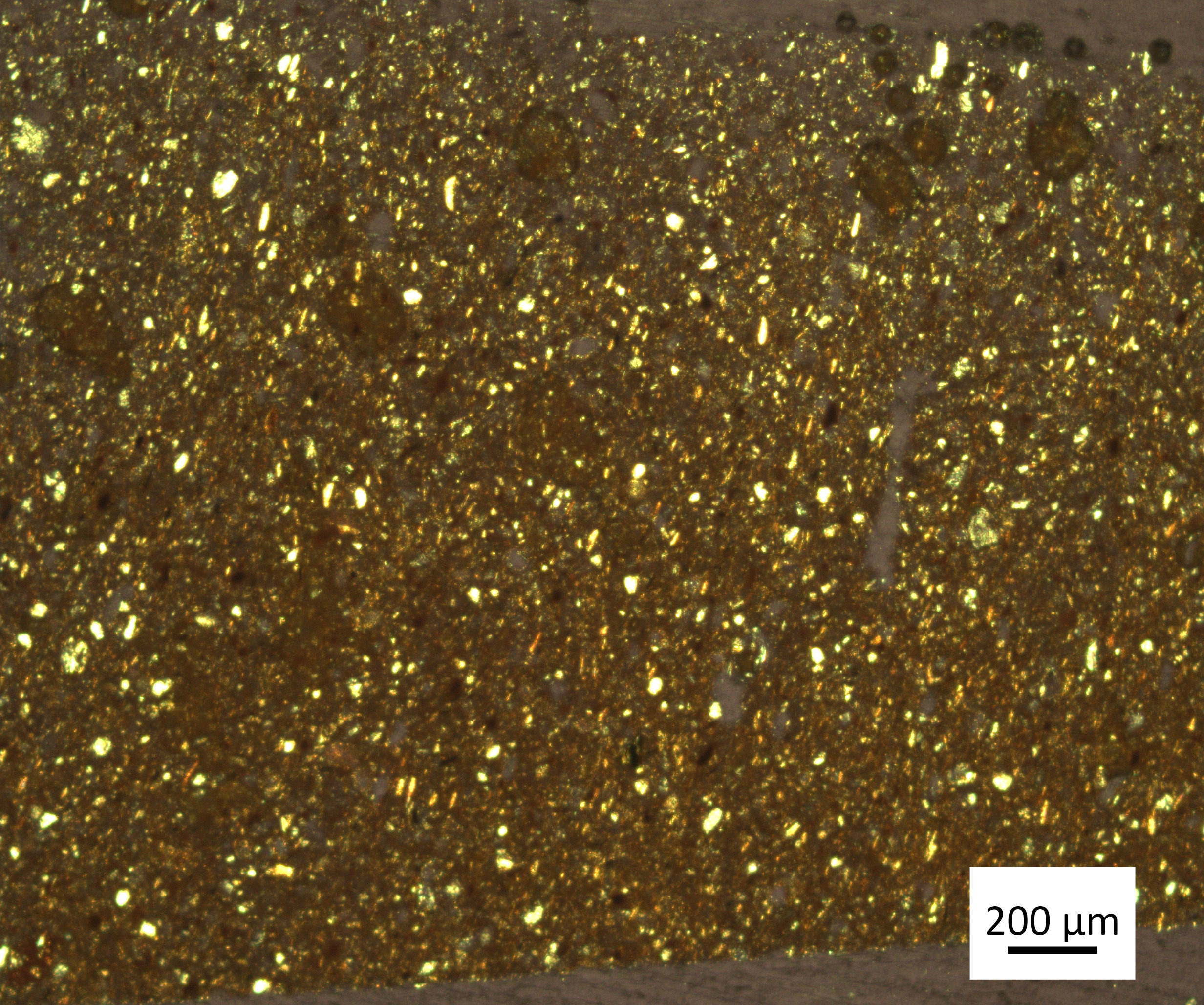
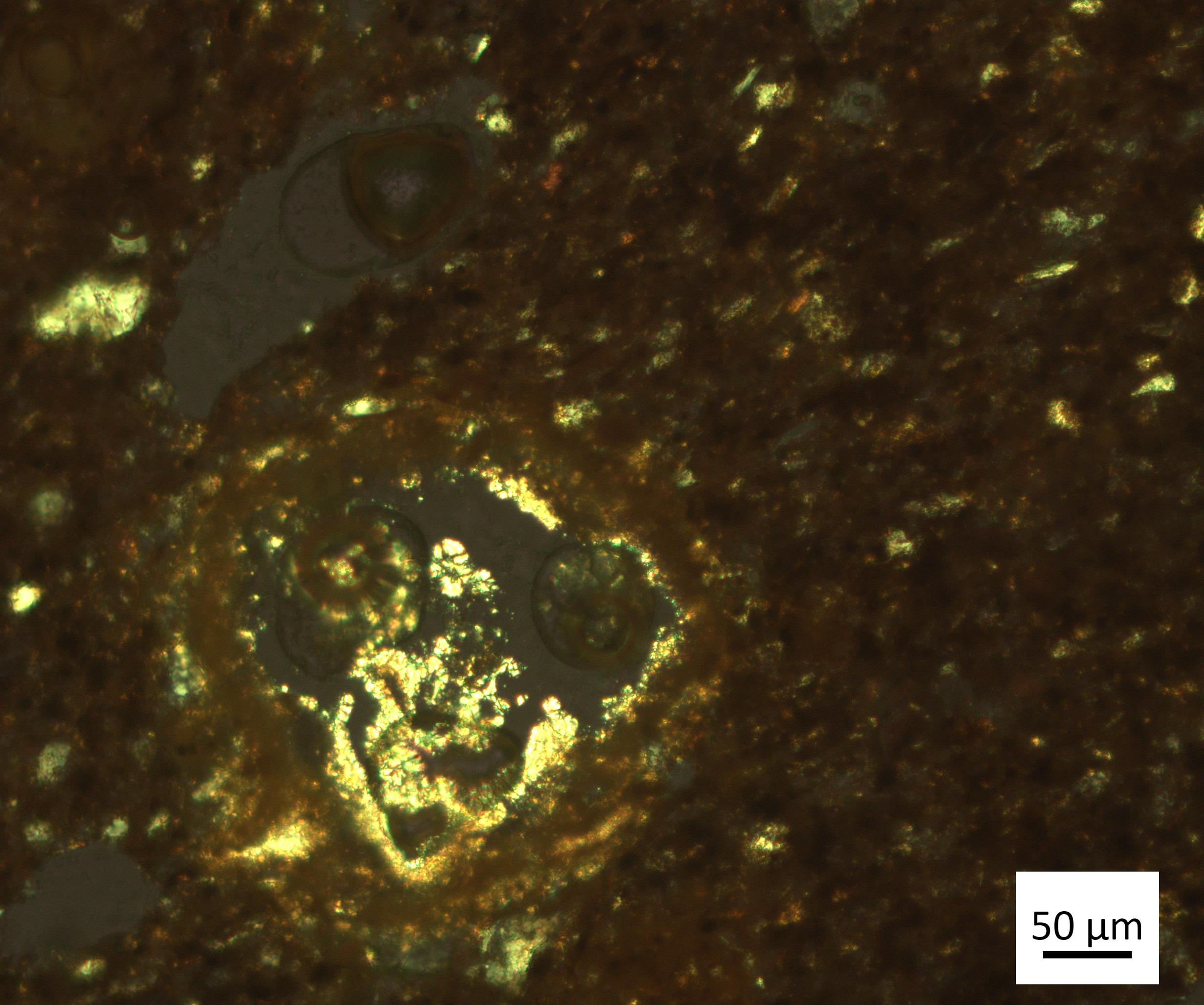
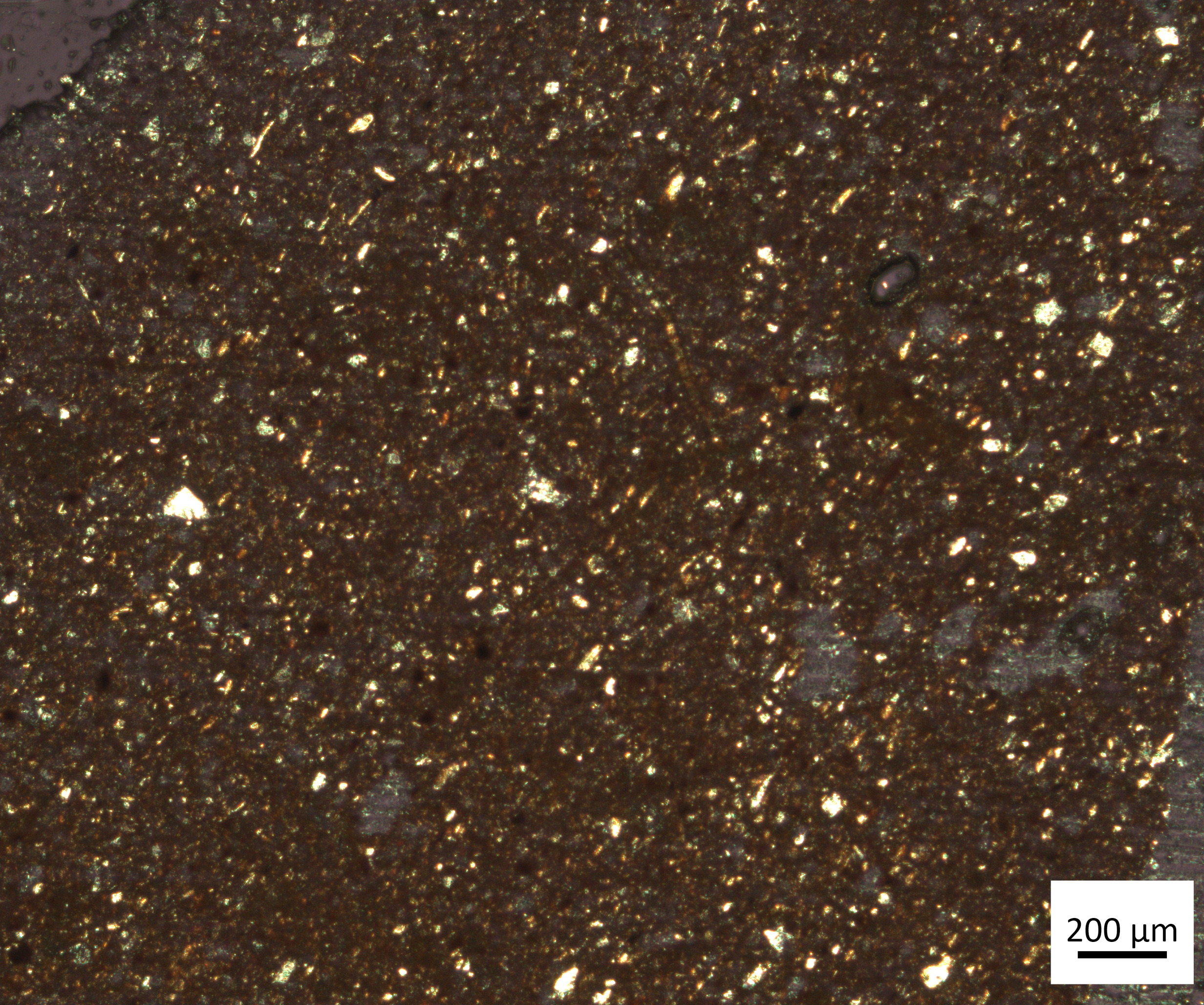
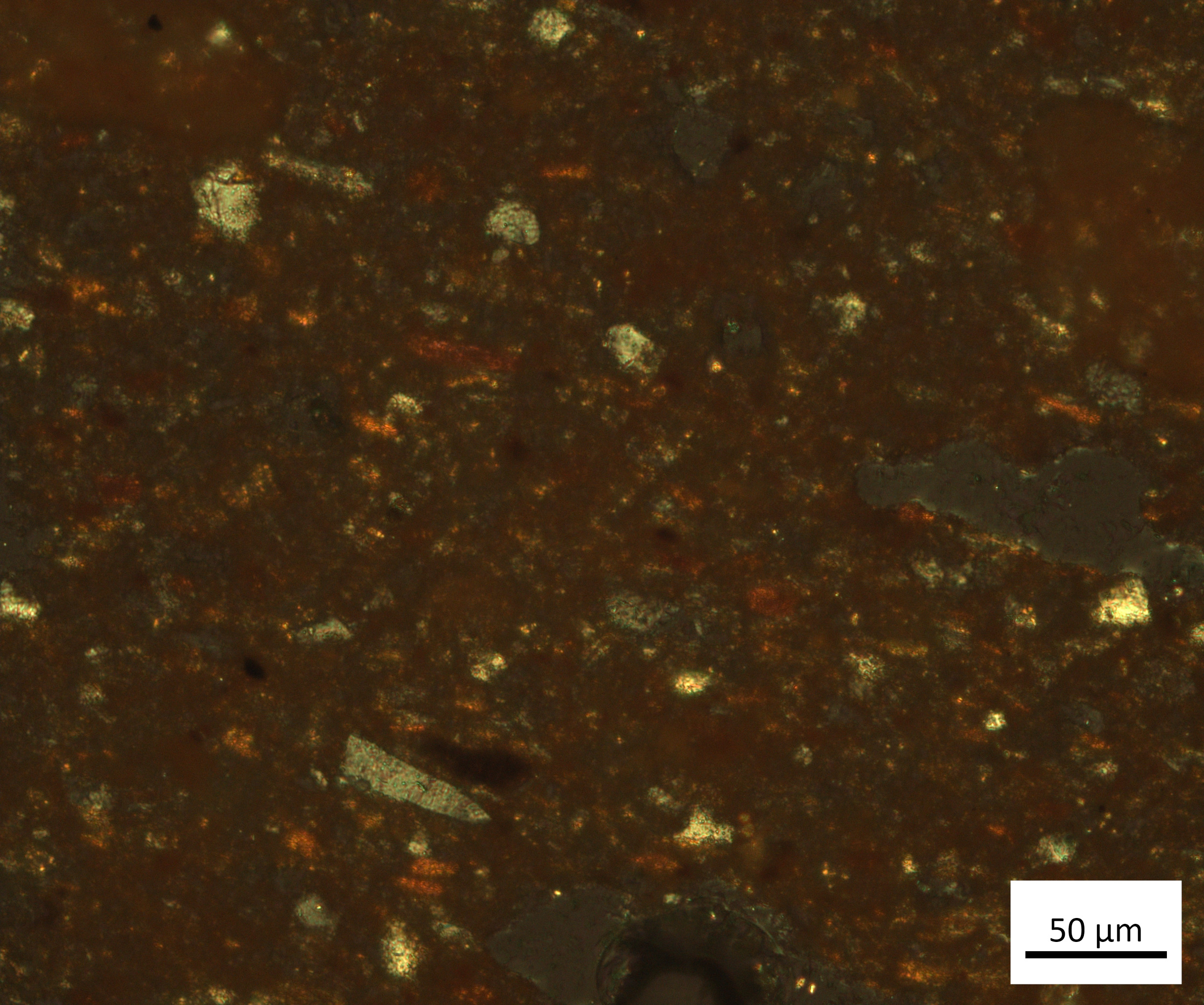
The interior of vessels made of this petro-fabric generally fire to a bright orange-red (10R 5/8 to 2.5YR 6/8). They are generally micaceous, very dense, and quite clean.
Southern Lydia encompasses the foothills of the Tmolus range down to the Gediz river valley. The metamorphic mountains of the Menderes Massif define the region’s southern edge, and the weathering of its constituent schists, marbles and gneisses result in outcrops of smooth non-calcareous clays (Neff and Glascock 1997; Scott and Kamilli 1981, 689 and references in n. 26 to geological studies of the Sardis region). This region has been home to the manufacturing of high quality vessels and tiles since antiquity, and is still today the locale of dozens of clay tile manufacturers.
Chemical analyses of vessels from Sardis, which was the region's largest city throughout antiquity, have determined that the majority of that site's pottery in the Early Bronze Age, Iron Age, Lydian, Hellenistic, Roman, Medieval, and Modern eras were all made of this highly micaceous, metamorphic petro-fabric. It is non-calcareous group, with relatively low concentrations of calcium and chromium, significant amounts of sodium, iron, and potassium, and further enriched by a broad suite of trace elements (Neff and Glascock, 1997).
