
Israel/Haifa Bay/Akko Coast/Coastal alluvium
Israel/Northern Coastal Plain
Alluvial clayey soil
Alluvials that are formed from terra rossa along the western Galilee
This petro-fabric is a non-calcareous coastal alluvium mixed with terra rossa soil and some limestone. It is characteristic of the northern coast of Israel from the Haifa/Akko Bay to Achziv near the modern border with Lebanon. This long stretch is characterized by alluvial deposits formed from soils along the mountains of western Galilee.
Throughout history this region was home to large ports as well as smaller harbors on inland rivers and estuaries. In these inland zones, salt marshes created by tidal currents, along with brackish water from local springs and sweet water from the rivers, served as an interface between the coast and its hinterland.
Paleo-environmental studies have demonstrated that this area was subjected to extensive environmental changes that go back about 6000 years. Changing sea levels led to changes in the eco-system, including prolonged droughts and deforestation. As a result, mountain sediments washed away as alluvium, which in turn probably caused a high rate of freshwater wetland loss.
As evident in this petro-fabric, these alluvials, which contain a high percentage of plastic clay minerals, offered excellent material for ceramic production. Indeed, in antiquity, red-brown Terra Rossa was extensively used for pottery manufactured in the central highlands of Cis-Jordan and in the Galilee.
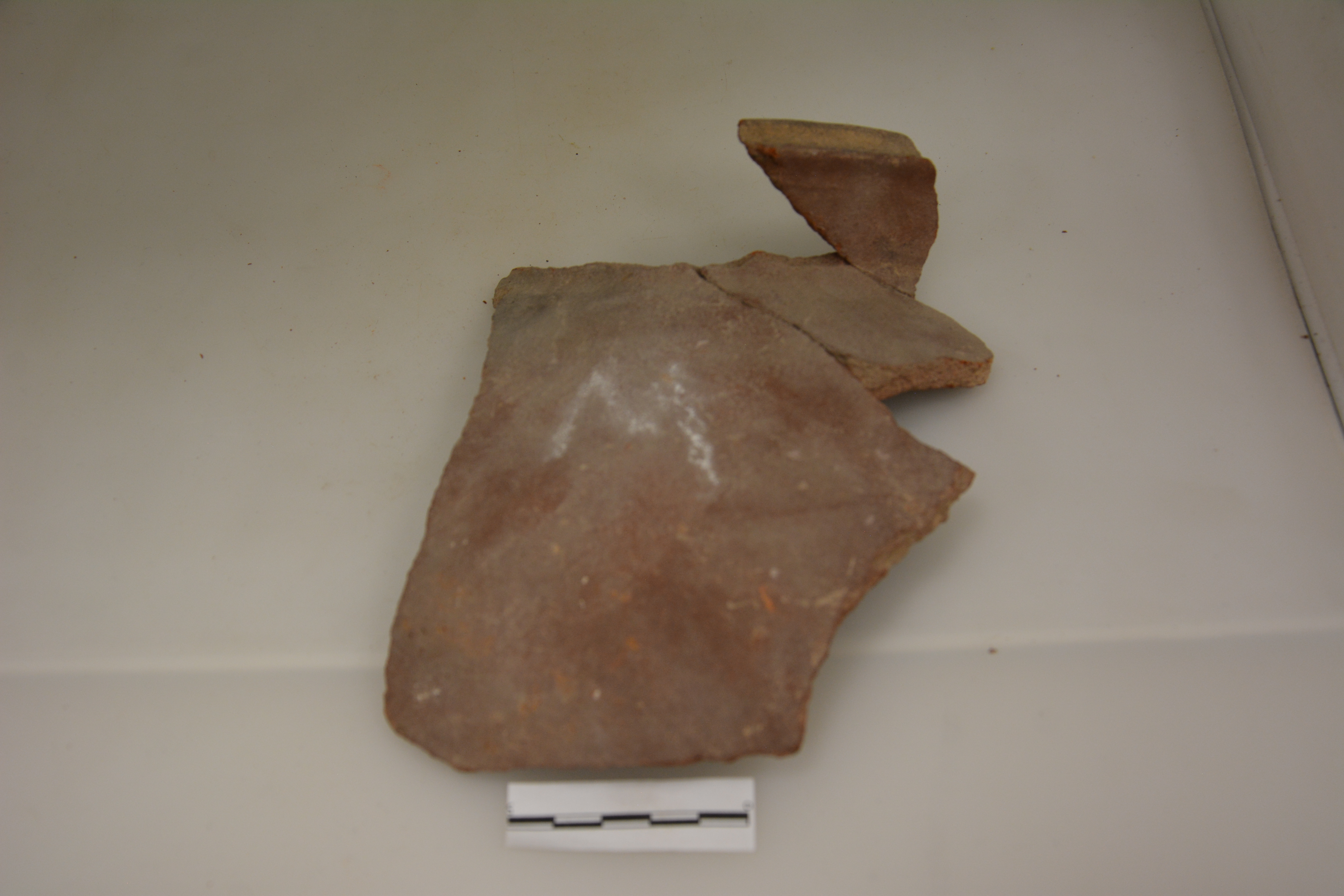
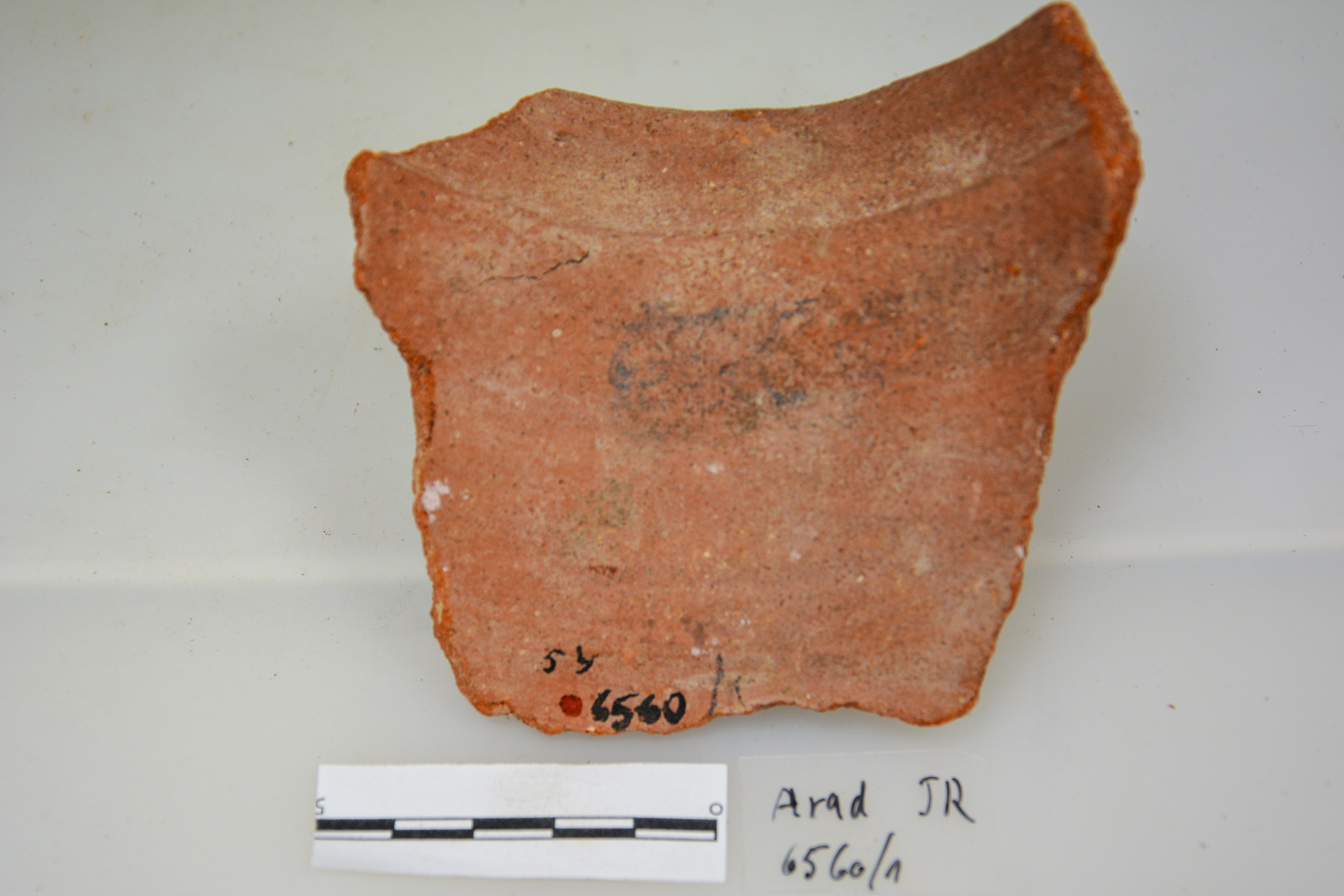


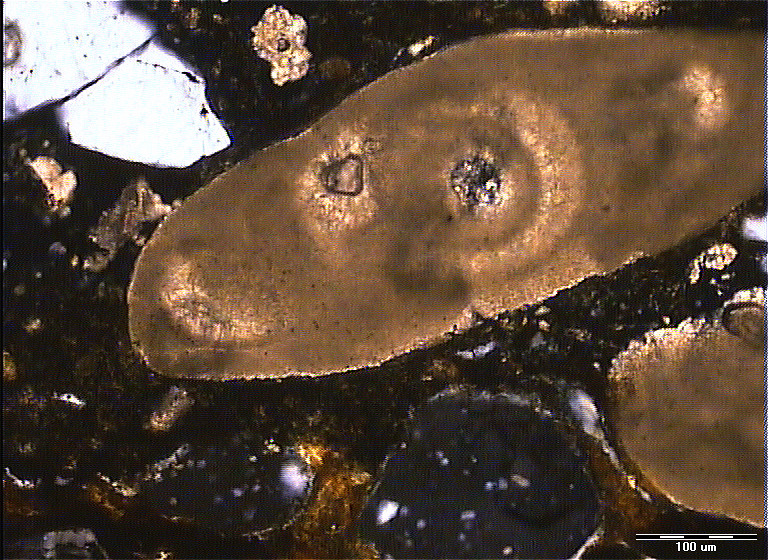
Coastal alluvium non-calcareous clay mixed with terra rossa soil and limestone inclusions – Haifa Bay /Akko Coast
This petro-fabric is a non-calcareous coastal alluvium mixed with terra rossa soil and some limestone. It is characteristic of the northern coast of Israel from the Haifa/Akko Bay to Achziv near the modern border with Lebanon. This long stretch is characterized by alluvial deposits formed from soils along the mountains of western Galilee.
Throughout history this region was home to large ports as well as smaller harbors on inland rivers and estuaries. In these inland zones, salt marshes created by tidal currents, along with brackish water from local springs and sweet water from the rivers, served as an interface between the coast and its hinterland.
Paleo-environmental studies have demonstrated that this area was subjected to extensive environmental changes that go back about 6000 years. Changing sea levels led to changes in the eco-system, including prolonged droughts and deforestation. As a result, mountain sediments washed away as alluvium, which in turn probably caused a high rate of freshwater wetland loss.
As evident in this petro-fabric, these alluvials, which contain a high percentage of plastic clay minerals, offered excellent material for ceramic production. Indeed, in antiquity, red-brown Terra Rossa was extensively used for pottery manufactured in the central highlands of Cis-Jordan and in the Galilee.
3rd -2nd centuries BCE
Achaemenid Persian, Hellenistic
