
Yarmukian pottery
Israel-Palestinian Authority/Central Highlands, Israel-Palestinian Authority/Jordan Valley, Israel-Palestinian Authority/Southern Coastal Plain, Israel/Shephelah, Israel/Negev
6400-6000 BCE
Pottery Neolithic
General Information
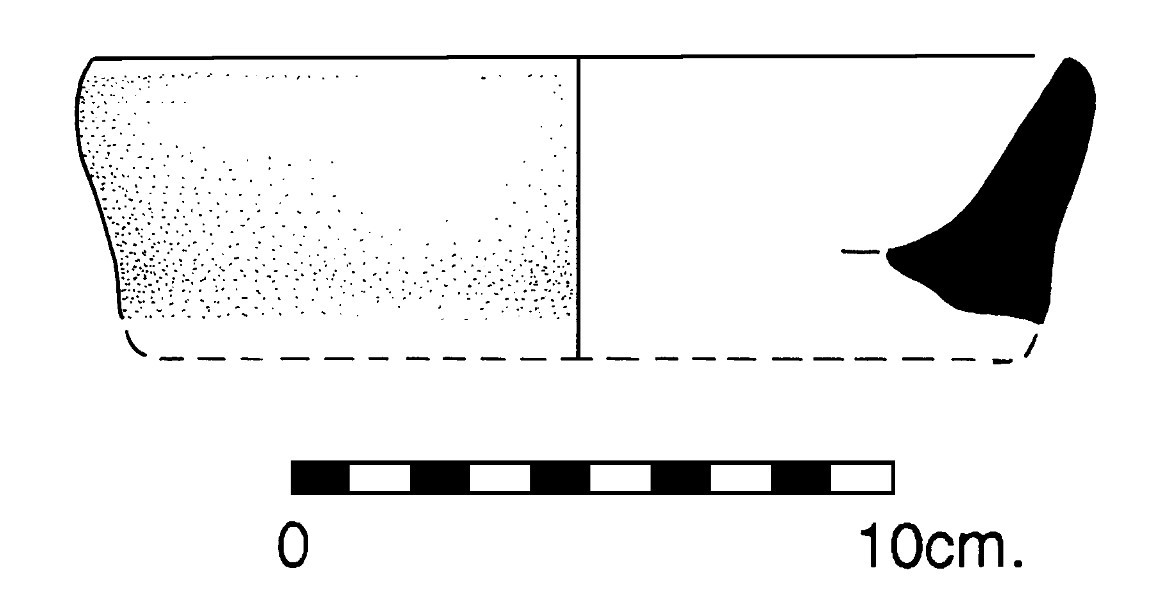
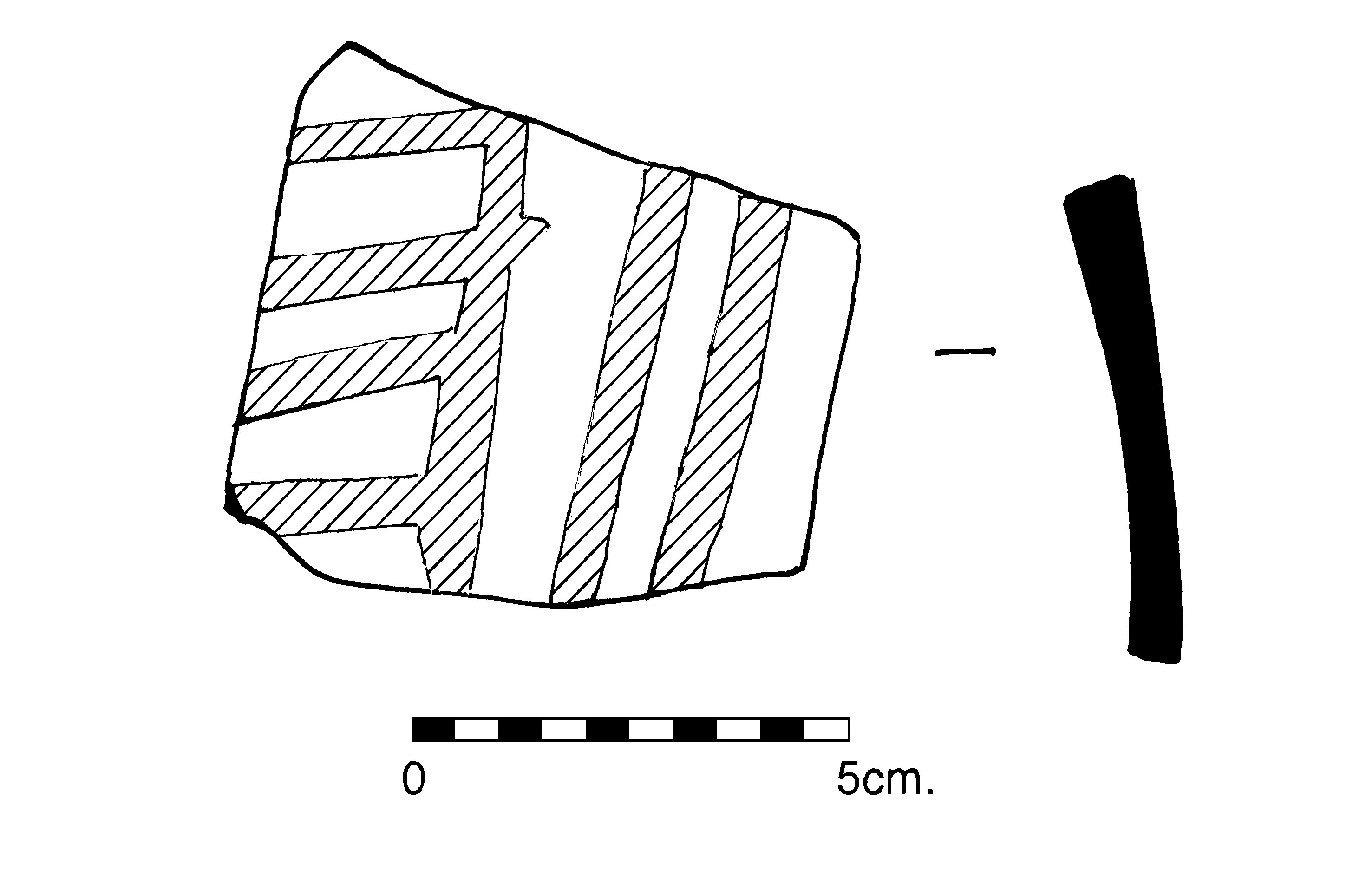
Yarmukian pottery is the first pottery culture in the Southern Levant, dated to 6400 BC to 5900 BCE. To date, Yarmukian pottery has been found at 15 sites (Vieugué et al. 2024). The most characteristic feature of the ware is an incised herringbone pattern (Garfinkel 1999). The suite known as “Sha’ar Hagolan Decoration” includes a combination of incised and painted horizontal lines, zigzag lines and herringbone patterns. Though, depending on the site, 75-90% of Yarmukian pottery is undecorated. The plain vessels are beige and orange in color. In literature Yarmukian pottery is sometimes called burnished, but it was actually shined, which is done with a soft, rather than a hard, tool (Roux and Harivel 2025). Shapes of Yarmukian pottery include open and closed vessels of all sizes, including spoons, chalices, bowls, mugs, jugs, basins, pithoi, and pots.
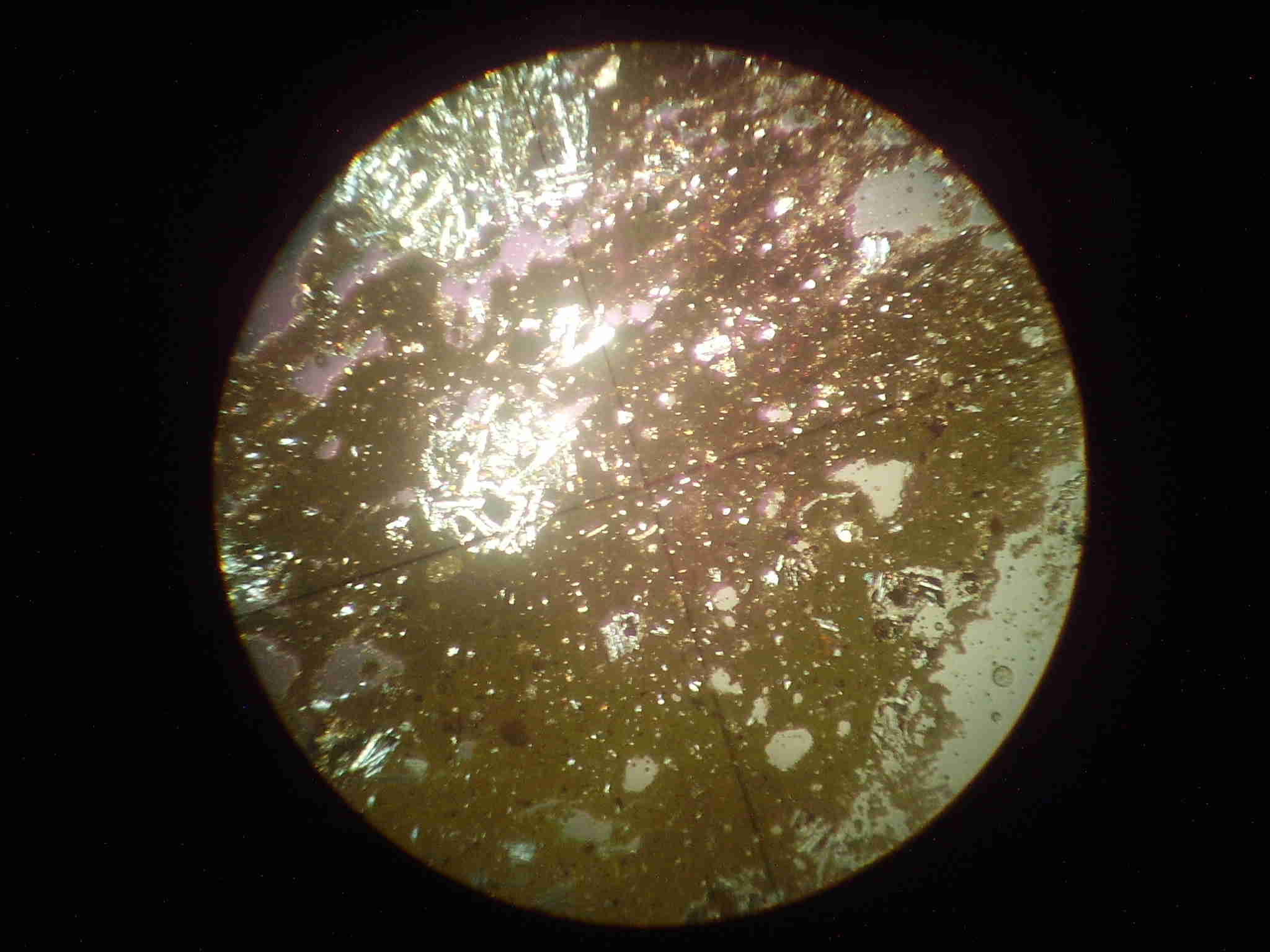
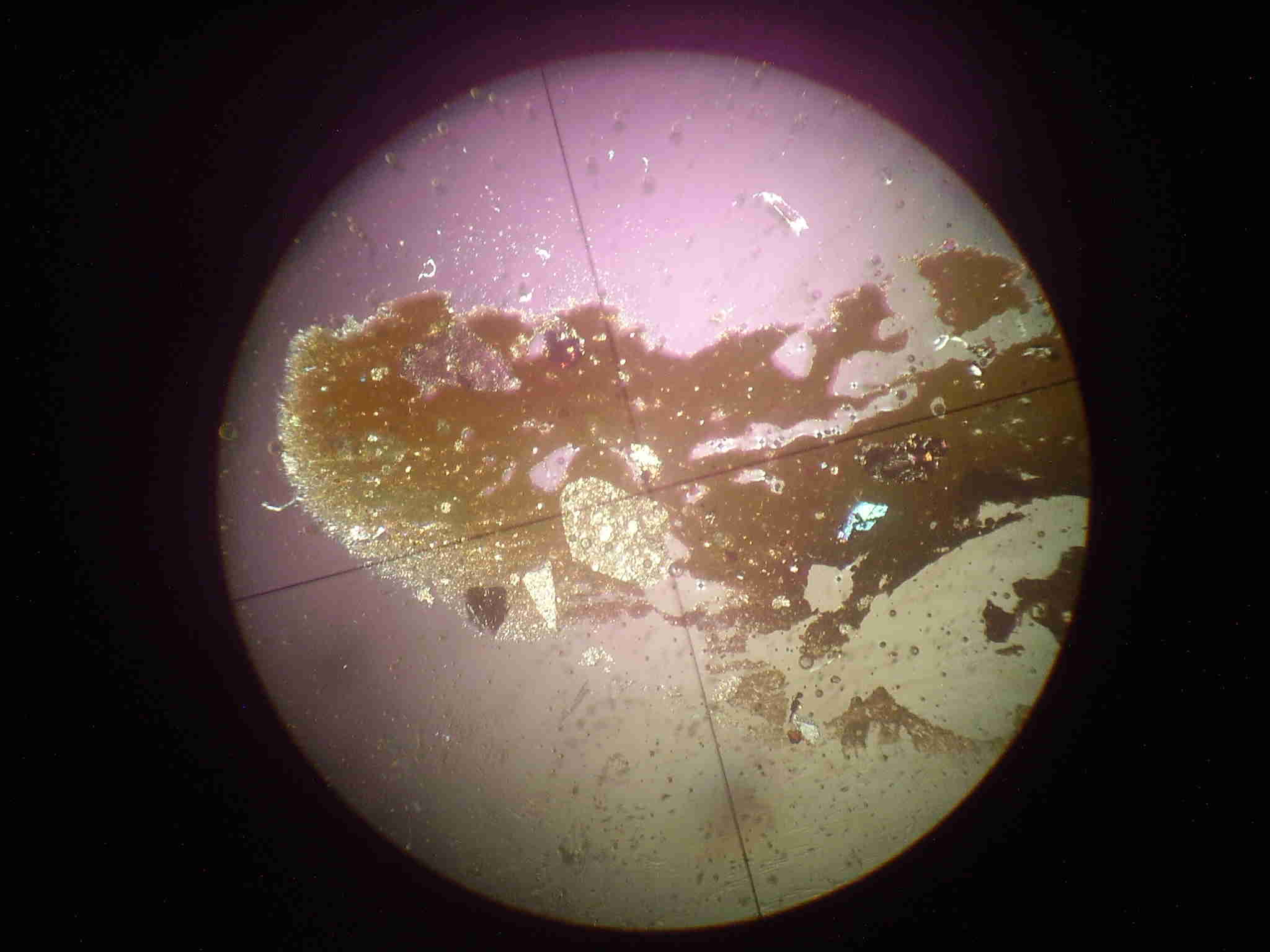
Sherds from Munhata were analyzed petrographically by Goren 1992, who concluded that the ware was made from local clays. The clays of Yarmukian pottery are generally calcareous, with added tempers of crushed calcite, straw, basalt, grog, or flint (Vieugué et al. 2024). Roux and Harivel 2025’s reconstructed Yarmukian chaîne opératoire is as follows: First, vessel bases were made with two overlaid clay discs, and the body was formed by using spreading and small coils. An outer peripheral coil at the base-body junction is a characteristic feature of Yarmukian vessels. A thick clay coating was then added to the interior, base, exterior, and then rim of the pot. The vessels were shined and then decorated, if applicable. The vessels were fired in an oxidizing environment.*
* This description was written by Anne Johnakin, as part of a project for a course at Boston University in Fall 2025: AR 590, Life Is A Bowl, taught by Professor Andrea M. Berlin.


Hamadiya, Khirbet esh-Soda (Israel/Beth She'an Valley)
Sha'ar Hagolan (Israel/Jordan Valley north)

