
Cypriot Late Hellenistic/Early Roman "Pink Powdery Ware"
Cyprus/Western South Coast
1st century BCE-1st c. CE
Hellenistic, Early Roman
General Information
Jolanta Młynarczyk has identified a specific ware among the finds made on the island of Geronisos off the coast of South-western Cyprus. She called it “Pink Powdery Ware” and noted that the ware was apparently closely connected with Cypriot Sigillata (Eastern Sigillata D) “both in terms of repertoire of forms and of the fabric”. Młynarczyk characterized the ware as "local to the region of Agios Georgios and Peyia" or possibly imported from "a place easily connected with Agios Georgios, most probably situated in western Cyprus". This ware was used by potters to make a wide range of open and closed shapes – plates and dishes, bowls, kraters, kyathoi, jugs, amphoriskoi, lagynoi, oinochoe, and table amphorae. This ware was also used to make oil lamps. Myłnarczyk concluded that a number of these forms are attested in Cyprus since at least the Late Classical/Early Hellenistic period, and that the ware comprises “counterparts of some forms of ESA and Cypriot Sigillata wares attributed to the 1st century BC”. Based on work by both S. Hadjisavvas and Joan Breton Connelly at Geronisos, this ware likely dates to the 1st century BCE.
On the basis of fabric and slip, forms, and INAA results, this ware appears to be identical to the "Pink Ware" identified by Kathleen Slane at Tel Anafa, in northern Israel. "Pink Ware" has a fine light red fabric (10R 6/6-8), with a moderate amount of fine white inclusions and sparse rounded dark red inclusions. Vessels are completely covered in a thin red slip (2.5YR 4/8) that was applied by double dipping. INAA of "Pink Ware" and Cypriot Sigillata vessels from Tel Anafa showed close chemical similarities. At Tel Anafa, vessels appear only in early Roman shapes and levels, possibly suggesting that this ware was not exported from Cyprus until later in the 1st c. BCE.
“Pink Powdery Ware” has a distinctive, “pronounced pinkish tinge, very soft ‘powdery’ surface [which] contrasts with [a] fairly hard body” fired to “pink or deep pink with orangeish, reddish or brownish tint. The clay colour is most often “5YR 6/6 and 7/6, 5YR 6/4 and 7/4, sometimes also 2.5YR 6/4 and 6/6, 7.5YR 7/4 and 7/6.” A hard baked version of this ware is also found. The surface is soft and slightly paler than the fabric; it is occasionally fired to beige (10 YR 7/3, 10YR 8/4). It has a powdery feel. One version of the ware is un-slipped. Otherwise, a thin and matte slip is present, “normally fired to an evenly red colour (usually 2.5YR 5/6, occasionally also 2.5YR 4/8, 5YR 6/6, and 10 R 5/6 and 5/8), in a few cases…it is mottled orange brown, brown and dark brown”. A painted band is occasionally seen on the shoulder of certain forms.
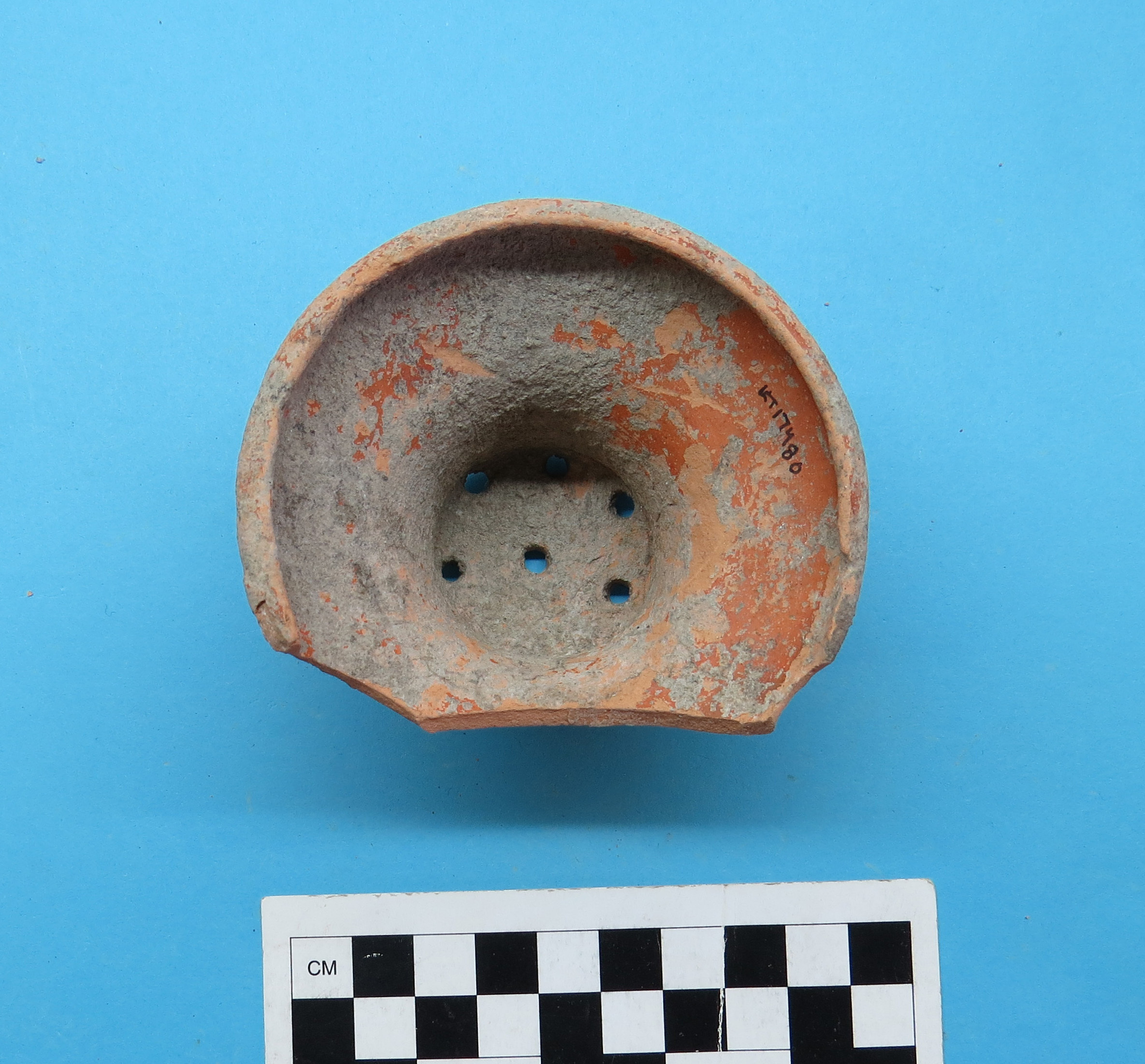
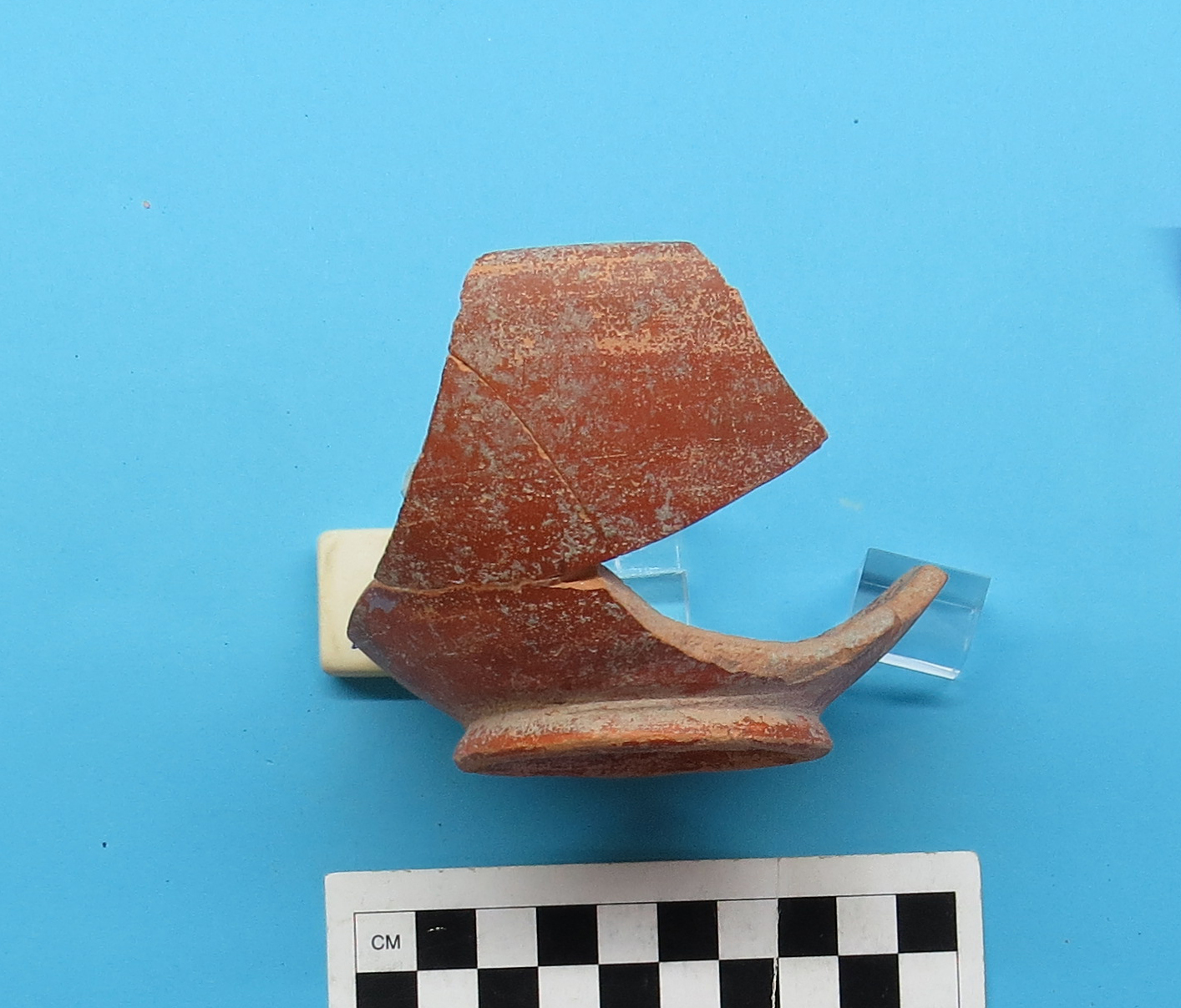
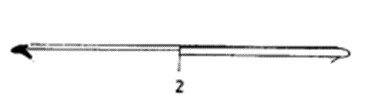
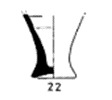
Geronisos Island (Cyprus/Western South Coast)
Kinet Höyük (Turkey/Eastern Mediterranean)
