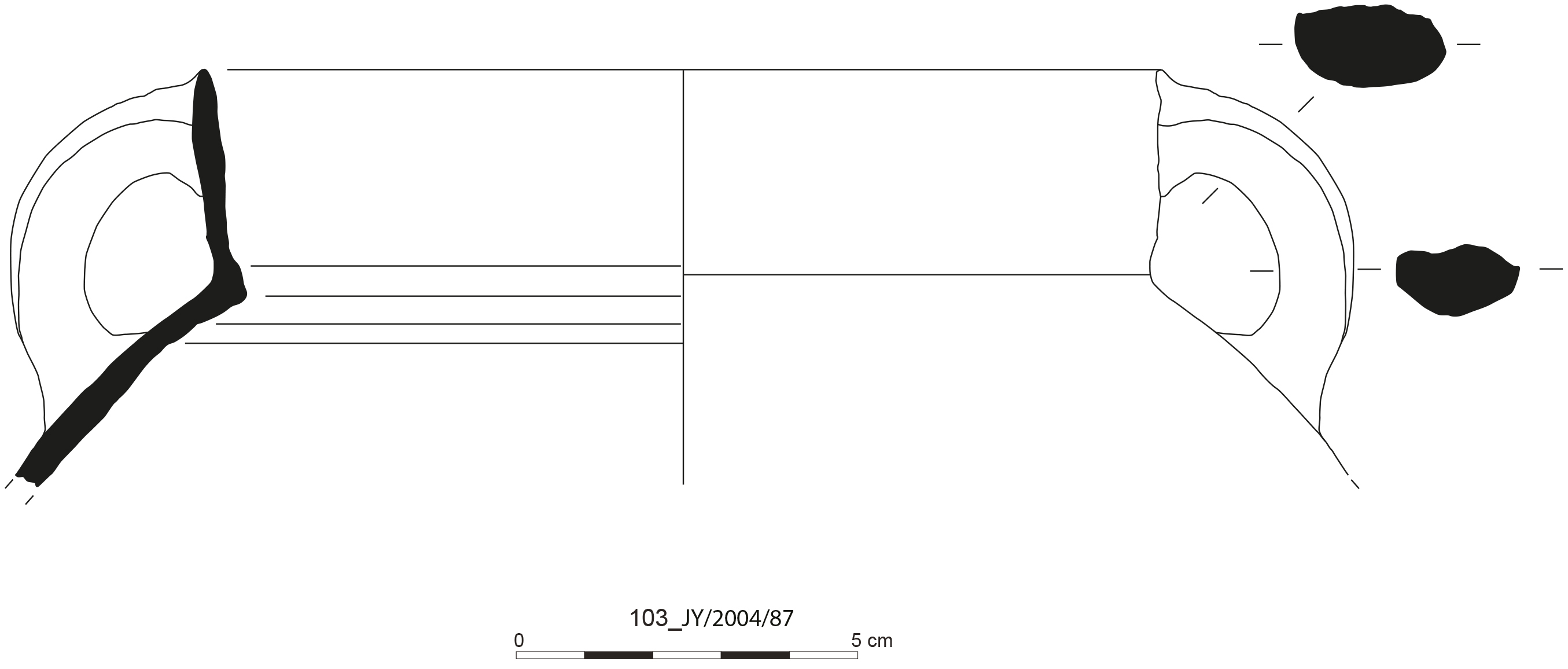
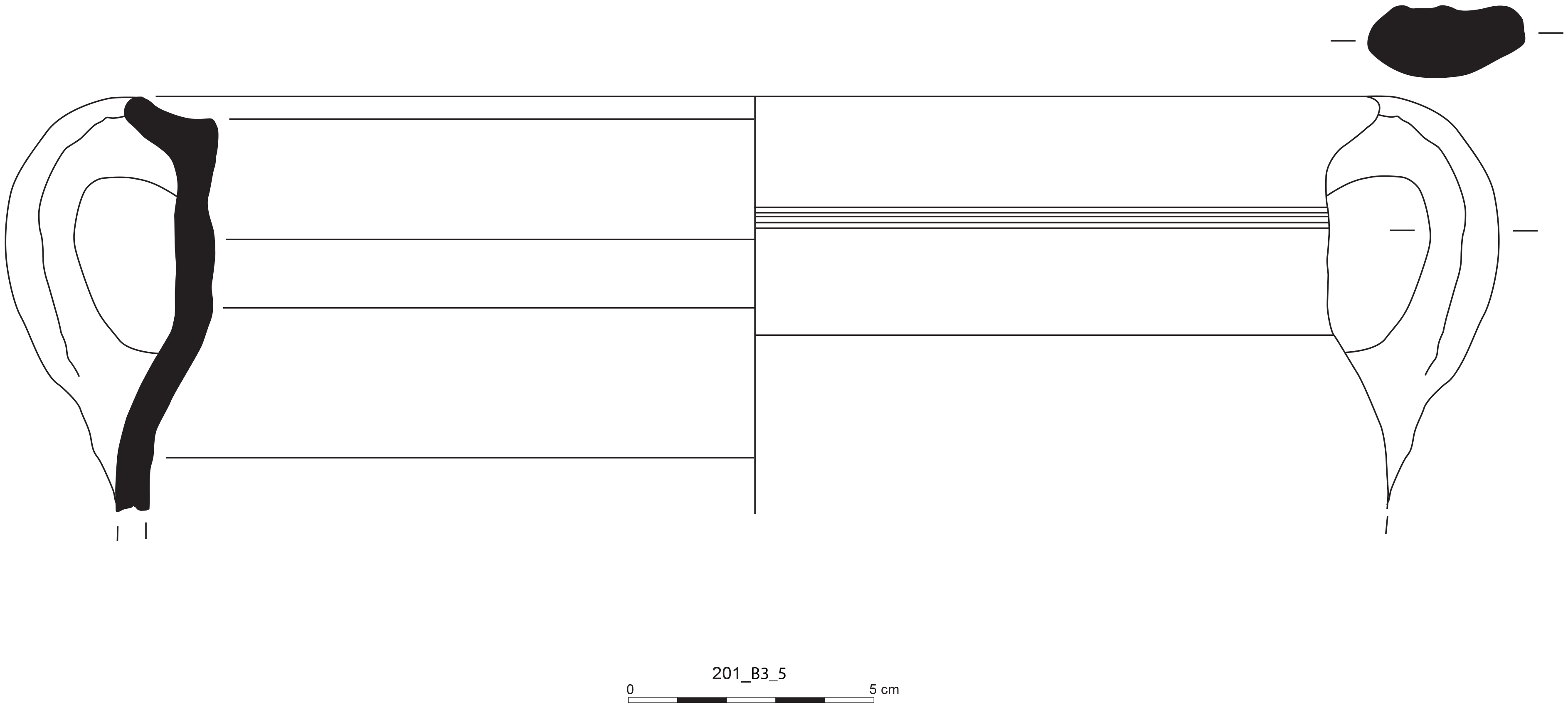
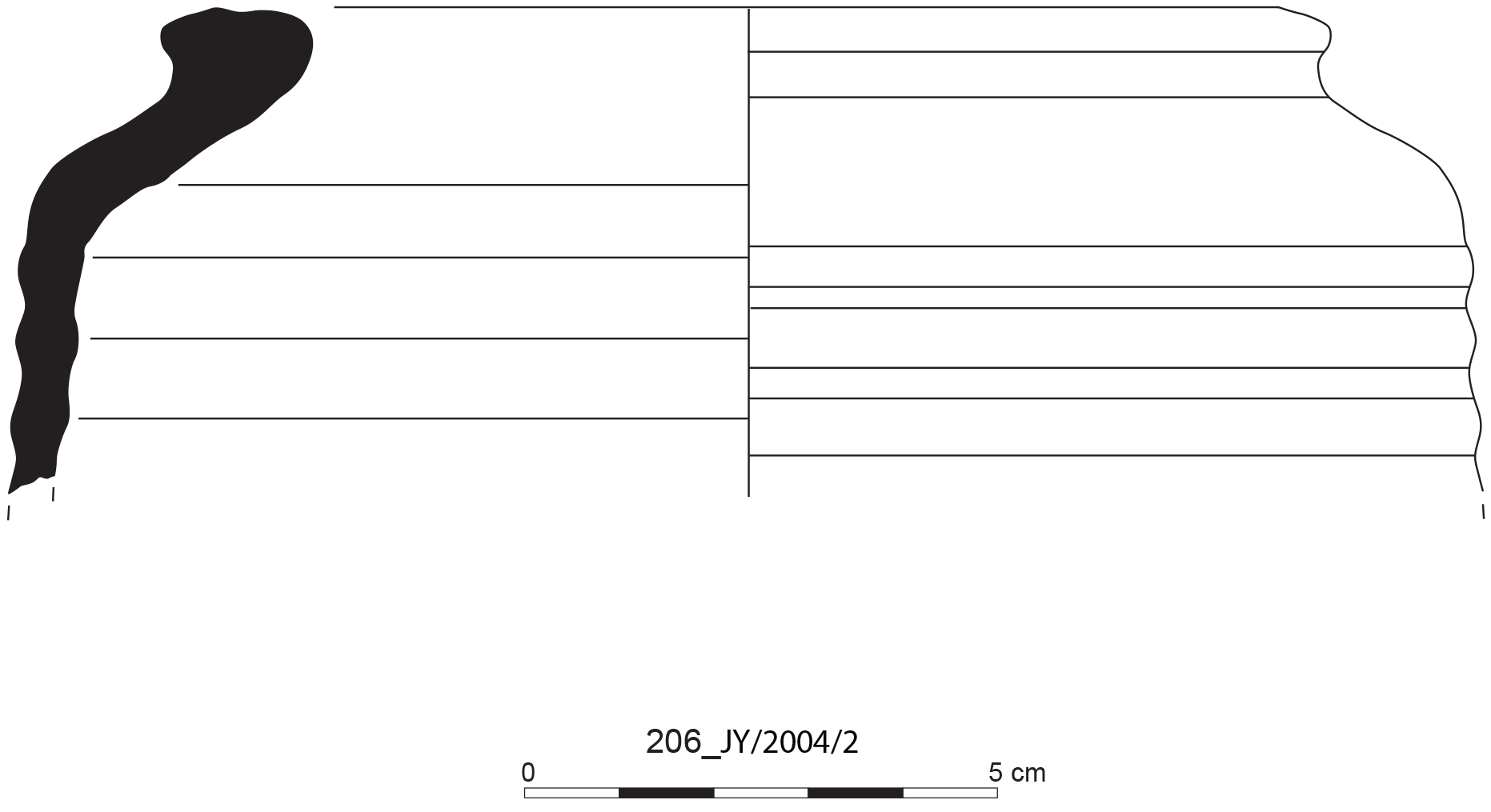
Late Hellenistic Jiyeh Ware (LHJW)
Lebanon/Southern Coast
200 BCE - 50 BCE
Hellenistic
General Information
Late Hellenistic Jiyeh Ware has been identified based on comparative analysis on the material from an industrial area and test pits in the ancient village at Jiyeh site, in the vicinity of the Lebanese coastal city of Sidon.
Late Hellenistic Jiyeh Ware (LHJW) is distinguished by red or orange colour of the ware (10 R 5/8; 5YR7/6) with black or gray fracture’s core. The clay contains large quantity of inclusions, identified as lime grains, in different sizes from small (0.1mm) to medium (0.5mm), sometimes with single large inclusions (2.00mm). Usually the vessels appeared to have rough surface due to the large amount of added sand. The vessels from the industrial area, contrary to the ones known from the habitation quarter, appear to have never been used. Samples from the production area varied from reddish to greenish/grey - it seems that the latter colour is a result of misfiring. The pottery from the production zone are distinguish by high scale of colour diversity compared to the local pottery from the settlement quarter. Fragments from both sectors at Jiyeh – the ancient village and the production area – share the same firing hardness (h-1/2).