
Cyprus/Eastern South Coast/calcareous silty fabric with basaltic minerals
Cyprus/Eastern South Coast
calcareous loamy clay
Alluvial soils with minerals derived from both igneous and calcareous formations
In the Late Bronze Age, this petro fabric was used to produce White Painted Wheel Made Ware, Plain White Painted Ware, White-Shaved, Bucchero and Mycenean style vessels. In the Iron Age this petrofabric was used to produce WPWM and well as Cypriot Bichrome wares. It represents the variety of both Halla Sultan Teke and Kition Production using different technologies in a range of firing temperatures.
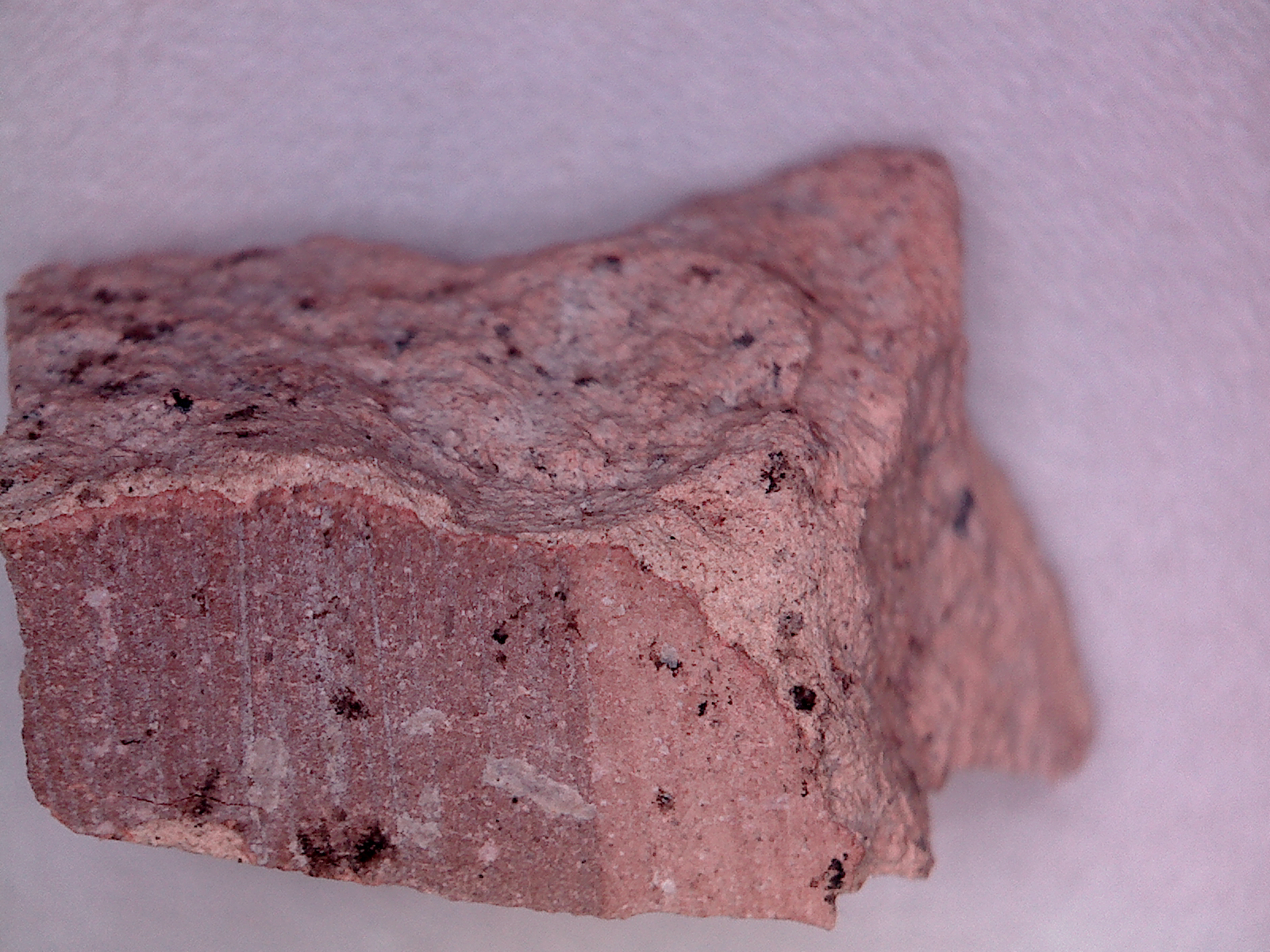
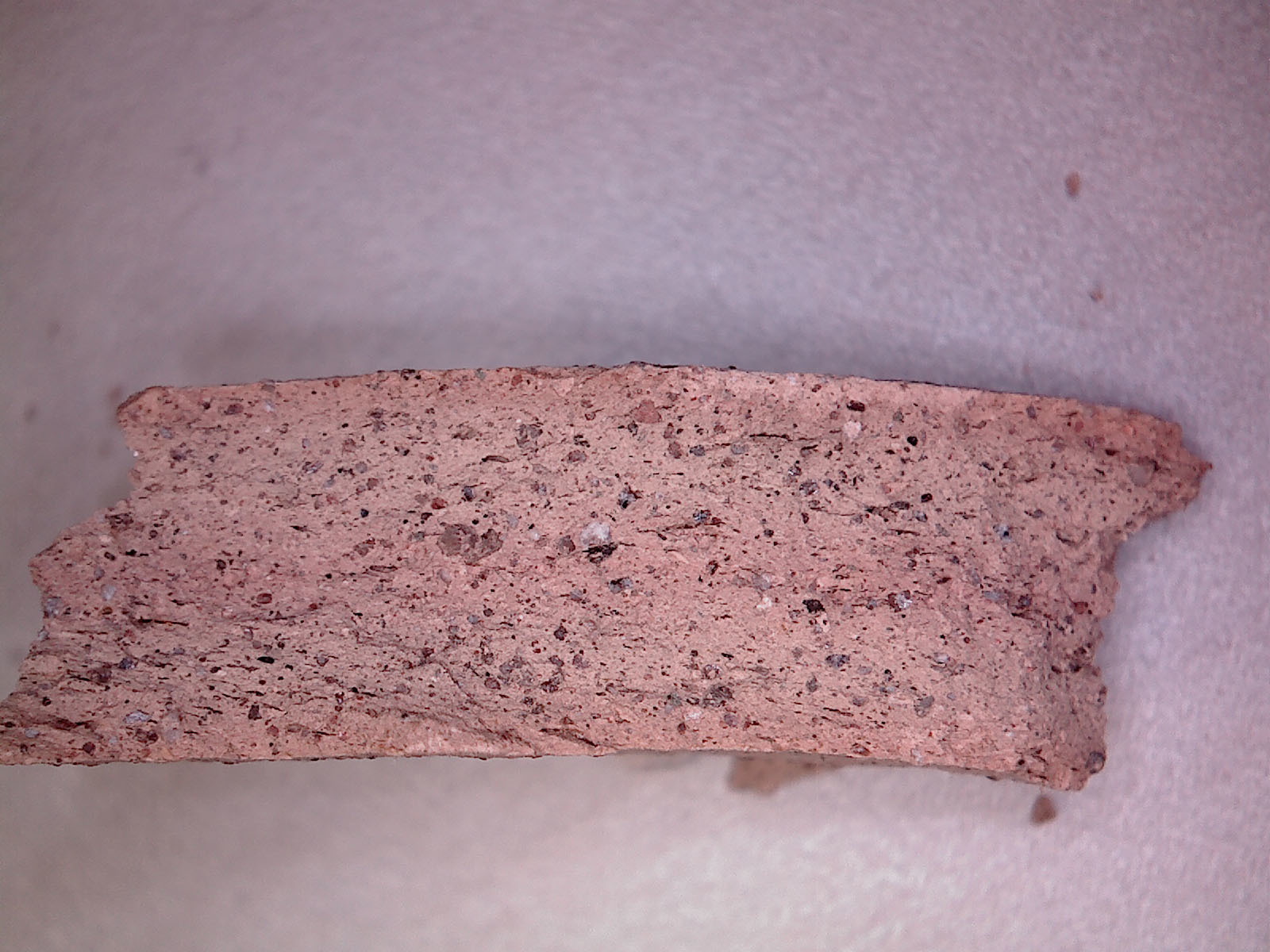
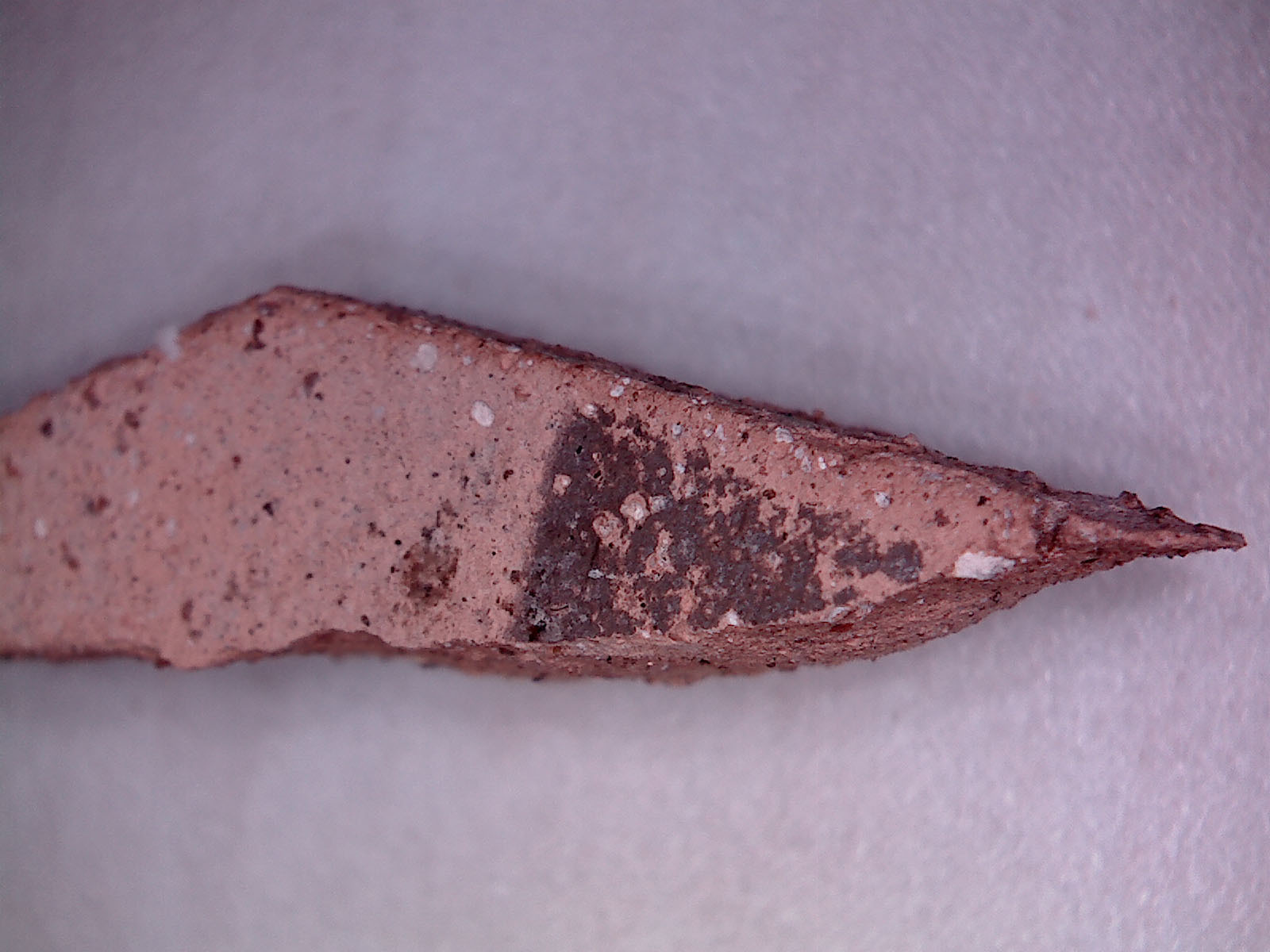
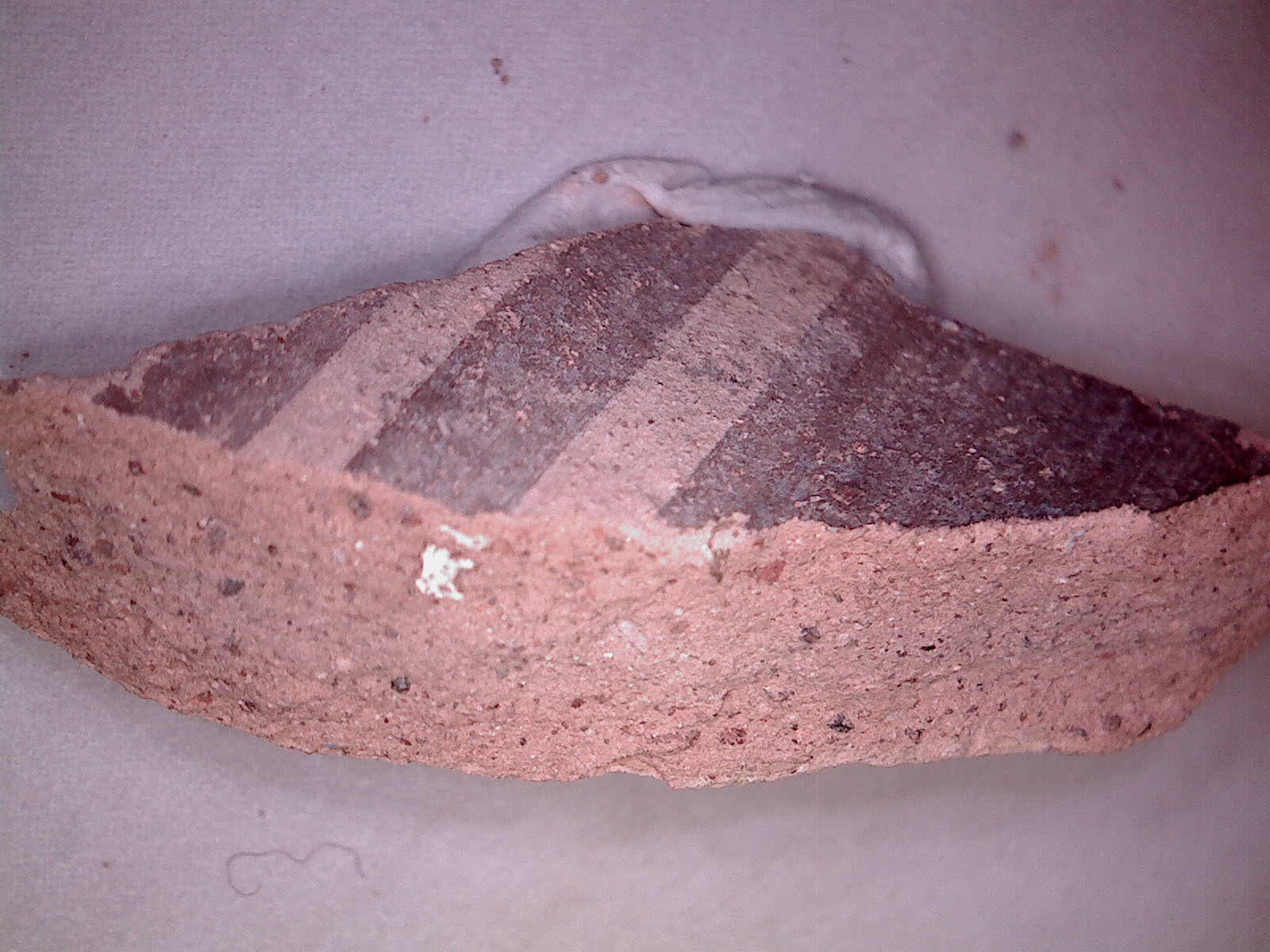
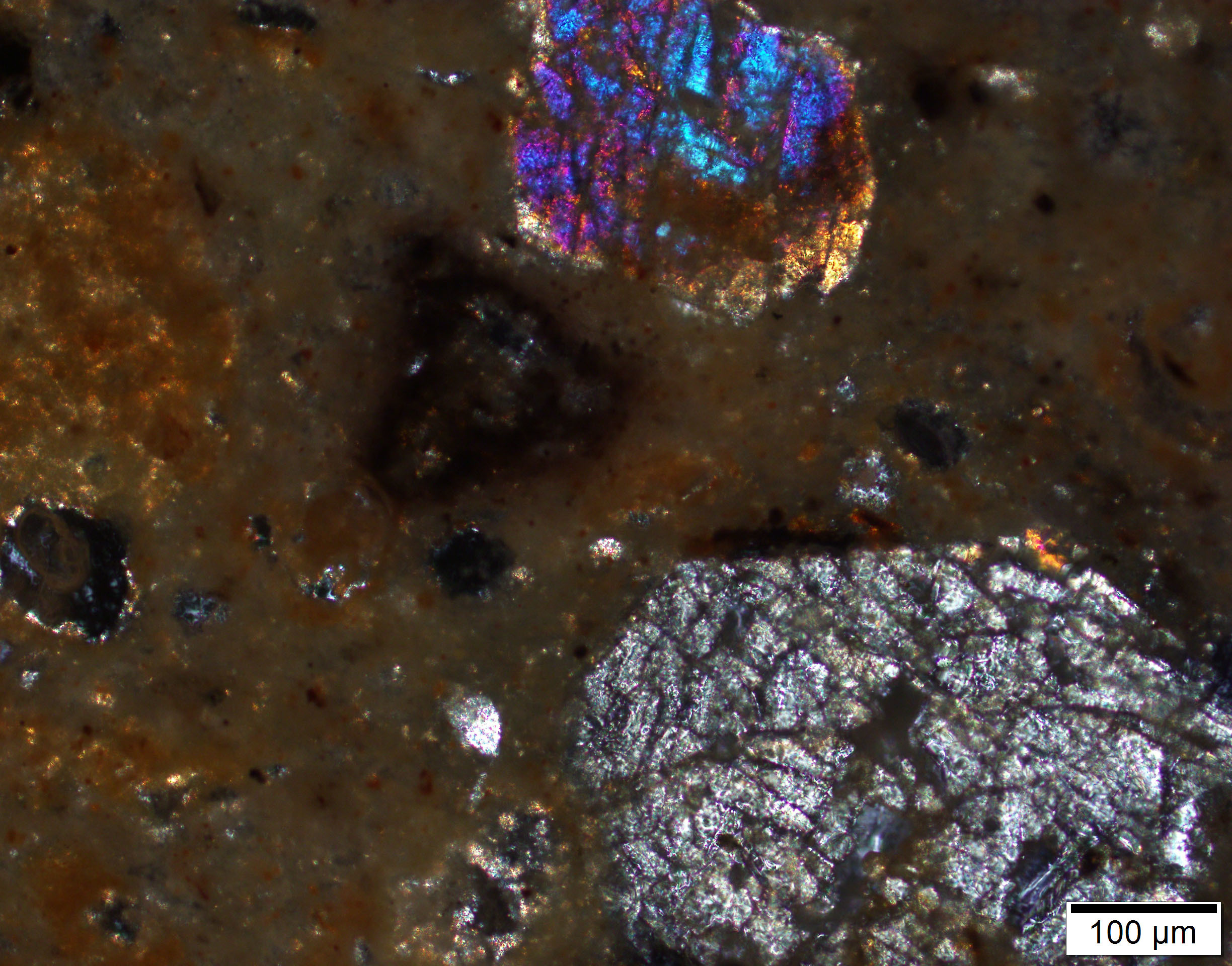
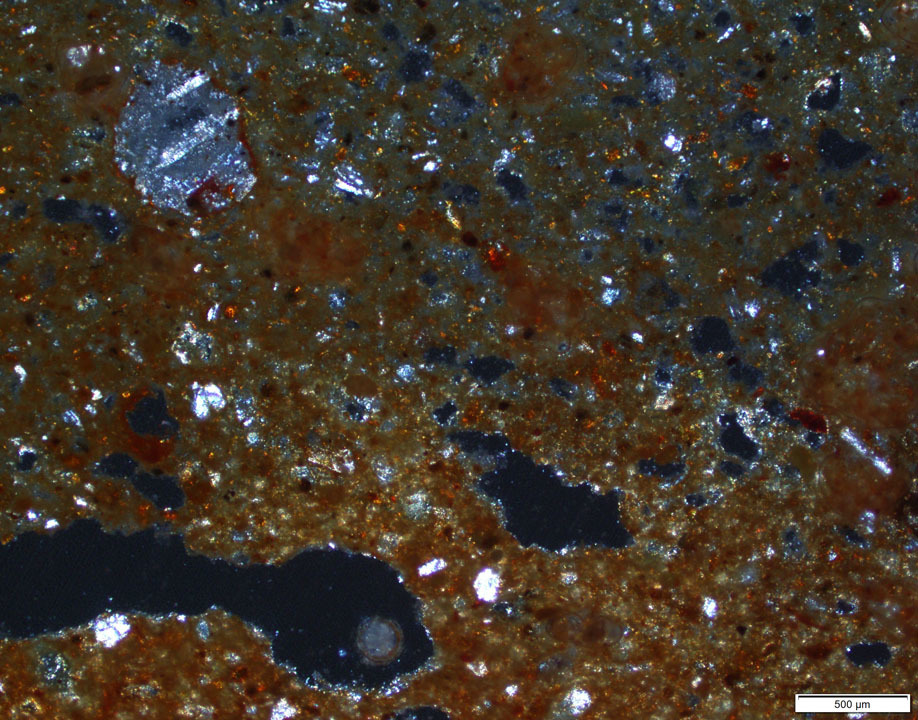
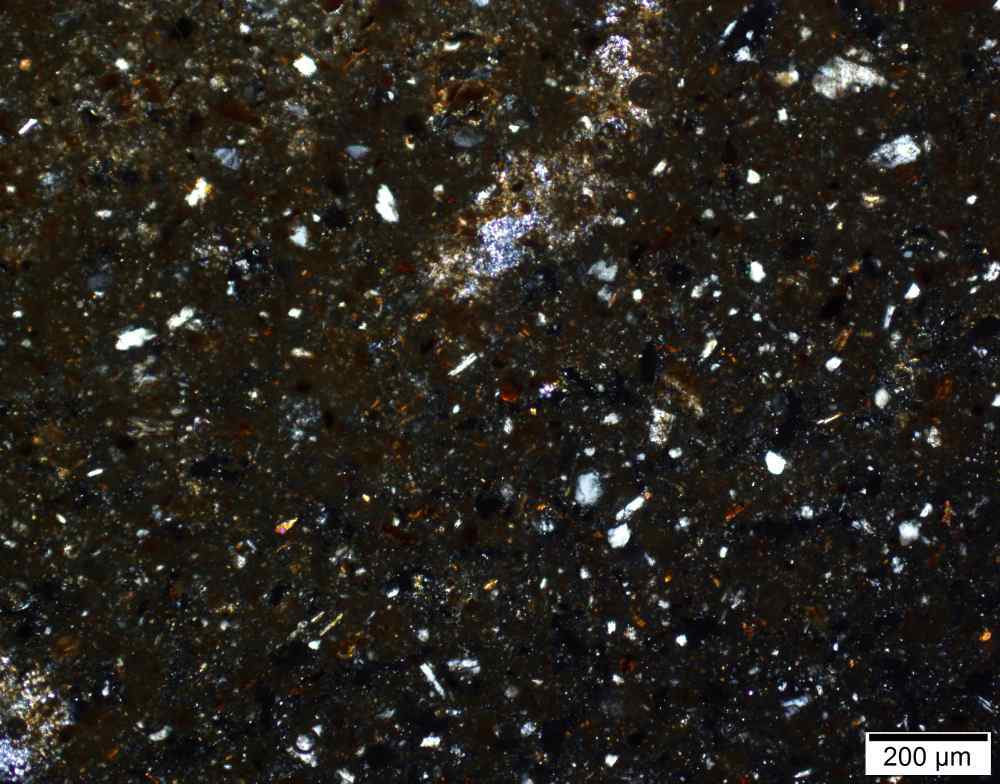
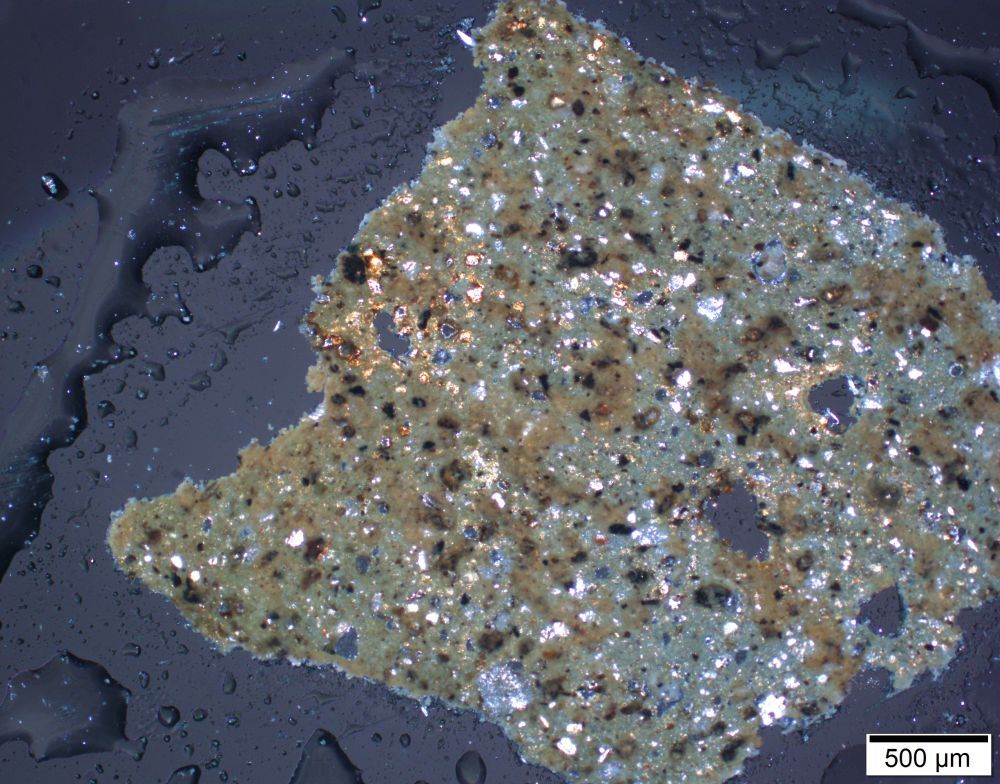
In a medium to high firing temperatures, the fabric is yellowish/green (PPL), silty, foraminiferous with some iron oxides and glauconite. The silt (~10%) is composed mainly of calcareous fragments, mica, and minerals derived from igneous rocks. The foraminifera in the matrix is rarely preserved, in some cases, its chambers are filled or surrounded by iron oxides. The inclusions are well sorted and composed of mainly subrounded feldspathoids (~15% up to 100μm), some carbonates, basalts, and basaltic minerals. In the cases that the fabric was fired low temperatures, the fabric yellowish in PPL, optically active, with all its calcareous components intact.
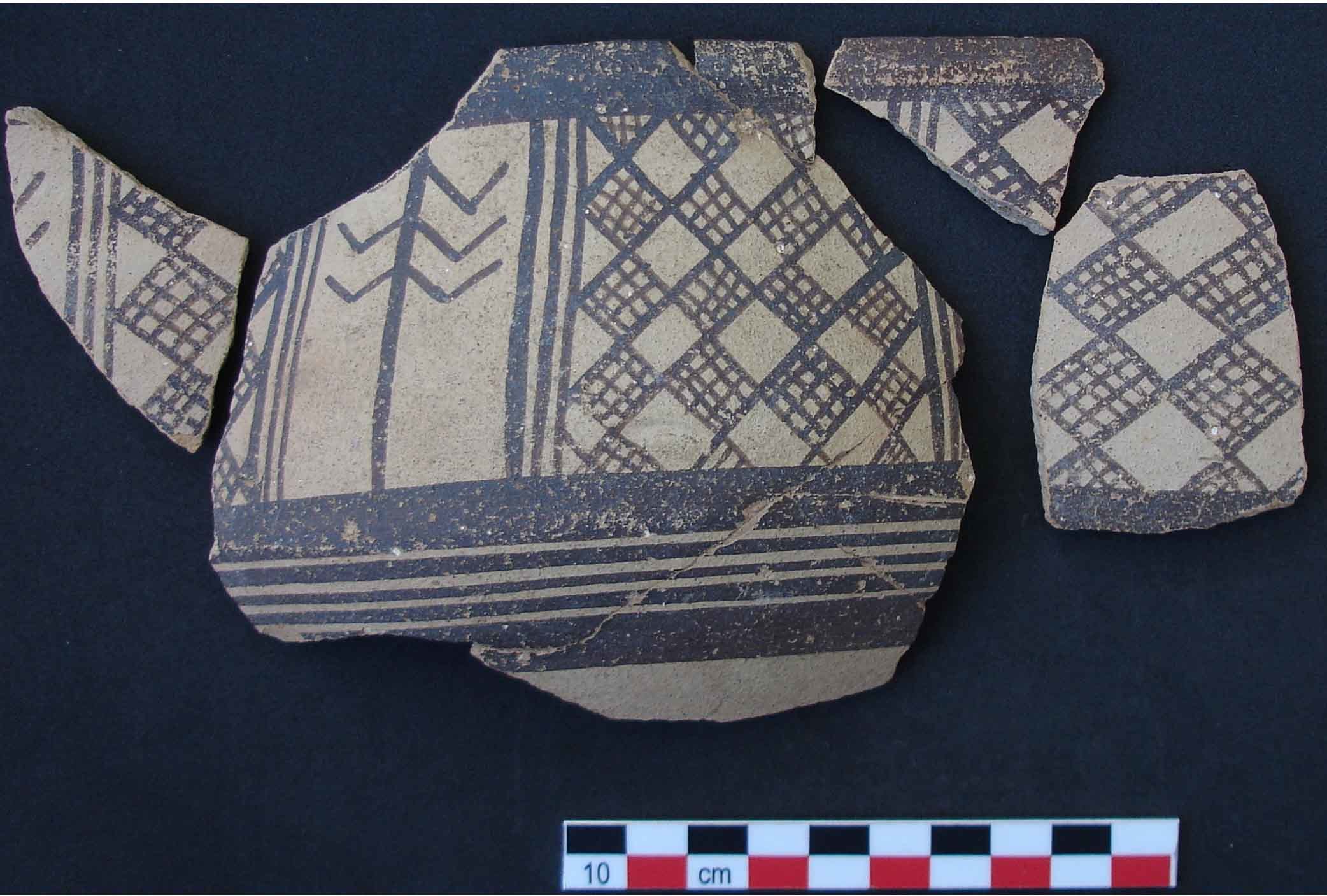
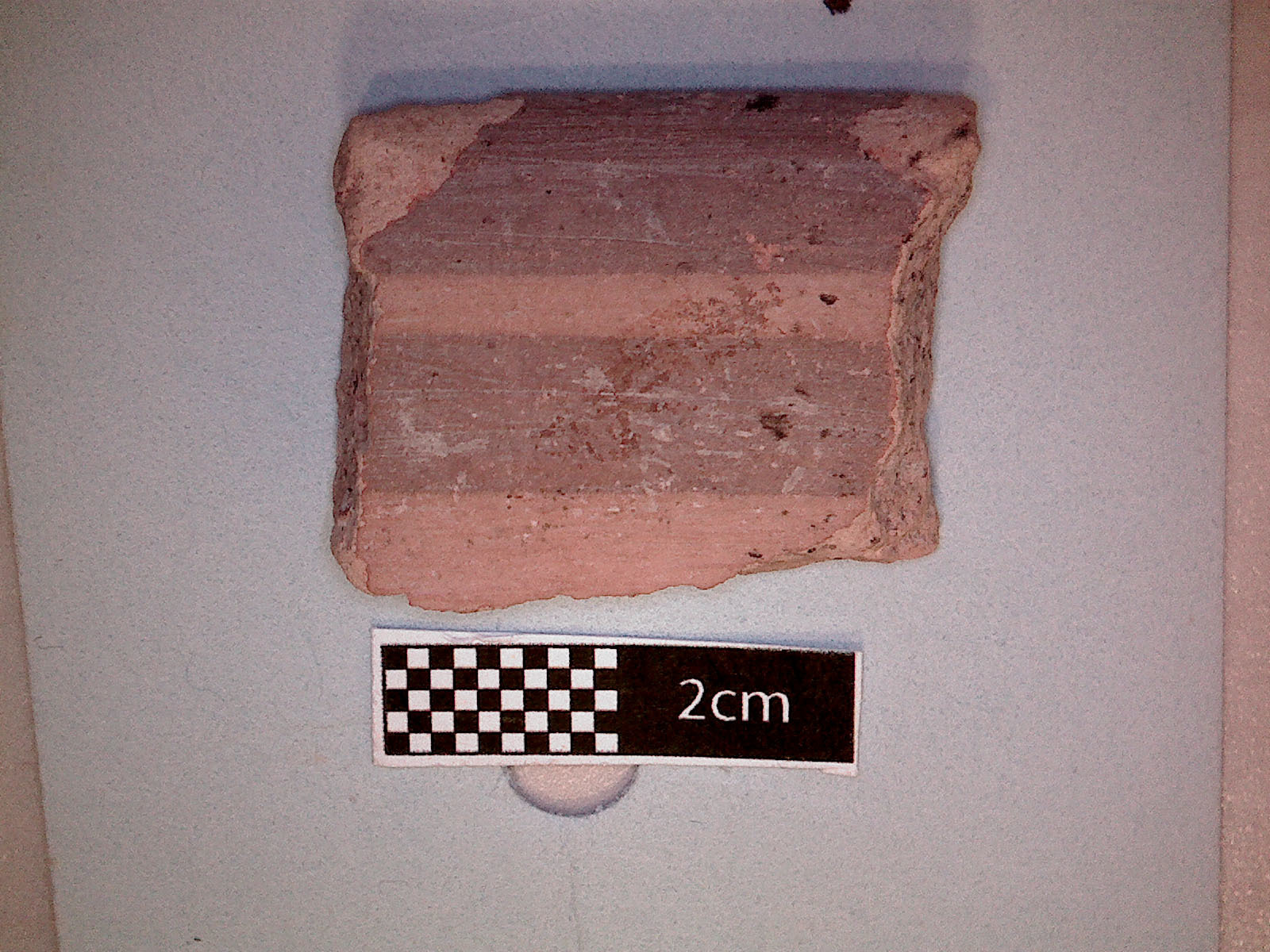
In the Late Bronze Age, this petro fabric was used to produce White Painted Wheel Made Ware, Plain White Painted Ware, White-Shaved, Bucchero and Mycenean style vessels. In the Iron Age this petrofabric was used to produce WPWM and well as Cypriot Bichrome wares. It represents the variety of both Halla Sultan Teke and Kition Production using different technologies in a range of firing temperatures.
In a medium to high firing temperatures, the fabric is yellowish/green (PPL), silty, foraminiferous with some iron oxides and glauconite. The silt (~10%) is composed mainly of calcareous fragments, mica, and minerals derived from igneous rocks. The foraminifera in the matrix is rarely preserved, in some cases, its chambers are filled or surrounded by iron oxides. The inclusions are well sorted and composed of mainly subrounded feldspathoids (~15% up to 100μm), some carbonates, basalts, and basaltic minerals. In the cases that the fabric was fired low temperatures, the fabric yellowish in PPL, optically active, with all its calcareous components intact.
ca. 1050 BCE - 300 BCE
Cypro-Geometric, Cypro-Archaic, Cypro-Classical
1050 BCE - 300 BCE
Cypro-Geometric, Cypro-Archaic, Cypro-Classical
Hala Sultan Tekke, Dromolaxia Vizatzia (Cyprus/Eastern coast)
Kition (Cyprus/Eastern coast)
The Early Iron Age Cypro-Phoenician Interactions: A Study of the Tel Dor Cypro-Geometric Ceramic Imports project is directed Ayelet Gilboa from the University of Haifa and supported by the Israeli Science Foundation. The Typological of the Dor assemblage analysis and collection and preparation of the reference collection for analysis was done by Anna Georgiadou as part of a post-doctoral fellowship directed by Gilboa at the University of Haifa. The laboratory work was conducted at the Laboratory for materials in Archaeology, Group Head: Prof. Sariel Shalev, the department of Maritime Civilizations. Technical assistance: Golan Shalvi and Tanya Sokolsky
Peter Fischer and Teresa Bürge, The Collapse of Bronze Age Societies In The Eastern Mediterranean: Sea Peoples in Cyprus? The University of Gothenburg, Department of Historical Studies.The Swedish Research Council (Vetenskapsrådet), project no. 2015-01192.


