
Israel/ Ginnosar Valley/ Iron rich lacustrine and alluvial deposits
Israel/Jordan Valley north
Alluvial sediment
—
Geologically, the Ginnosar Valley sits along a tectonic pull-apart basin formed by the Dead Sea Transform Fault (Fig. 1). The elevated terrain west of Magdala—including the slopes of Mount Arbel—is underlain by the Mount Scopus Group (Senonian–Paleocene) of chalk and limestone, overlain or adjacent to Eocene formations of limestone, chalk, and chert, with Pliocene–Pleistocene basaltic flows interbedded throughout.
Descending eastward toward the valley floor and lake margin, the geological sequence transitions into Neogene–Quaternary deposits, notably the late Pleistocene Lisan Formation (aragonite varves, sandstone, gravel, conglomerate, mudstone) overlain by Holocene alluvium. Seasonal streams such as Naḥal Zalmon and Naḥal Arbel traverse this zone, transporting sediments that further shape the landscape. This stratigraphic progression—from upland carbonate and volcanic rocks to lowland lacustrine, fluvial, and alluvial deposits—suggests that raw materials suitable for ceramic production were readily available. Moreover, perennial and seasonal water sources would have provided the large quantities of water needed for clay processing and pottery manufacture.
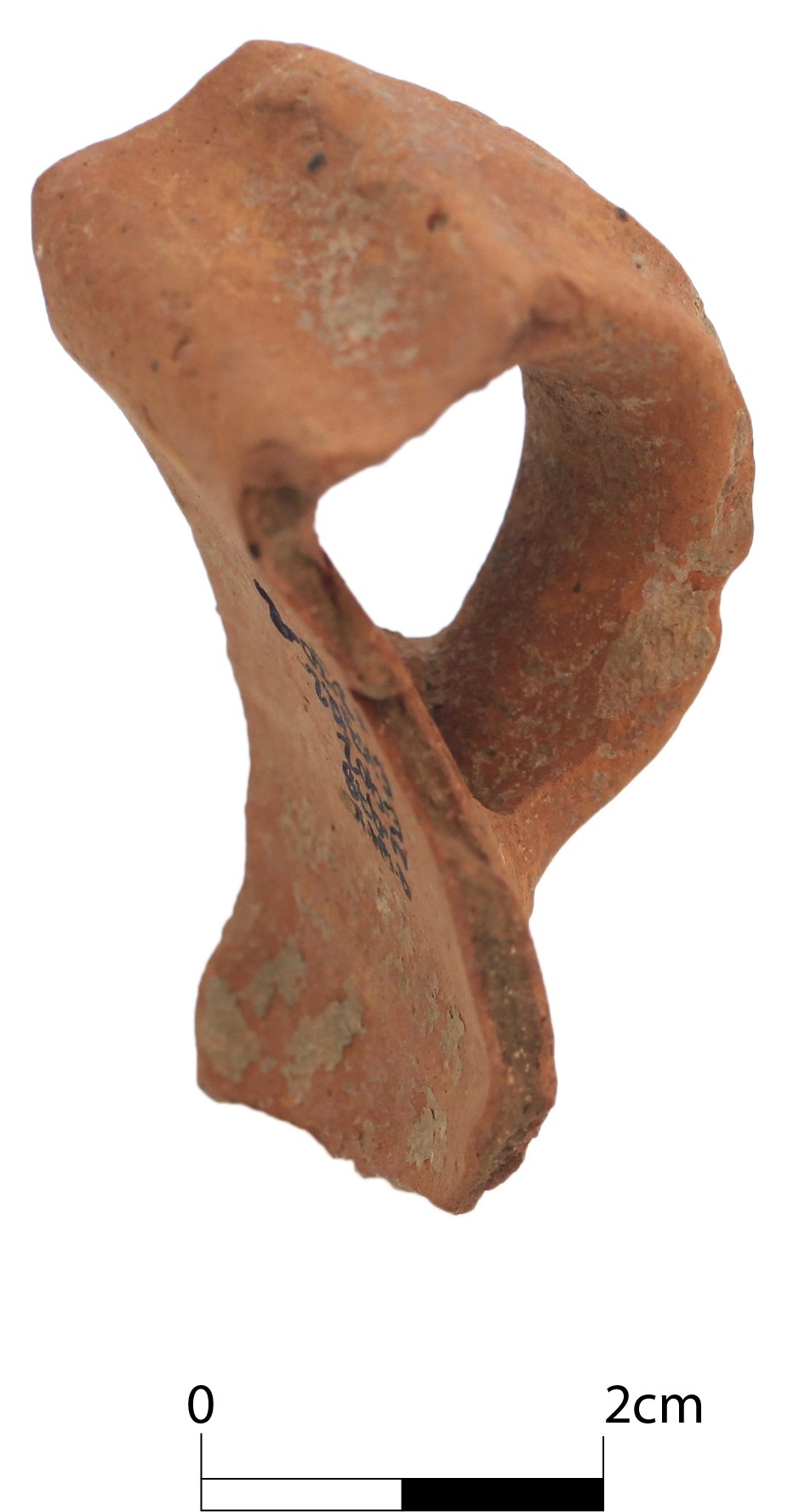
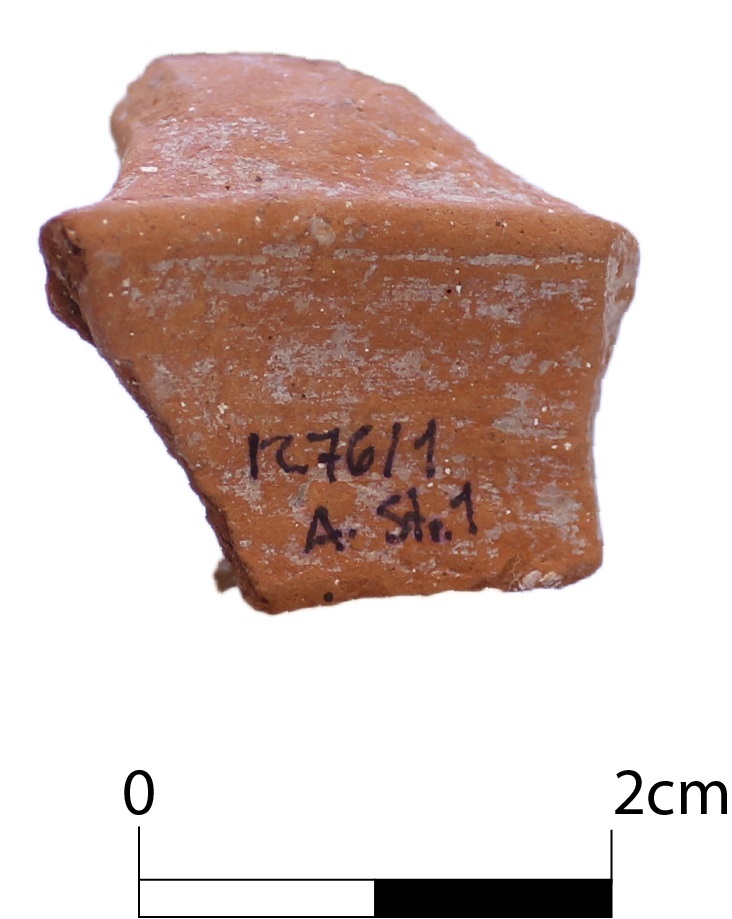
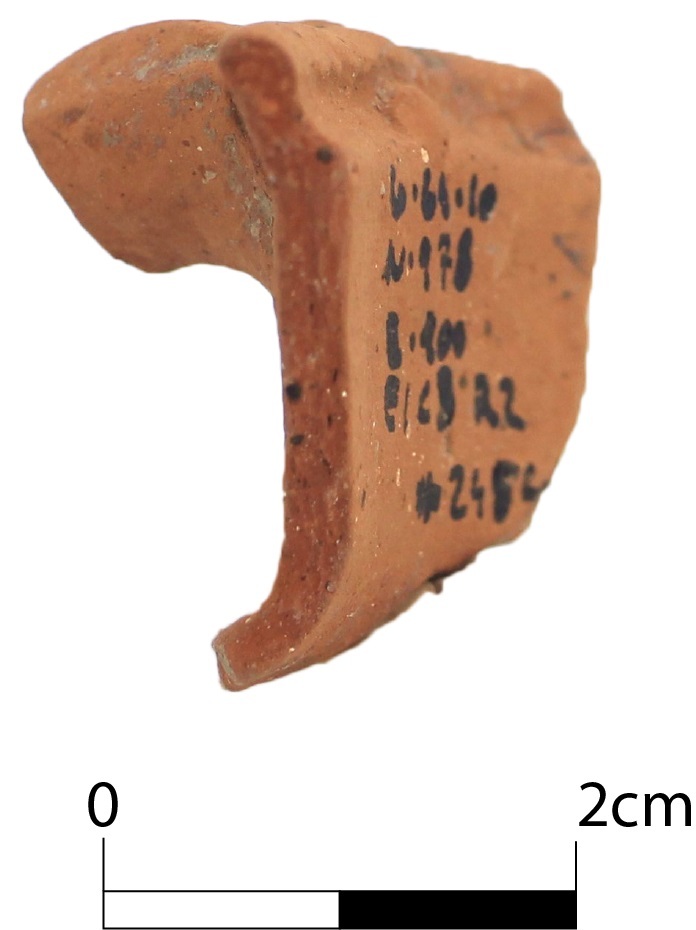
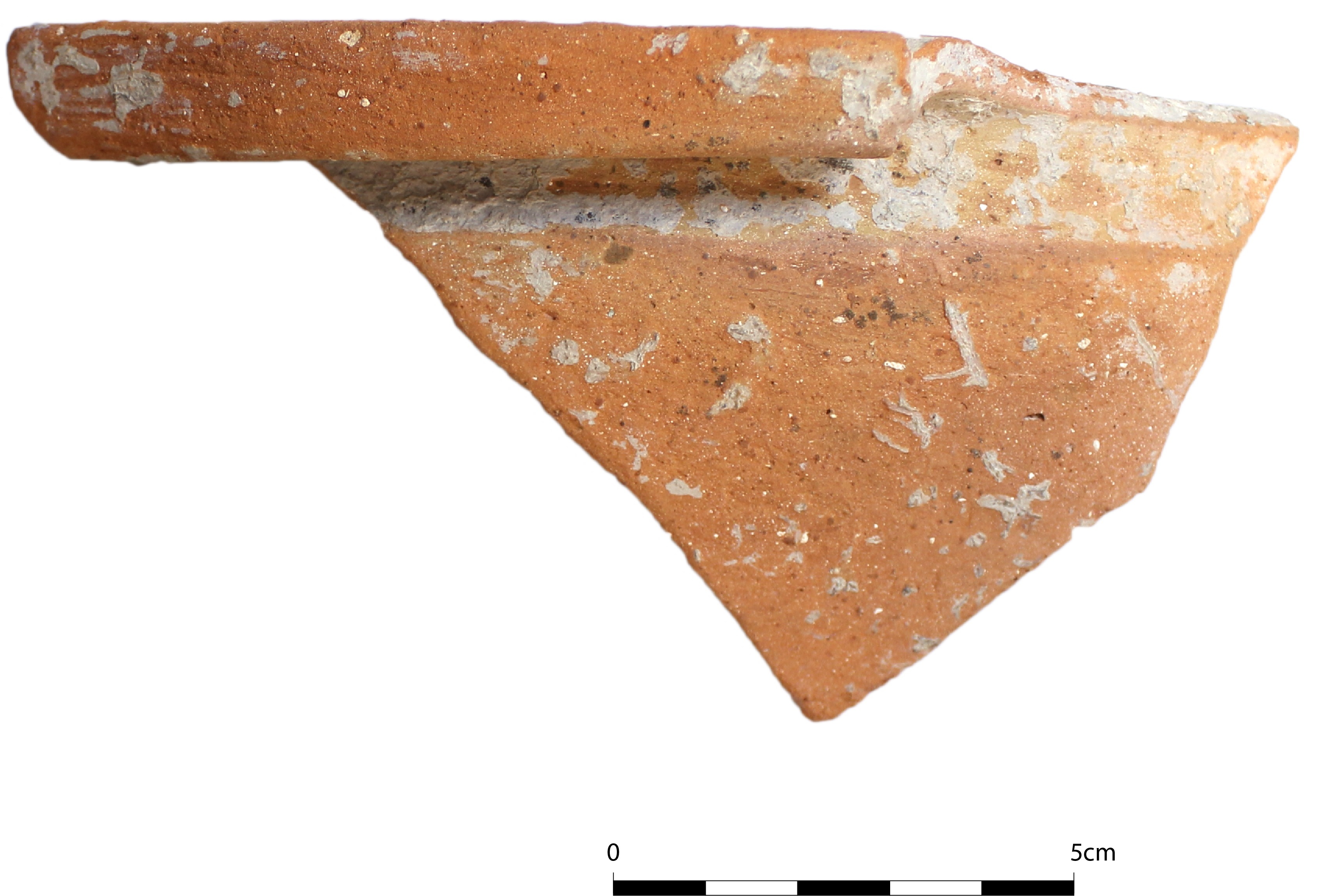
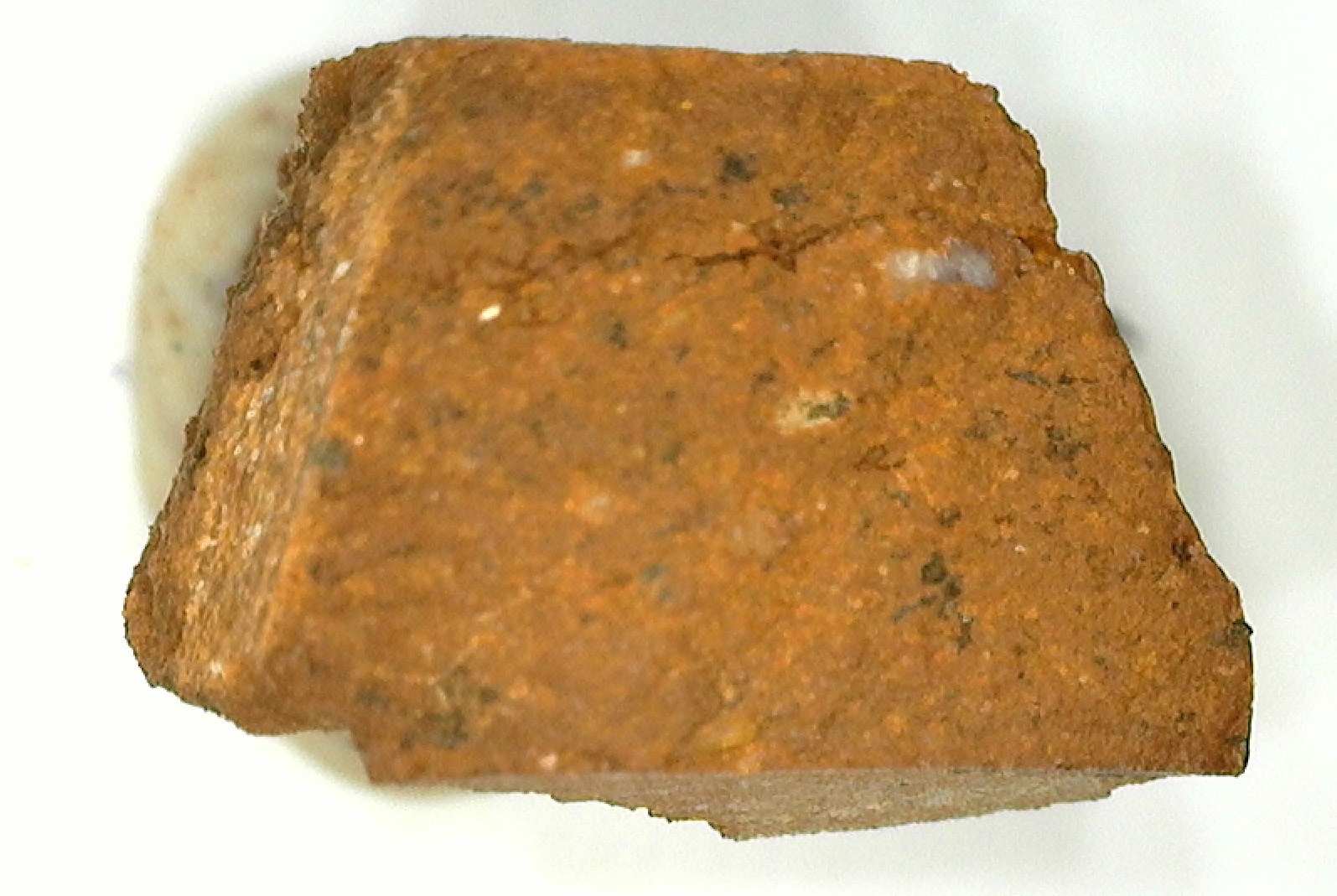
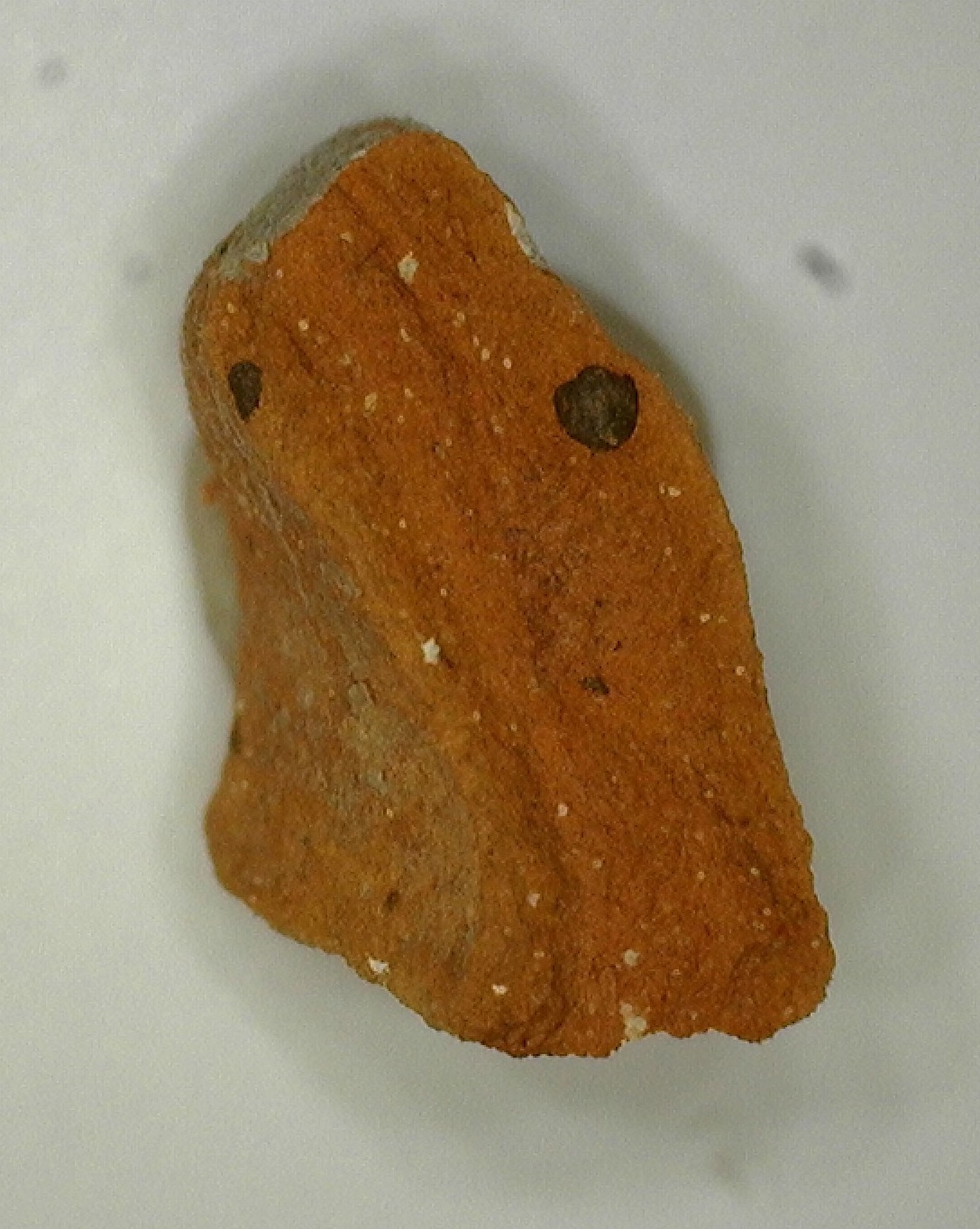
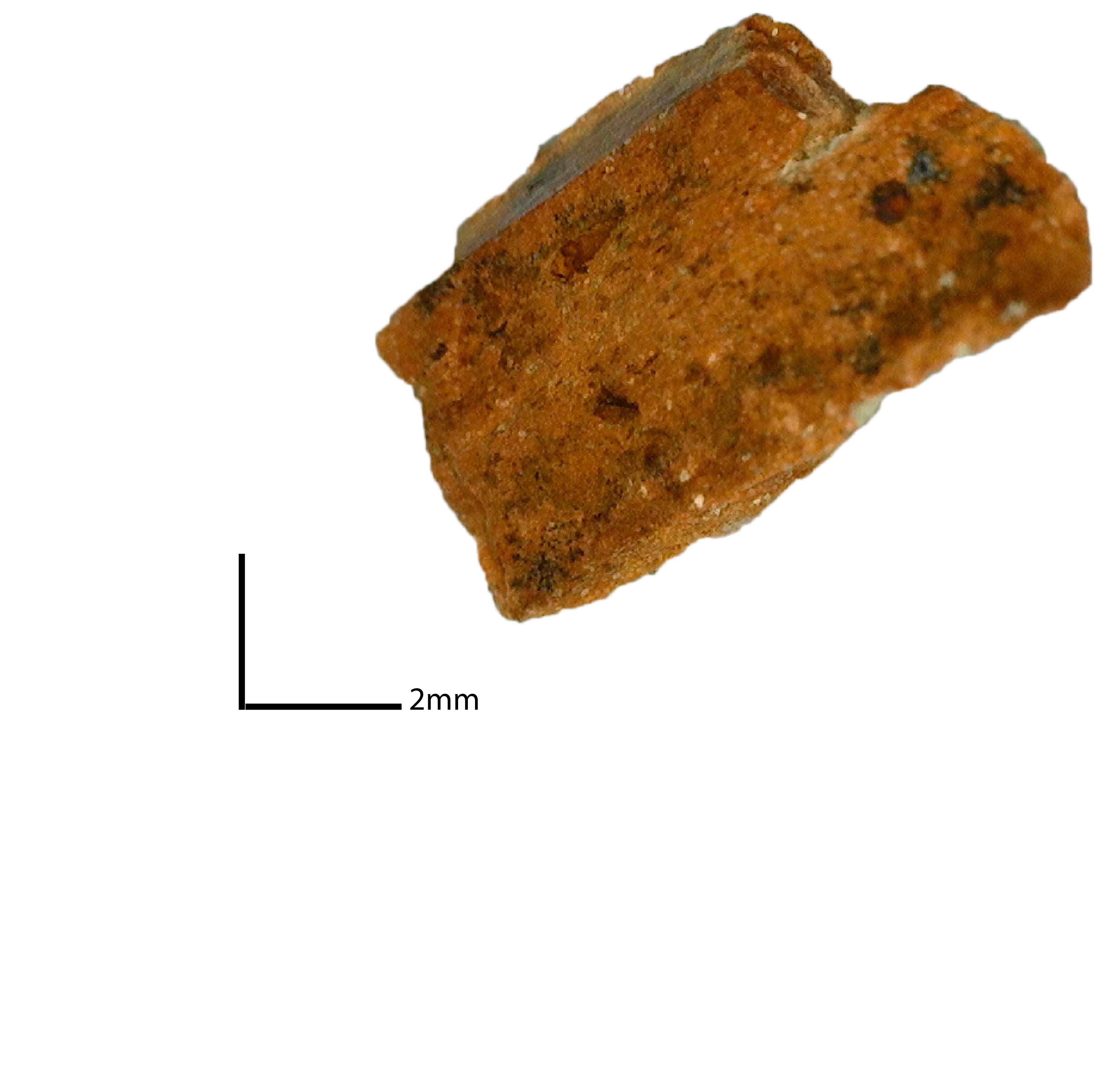
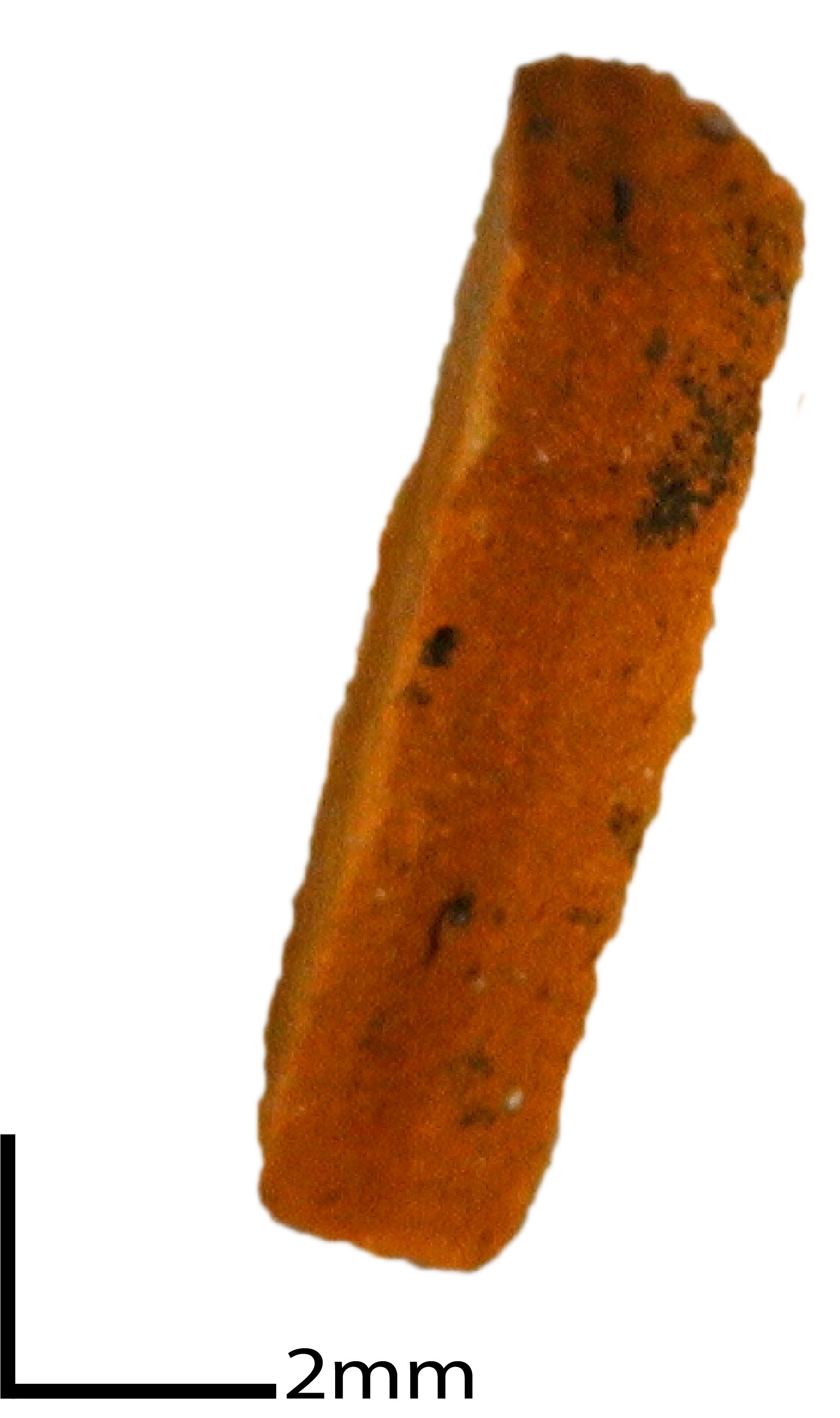
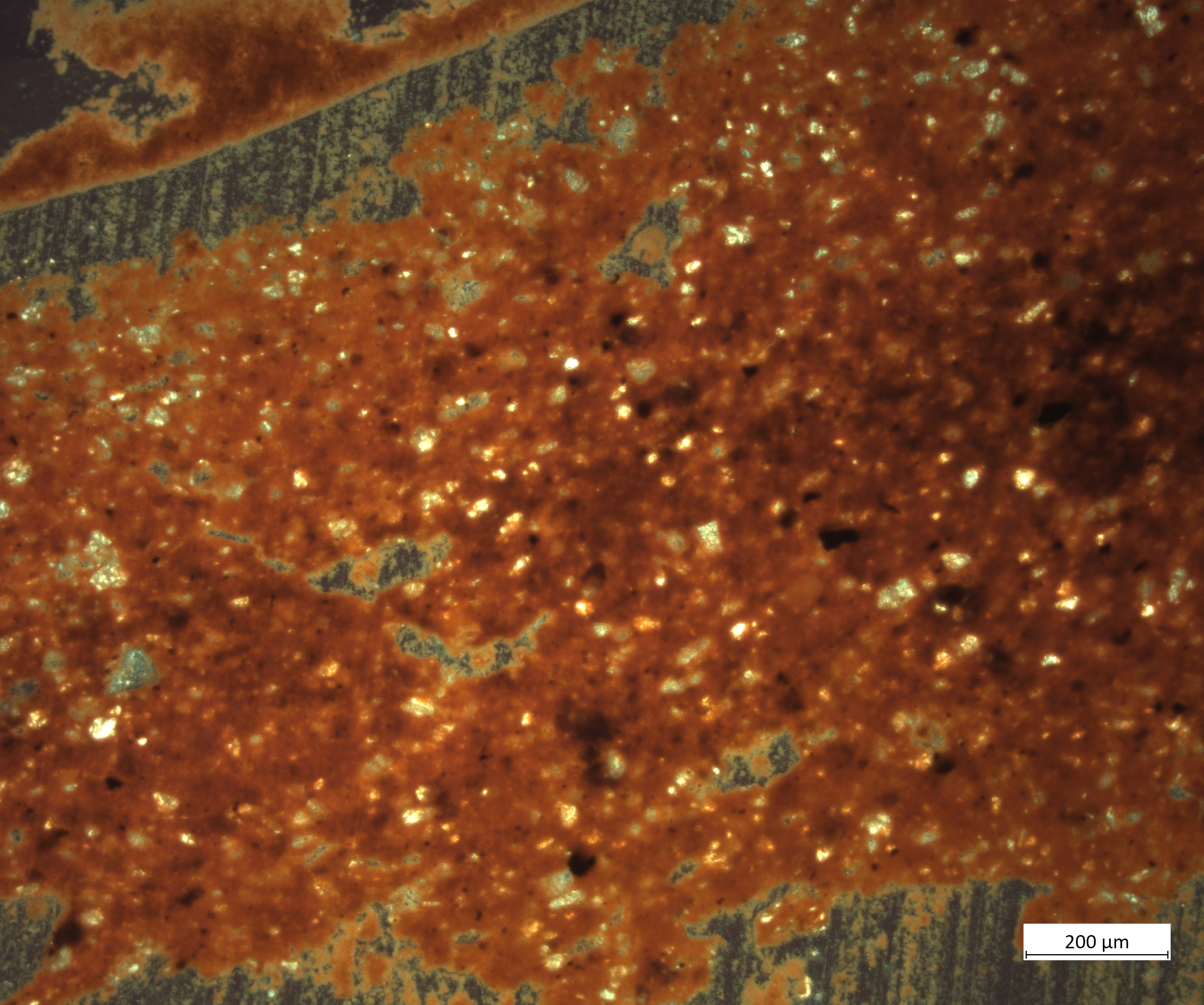
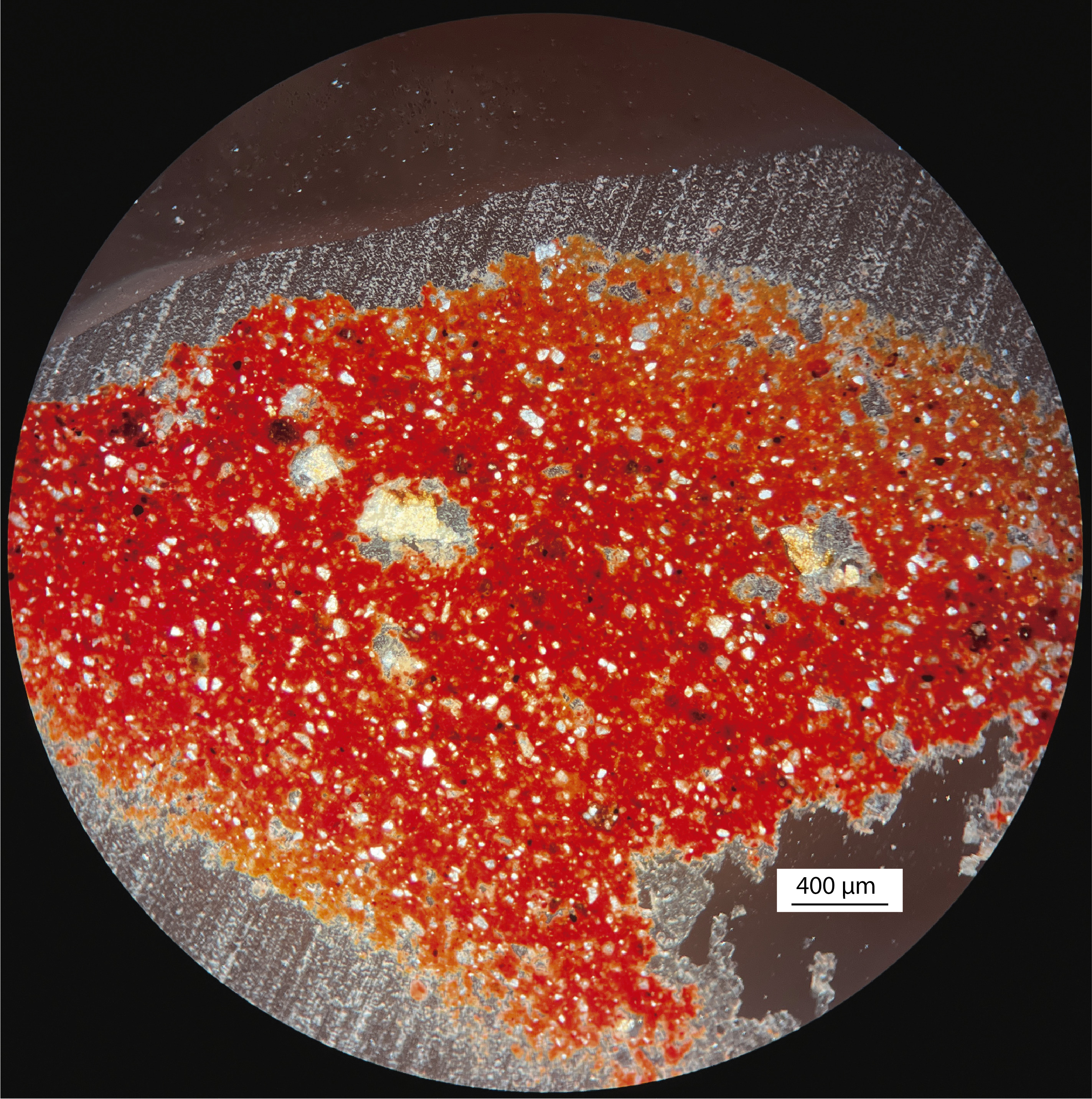
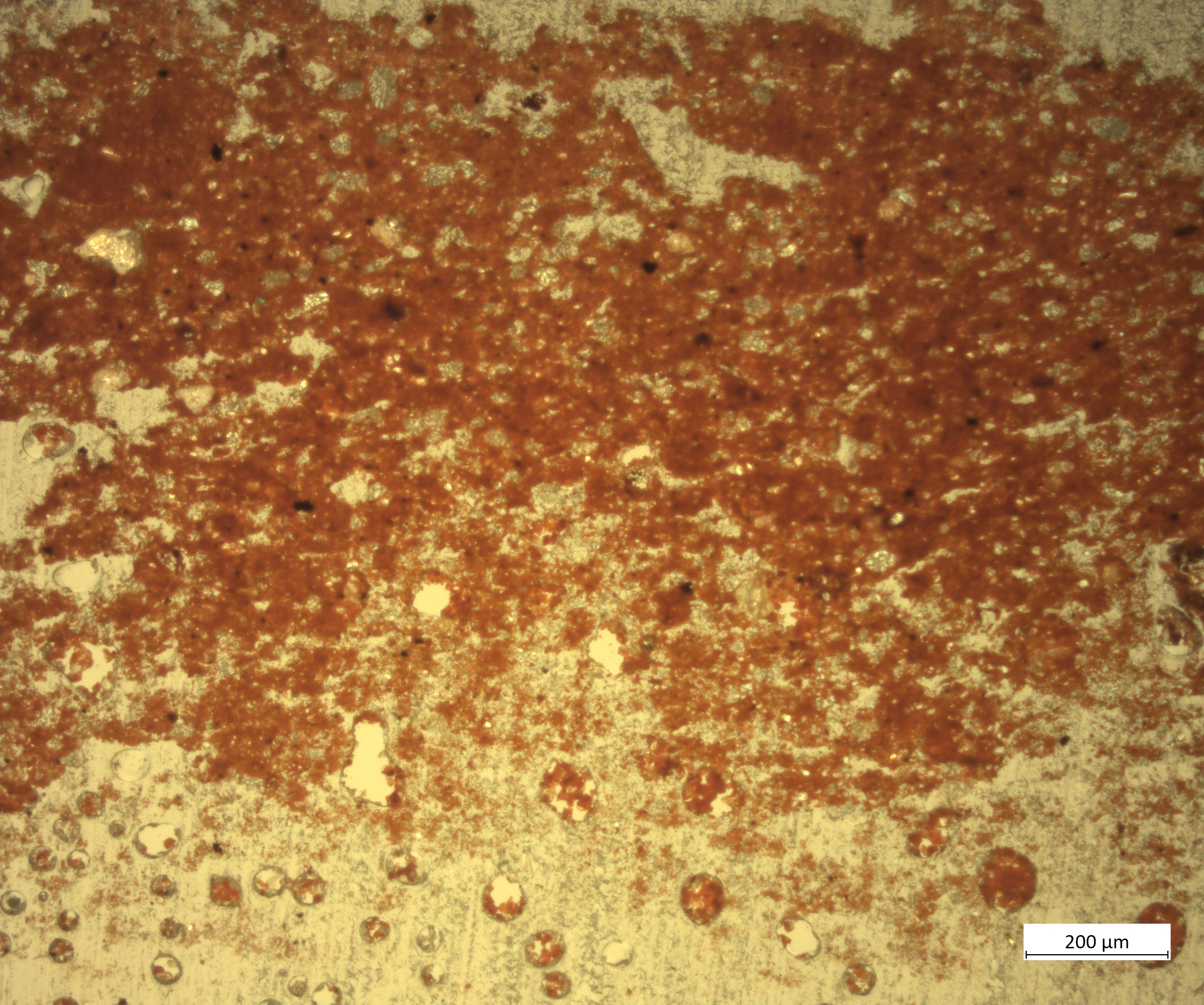
In PPL the matrix is reddish with abundant iron oxides and ferruginous ooids. Opaques form ~5 % (≈ 50 µm), the silt fraction (~15 %) contains quartz, dolomite, calcitic and feldspathic grains plus minor heavies, and larger inclusions (~5 %) comprise sub-angular quartz (≤ 120 µm) and intraclast ooid grainstones (≈ 100 µm). Pastes range from well-sorted, iron-rich varieties to more calcareous, heterogeneous ones.
The FTIR spectrum of represeantive samples of this group show a quartz–clay matrix—broad Si–O stretch peaking at 1034 cm⁻¹ with a sharp quartz doublet at 798/779 cm⁻¹—and a complete but slightly attenuated calcite triplet (ν₃ 1435, ν₂ 875, ν₄ 713 cm⁻¹). A faint shoulder at ~880 cm⁻¹ hints at trace dolomite. A low, broad Fe–O shoulder near 530 cm⁻¹, attributable to hematite, coupled with the absence of any magnetite feature, signals firing in a well-ventilated oxidising atmosphere. The partial weakening of the ν₂ 875 cm⁻¹ band, together with the near-total loss of structural OH, constrains the peak firing temperature to ≈ 750–800 °C.
These mineralogical and spectral signatures tie the assemblage to the geology of the Ginnosar Valley, dominated by lacustrine clays and iron-rich alluvium with limited basaltic detritus. Fine lakebed clays, weathered basaltic sediments and ferruginous silts available around Magdala match the quartz–feldspar–dolomite–iron-oxide mix observed in the sherds. Variations between petro-groups follow the local patchwork of lake, alluvial and basalt-influenced deposits, showing that potters exploited the full range of nearby raw materials.
Geologically, the Ginnosar Valley sits along a tectonic pull-apart basin formed by the Dead Sea Transform Fault (Fig. 1). The elevated terrain west of Magdala—including the slopes of Mount Arbel—is underlain by the Mount Scopus Group (Senonian–Paleocene) of chalk and limestone, overlain or adjacent to Eocene formations of limestone, chalk, and chert, with Pliocene–Pleistocene basaltic flows interbedded throughout.
Descending eastward toward the valley floor and lake margin, the geological sequence transitions into Neogene–Quaternary deposits, notably the late Pleistocene Lisan Formation (aragonite varves, sandstone, gravel, conglomerate, mudstone) overlain by Holocene alluvium. Seasonal streams such as Naḥal Zalmon and Naḥal Arbel traverse this zone, transporting sediments that further shape the landscape. This stratigraphic progression—from upland carbonate and volcanic rocks to lowland lacustrine, fluvial, and alluvial deposits—suggests that raw materials suitable for ceramic production were readily available. Moreover, perennial and seasonal water sources would have provided the large quantities of water needed for clay processing and pottery manufacture.


