
This is a calcareous clay, derived from an original limestone source. It contains small amounts of mafic minerals which probably come from basaltic rocks. It has been identified via archaeometric analyses of Bronze and Iron Age plain and decorated pottery from Sirkeli Höyük via SEM, X-ray diffraction, petrography, and laser ablation inductively coupled plasma mass spectroscopy. Samples include 30 fragments dating to the Late Bronze Age, in a range of shapes including internal rim bowls, plates, jugs, and jars, 20 from the Iron Age (bowls, cups, and jars), and 62 clay samples from both the Ceyhan and Çukurova Plains.
The results showed that the ceramics all shared the same silty clay matrix with inclusions of chert, sandstone, plagioclase, bioclasts, basalt, and mudstone fragments. Grain size differed depending on the date of the vessel, with the Bronze Age samples having a smaller grain size and the Iron Age material having more and coarser inclusions. These differences are likely due to different production techniques.
The mineralogical and chemical analyses support the identification of a single petro-fabric, comprising the same raw material and trace elements.
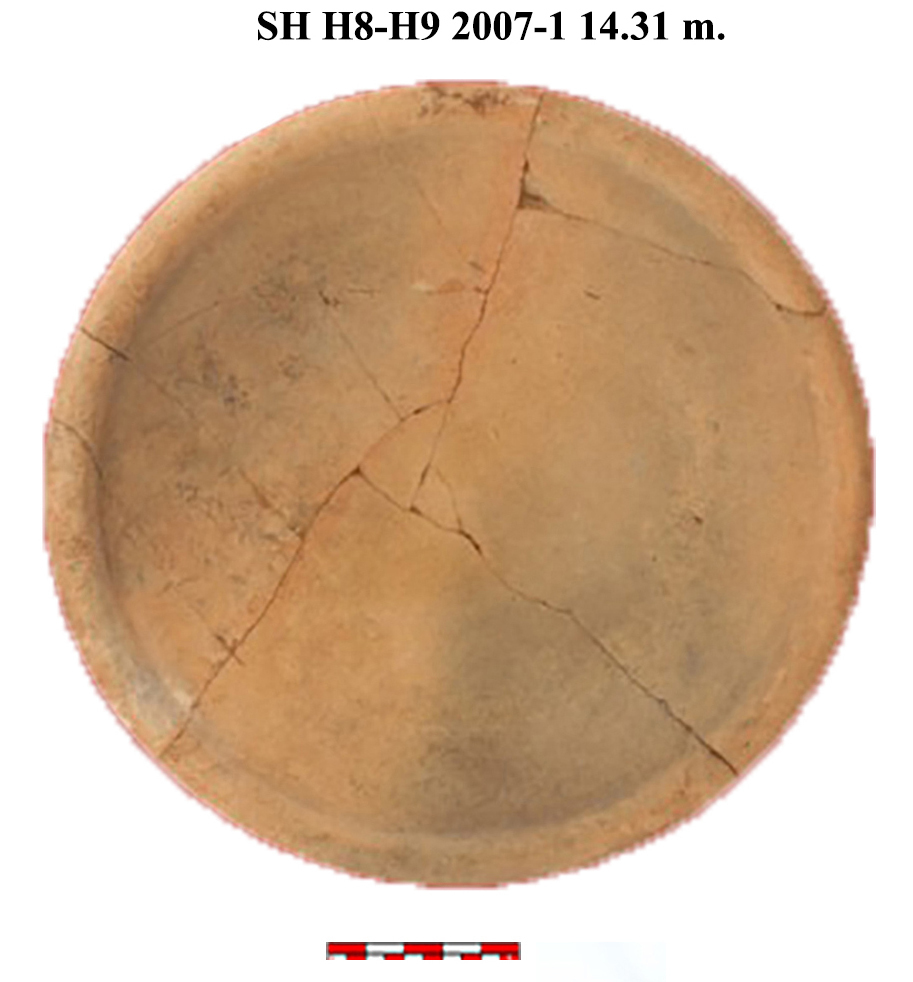
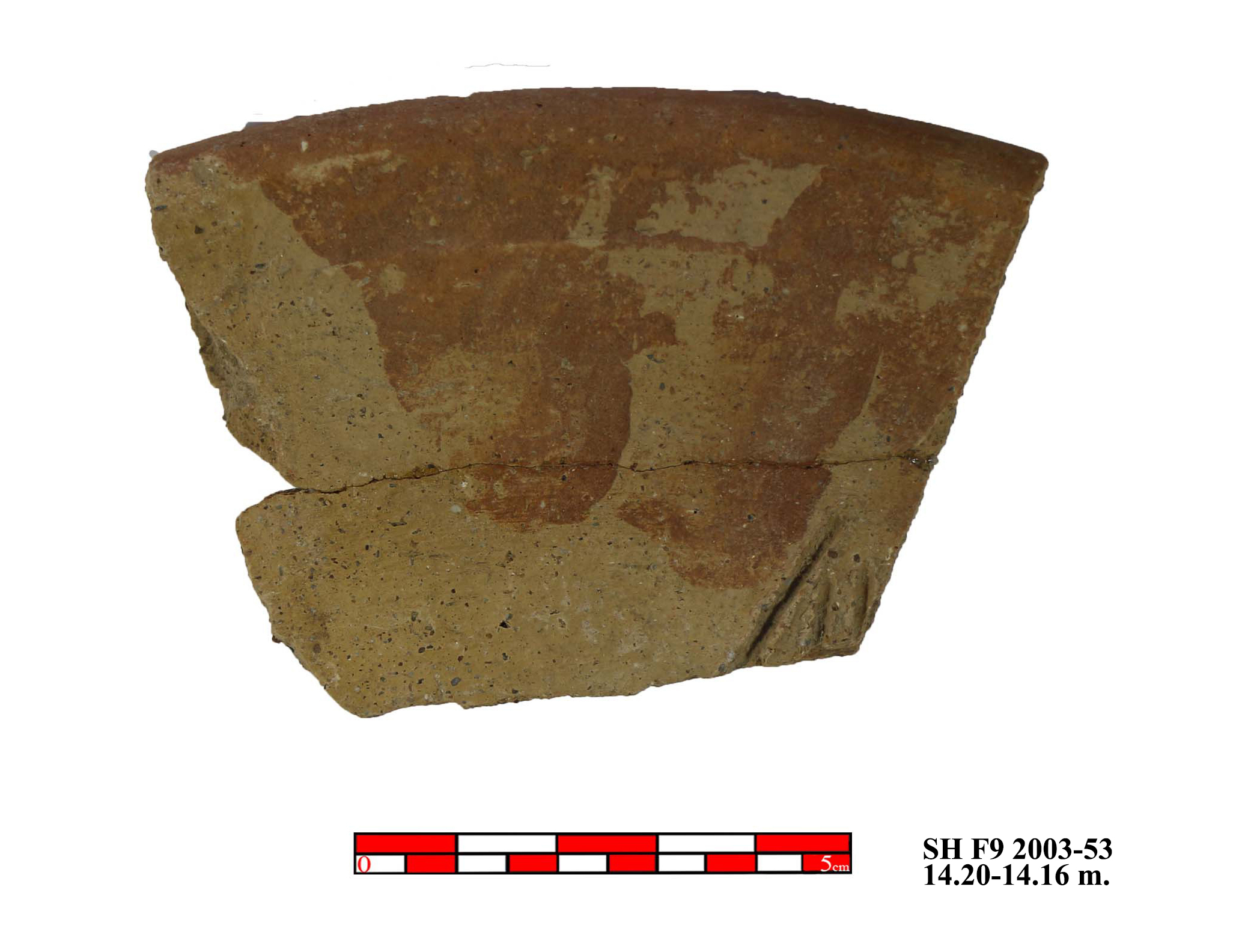
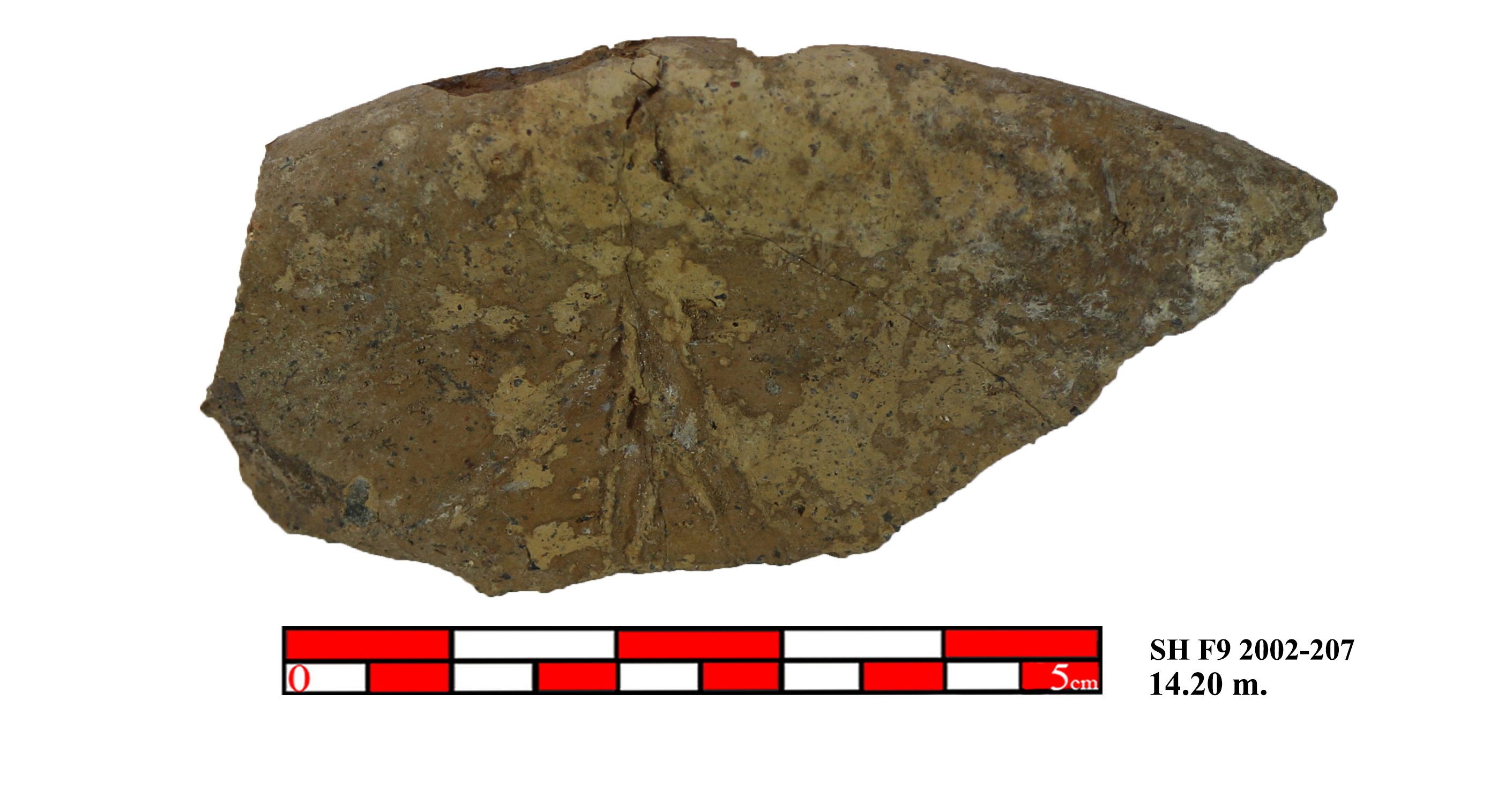
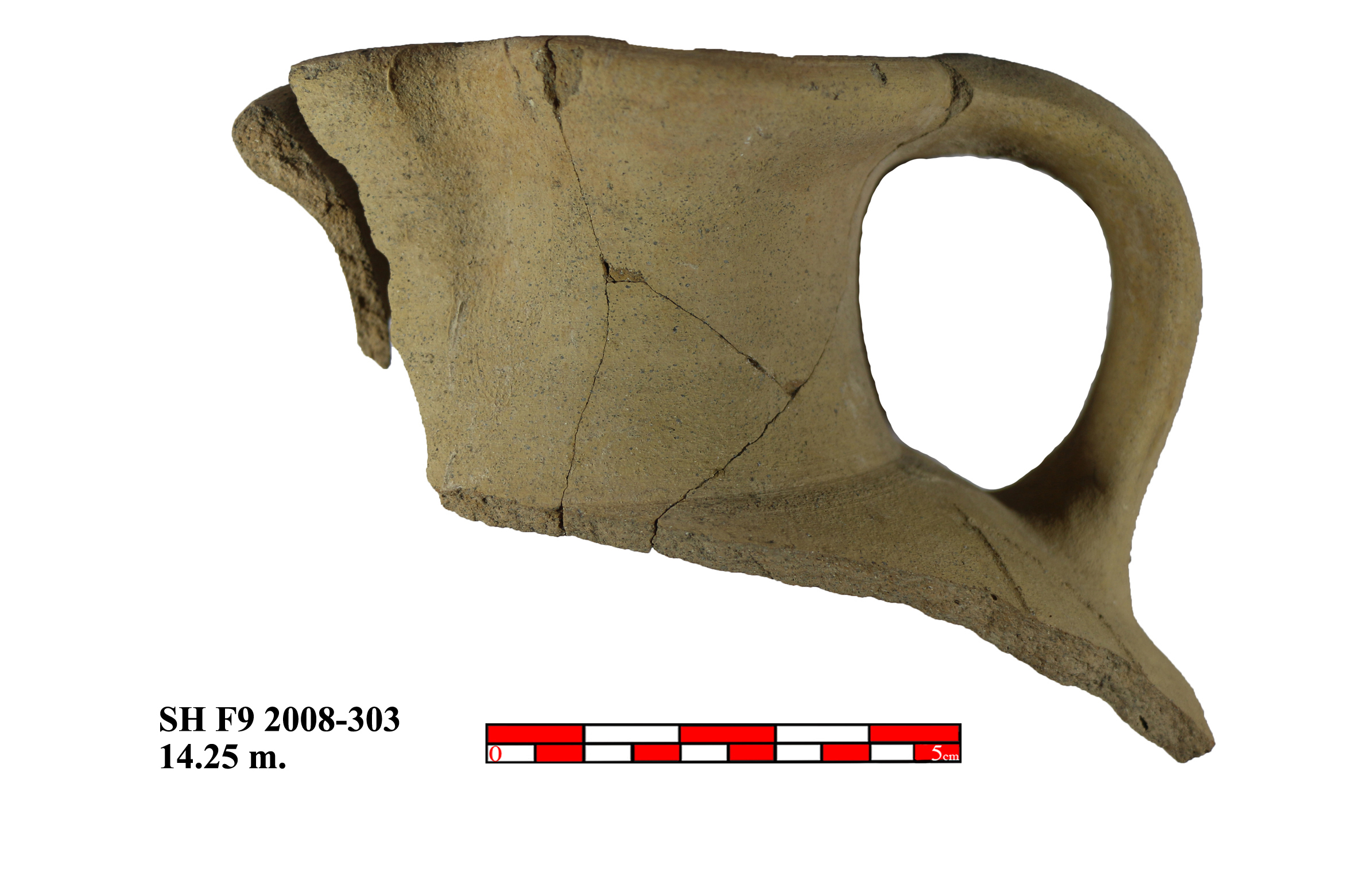
This is a calcareous clay, derived from an original limestone source. It contains small amounts of mafic minerals which probably come from basaltic rocks. It has been identified via archaeometric analyses of Bronze and Iron Age plain and decorated pottery from Sirkeli Höyük via SEM, X-ray diffraction, petrography, and laser ablation inductively coupled plasma mass spectroscopy. Samples include 30 fragments dating to the Late Bronze Age, in a range of shapes including internal rim bowls, plates, jugs, and jars, 20 from the Iron Age (bowls, cups, and jars), and 62 clay samples from both the Ceyhan and Çukurova Plains.
The results showed that the ceramics all shared the same silty clay matrix with inclusions of chert, sandstone, plagioclase, bioclasts, basalt, and mudstone fragments. Grain size differed depending on the date of the vessel, with the Bronze Age samples having a smaller grain size and the Iron Age material having more and coarser inclusions. These differences are likely due to different production techniques.
The mineralogical and chemical analyses support the identification of a single petro-fabric, comprising the same raw material and trace elements.
Sirkeli Höyük (Turkey/Eastern Mediterranean)
Soli Höyük, Pompeiopolis (Turkey/Eastern Mediterranean)
