
Cyprus/Kyrenia Mountains and North Coast/ Sepiolite
Cyprus/Kyrenia Mountains and North Coast
—
—
Cypriot Sepiolite is a white clay (Beyaz kil), but it is not plastic material. It is only applied as a paint and slip. It is especially used during the Late Bronze Age for Cypriot white slipped ware vessels. On the basis of observations and experimental studies conducted by Rauf Ersenal, the slip would have been applied onto a smoothed wet surface and polished. Best effects were achieved by polishing with vinegar when the slip was still wet, or with olive juice when it was dry. This slip enables a higher firing temperature for the clay: around 1040 degrees (normal firing is only up to 900 degrees). Vessels fired at such a high temperature are more solid, like porcelain, as opposed to those fired at lower degrees. Their hard fired and durable character probably contributed to the popularity of these vessels as valuable exports around the Eastern Mediterranean during the Late Bronze Age.
Kil sınıfına girse de plastik bir malzeme olmaması nedeniyle Kıbrıs seramiklerinde desen ve astar olarak kullanılmıştır. Özellikle Kıbrıs Geç Bronz çağı beyaz astarlı kapların üretiminde kullanılmış bir topraktır. Perdahlanmış nemli gövde üzerine uygulandıktan sonra sirke ve kuruduktan sonra zeytin suyu ile parlatma işlemi uygulandığını gözlemlerim ve deneysel çalışmalarım sonucu tahmin etmekteyim. Özellikle bu beyaz astar yüksek ısıya dayanıklı olmayan (en çok 900 derece) Kıbrıs Kilinin 1040 derecelere kadar dayanmasını sağlamaktadır. Böyle bir ısıda pişen kaplar da tıpkı bir porselen gibi diğerlerine göre daha sağlam olmaktadır. Geç Tunç Çağında Kıbrıs'ın Akdeniz dünyasına ihraç ettiği seçkin ürünler arasında gösterilmektedir.
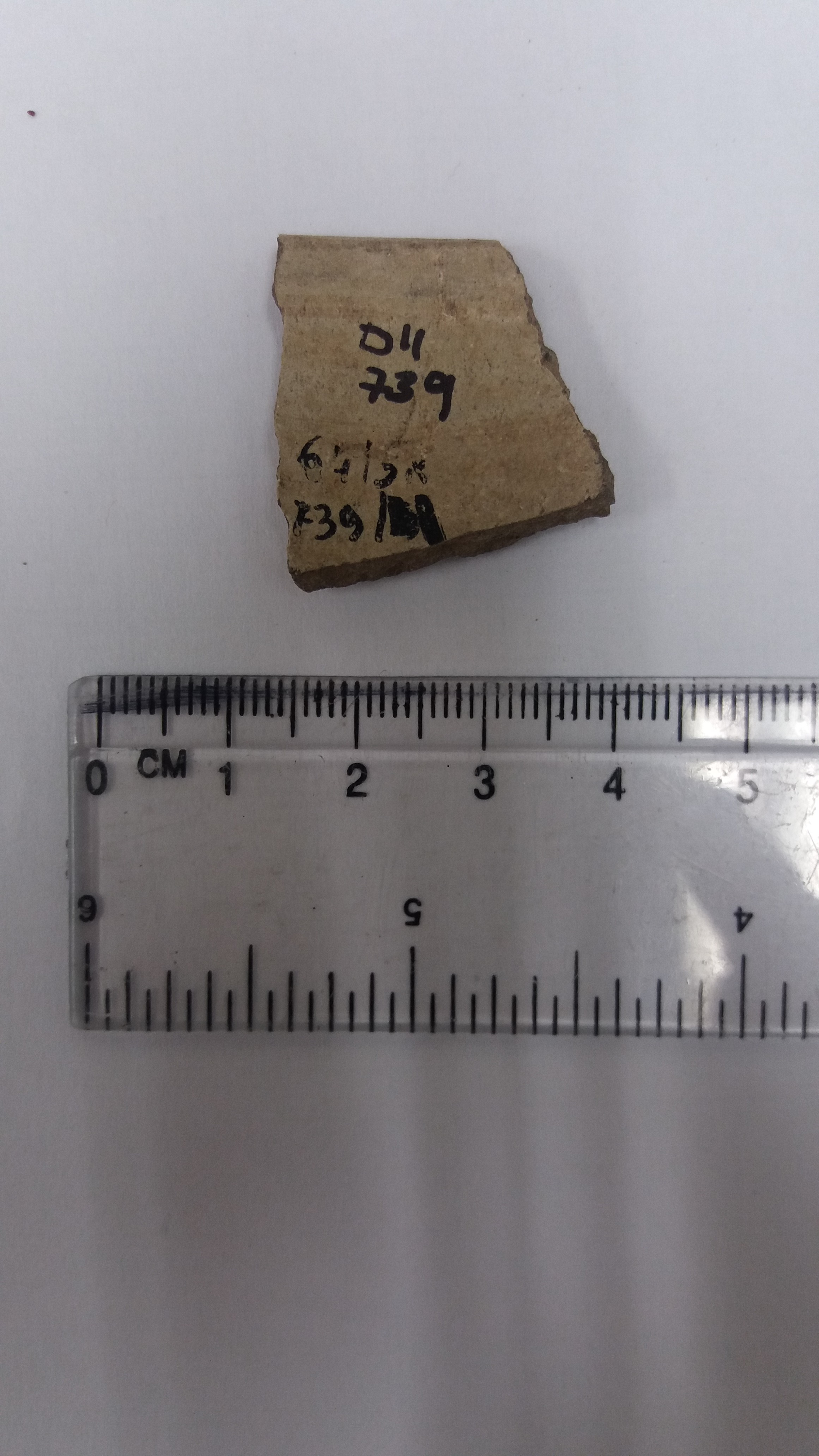


Cypriot Sepiolite is a white clay (Beyaz kil), but it is not plastic material. It is only applied as a paint and slip. It is especially used during the Late Bronze Age for Cypriot white slipped ware vessels. On the basis of observations and experimental studies conducted by Rauf Ersenal, the slip would have been applied onto a smoothed wet surface and polished. Best effects were achieved by polishing with vinegar when the slip was still wet, or with olive juice when it was dry. This slip enables a higher firing temperature for the clay: around 1040 degrees (normal firing is only up to 900 degrees). Vessels fired at such a high temperature are more solid, like porcelain, as opposed to those fired at lower degrees. Their hard fired and durable character probably contributed to the popularity of these vessels as valuable exports around the Eastern Mediterranean during the Late Bronze Age.
Kil sınıfına girse de plastik bir malzeme olmaması nedeniyle Kıbrıs seramiklerinde desen ve astar olarak kullanılmıştır. Özellikle Kıbrıs Geç Bronz çağı beyaz astarlı kapların üretiminde kullanılmış bir topraktır. Perdahlanmış nemli gövde üzerine uygulandıktan sonra sirke ve kuruduktan sonra zeytin suyu ile parlatma işlemi uygulandığını gözlemlerim ve deneysel çalışmalarım sonucu tahmin etmekteyim. Özellikle bu beyaz astar yüksek ısıya dayanıklı olmayan (en çok 900 derece) Kıbrıs Kilinin 1040 derecelere kadar dayanmasını sağlamaktadır. Böyle bir ısıda pişen kaplar da tıpkı bir porselen gibi diğerlerine göre daha sağlam olmaktadır. Geç Tunç Çağında Kıbrıs'ın Akdeniz dünyasına ihraç ettiği seçkin ürünler arasında gösterilmektedir.


