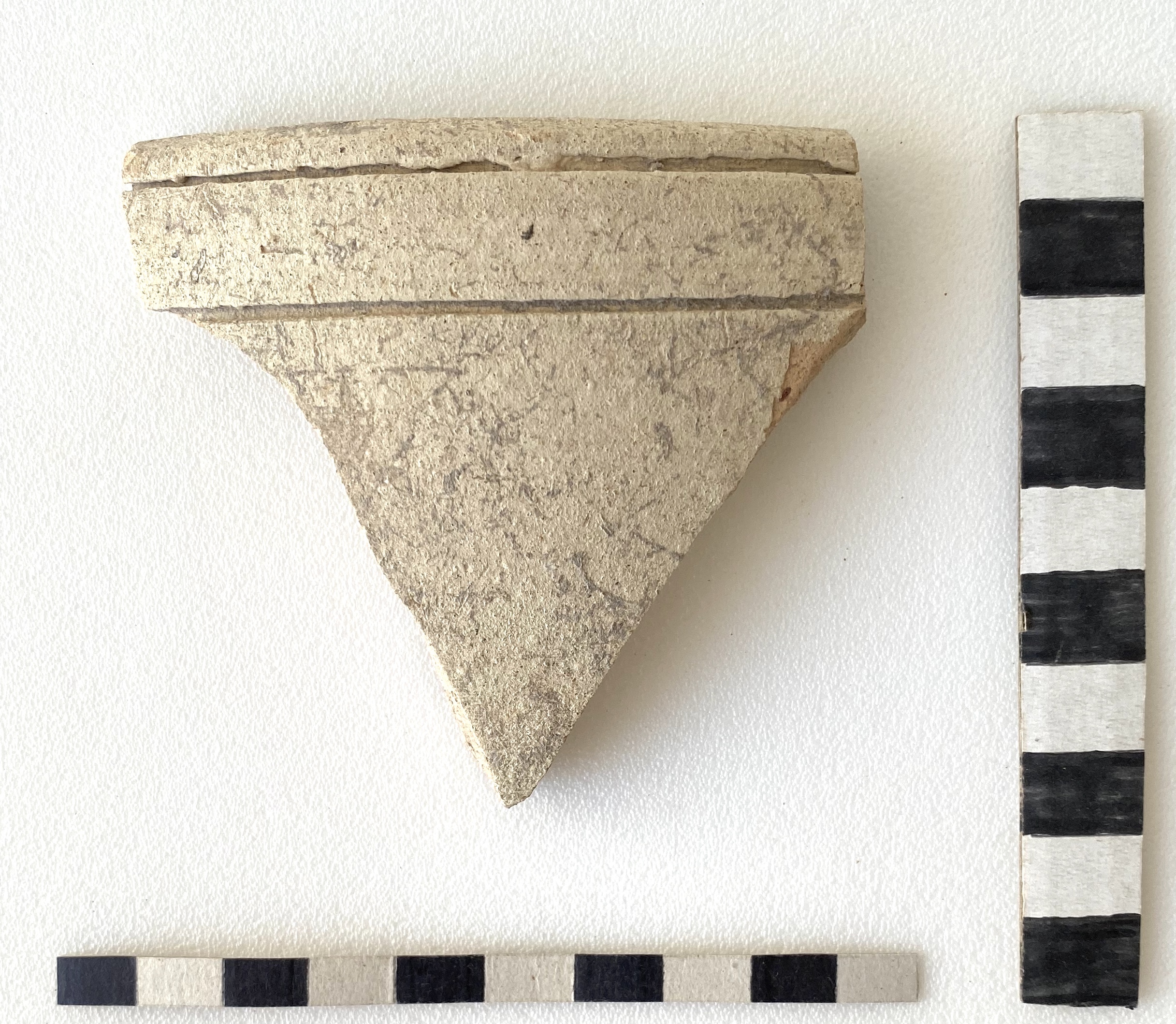
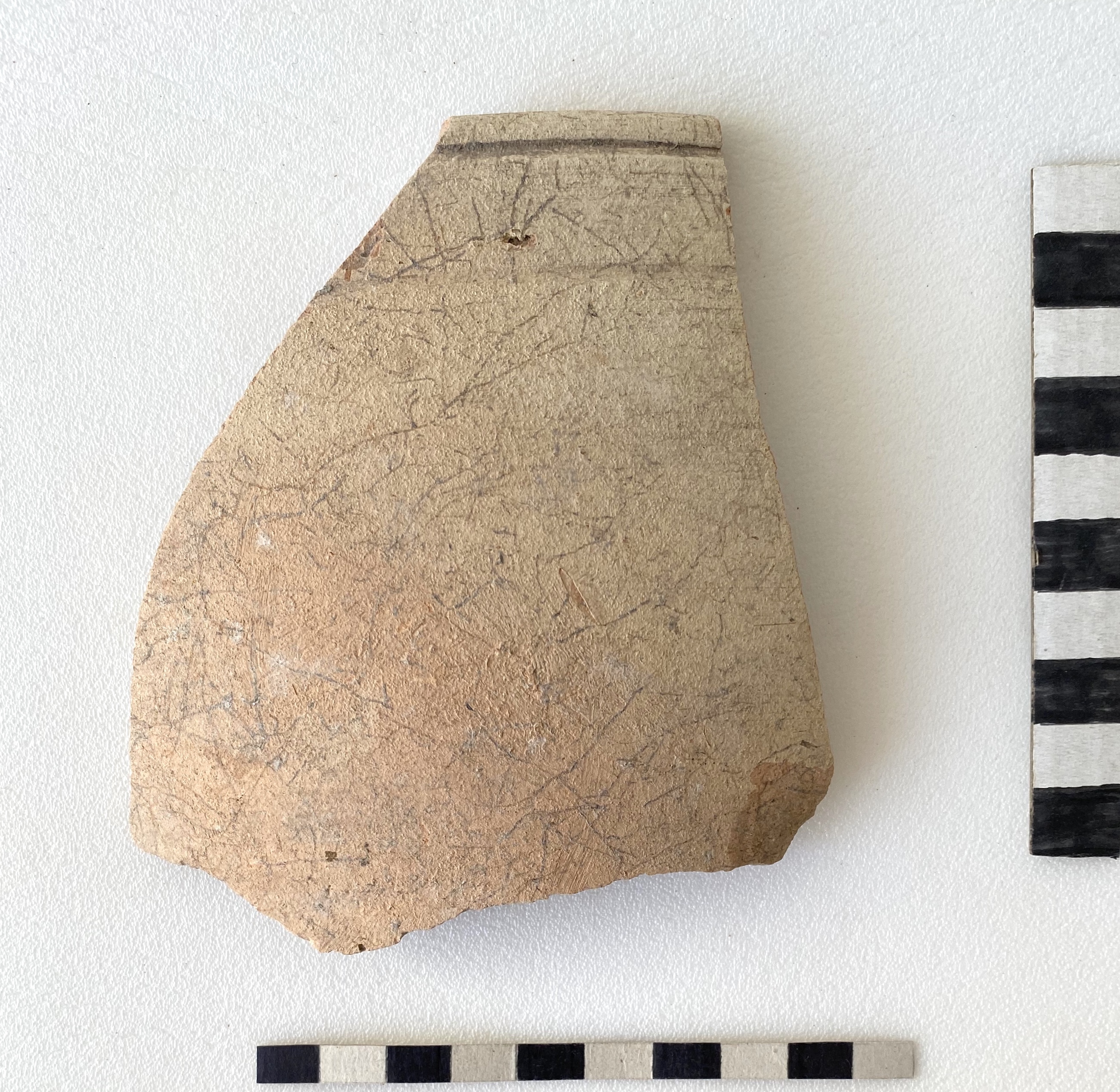
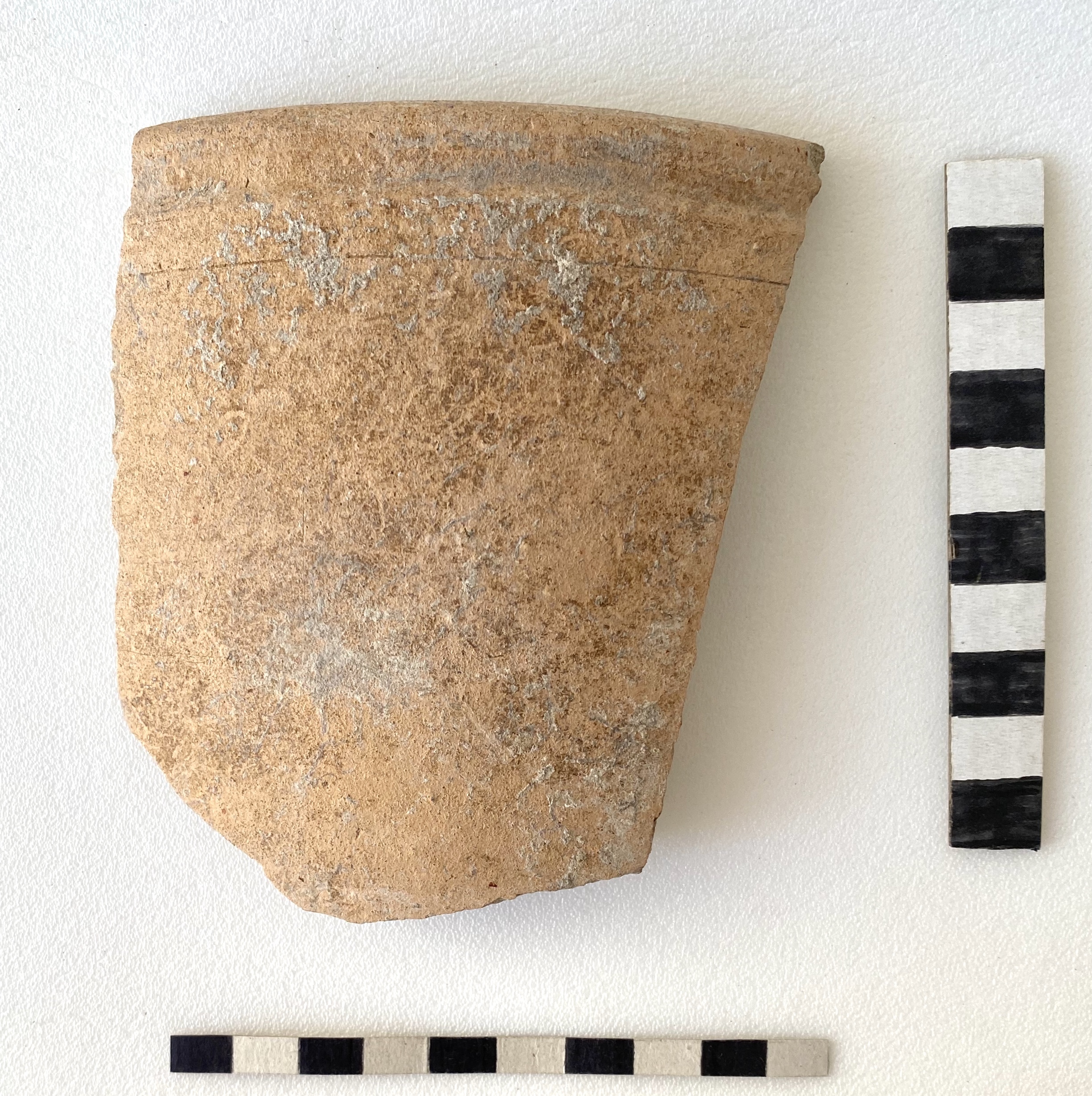
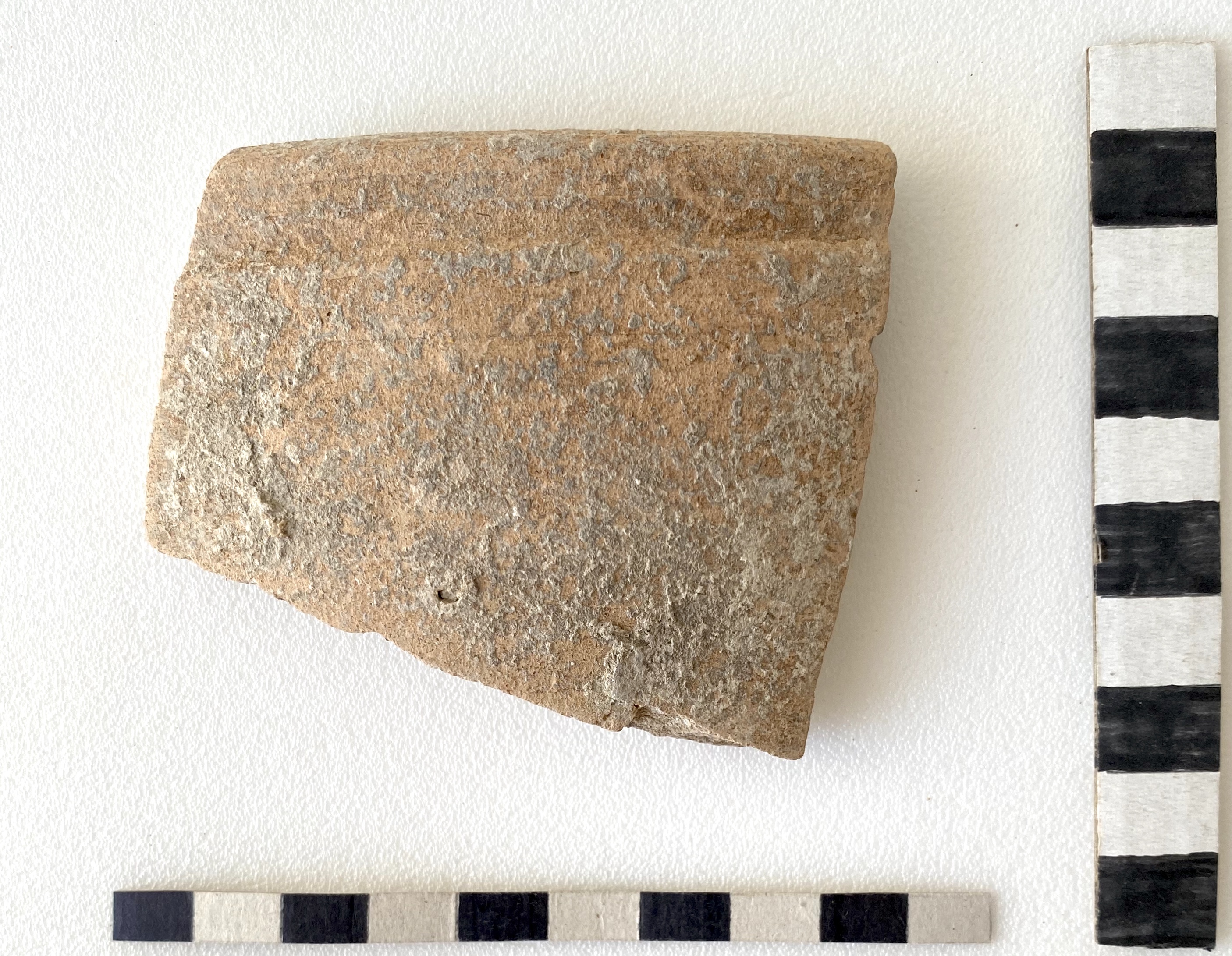
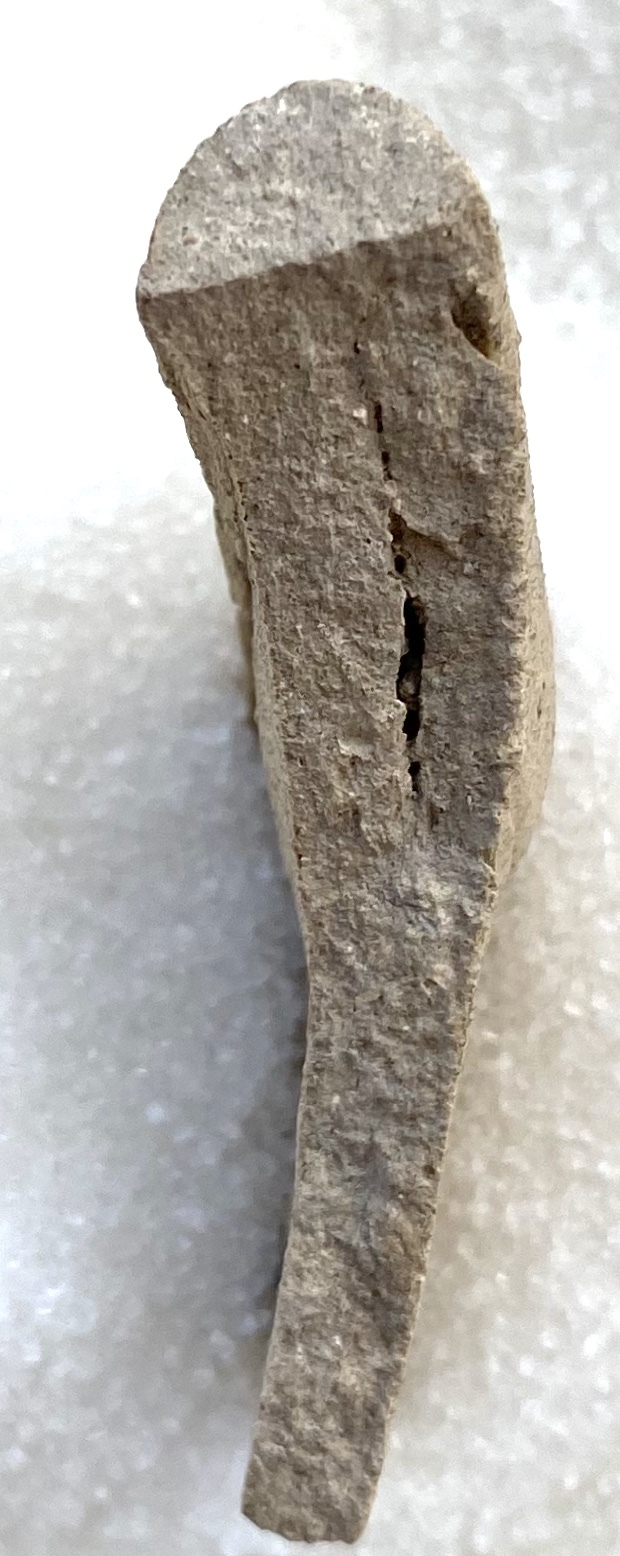
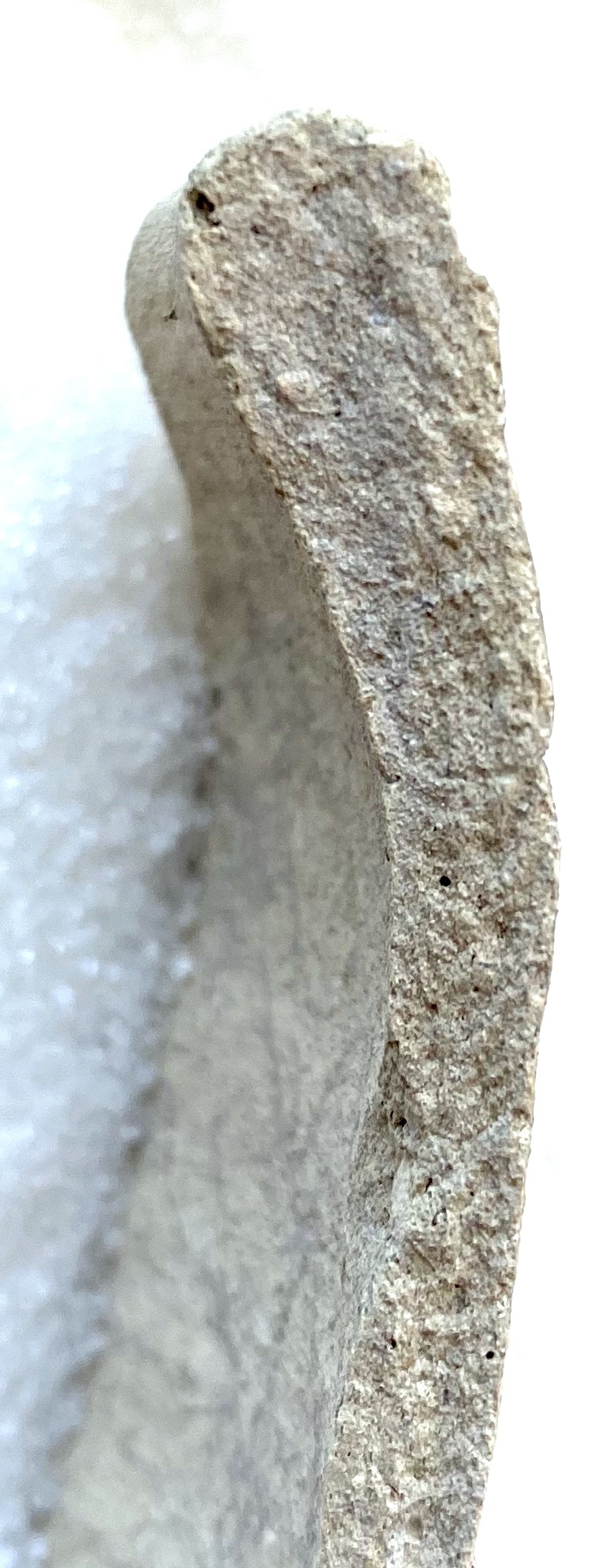
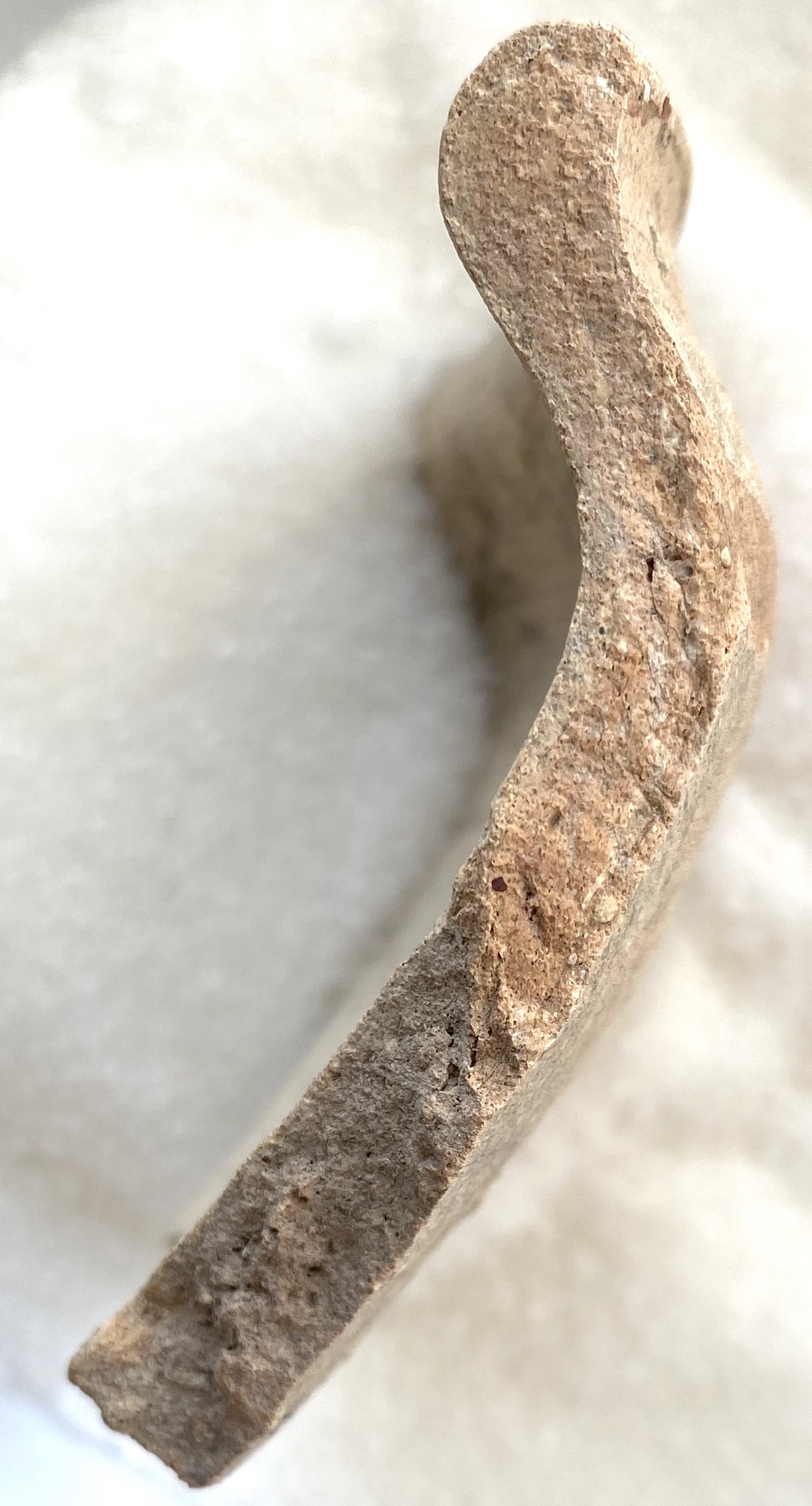
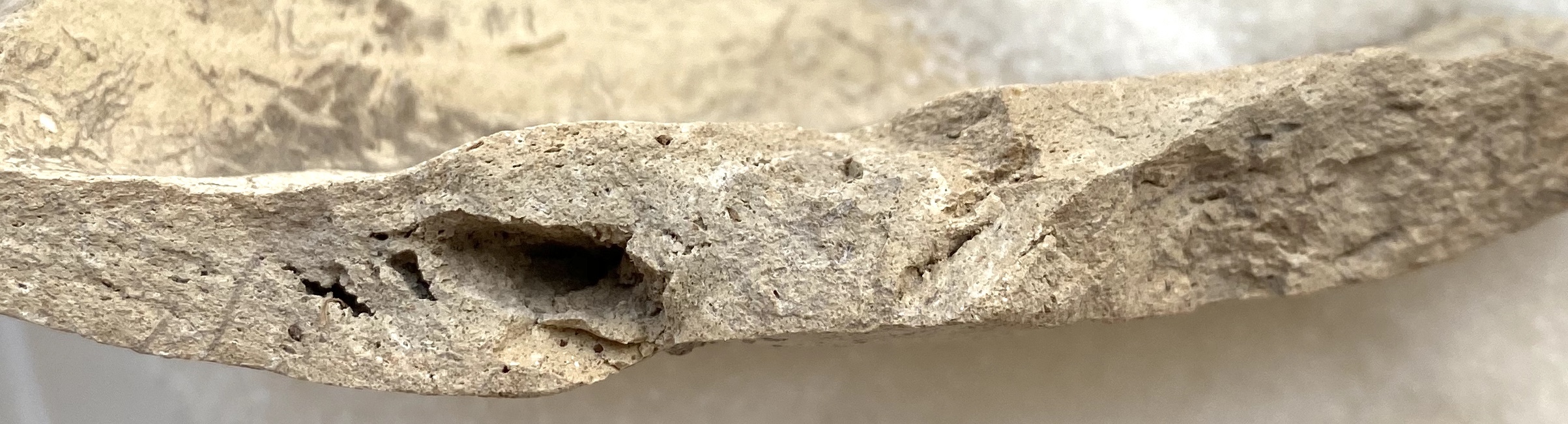
Gezer Early Hellenistic kiln
late 4th -early 3rd c. BCE
Early Hellenistic
Bin, large, Bin, small, Bowl, carinated, Bowl, deep, Bowl, ledge rim, Column krater, Flask, Grinding bowl/mortarium, Jar, bag-shaped, Jar, hole-mouth, Jug, trefoil, Juglet, Lamp, folded, Lid, Stand, Stand, short, and Stand, tall
The Gezer kiln was located inside and immediately west of the city gate. R. A. S. Macalester first excavated this kiln (Macalester 1912: 220, fig. 107 and Plan VI, strip 17, where it is labelled ‘oven’); a century later it was re-excavated by the Tandy Expedition (Wolff et al. 2015: 43 and fig. 1), along with a large deposit of kiln debris and wasters. Much of the kiln debris comes from a large ashy pit in an open zone to the west and northwest of the kiln, below a wide diagonal terrace wall (Wall 62011, Area A4-5) that separates the zone of kiln debris from the kiln itself. The size of the construction suggests that there was a ceramic workshop here.
The ceramics associated with this kiln can all be dated to the later 4th-early 3rd c. BCE. Most abundantly represented are large bag-shaped jars with simple short rounded rims, a type well-known from the central and southern coastal plain as well as from other sites in the Shephelah, where they are consistently dated to the fourth and third centuries BCE. The Gezer potters also produced large jars with a high folded rim, as well as stands, large and small bins, kraters, mortaria, jugs, lids, and lamps. The ceramic ware of all of these vessels is identical: a smooth, bright whitish grey, flecked with small and medium lime fragments that regularly spall the surface of the vessel. Exteriors are left plain, smoothed by self-slipping, with a slightly powdery texture.

A ‘structure’ of stones left behind by Macalester and re-excavated by the Tandy Expedition. These do not appear to be in situ or to represent an ancient structure.

Rims of large bag-shaped jars from kiln debris

Large grooved rim bins/deep bowls from kiln debris.

Small grooved rim bins/bowls from kiln debris.